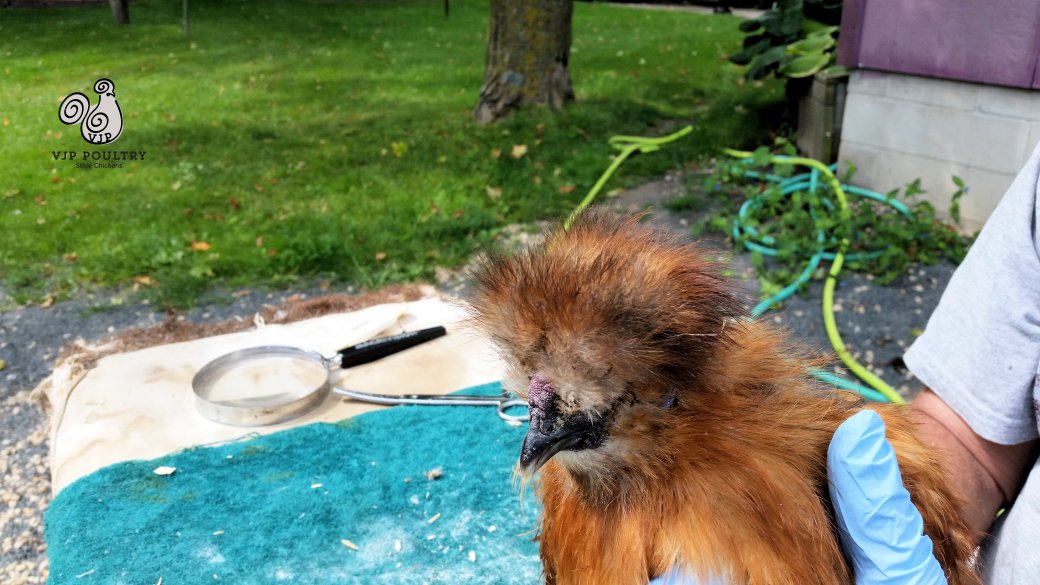
 We know that silkies are extra fluffy, but that extra fluffiness can be the perfect spot to harbor mites. Poultry mites are very tiny insects that will from time to time try and set up camp on your silkie. It is a very common and natural occurrence that can happen no matter how clean you keep your coop. If your bird is outside at all, it is being exposed to mites. Many people believe that mites are carried by wild birds. Bird feeders should not be placed near your coop.
When a chicken appears bedraggled and hunched over or when it looks like they have a chronic poopy behind, you should first check to see if it has mites before anything else. It is best to check your silkie on a regular basis in order to head off an infestation before it occurs. Prevention can go a long way in making sure that those mites leave your bird alone.
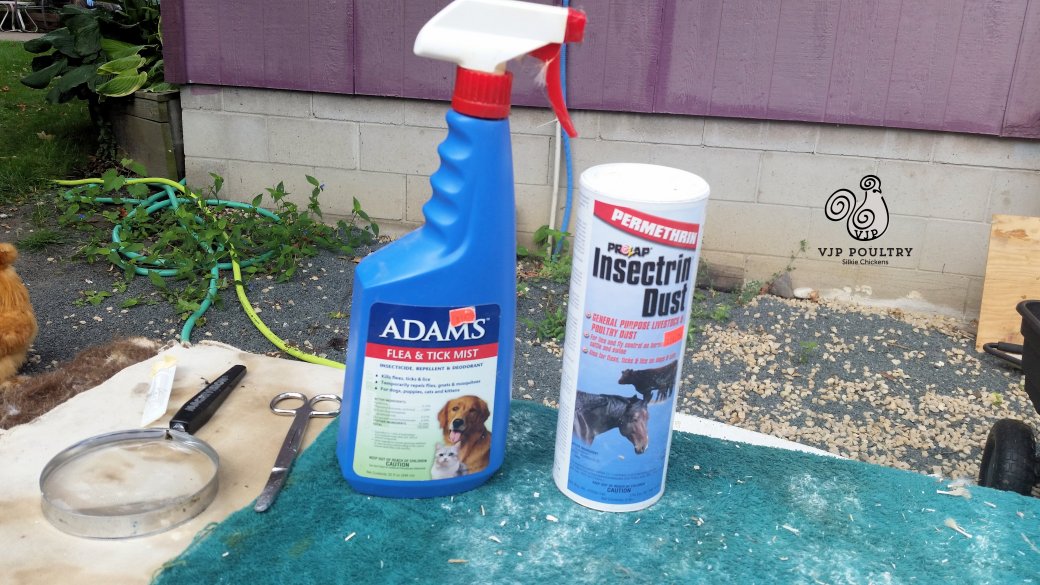 The first thing we do at VJP Poultry in a check up is to set up our work area. We use an ironing board. Mite checking is easier if two people do it together. One is holding the bird and the other is spreading the feathers. Tools you might need are: scissors that cut feathers, magnifying glass, Adams flea and tick spray, poultry dust and Frontline for dogs or cats.
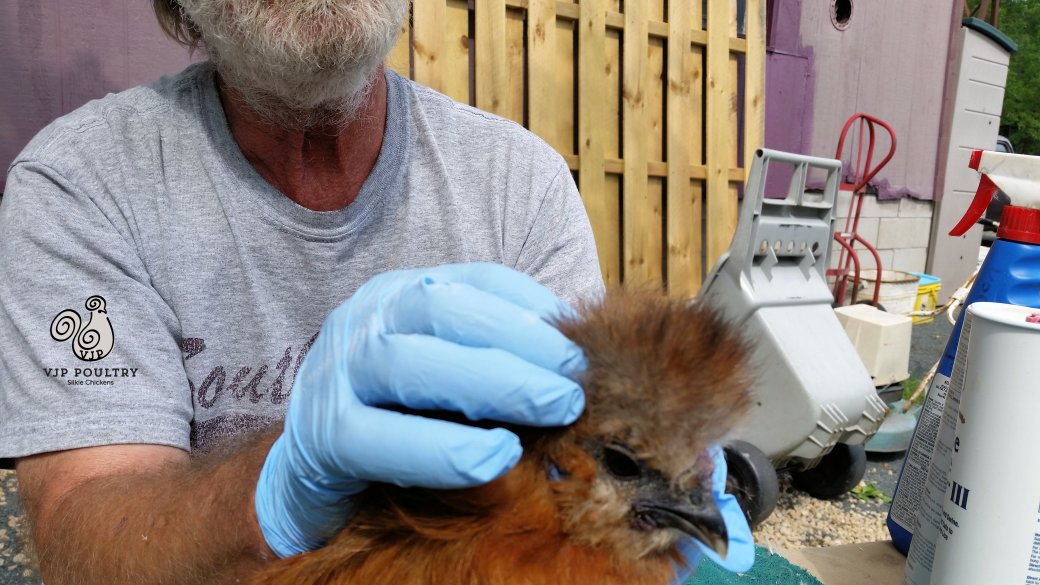 Capt’N Billy was our model for our pictures. He is a young partridge rooster. The first area we check over is the crest. Use your fingers to spread open the feathers so that you can see the base of the feathers against the chicken’s skin. With silkies it is easiest to look at the feathers. Since the skin is black the dark mites do not show up easily. You are looking for clumps of mites that are moving. Movement is key. The bugs are so tiny that it is easy to confuse it with dirt. If it is moving, its mites. Check in several different places in the crest as they could be anywhere in there.
Next work your way down its neck, checking the beard as well. Look at the base of the feathers. If you find something suspicious, pull the feather out and look at it under the magnifying glass.
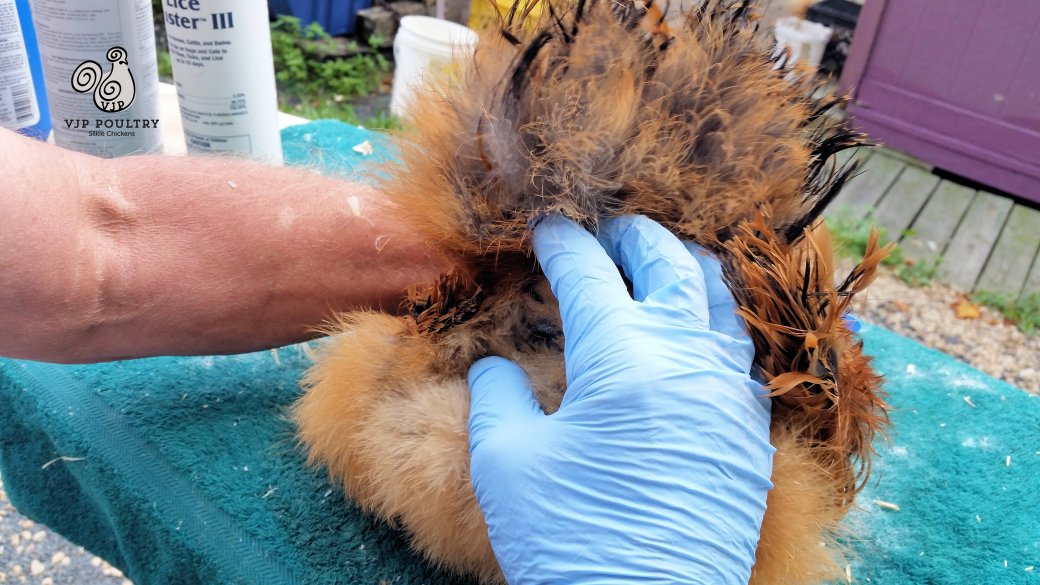 We also look at the base of the tail and under the wings. Turn the bird around and check out the vent. You may see little bite marks around the vent. Those bite marks are letting you know that mites have been there. Dust or spray carefully around the vent area. You don’t want any chemicals to enter through the vent.
The powder is a good preventative. Dust the bird lightly with it and work the powder down to the skin. I will also dust the bedding in the coop especially the area where they typically sleep at night.
The spray is used more often if you see some mites. Just spray directly on the area that you find them in. If it is a bad infestation, you may want to give them a bath first using a flea and tick shampoo for dogs or cats.. Always blow dry your silkie afterwards so that they don’t become chilled.
We use Frontline Plus on our silkies. We use one drop on the neck directly onto the skin. It is very effective and will kill both the mites and their eggs that will hatch later. Frontline protection can last for over a year. Frontline is not made for poultry and the company does not encourage its use on other animals besides dogs. You are taking a risk of overdosing your bird if you use too much. Less is better.
Keeping vigilant and do periodic checks. Most birds will experience it at one time or another. Silkies seem more prone to it with their large crests. Having a plan is your best defense against these little critters.
For tips and tricks for raising outstanding silkies check out our Chicken Learning Center at VJPPoultry.com . VJP Poultry is an NPIP and state inspected hatchery located 30 miles north of St. Paul. We hatch out silkies all year long so we always have stock available. Like us on Facebook to get weekly updates on what we currently have for sale.
Victoria J. Peterson


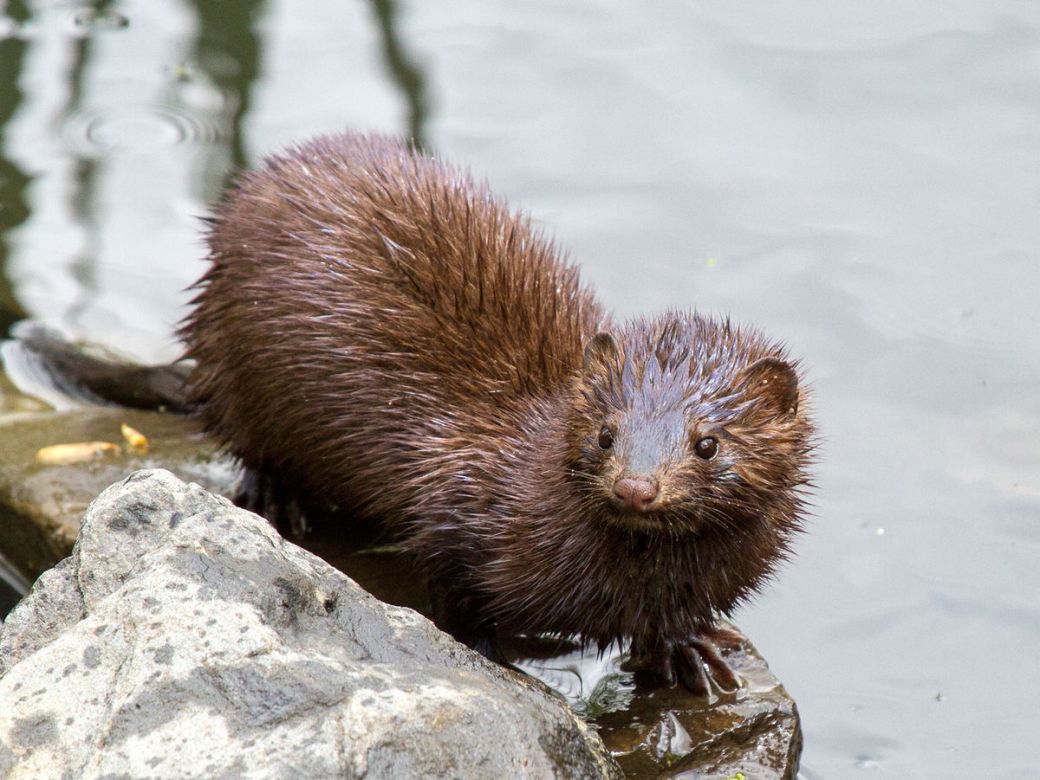
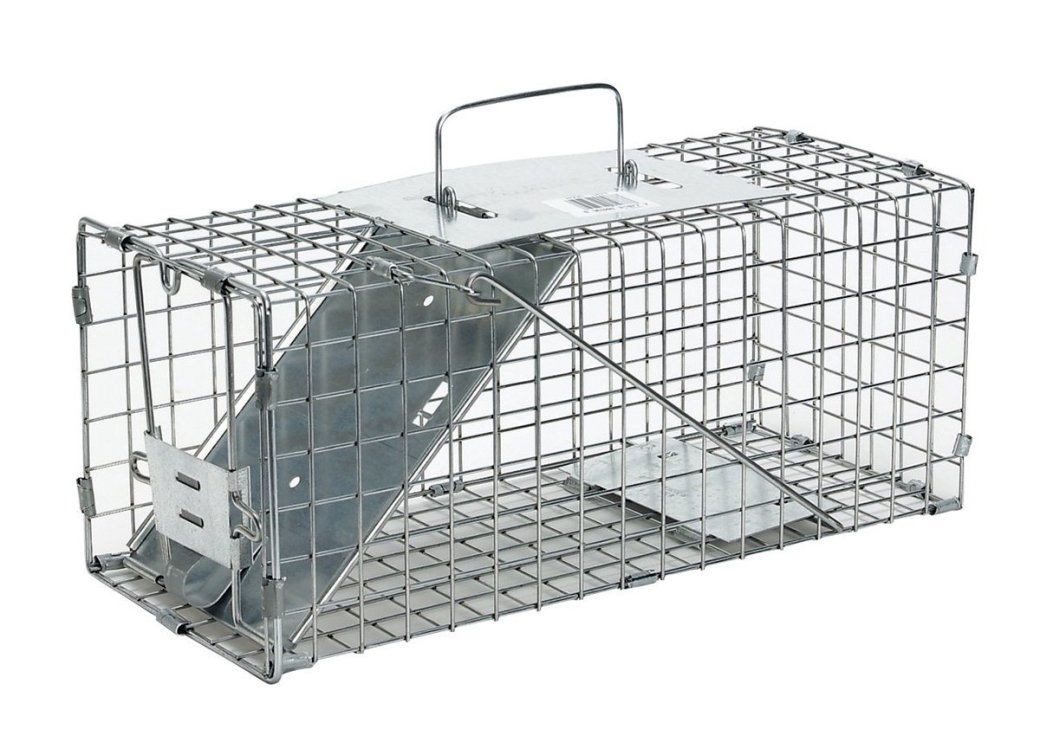 Keep your coop secure with no gaps that they could squeeze through. Mink can crawl through holes as small as one inch diameter. They are also excellent diggers and chewers and can come into your coop from underneath. Concrete floors in the coop are good or use paving slabs to slow them down. You may want to bury some hardware cloth along the bottom of the fence.
 VJP Poultry