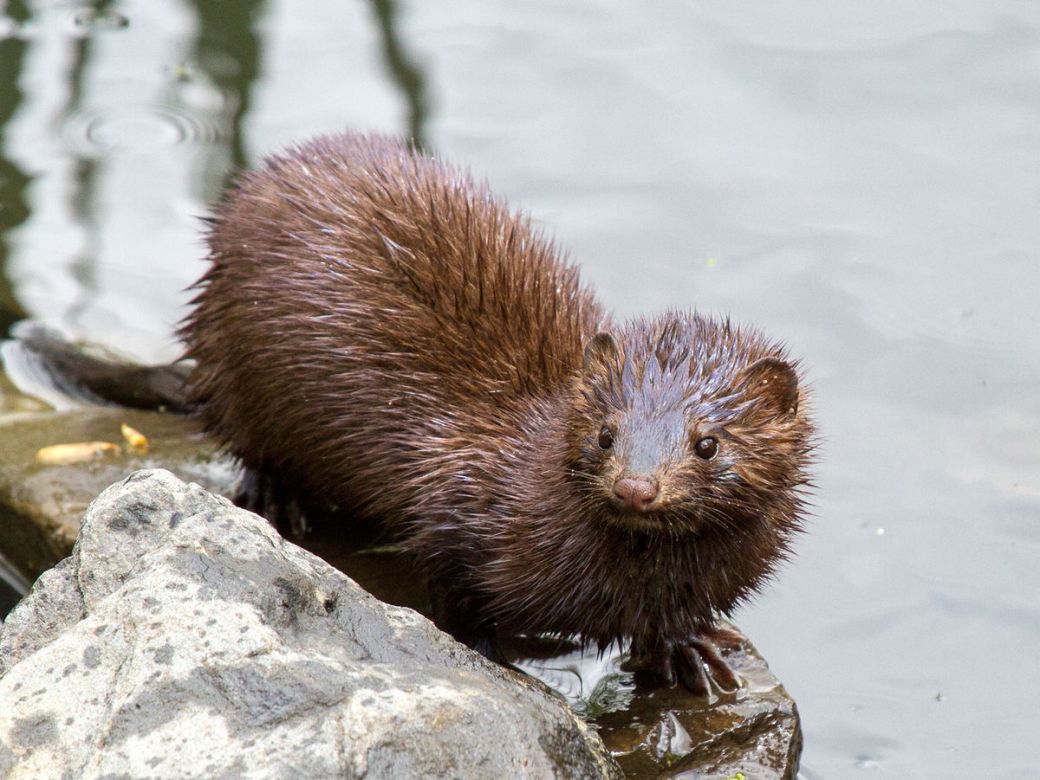
Most of you have heard by now about the more than 30,000 mink that were released in Stearns County, Minnesota this week. Most, sadly, will die of heat and starvation, but I can’t help but wonder if some won’t learn to adapt and survive. Mink are predators to chickens. I have heard many stories already this year about whole flocks being decimated by mink. Because they can get through such tiny spaces, they are difficult to deter. At VJP Poultry we are always on the look out for any predator that could hurt our flock.
Mink are a member of the weasel family. They are native to North America. They have a long slender body and short webbed feet. They are excellent swimmers. They have a long tail which takes up one third of its body length. They have thick, glossy fur, usually brown to black with a patch of white under its chin and throat. Their fur is waterproof.
Mink are found throughout the United States and Canada. They have little fear of humans and have been found in sheds and outbuildings used by man. It spends a lot of its time inside water, hunting for prey. They are solitary animals that mark its territory. They usually live alone. Mink mating season is February to April.
Mink are carnivorous and hunt prey larger than themselves. When mink are threatened, they usually snarl and hiss and release a scent that advertises its territory. They will purr like a cat when happy.
They are usually found in wetland environments near streams, rivers or lakes. They live in burrows of muskrats or in cavities made by streams or trees. They are nocturnal and hunt mostly at night, however, they can also be active during the day. Mink can both swim and climb trees. Since they are good swimmers, they dive and catch fish and feed on muskrats, rabbits, frogs chipmunks and snakes. They kill their prey by biting them in the throat.
Mink are vicious predators of chickens. They will kill every chicken in a run or a coop. They do not eat the chickens they kill. They drink the blood of their prey. This is their motivation, to kill every bird they can find.
Their long bodies allow them to squeeze in any pen. They will continue to return to a pen to strike again and again.
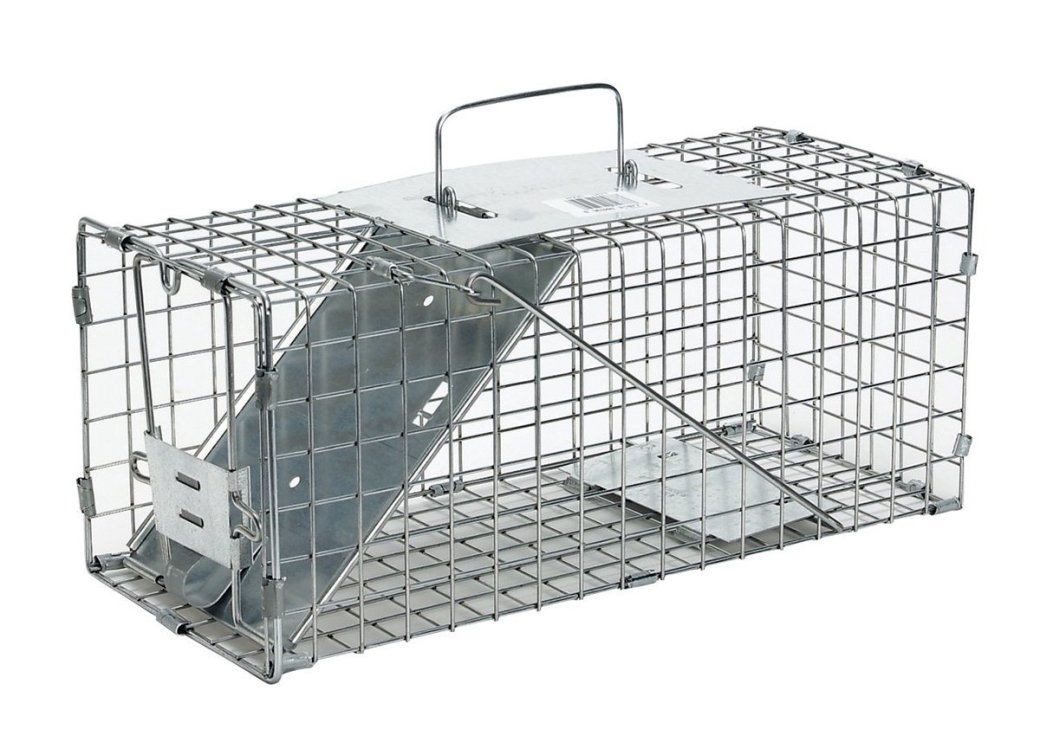
If you think you have a mink problem, try setting a live trap. Bait could be fish or fresh meat. Bloody meat works well. You may be able to rent traps from your local feed store.
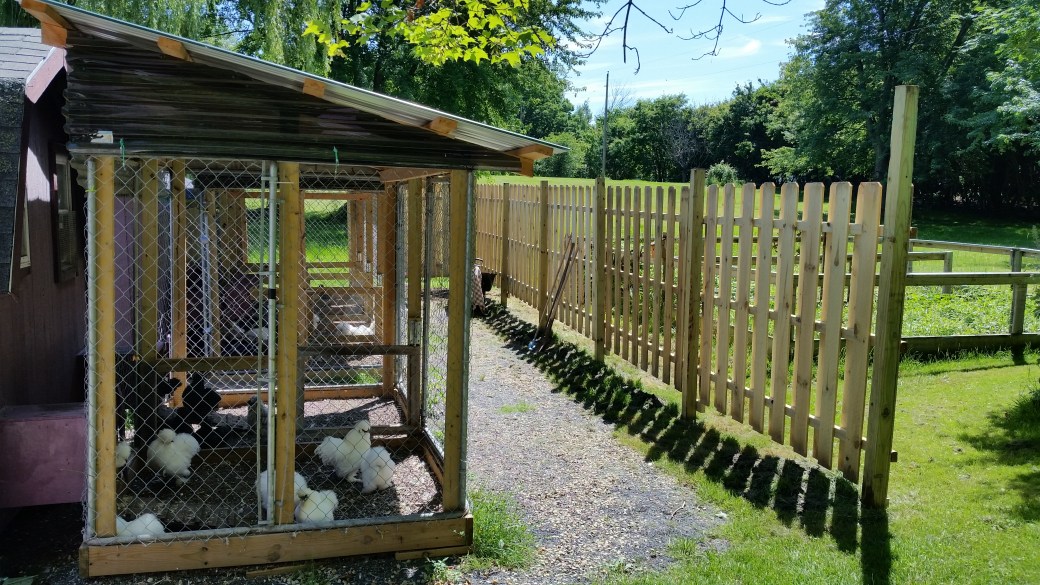
 Keep your coop secure with no gaps that they could squeeze through. Mink can crawl through holes as small as one inch diameter. They are also excellent diggers and chewers and can come into your coop from underneath. Concrete floors in the coop are good or use paving slabs to slow them down. You may want to bury some hardware cloth along the bottom of the fence.
Be vigil as always around your chicken coop. The very best advice is to always lock up your birds in their coop every evening. Do not leave them in the run overnight or you are asking for trouble. Good Luck and keep them safe!
For tips and tricks for raising outstanding silkies check out our Chicken Learning Center at VJPPoultry.com . VJP Poultry is an NPIP and state inspected hatchery located 30 miles north of St. Paul. We hatch out silkies all year long so we always have stock available. Like us on Facebook to get weekly updates on what we currently have for sale.
Victoria J. Peterson


 VJP Poultry