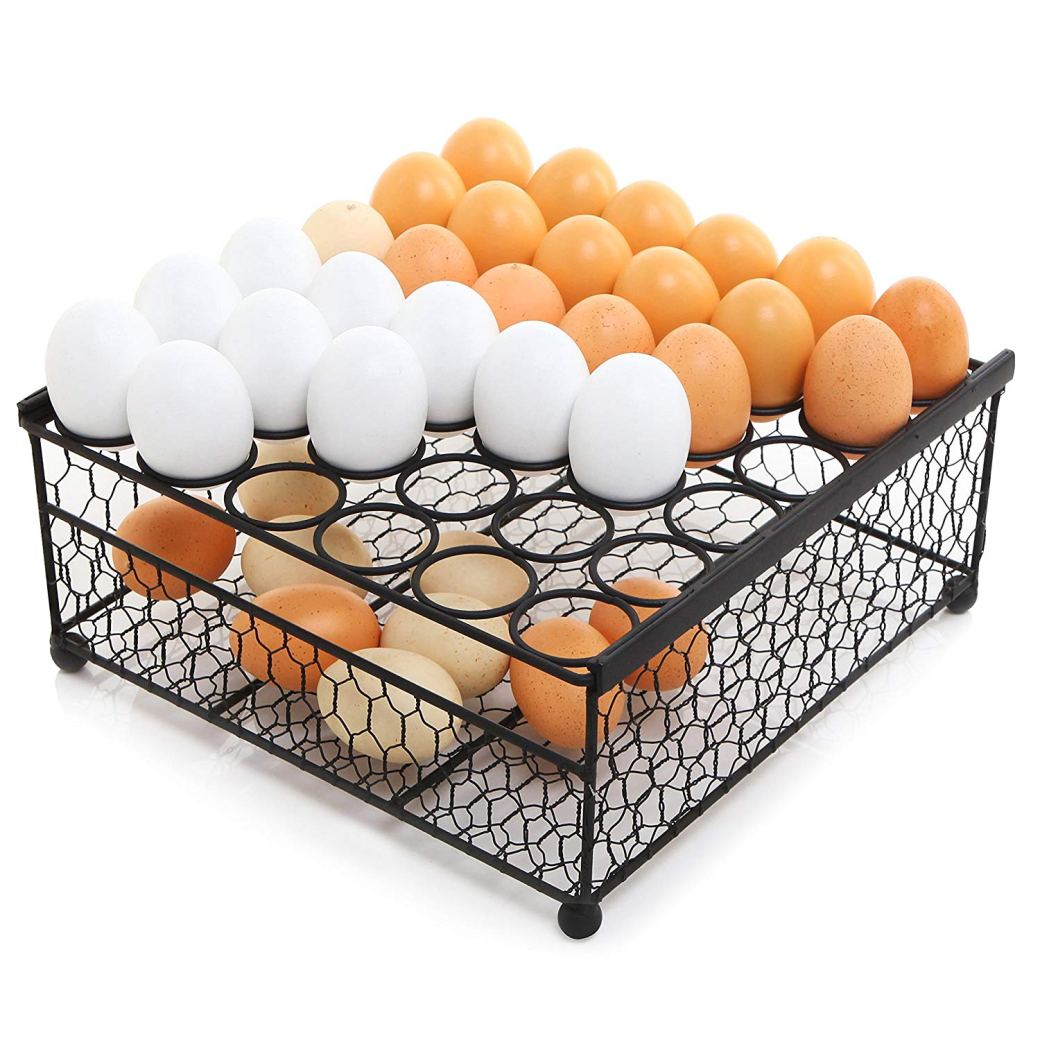
 When it comes to egg storage there are two schools of thought. There are those who store their eggs in the refrigerator at 40 degrees F and there are those who store their eggs on their kitchen counter at room temperature. There is also controversy about whether you should wash eggs or not before using them. Lets explore these ideas and see what the experts say.
Eggs don’t need to be refrigerated but one day on the counter at room temperature is equivalent to one week in the fridge. Eggs will keep seven times longer in the refrigerator than on the counter. In fact, the average egg in the grocery store can be up to 8 weeks old by the time you purchase it. After an egg is refrigerated, it must continue to be kept at that temperature. A cold egg left out at room temperature can sweat, which helps the growth of bacteria that could contaminate the eggs. Many baking recipes call for eggs to be at room temperature, but refrigerated eggs should not be left out more than two hours. You can bring eggs to room temp by placing them in clean, warm water for several minutes.
British and European supermarkets don’t refrigerate eggs. You will find eggs on the shelves next to canned goods and cake mixes. In America you will find them in the dairy case next to the milk and butter.
The USDA requires that graded eggs sold to supermarkets are washed and sprayed with a chemical sanitizer before they are sold to the public to reduce the risk of salmonella infection. Salmonella can infect eggs in two different ways. In the first, bacteria can be passed on from an infected hen to the inside of the egg as it is developing. The second way is that it can get onto the outside of the shell after the egg is laid by coming into contact with chicken poo.
If an egg is infected with salmonella, the bacteria will multiply more quickly if the eggs are stored at room temperature. Storing eggs below 40 degrees F halts the growth of salmonella and cooking eggs to at least 160 degrees F kills any bacteria that is present.
In the UK, Grade A hen eggs may not be washed because the process is thought to aid the transfer of harmful bacteria like salmonella from the outside to the inside of the eggs. Basically, that is opposite thought from the US. But, British hens are also more likely to be vaccinated against salmonella than US hens.
As eggs leave the hen, they are given a protective bloom on their surface. This bloom keeps air and bacteria out. Once eggs are washed the protective bloom will be gone. Unwashed eggs will last up to two weeks on the counter top and three months or more in the refrigerator. Washed eggs will last at least 2 months in the fridge but won’t taste as fresh as unwashed eggs of the same age. If you wash your eggs, you need to cook them immediately or put them in the fridge. Do not leave washed eggs on the counter top. Once washed, bacteria begins to grow.
Keep the eggs from your backyard hens as clean as possible. Change your nesting box bedding often. A roll away nesting box will also help to keep your eggs clean by gently removing them away from the nesting box bedding. Fine sand paper can be used to scrape off any dried poo from the egg.
If you are interested in washing your eggs use warm water. The water should always be warmer than the egg itself or the inside will contract pulling bacteria into the egg. You can use an egg cleanser with an egg brush to remove dirt. Scrubbing pads work like sandpaper to gently remove dried chicken poo. Some states require that eggs be washed before they can be sold, so check your state’s status.
It is up to you whether you keep your eggs on the counter in a cute spiral holder or a two dozen fridge egg storage unit in the refrigerator. Once cold, the eggs need to stay cold. Don’t take them out and leave them on the counter for more than 2 hours. If you choose to wash your eggs, you must then refrigerate them.
For tips and tricks for raising outstanding silkies check out our Chicken Learning Center at VJPPoultry.com . VJP Poultry is an NPIP and state inspected hatchery located 30 miles north of St. Paul. We hatch out silkies all year long so we always have stock available. Like us on Facebook to get weekly updates on what we currently have for sale.
Victoria J. Peterson
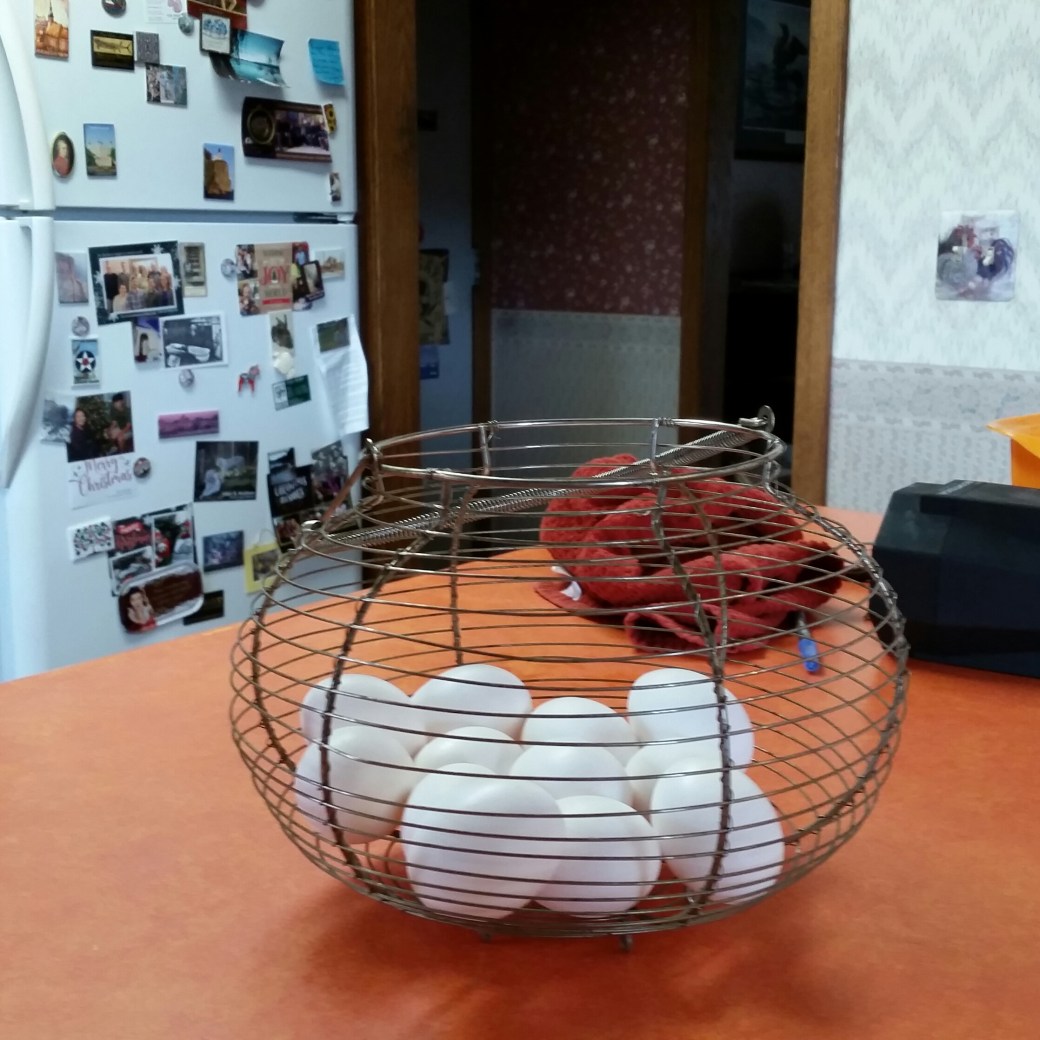
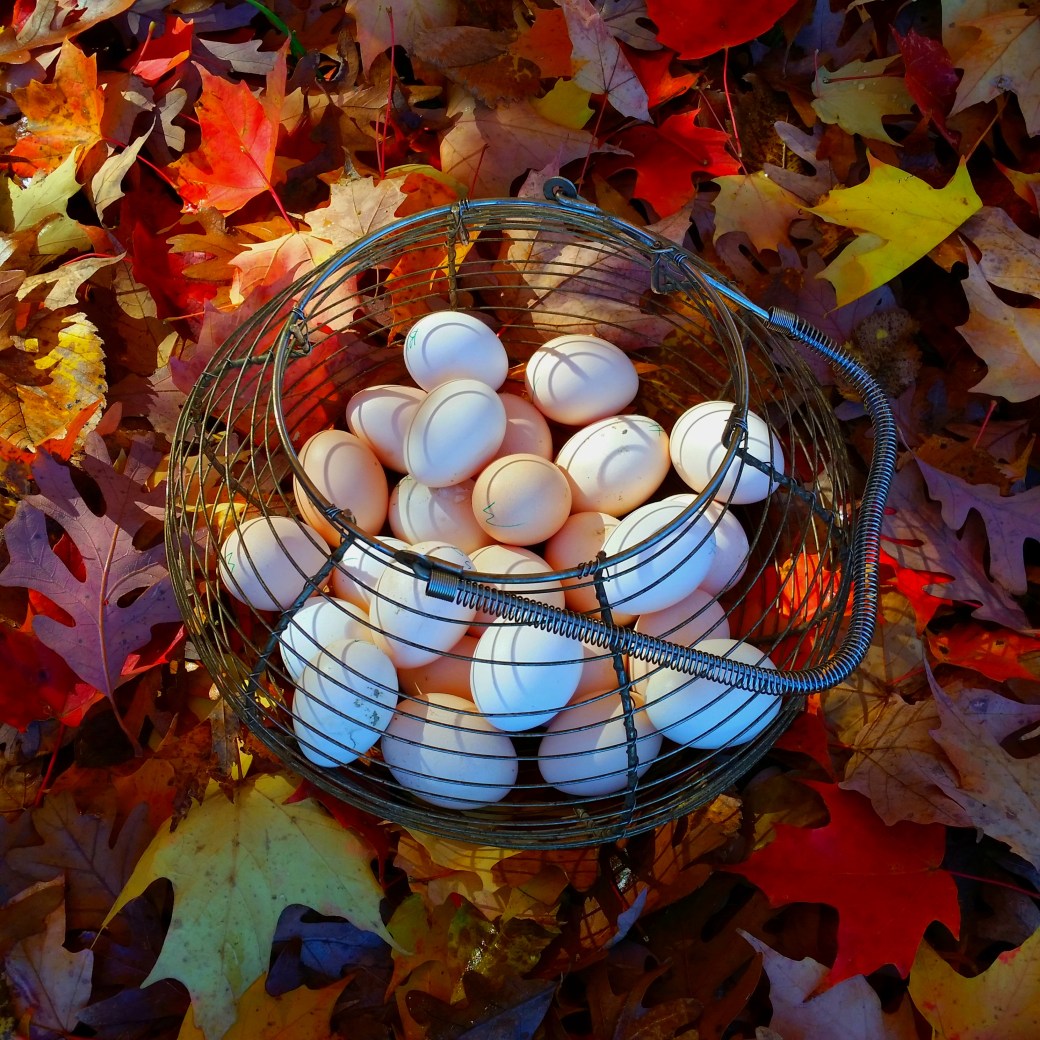 Fresh, free range boiled eggs are notoriously difficult to peel. We are left with chunks of egg white sticking to shell pieces. There are divots left all over the surface of your egg. This is not something that you want to use to make fancy deviled eggs with.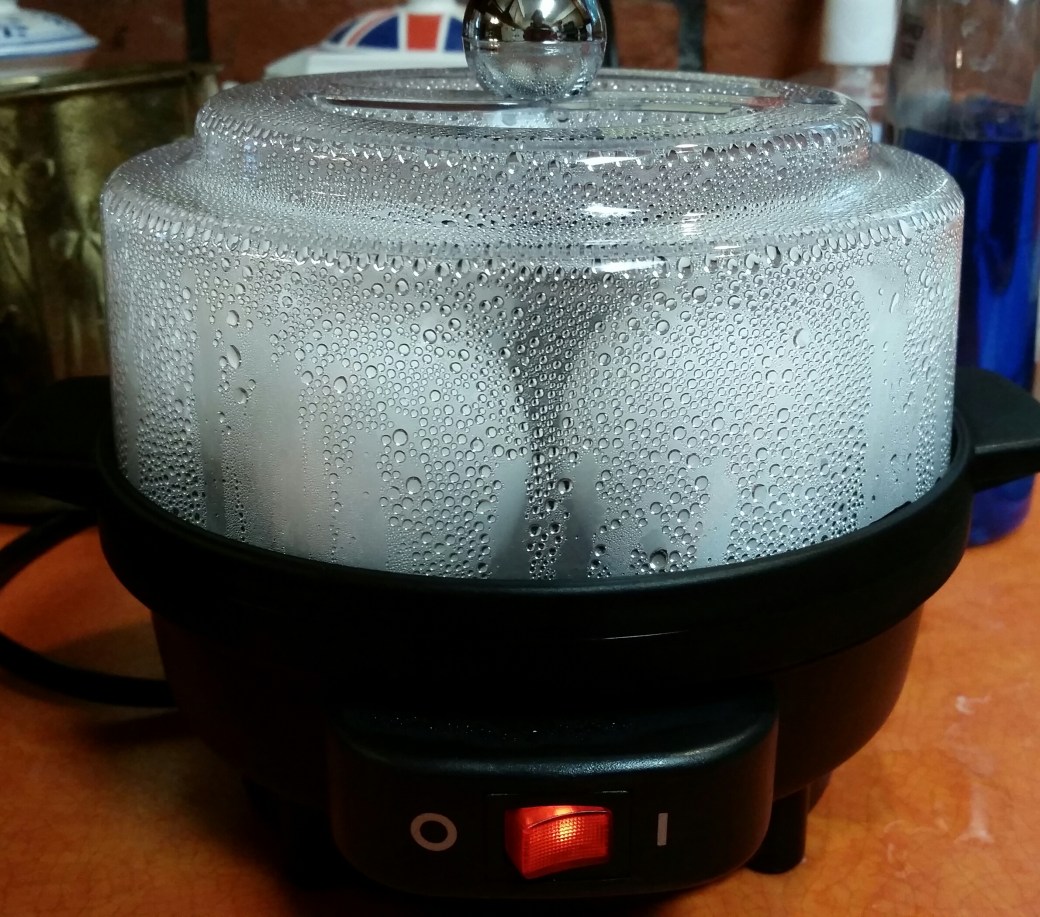
 VJP Poultry