 A rainy day can mean time spent inside the coop or it can be an opportunity to scrounge around for bugs and worms. It all depends on what your chicken prefers. It also depends on whether we are talking about a light, misty shower or a rain forest downpour.
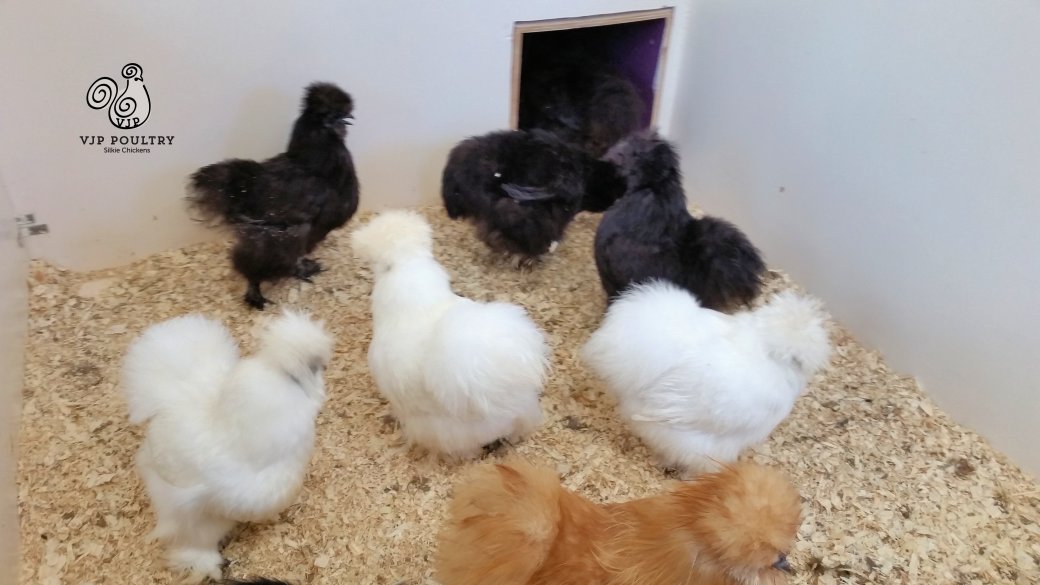
Chickens do have water repellent feathers that can keep them dry for awhile. The tighter the feathers, the more the rain will bead off them. Rhode Island Reds have very tight feathers and can do well in the rain. Breeds such as silkies or polish can suffer in the rain as their feathering is very loose.
Birds that get soaked through to the skin can be at risk for hypothermia. Symptoms of hypothermia in chickens are shaking, low body core temperature, pale or blue comb, pale sinus tissue, and slow labored breathing. If you add a wind to that rain to create a wind chill, a bird can become ill very quickly.
If a thunderstorm hits, experienced chickens will run for cover either back to the coop or they will find a bush to hide under. Young birds in their first year do not usually have the understanding of what is happening to them and will stand around getting wet. They will not look at the sky with their mouths open and drown as folk lore states. But, they may need some help getting back to the coop. Some birds get caught in the rain because hens higher in the pecking order will stand in doorways and not let them back in. As a storm rolls in and the wind starts to pick up, the chickens will start heading for the coop. Then , when the storm is over, they will venture out again, looking for worms or other goodies brought by the wet weather.
If chickens are repeatedly being exposed to rain without the opportunity to dry off, they can develop respiratory issues and fungal infections at the base of their feathers. A warm bath with a blow dry afterwards can be very helpful. A dog blower is a great way to dry off a chicken quickly.
It is helpful to give them some kind of shelter from the wind and rain besides going back in the coop. Give your run a cover using metal corrugated sheeting . If you have any leaks in your coop, use tarps to keep the rain from coming inside.
No one wants to deal with a muddy run. Mud is not healthy for chickens. It can promote internal parasites and increase issues with bumble foot. Muddy runs look awful, are smelly, makes the chickens look unkempt and attracts a ton of flies in warm weather.
There are a few things that you can do to prevent a muddy run in the first place. Make sure that when you are choosing a site for your coop and run, place it on high ground. Don’t put it in low lying areas. If you have no choice, put down gravel to try and build up the area before you build your coop. Make sure that you build up your run footings higher than you think you will need. Add retaining boards at the foot of the run fence. Natural drainage works best, but you might need a tiller to stir the ground up and make it drain better.
While it is still the dry season, place down patio pavers above a layer of level gravel by doors that get a lot of traffic such as pop doors or human entrances. A slanted roof will keep your chickens dry and help with the snow later in the winter. Put gutters and down spouts on all roofs. Make sure that the down spouts lead the water well away and down hill.
Dig a ditch to intercept water coming from higher ground and lead it elsewhere. If you look at the bottom picture, we have a coop at the bottom of a hill. We dug a small trench and placed landscape blocks to redirect the water to a lower area.

Many people have a grass or dirt run for their chickens. This can quickly turn into mud. We use a combination of pea rock and gravel for the floor of our runs. You can have gravel and pea rock delivered to your home from landscaping companies. They will dump it in your drive way and you can wheel barrow it where it needs to go. If you have a very small run, you can also buy pea rock in bags.
Wait until it is the dry season for laying down sand and gravel. The wet mud will make your rock sink down too much. Pea rock will need to be dug up about every three years in order to provide better drainage to your run. When it gets mixed with chicken poo, shavings and other things that can break down and decompose, it can lead to a sloppy mess. By digging it up and replacing it, you will be in better shape when flooding rains hit.
If it has rained hard and you are looking for a temporary fix, you will want something to lift the birds out of the mud and absorb the moisture. Coarse bark or wood chips are good and can last a long time. Medium size wood chippings are ok. Straw, hay or wood shavings are the least useful but are better than nothing. They tend to break down quickly. Keep an eye on things and refresh whenever needed.
If your coop floods, change out the bedding and use fans to dry it out. If the water continues to be deep, put down pallets so your bird can stay above water. Turn off the breaker in your house that serves your chicken coop. Standing water and electricity are not a good combination.
For tips and tricks for raising outstanding silkies check out our Chicken Learning Center at VJPPoultry.com . VJP Poultry is an NPIP and state inspected hatchery located 30 miles north of St. Paul. We hatch out silkies all year long so we always have stock available. Like us on Facebook to get weekly updates on what we currently have for sale.
Victoria J. Peterson

 Nothing is worse than a smelly chicken coop. A stinky pen can be dangerous to your chickens as harmful bacteria, wet bedding and dust can cause respiratory ailments and other problems. Hot, wet weather with high humidity can increase the bad odors and nathe problems associated with it. If the odor floats over to your neighbor’s yard you will now lose their good will concerning your chicken flock and then you will realize that something needs to be done about the “smell.”
 VJP Poultry