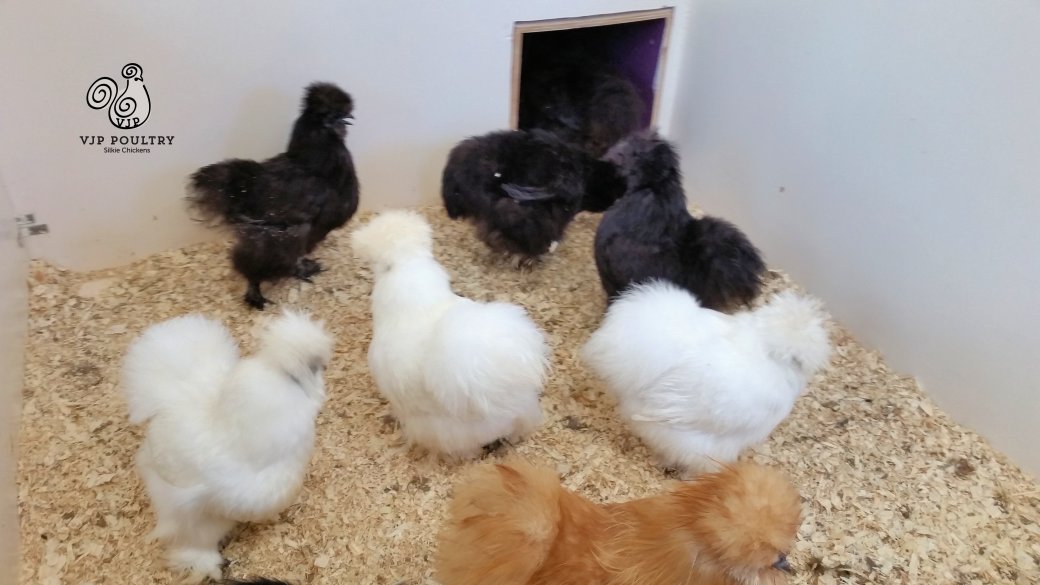
 Nothing is worse than a smelly chicken coop. A stinky pen can be dangerous to your chickens as harmful bacteria, wet bedding and dust can cause respiratory ailments and other problems. Hot, wet weather with high humidity can increase the bad odors and nathe problems associated with it. If the odor floats over to your neighbor’s yard you will now lose their good will concerning your chicken flock and then you will realize that something needs to be done about the “smell.”
Allowing chickens to free range or have access to a run can help in controlling the odor problem in the coop itself. The poo is dispersed outside in places where it can dry out and break down naturally. Wet poo and wet bedding with poo mixed in it is what is causing the smell inside of the coop.
Removing the poo from the coop and run is the best way for controlling any odor problem. I use a paint scraper to daily remove poo from my ramps and run. Scrape any hard surface that has poo on it. Many people place a board under their roost. The board catches the poo during the night. In the morning scrape all of the poo into a bucket for easy disposal. I go through the run every morning and pick up and remove with my scraper any poo left from the day before. Especially pick up the wet poo that never dried. This is the kind of poo that smells bad and attracts flies to it.
About every two weeks I clean out the entire coop bedding. I sweep up and remove poo and dust and use my paint scraper to scrape the floor and sides where poo has attached itself. Spray with water and scrub walls and floors. If you let the water sit for awhile on the poo spots, it will help to loosen it from the surface. This will make scrubbing it off easier. After it is washed spray a sanitizer such as Oxivir or Oxine and let it air dry.
Pine shavings are best to use for bedding. Sand works well too as it is absorbent. Straw tends to rot and can grow moldy. Pine shavings should be 4-6 inches deep. You could add a little Diatomaceous Earth to help dry out the coop in humid weather. Place it in the corners or where ever it is damp. Make sure that it is Food Grade.
Use lime on floors during the wet season. Agricultural lime is made from crushed limestone and neutralizes the coop litter PH. Hydrated Lime is caustic and can burn the bottom of your chicken’s feet so if you use that kind of lime make sure that it is below many layers of bedding. A very good product is Sweet PDZ coop refresher. Place it under your bedding to help with wetness and odor. Other similar products are Coop N Compost coop odor neutralizer and Fresh Coop odor Control. Dookashi for poultry coop odor elimination is also a compost accelerator.
Zeolite is a natural crystal that is good for drying out and neutralizing odor. Marineland PA0382 and Sweet Coop are two products that use Zeolite.
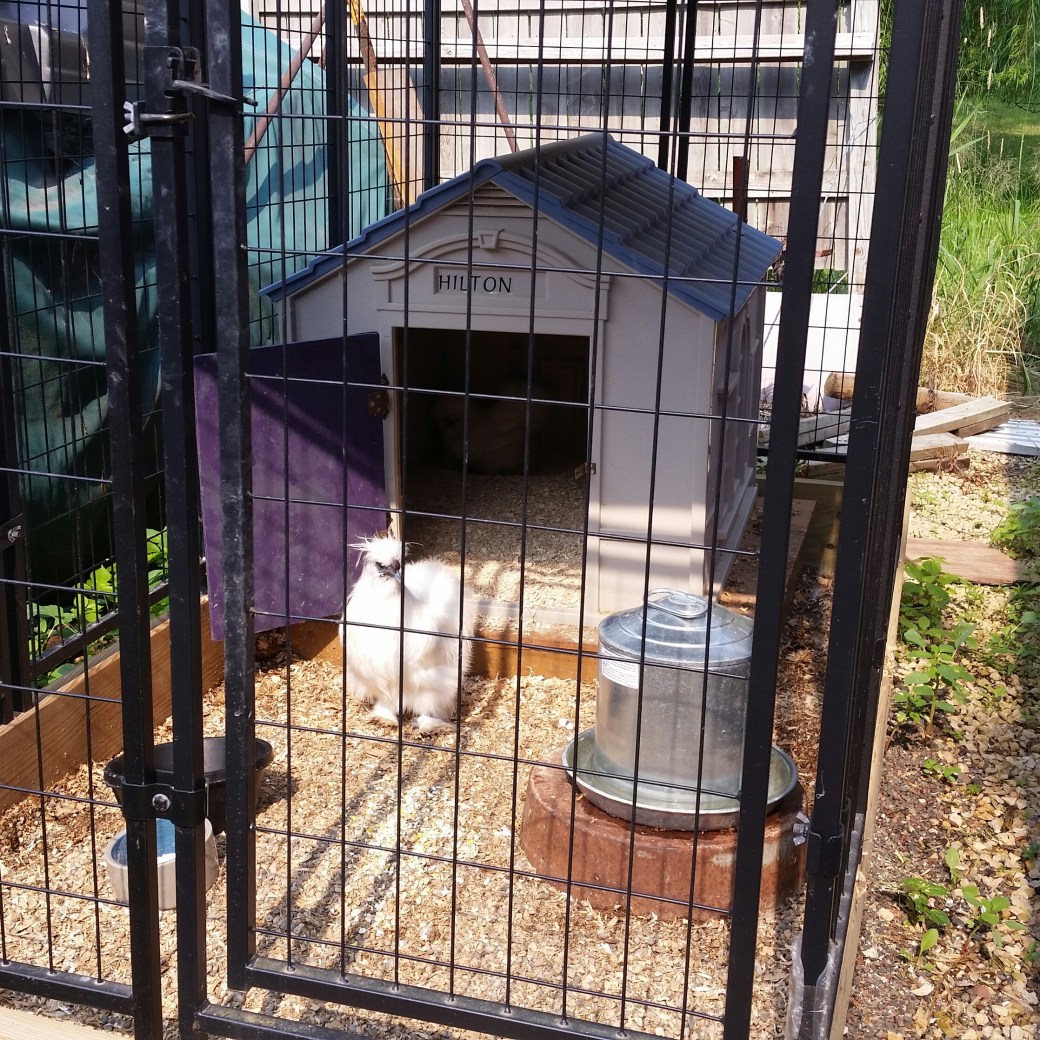
When it comes to odor, moisture and water are not your friend. Clean up spills as soon as they happen. Keep the food and the water away from each other. Wet food can smell very bad and will start to spoil. Use a Fountain style waterer instead of a bowl. I place mine on top of a galvanized pan to keep it higher than the bedding. Make sure that the waterer is level and not dripping onto the bedding. Change bedding if it becomes wet. Fill your waterers outside of the coop and then bring them in. Also, make sure that there are no drips coming from the ceiling causing wet bedding when it rains.
Open up windows and doors whenever possible. A well ventilated coop will let in fresh air and let out the bad air that has accumulated. A box fan in the window is wonderful for dying out the moisture and keeping flies away. If you still smell a strong ammonia smell, it is time to clean the coop
For tips and tricks for raising outstanding silkies check out our Chicken Learning Center at VJPPoultry.com . VJP Poultry is an NPIP and state inspected hatchery located 30 miles north of St. Paul. We hatch out silkies all year long so we always have stock available. Like us on Facebook to get weekly updates on what we currently have for sale.
Victoria J. Peterson

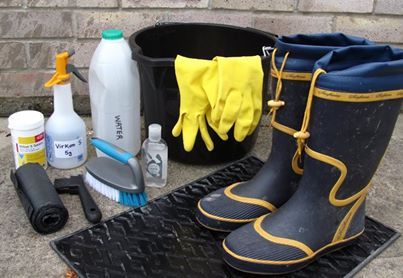 Everyone wants their chickens to be healthy, but are you truly giving them the best protection possible? There are some very lethal poultry diseases out there and you may, without even knowing it, be bringing those pathogens into your backyard. It is important to think about setting up some kind of defense between disease and your birds.
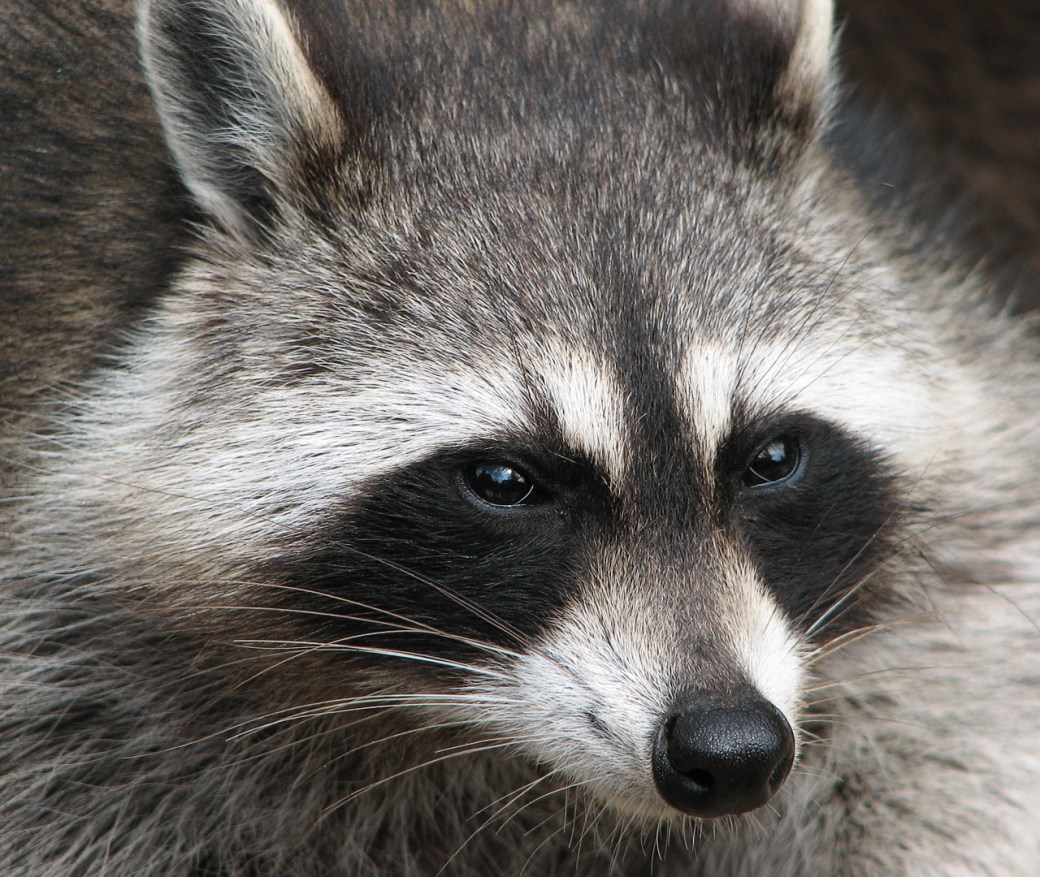 Raccoons are one of silkie chicken’s biggest predators. Raccoons can climb walls and over fencing. They can reach their hands through wire mesh that their bodies can’t get through to grab their prey. In the United States, raccoons are the most common predators of chickens. They are intelligent foes. They will remember your chicken coop and come again and again to prey upon your chickens. But, if you have a raccoon proof coop they will go elsewhere to find easier food.

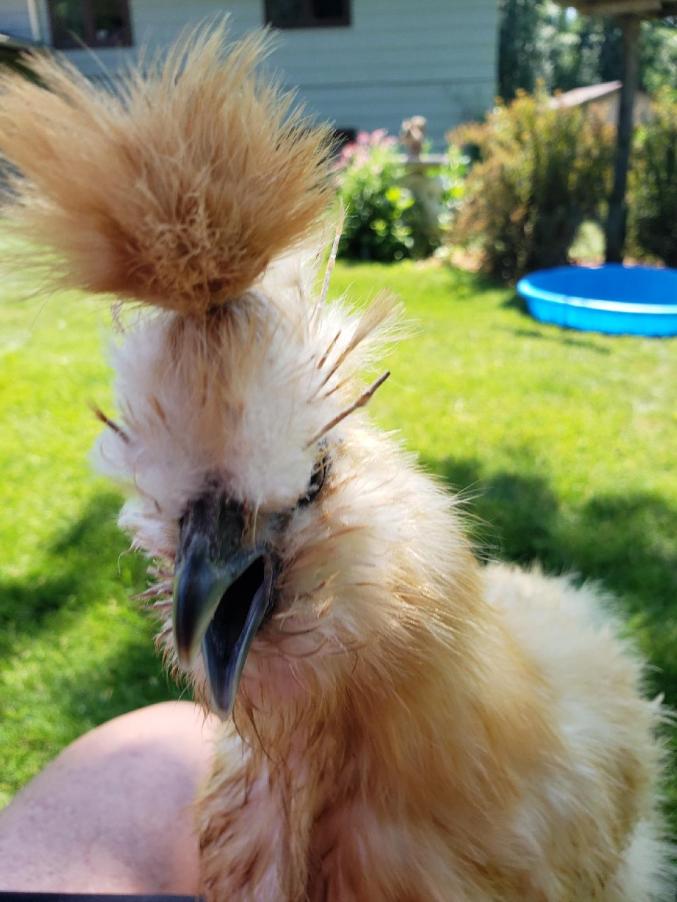 The hot days of summer usually signal a lowering of egg production in your hens and lowered fertility in your roosters, but it can also cause heat stress or heat stroke in chickens which can lead to sudden death when a heat wave comes on. It is important to be prepared ahead of time and to know ways and methods in which to quickly cool down your flock.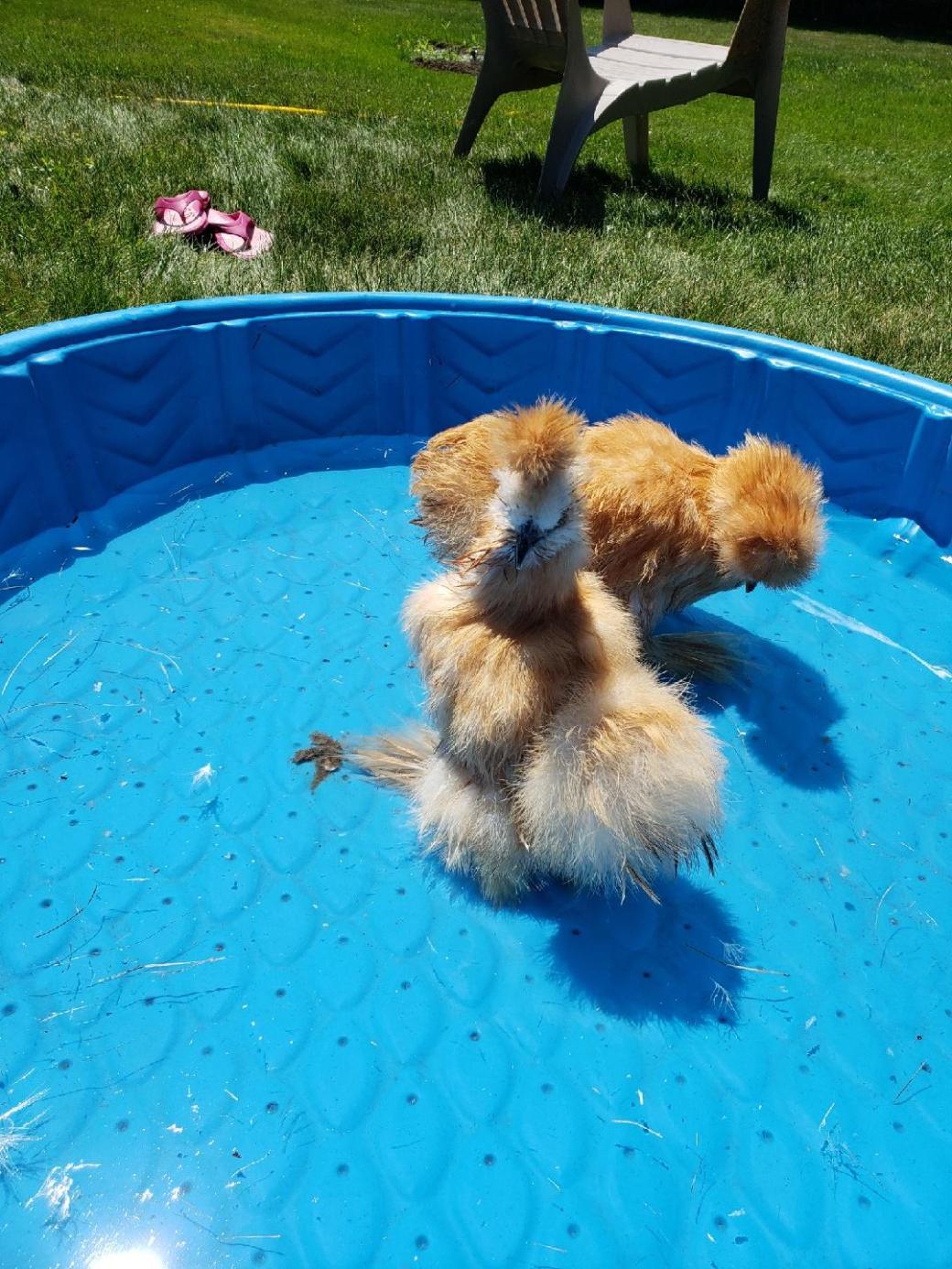
 What can you do with your extra roosters? Almost every flock owner that keeps roosters is faced with this dilemma. There are rooster rescues, craigslist ads or even the stew pot, but not all of these solutions work for all people. Maybe a rooster bachelor pad or Roo frat house is a solution for you.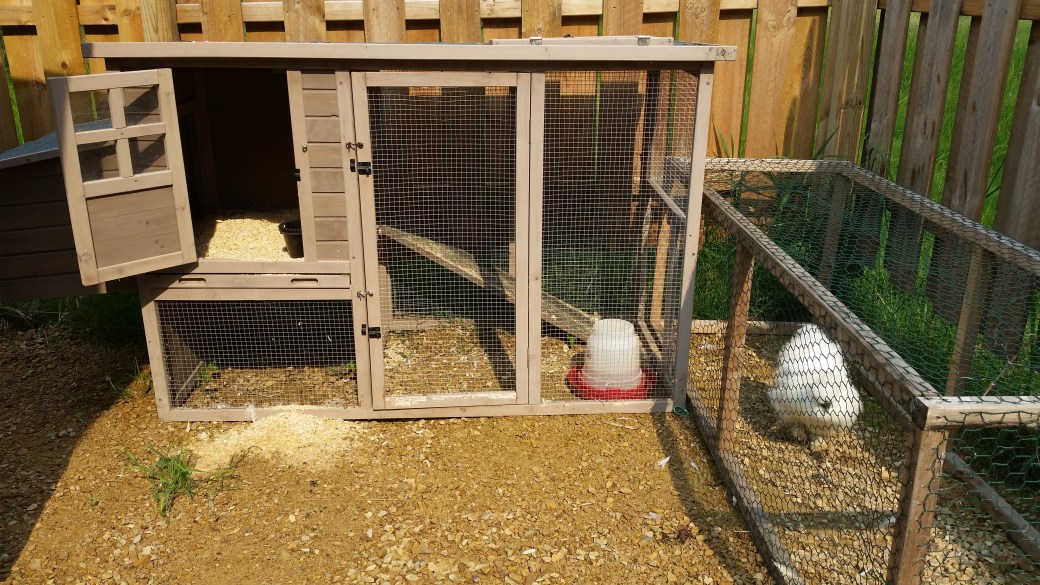
 VJP Poultry