Tag: chicken blog
How We Quarantine Silkies at Rooster Camp and Rooster Hilton
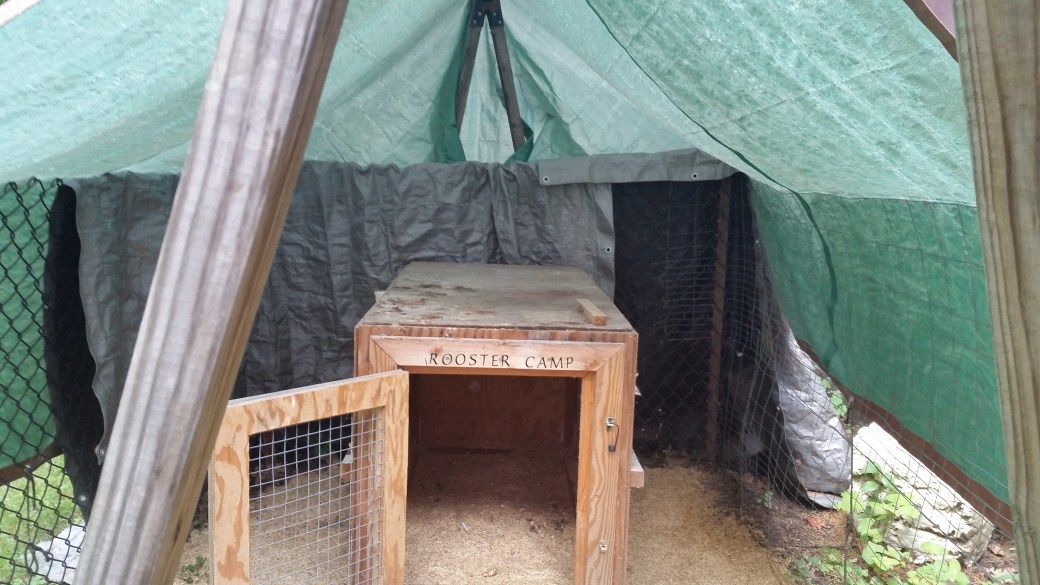 At VJP Poutry we are never idle. We are always trying to improve how we do things for the good of our flock. Some of you have seen our Rooster Camp if you have ever returned a rooster. Now we have a second rooster containment area we call the Rooster Hilton.
It is important to have a separate quarantine area for new birds. Failure to quarantine new flock members can result in death to an entire flock.
To Quarantine means to completely isolate newly acquired birds from an existing flock for a significant period of time. During this time they are watched for signs of diseases and parasites.
A chicken may look healthy while hiding illness. Quarantine lets you watch without exposing the rest of the flock to health dangers. Moving chickens from one home to another is a major stressor , which can cause latent diseases to become active. This leads to a health threat for the rest of your flock. The bare minimum quarantine time is two weeks but 30 – 60 days is preferred by professionals
Once the quarantine period is over and they still appear healthy, they can be integrated gradually into an existing flock. Use Quarantine whenever you need to have a separate space for someone.
Our Rooster Camp almost looks like a campground for chickens. There is green grass to walk in and tarps to keep the rain off the birds. There is a large, homemade, wooden dog house into which the roosters go at night. The dog house is very secure and can keep predators at bay. Its a nice, clean place for roosters to stay and relax.
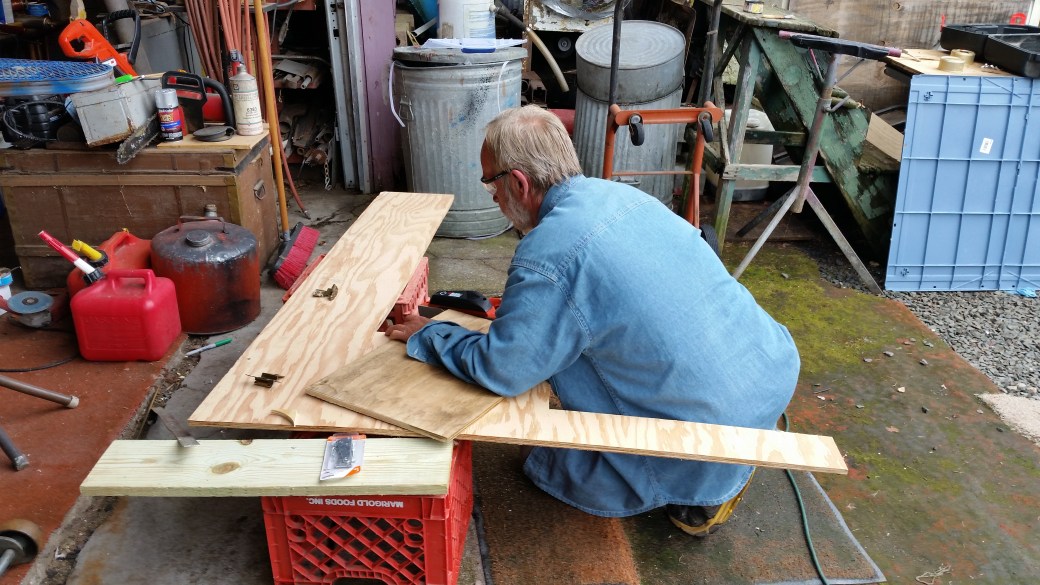
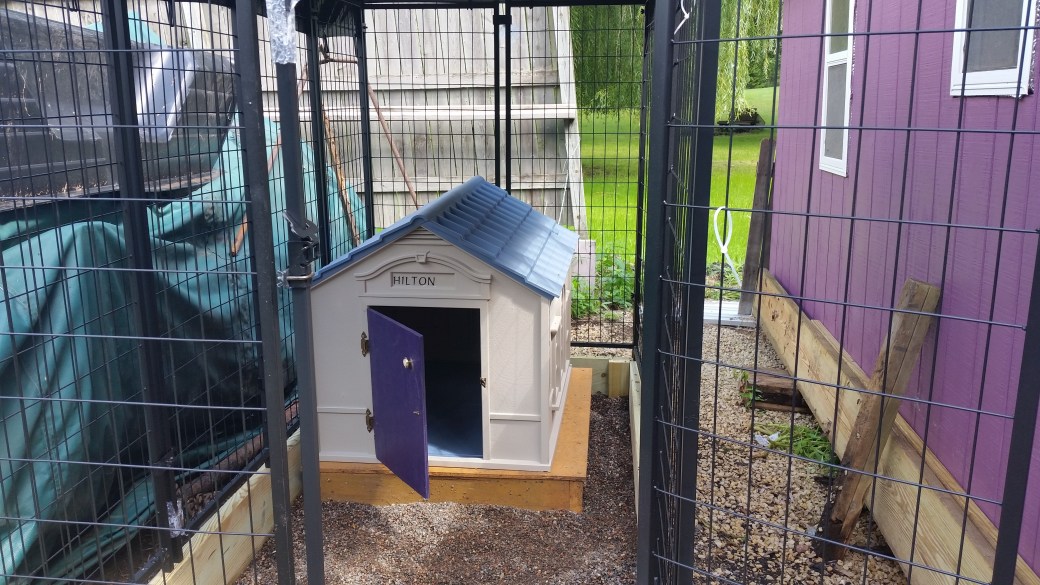 The new project is the Rooster Hilton. We needed a second place that was better at muffling the sounds of crowing. It is located back behind the rooster fence, next to the coops. The fencing was purchased from Amazon. We placed pea rock on the ground and built a wooden base on which to place the dog house. We had to create and install our own secure door as the dog house only came with plastic flaps.
Rooster Camp and Rooster Hilton will be used to house returned rooster and possibly an extra area if we need to separate chickens from the rest of the flock. I always feel like I never have enough room to do all the projects I’d like to do. This won’t be the last addition we make a VJP Poultry.
For tips and tricks for raising outstanding silkies check out our Chicken Learning Center at VJPPoultry.com . VJP Poultry is an NPIP and state inspected hatchery located 30 miles north of St. Paul. We hatch out silkies all year long so we always have stock available. Like us on Facebook to get weekly updates on what we currently have for sale.
Victoria J. Peterson
Silkies For Sale – 8/13/17
How To Give Your Silkie a Bath
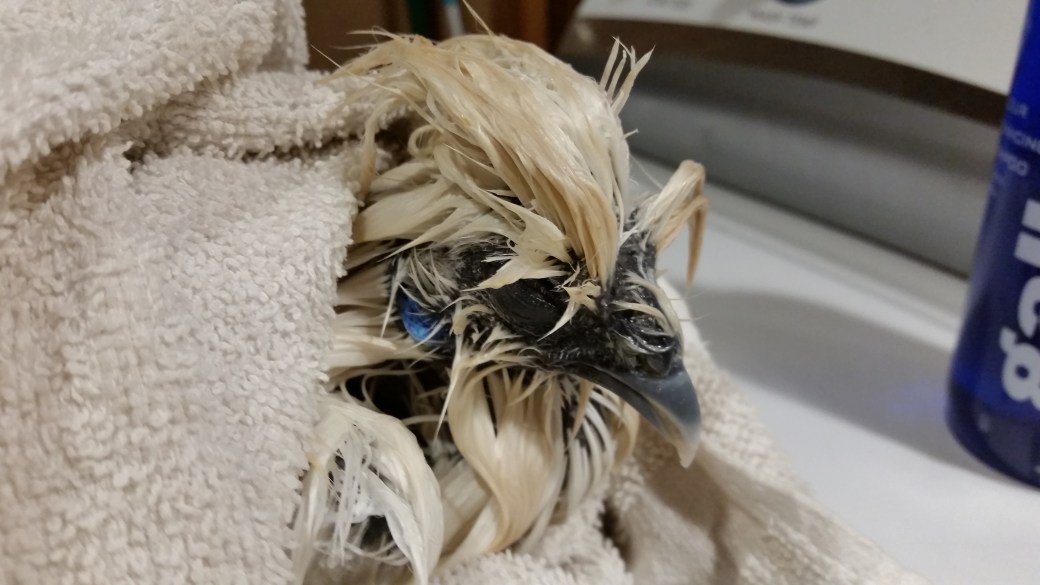 There will come a time when you may need to give your little silkie a bath. Maybe she has been playing in the mud or maybe you have plans for showing her. Either way, giving a silkie a bath is a very easy thing to do.
First of all, gather all of the supplies you will need ahead of time so you won’t be searching for them while your bird is in the water. You will need some kind of shampoo and some white vinegar to use as part of a rinse. You will need towels and a bucket for the final rinse. A blow dryer should be handy too.
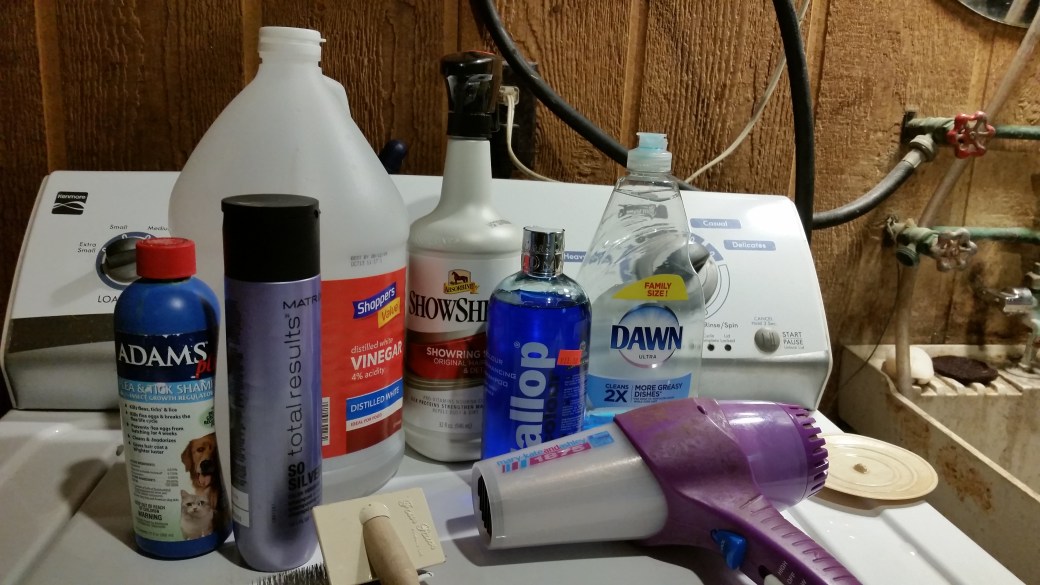 You have a couple of choices as to where to give the bath. A sink works well especially if you have a water sprayer attached. A bath tub can work too. I have used several buckets in a bath tub and then just moved the bird from bucket to bucket.
Start by soaking the bird in warm water. The water should not be too cool or too warm. Keep the water shallow enough so that her head won’t go under the water line. Water should never go into the chicken’s nostrils. Always keep one hand on your bird.
When the bird is soaked with water, you can start shampooing. Any shampoo will work. I like a dog flea and tick shampoo to start with. You might use a little blue Dawn dish soap on heavily soiled areas if your silkie is white. A bluing shampoo works well with white birds. Make sure that the bird is thoroughly wet before shampooing or the feathers will end up purple from the bluing.
Next you will want to rinse all of the shampoo off with the sprayer or by rinsing in a separate bucket. Lastly, dip her in clean water that has had some vinegar splashed into it. The vinegar cuts the soap film on the feathers.
You will want to quickly wrap your dripping bird up into a towel. Try to absorb as much water as possible with the towel. It is easy for the bird to become chilled at this point so keep her wrapped up and warm.
The blow dryer should be plugged in and ready to go. Make sure that you use it on the “low” setting. Too high of heat will burn your silkie. I start blow drying the crest while she is still wrapped up in the towel. Slowly unwrap the towel and continue blow drying the whole body.
Blow drying takes a long time. You can take short breaks and comb out the feathers with a slicker brush. It is important that she is dry when you return her to her group. If the weather is cool, she can become chilled. Never bath a silkie right before they go to sleep. They will still be damp under their wings which can lead to them being chilled.
They may not like it the first time you bath them, but the more you wash them, the more they get used to it. After a few times they will begin to behave and enjoy it. Do silkies need to be bathed? No, they do a nice job of grooming themselves. You will, however , be amazed at how fluffy and soft they become after their bath. Good luck with bathing your silkies!
For tips and tricks for raising outstanding silkies check out our Chicken Learning Center at VJPPoultry.com . VJP Poultry is an NPIP and state inspected hatchery located 30 miles north of St. Paul. We hatch out silkies all year long so we always have stock available. Like us on Facebook to get weekly updates on what we currently have for sale.
Victoria J. Peterson
 VJP Poultry