How to Practice Biosecurity in Your Own Backyard Silkie Flock

7a31a8c5e329aa4f6b0d5ac6083b2c62Everyone wants their chickens to be healthy, but are you truly giving them the best protection possible?  There are some very lethal poultry diseases out there and you may, without even knowing it, be bringing those pathogens into your backyard. It is important to think about setting up some kind of defense between disease and your birds.

When we use the term “Biosecurity” we are talking about a system of methods that, used correctly, will help to protect your birds from the unseen viruses and bacteria that are looking for a new home. We don’t want that new home to be your chicken coop.

There are many contagious diseases out there that can effect your flock.  There has been an outbreak of Virulent Newcastle Disease is southern California this summer.  This particular outbreak is effecting small backyard flocks and not the large commercial poultry houses like we saw with the Avian Flu a few years back. The Newcastle outbreak highlights the need for year round poultry biosecurity.  If biosecurity is not practiced it would be very easy for Newcastle disease to make its way across the United States infecting birds as it hitches a ride on the tires of a truck or on the bottom of someone’s shoe.

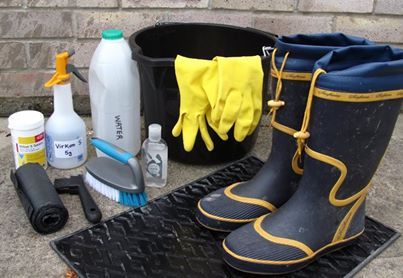
The first thing that you can do is to keep things clean in your own backyard.  Something as simple as washing your hands or using hand sanitizer  before entering or exiting your bird area can be effective. Change food and water daily in your pen.  Clean and disinfect cages, tools or other equipment that comes in contact with your birds or their droppings. There are several good disinfecting products.  I use Oxivir on everything. Other good products include Oxine and Virkon S.  Cleaning and disinfecting are important steps to keep your bird’s environment healthy.  Disinfectants only work effectively when you first clean all dirt,  manure, and bird droppings from your tools, cages, boots and equipment. Clean these things outside of your house to keep germs outside.

Have a separate set of clothes and shoes that you wear only in your poultry area. I have a pair of slogger boots that I only wear when I am doing chicken chores. They slip on and off easily and can be cleaned daily with a garden hose.  I do not go down to the chicken coop unless I am wearing those boots. I have a set of snowmobile boots that I use in the winter for chicken chores. When I go into the house I change into my house shoes.  Those shoes I will wear in the brooder room and the incubation area.  I wear an apron in the brooder room that is washable.  Outside in the adult chicken area I have a coat that I only wear when doing chicken chores. It is washable as well. I also wear gloves that are easily washed as well.   It is important to me to keep the adult chicken germs away from the baby chick area and the rest of the house.  Wash and disinfect shoes and clothes often.

It is important to keep other people and other birds away from your flock as much as possible. That includes birds you just bought and wild birds. Both could carry disease to your chickens.  Restrict access to your property and your birds.  Avoid visiting farms or other households with poultry.  At your own place, do not let visitors near your birds at all if they have their own birds. It is sad to have to say this, but you need to protect your flock.  If you can’t avoid contact with others then make sure that you disinfect your shoes and clothes before being with your birds again.  This is why you need separate boots and coats that you only use with your chickens.  Don’t use other people poultry equipment without disinfecting it first.

If you like to exhibit birds at poultry shows, make sure that you quarantine birds for at least two weeks after the event. Wear different shoes and clothing when at the show or fair and disinfect when you return home. Disinfect cages that were used for transport.

Be sure to buy birds from a reputable source. Check and see what kind of biosecurity they practice.   Someone who is an NPIP breeder has their flock pullorum tested every year and can only buy from others who are NPIP.  A state inspected hatchery has a state vet come out and inspect the premises every year and discusses biosecurity standards with them.  Whoever you do buy from make sure that you keep new birds quarantined for at least 30 days.

Don’t let wild birds have contact with your flock.  If your birds are outside, consider keeping them in a screened area. Do not let wild birds eat food in your chicken run. This will also help keep insects and rodents away.  Hang fly strips or fly traps in the coop. Flies can transmit disease on the bottom of their feet. Put out mouse traps and clean up spilled feed to keep your area rodent free.

Change is always hard especially if you are used to doing things in a certain way. Just pick one suggestion and start with that. Once it becomes a habit, choose another biosecurity measure to implement.  You will feel better knowing that you are keeping your flock safe and healthy.


For tips and tricks for raising outstanding silkies check out our Chicken Learning Center at VJPPoultry.com .  VJP Poultry is an NPIP and state inspected hatchery located 30 miles north of St. Paul.  We hatch out silkies all year long so we always have stock available.  Like us on Facebook to get weekly updates on what we currently have for sale.

Victoria J. Peterson
cute Chicken cartoon character with stop sign


Keeping Silkie Chickens Safe From Raccoons

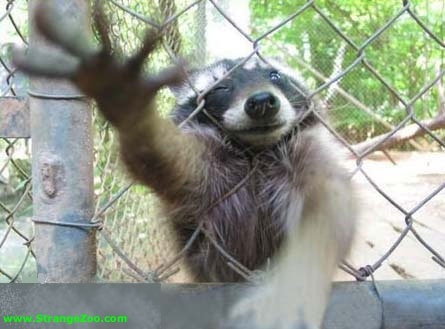
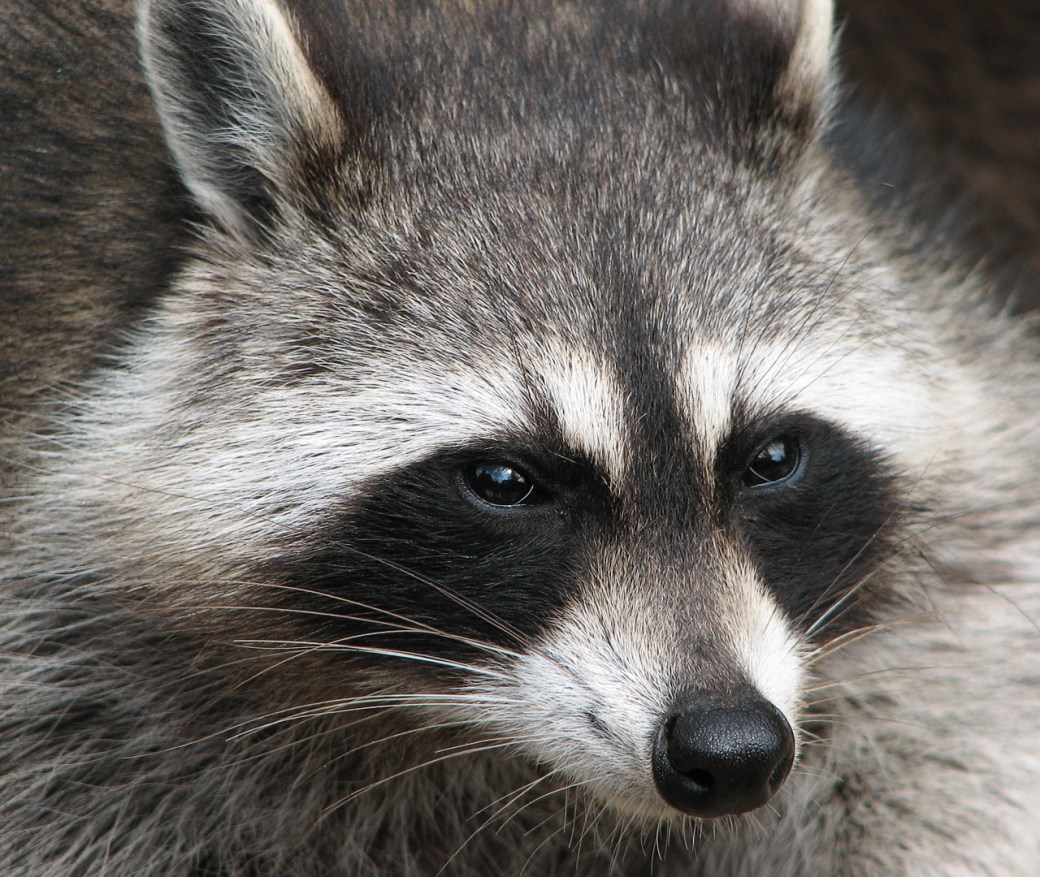
Raccoon_(Procyon_lotor)_2Raccoons are one of silkie chicken’s biggest predators.  Raccoons can climb walls and over fencing. They can reach their hands through wire mesh that their bodies can’t get through to grab their prey.  In the United States, raccoons are the most common predators of chickens.  They are intelligent foes. They will remember your chicken coop and come again and again to prey upon your chickens.  But, if you have a raccoon proof coop they will go elsewhere to find easier food.

Raccoons are mainly nocturnal.  Make sure to always lock up your birds at night. If you see a raccoon during the daytime it may be sick or even have rabies. Stay clear of any raccoon you see in the daylight.

1516665071064535880345

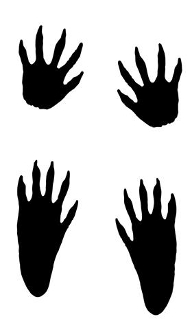
The first sign of a raccoon in your area is if you see foot prints in the mud around your coop.  Raccoon tracks are very distinctive with five toes on both the front and back paws.  You might also notice its scat or poo nearby.


A single raccoon can devastate your flock of chickens in a short period of time. He will both kill your birds and eat their eggs.  A raccoon typically attacks birds by biting the head or upper neck area. The heads of adult birds are bitten off and then left some distance from the body. The crop and breast may be torn and chewed and entrails eaten.

Raccoons have been known to mutilate poultry in cages by pulling their heads off.  Raccoons like to put their fingers through holes and pull the chicken through or pull out parts of the bird that they can reach. Several kills will  be made in one night. Dead birds may be found at the site or dragged off.  Young chickens that still sleep on the ground at night are a prime target for raccoons.  Silkies are at a disadvantage because they can’t fly up into the rafters to escape.  They sleep on the ground and are easy prey.

It is important to make sure that your coop and run are predator proof. Raccoons can both climb and dig. Placing paving slabs or burying wire mesh around the perimeter of the run will help to deter them. Use hardware cloth that is 1/4 or 1/2 inch. Hardware cloth should be fitted over coop windows. Use large washers and screws to fit hardware cloth to window frames as raccoons can rip staples out.  They will bend or pry any screen mesh in order to make a hole to get through. Keep your chickens inside the coop at night. Do not allow them to run loose after dark.

Raccoons have great manual dexterity and can open complex latches. Make sure that your closures have at least two steps or use padlocks. Make sure that your coop and run have a roof on them and check for any little holes that would allow for entry.  They will pry or dig in order to make the hole larger.

Don’t attract raccoons to your yard or coop.  Don’t leave pet food out or bird seed under your feeders. Both are favorites of raccoons. In periods of dry weather, raccoons will also be attracted by any sources of water in your yard.  That includes waterers in your run.  Keep all food out of your run and coops at night. The smell will attract the raccoons.  Keep animal proof lids on your trash cans.  Pick up any fruit that has fallen from fruit trees.  Raccoons love fruit and will make your yard a nightly stop when they start to fall.  Raccoons remember where they found food before and will keep coming back until it is gone.

There are many products out there that can help to deter raccoons.  Nite guard solar lights can help to protect a chicken coop.  Mount at eye level, about 10-15 inches from the ground.  Mount four lights, one on each side of the coop. The flashing lights will spook the raccoons into thinking that they are eyes of other animals.

Motion activated sprinklers such as Orbit or Hoont can repel predators by surprising them with a water spray.   Use at night in an area where it will protect your coop.

Raccoons hate strong odors.  Set out shallow dishes containing sponges soaked in ammonia. Sprinkle the lawn with cayenne pepper or use dog or cat repellents around the perimeter of your yard.  Taste or odor repellents such as Ropel can turn away raccoons.

Raccoons do not like loud noises.  animal Bird X repellent uses ultrasonic sound with a motion sensor. Vigilant chicken owners often install baby monitors or even security cameras in their chicken coops.  If you hear a clamor, run to the chicken coop as fast as you can making loud noises to scare the raccoons away.

You may want to use a live trap to remove your raccoon.  Bait the trap with canned cat food, sweet corn or raccoon bait.  Place the bait as far back into the trap as possible as raccoons seem to know how to take the bait without springing the trap.  If you plan on relocating the raccoon make sure that you travel at least 10 miles away or they will find their way back to your coop.  Check your states laws. Some states do not allow relocation of trapped raccoons.  Use heavy gloves when letting the raccoon out of the trap.  Be extremely careful as you are opening the door. They have a nasty bite.

Raccoons will live in any enclosed area such as a tree hole, a garage or attic or even culverts.  They have become urban dwellers as they have access to both food and shelter where man resides.  Chicken is one of their favorite prey which is why backyard flock owners must be ever vigilant.

For tips and tricks for raising outstanding silkies check out our Chicken Learning Center at VJPPoultry.com .  VJP Poultry is an NPIP and state inspected hatchery located 30 miles north of St. Paul.  We hatch out silkies all year long so we always have stock available.  Like us on Facebook to get weekly updates on what we currently have for sale.

Victoria J. Peterson
main-qimg-2a472a1792ff8f5f67941823cf95337c-c


Bachelor Pads for the Silkie Rooster

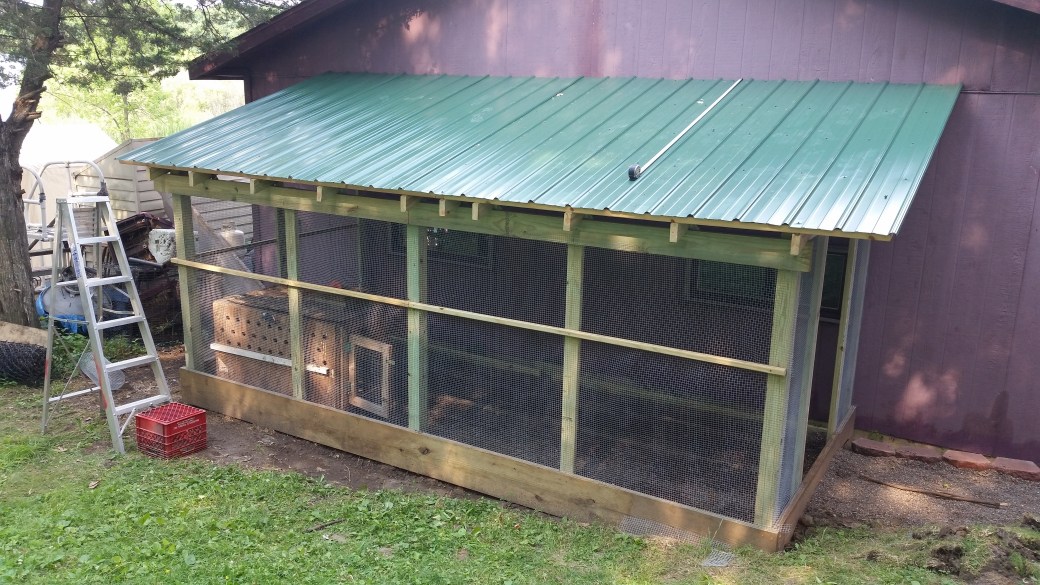
20180627_154829What can you do with your extra roosters?  Almost every flock owner that keeps roosters is faced with this dilemma.  There are rooster rescues,  craigslist ads or even the stew pot,  but not all of these solutions work for all people. Maybe a rooster bachelor pad or Roo frat house is a solution for you.
Bantam breeds are very difficult to sex.  Silkies may be at the top of that list.  Silkies are usually sexed at around 3 to 4 months old.  Bantams and silkies are sold “straight run” which means that you are buying the chicks unsexed.  Fertile chicken eggs have a 50/50 chance of being roosters.  Consequently, many people end up with more rooters than they bargained for.

If you and your family have raised a group of baby chicks up from day olds, you will no doubt have become very attached to every single member of your flock.  It will bring a tear to your children’s eyes if you contemplate selling or giving away your little guys to someone  who may be planning a chicken dinner or even worse, such as using them for cock fighting or as bait birds.

The problem with extra roosters is that the many people who end up keeping all of them and not removing them from their flock assume that the boys can just continue to be part of their little group and that nothing will change.  Well, puberty happens and the male hormones start to kick in and the sweet little boys that you cuddled will suddenly have other things on their minds.

The optimal ratio for roosters to hens is around one rooster for every ten hens.  In a pen where just one rooster rules the roost, the flock is content and happily free from stress.  If you invite several “extra” roosters to join them you are opening up your flock to what could be a disaster.

Normal rooster behavior is to defend his flock of hens from all predators and other males. He will give his life to protect his girls.  When you add more males into the pen it will create fights and anxiety.  This disruption of constant fighting will cause the hens in that pen to stop laying as a stressful environment is not conducive to raising a family.

Multiple roosters mating with too few hens will cause the feathers on your hen’s back and crest to be pulled out and damaged.  Hen aprons can be a solution if you are experiencing this problem.   You may also find that the roosters will turn on you as well, as all are fighting for a place of dominance in the pecking order.

Creating a bachelor colony or frat house is a solution. All extra males would be housed together in a separate pen away from the rest of the flock.  Ideally, you want it to be somewhere where they cannot see or hear any hens.  If they know that hens are nearby they will continue to fight each other for them.

First of all, your rooster run will need to be adequately sized so that they do not feel overcrowded.  Even with no hens around, the males will still feel territorial and need plenty of space.  Multiple feeders and waterers are important.  Roosters that are higher up on the dominance scale may try and prevent lower roosters from eating and drinking.

Trim or remove all rooster’s spurs in order to protect pen mates from damage during any squabbles.  Use a diagonal wire cutter to trim off as much as you can.  Keep nails trimmed with a nail clipper  and trim around their eyes with blunt scissors so they aren’t surprised by anything.

Studies have shown that in the wild, roosters will willingly spend time together in a flock away from the hens so penning them separately is not entirely unusual for them.  Watch for signs of anxiety .  I have found that all will be getting along fine and then suddenly all are fighting.  This is when I generally let them out to free range.  Putting space between them generally settles them down. Some people permanently let their roosters free range and simply keep the hens locked in their own run.

Some people will rotate roosters into other pens so that all roosters get to spend some time with hens.  Remember that all chickens hate change.  This will be reflected in a drop in egg production as they get used to having a new rooster.

Sometimes it is easier to have a separate cockerel pen with no hens in sight or ear shot. Once birds reach maturity individual pens are sometimes best.  Then you only move the roosters for breeding .  This gives you total control of your flock or breeding program.  When they are not breeding, the roosters are in their quarters which gives the hens a break.  Many roosters will be friendly and docile when you are the only one having contact with them.  Pick the roosters up frequently and carry them around .  They love to have their chests and wattles stroked.  If a rooster is too excited, hold him until his heart rate goes down before putting him back on the ground.  When roosters are trained and treated well, they can make excellent companions.

20180703_164353

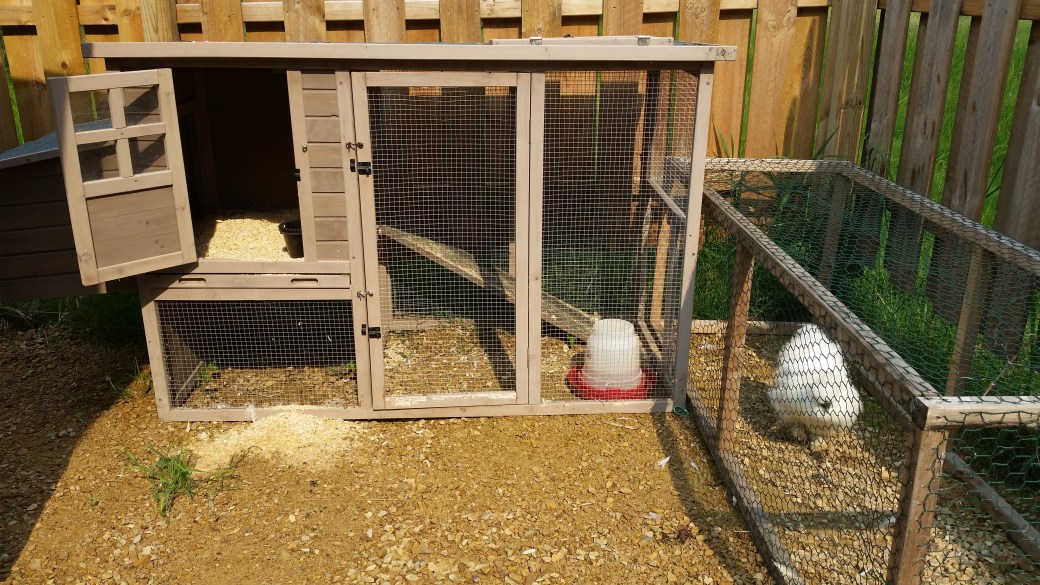
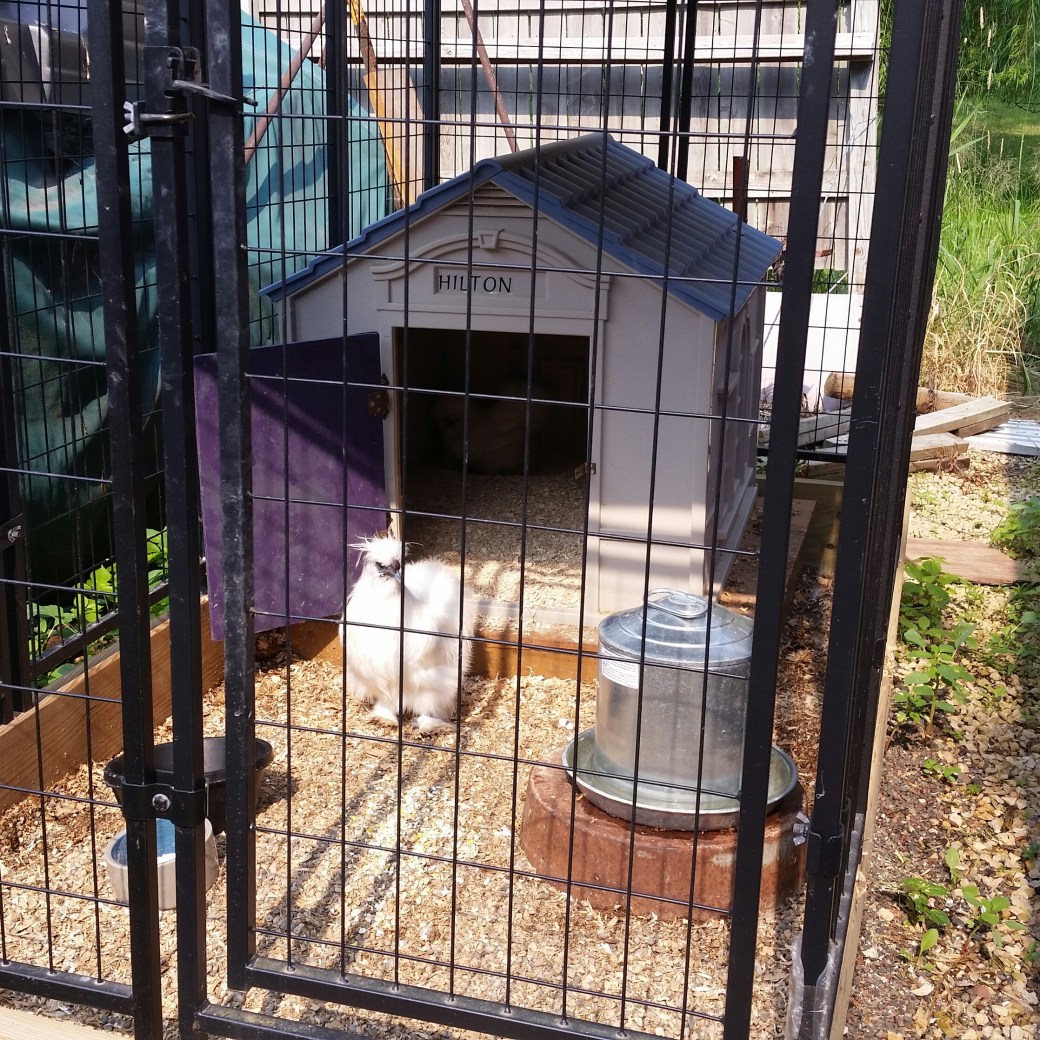
Keeping your roosters in individual pens also controls their environment. You will be able to evaluate your breeders more accurately and be able to make improvements to the quality of your birds.  You can use small coops like the one in the above picture, or even a dog house with fencing like the picture below.  A nice plastic snaplock coop is easy to clean and take care of.  Chicken tractors are always good choices for male colonies as they can be moved around far from the girls.  At the end of this article you can see the bachelor pad we recently built.  I like to have an heir and a spare when it comes to roosters and we built this one on the side of the garage away from the rest of the flock. They are not able to see or hear hens from this spot.

20180703_164531-1

For tips and tricks for raising outstanding silkies check out our Chicken Learning Center at VJPPoultry.com .  VJP Poultry is an NPIP and state inspected hatchery located 30 miles north of St. Paul.  We hatch out silkies all year long so we always have stock available.  Like us on Facebook to get weekly updates on what we currently have for sale.

Victoria J. Peterson

20180703_164137


How to Perform a DNA test on your Silkie Chick and Determine its Sex.

20180613_103403-1Silkie chicks are known to be very difficult to sex at a young age.  An Avian DNA sex test is a scientific way to determine the gender of your baby chick before you become too emotionally attached to it knowing that if it is a rooster you will not be able to keep it depending on where you live.
Many people live in cities and towns with ordinances that prohibit roosters.  Their crowing makes them unpopular with city officials. It would be wonderful to know the sex of your silkie chicks within the first week of life.  You could, of course, wait until it crows or lays an egg but with silkie chicks that can take many months.

Many people try and sex silkie chicks based on feather sexing, appearance or behavior.  None of these methods are always reliable.  Feather sexing is something genetically bred into a breed of chicken.  It has to do with the length of wing feathers. Not all chicken breeds can be feather sexed. However, some believe that early feathering of the wings and tail are an indication of a female.  Because silkie’s feathers are fluffy and not hooked together, it makes this kind of feather sexing especially difficult.

Luckily, determining the sex of your chick through DNA sexing is highly accurate.  They claim that the reliability of the laboratory protocol is 99.9%.  Many companies offer this type of DNA test and a quick online search can provide you with some reputable companies.

The first company I looked at was PollyGene through Amazon. They specialize in parrots and other home birds that can be very difficult to sex. Many of these birds are very expensive so it makes sense to spend the money in order to find out the gender. I did not see chickens listed so I wrote a question to them about whether or not they could sex baby chicks. The answer that came back  was no, which kind of surprised me. I went on to look at some other companies.  IQ Bird Testing specifically states that they do silkie chick sexing. They charge $11.99 per bird and you get the results back in about a week and a half.  I also had a customer who tested five newborn silkie chicks that she had purchased  from us and had very good things to say about the IQ Bird Testing company.

DNA bird gender determination can be performed with blood samples, feather samples and eggshell samples.  Laboratory analysis will test for the Z chromosome or W chromosome in birds to determine their sex.  Males will have only Z chromosomes and females will have ZW chromosome pairs.  It is the females, not the males who determine the sex of the embryo.

The collection of samples is very easy to do. After placing an order with a company online, they will send you a downloadable and printable Sample Form.  Print out the form as you will need it when you are collecting samples.  An incorrect collection of samples may cause delay in your bird’s results or even affect the outcome due to sample DNA cross- contamination. Always be very careful in following directions exactly.

Before beginning blood collection, wash your hands thoroughly.  Use a pair of clean nail clippers sanitized with alcohol.  Clip the tip of any toe nail approximately 2/3 of the distance from the root of the nail. Blood will flow from the nail.  Place the circle of the  submission form underneath it until it absorbs a few drops.  Do not touch the blood at any time as this can contaminate your sample.  Allow the blood to dry completely before folding the submission form.  Check that your bird is not bleeding anymore and apply an anticoagulant onto the area.  The blood sample has a higher chance of finding good quality DNA than feathers or eggshell.

For feather collecting, you want to move aside the surface feathers from the lower chest area and find the smaller ones that are underneath.  Pluck at least five of these smaller feathers making sure that they come with a visible quill. You could use tweezers to do the plucking.  If the quill comes with some blood, allow the feathers to air dry for one hour.   Never touch the quills of the feathers with your hands.    Never pluck the wings.  Any feathers that are molted or shed naturally can not be used for DNA testing.  Tape the feathers onto the submission form and make sure the tape does not reach the quills.

The last way is to use eggshells.  After the chick has hatched from the egg, place the shell sideways and allow the inner membrane to dry a minimum of 24 hours.  Do not touch the inside of the eggshell.  Make sure that you have the right eggshell.  Use the one the chick actually hatched from.  Once it dries, place the entire eggshell into a plastic bag.  Pierce the bag with a needle several times to allow air flow through the bag.

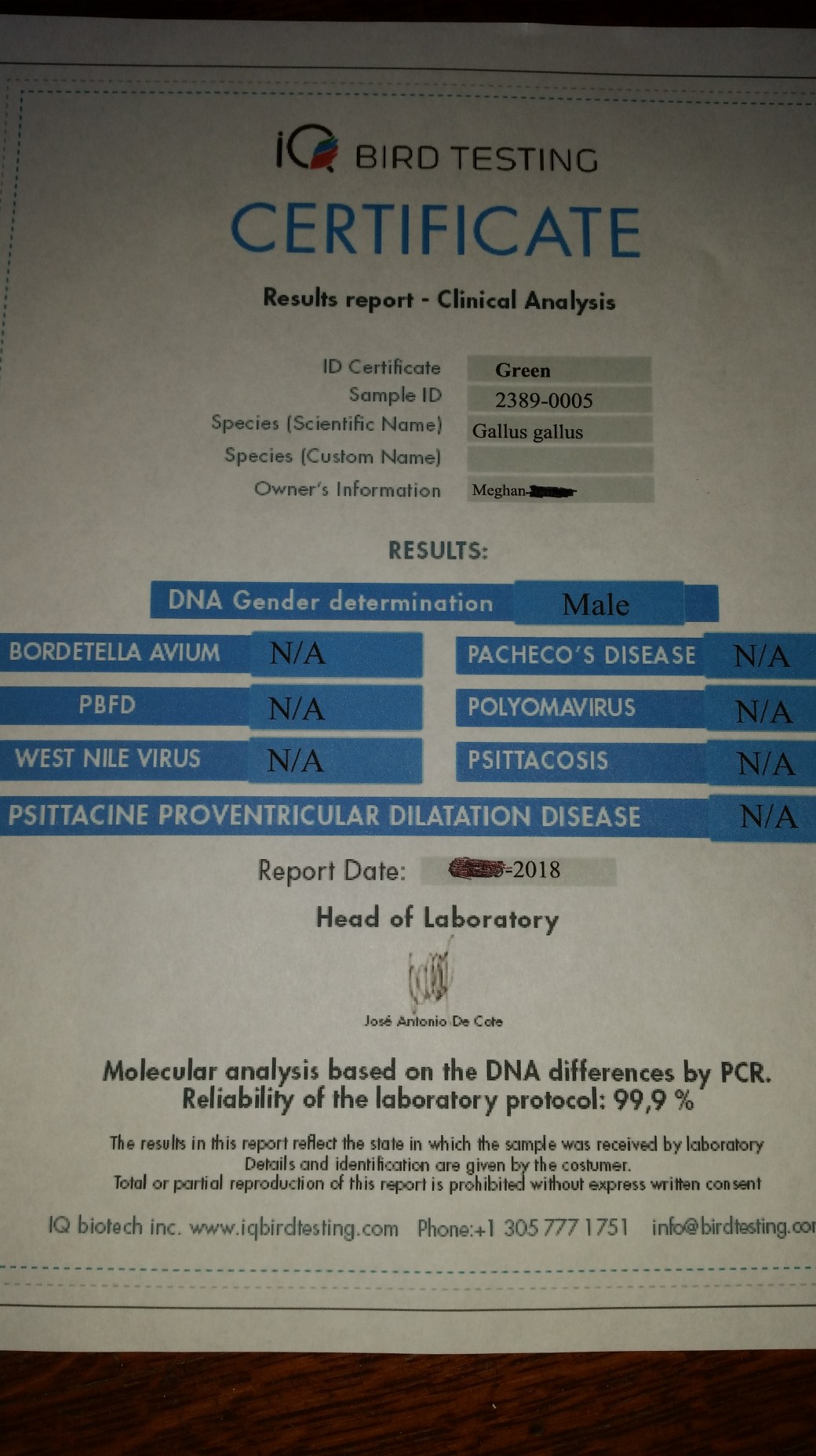
Lastly, mail your form with the sample collections to the company.  They will ask you the species name which in the case of chickens would be Gallus Gallus.  If you are doing several different birds you will need a way to identify each bird.  Colored rubber bands that are quite small work well with tiny chicks. Place a different color on the leg of each chick and then use that color for identification on your form.

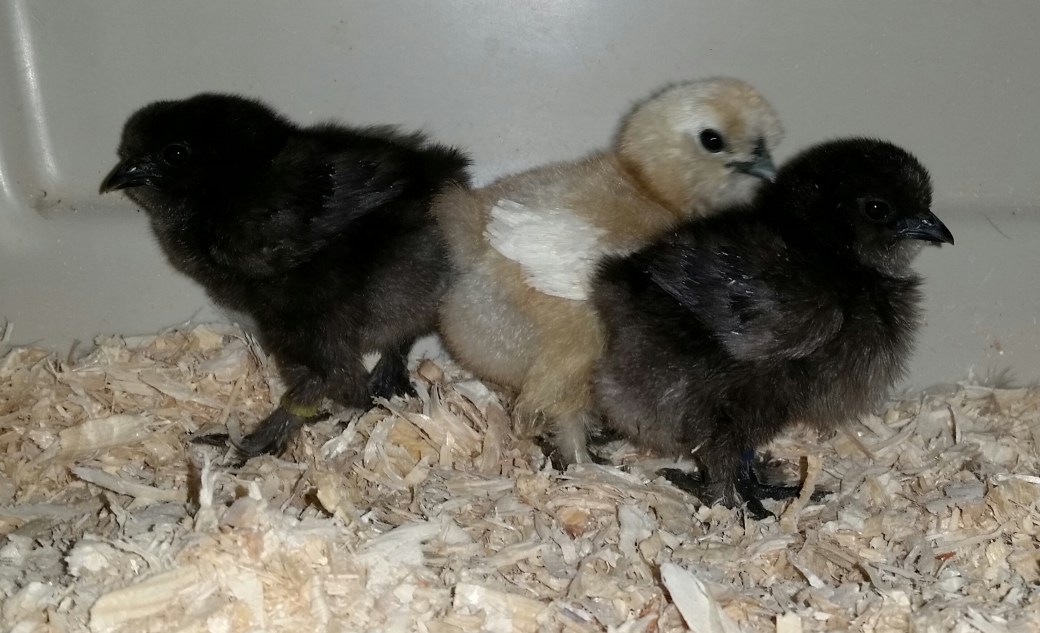
In a week or so the company will send its results back to you.  There will be a separate certificate for each bird tested.  They will let you know if it is male or female.  Of the five birds that my customer tested, three came back male and two came back female.  Since the male/female ratio for chickens is 50/50 this is pretty typical.  The picture at the top shows the three chicks that came back as male.  Would you be able to tell that just by looking at them?  I recommend DNA testing for people that can’t stand the heart break of parting with one of their pets. If you do the testing early, it is worth the cost in the long run.

For tips and tricks for raising outstanding silkies check out our Chicken Learning Center at VJPPoultry.com .  VJP Poultry is an NPIP and state inspected hatchery located 30 miles north of St. Paul.  We hatch out silkies all year long so we always have stock available.  Like us on Facebook to get weekly updates on what we currently have for sale.

Victoria J. Peterson

20180619_143323


Silkies For Sale – 6/12/18