Feed and Treats For Baby Chicks

20180123_140427-1The sooner you start your baby chicks with good nutritional habits the better off they will be their entire lives. Typically we are told that baby chicks don’t need anything to eat or drink for about 48 hours after they are hatched. They will be getting sustained by the yolk of the egg which they absorb into their bodies just before they break through the shell.  This is why they can be sent by post office from hatcheries with nothing to eat or drink in their boxes. Research is now showing that chicks that are given food and water immediately after hatching have a better chance of survival and better growth. Yes, they can survive without food or water for the first few days but it is much better if they are given the opportunity to eat and drink right away.

Chick Starter is the ideal food for baby chick’s first week and should be the sole ration. Feed companies spend lots of time and money researching and preparing mixtures that provide optimum nutrition for growing chicks. Chick starter has sufficient protein, carbohydrates and vitamins to support growth. Chick starter should be given for at least the first six to eight weeks and can actually be given to adult birds as well.  Do not try and mix your own feed at this point as it is crucial that baby newborn chicks  have the nutrients they need to grow.  If you get caught without chick starter when your chicks hatch, you can mash up hard boiled egg yolk with ground up oatmeal as a temporary substitute.  Don’t give treats until they are very familiar with what the chick starter looks like. smells like and tastes like.

There are two types of chick starter, medicated and nonmedicated.  Medicated chick starter comes with medication to prevent coccidiosis, an intestinal disease that interferes with nutrient absorption. If you keep your chicks in a clean brooder and do not let them have contact with adult birds or the ground, they do not need to have the medicated chick starter. If you brood a lot of chicks (over 50) and it is hot and humid outside, then you might consider getting the medicated chick starter.  Do not give them the same food that your adult chickens eat. They need a high protein food which has a protein level of 20%.

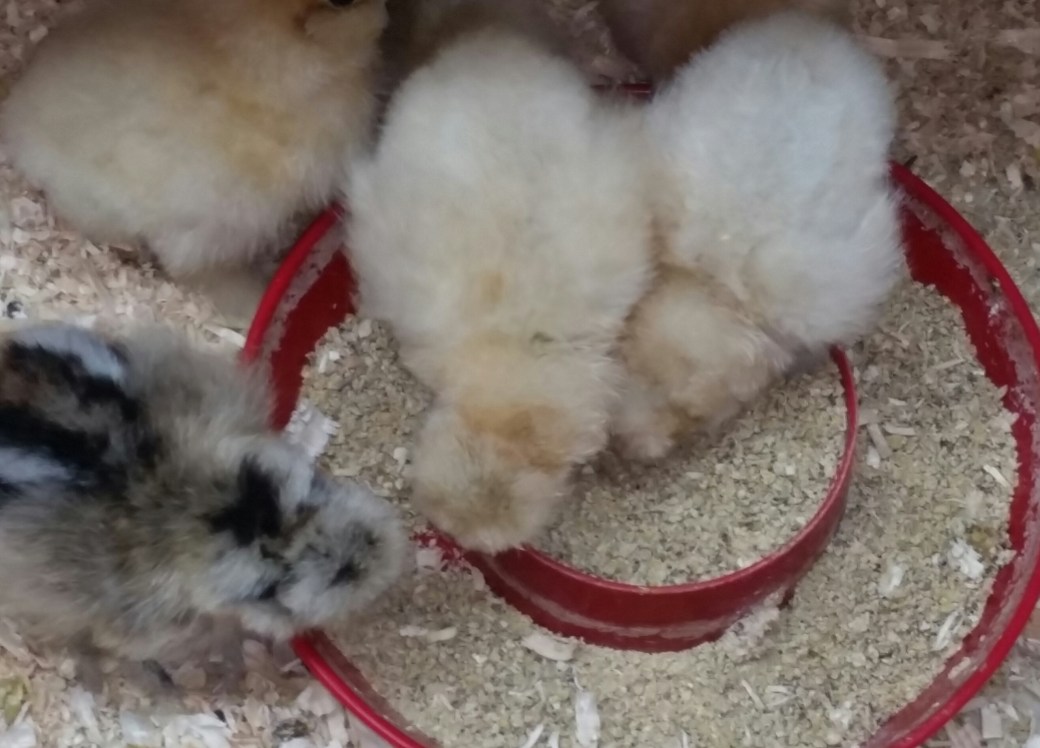
Start by sprinkling chick starter on top of a paper towel in order to encourage pecking at it.  You can then move to a chick feeder. I like to use red colored feeders as the color red stimulates the chick and encourages pecking.  If your chick does not seem to be eating and drinking, dip their beak into the water and then again into the food. If a chick is not eating or drinking it will feel lighter than the other birds.  I also like to grind up the chick starter into smaller particles using a coffee grinder. They seem to like it better when the pieces are smaller.

I also add vitamins, probiotics and electrolytes to the newborn chick’s water. Rooster Booster  is a great product for these additives.  I also had a little apple cider vinegar (with the mother) to their water for overall good health.

When you are ready to add treats to your chicks diet, make sure that they are healthy treats. Good examples would be foods like fruits and vegetables, high protein, whole grains, low sugar, and low salt products.  If chicks are given anything besides chick starter, they will need grit (sand) to aid in digestion.  Chick starter is digested by saliva but other foods require grit for grinding in the gizzard since the chicks do not have teeth.

At this age they should have chick grit, not adult grit which would be too large for them. Sprinkle the sand on top of their food as if you were sprinkling salt on something. Do not place it in a separate dish but put it right on the food to make sure that they are getting some.  Grit is not the same thing as Oyster Shell. They should not be given oyster shell at all as too much calcium will cause organ failure.

The first treats that I give are mashed hard boiled egg yolk and ground oatmeal. I grind the oatmeal in a coffee grinder.  It will almost look like powder.  After that I might move on to sweet corn. I grind that up in a food processor.  Whatever you give to them must be in small pieces. I also like to take  carrots and grind them up in the food processor. Leafy greens must be very processed and in tiny pieces. You do not want the chick to develop crop issues.

Some people like to give unflavored yogurt to chicks. I have found it to be very messy and being a dairy product, I would not give them too much of it. It can cause stomach upset. Probiotics are a good choice for gut health instead.

Older chicks can be given Chick Sticks or mealworms for a treat.  You can also begin giving scraps from your dinner table as long as the pieces are small and grit is sprinkled on top.

When chicks eat treats they are not eating commercial feed which should be their main source of nourishment. Treats should only be 5-10% of a chick’s diet. Anything that you add to their diets can dilute the nutrient balance of the commercial feed. Even healthy snacks should be given in moderation. A chick’s growth and immune system can be affected by too many treats which can create an imbalance in nutrients.

When chicks are around eight weeks old they can move on to Grower feed. Start by mixing the two together 50% chick starter and 50% grower feed. Don’t save your chick starter for the next time you have chicks. It will grow moldy and be harmful for the chicks. Use it all up. It is ok for them to be eating it at any stage of development.


For tips and tricks for raising outstanding silkies check out our Chicken Learning Center at VJPPoultry.com .  VJP Poultry is an NPIP and state inspected hatchery located 30 miles north of St. Paul.  We hatch out silkies all year long so we always have stock available.  Like us on Facebook to get weekly updates on what we currently have for sale.

Victoria J. Peterson
20180828_175257-1

How to Get Rid of Odors in the Chicken Coop

20170804_115301Nothing is worse than a smelly chicken coop.  A stinky pen can be dangerous to your chickens as harmful bacteria, wet bedding and dust can cause respiratory ailments and other problems.  Hot, wet weather with high humidity can increase the bad odors and nathe problems associated with it. If the odor floats over to your neighbor’s yard you will now lose their good will concerning your chicken flock and then you will realize that something needs to be done about the “smell.”

Allowing chickens to free range or have access to a run can help in controlling the odor problem in the coop itself.  The poo is dispersed outside in places  where it can dry out and break down naturally.  Wet poo and wet bedding with poo mixed in it is what is causing the smell inside of the coop.

Removing the poo from the coop and run is the best way for controlling any odor problem.  I use a paint scraper to daily remove poo from my ramps and run.  Scrape any hard surface that has poo on it. Many people place a board under their roost. The board catches the poo during the night. In the morning scrape all of the poo into a bucket for easy disposal. I go through the run every morning and pick up and remove with my scraper any poo left from the day before. Especially pick up the wet poo that never dried. This is the kind of poo that smells bad and attracts flies to it.

About every two weeks I clean out the entire coop bedding. I sweep up and remove poo and dust and use my paint scraper to scrape the floor and sides where poo has attached itself.  Spray with water and scrub walls and floors. If you let the water sit for awhile on the poo spots, it will help to loosen it from the surface. This will make scrubbing it off easier. After it is washed spray a sanitizer such as Oxivir or Oxine and let it air dry.

Pine shavings are best to use for bedding. Sand works well too as it is absorbent.  Straw tends to rot and can grow moldy. Pine shavings should be 4-6 inches deep.  You could add a little Diatomaceous Earth to help dry out the coop in humid weather. Place it in the corners or where ever it is damp.  Make sure that it is Food Grade.

Use lime on floors during the wet season.  Agricultural lime is made from crushed limestone and neutralizes the coop litter PH.  Hydrated Lime is caustic and can burn the bottom of your chicken’s feet so if you use that kind of lime make sure that it is below many layers of bedding.  A very good product is Sweet PDZ coop refresher. Place it under your bedding to help with wetness and odor.  Other similar products are Coop N Compost coop odor neutralizer and Fresh Coop odor ControlDookashi for poultry coop odor elimination is also  a compost accelerator.

Zeolite is a natural crystal that is good for drying out and neutralizing odor.  Marineland PA0382 and Sweet Coop are two products that use Zeolite.

When it comes to odor, moisture and water are not your friend. Clean up spills as soon as they happen. Keep the food and the water away from each other. Wet food can smell very bad and will start to spoil.  Use a Fountain style waterer instead of a bowl. I place mine on top of a galvanized pan to keep it higher than the bedding. Make sure that the waterer is level and not dripping onto the bedding.  Change bedding if it becomes wet. Fill your waterers outside of the coop and then bring them in.  Also,  make sure that there are no drips coming from the ceiling causing wet bedding when it rains.

Open up windows and doors whenever possible. A well ventilated coop will let in fresh air and  let out the bad air that has accumulated.  A box fan in the window is wonderful for dying out the moisture and keeping flies away.  If you still smell a strong ammonia smell, it is time to clean the coop


For tips and tricks for raising outstanding silkies check out our Chicken Learning Center at VJPPoultry.com .  VJP Poultry is an NPIP and state inspected hatchery located 30 miles north of St. Paul.  We hatch out silkies all year long so we always have stock available.  Like us on Facebook to get weekly updates on what we currently have for sale.

Victoria J. Peterson

20180819_133457-1

How to Practice Biosecurity in Your Own Backyard Silkie Flock

7a31a8c5e329aa4f6b0d5ac6083b2c62Everyone wants their chickens to be healthy, but are you truly giving them the best protection possible?  There are some very lethal poultry diseases out there and you may, without even knowing it, be bringing those pathogens into your backyard. It is important to think about setting up some kind of defense between disease and your birds.
When we use the term “Biosecurity” we are talking about a system of methods that, used correctly, will help to protect your birds from the unseen viruses and bacteria that are looking for a new home. We don’t want that new home to be your chicken coop.

There are many contagious diseases out there that can effect your flock.  There has been an outbreak of Virulent Newcastle Disease is southern California this summer.  This particular outbreak is effecting small backyard flocks and not the large commercial poultry houses like we saw with the Avian Flu a few years back. The Newcastle outbreak highlights the need for year round poultry biosecurity.  If biosecurity is not practiced it would be very easy for Newcastle disease to make its way across the United States infecting birds as it hitches a ride on the tires of a truck or on the bottom of someone’s shoe.

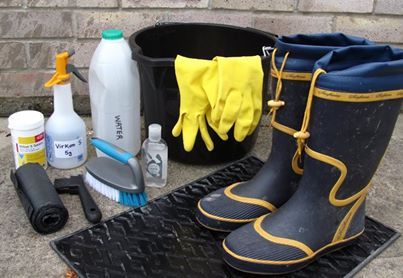
The first thing that you can do is to keep things clean in your own backyard.  Something as simple as washing your hands or using hand sanitizer  before entering or exiting your bird area can be effective. Change food and water daily in your pen.  Clean and disinfect cages, tools or other equipment that comes in contact with your birds or their droppings. There are several good disinfecting products.  I use Oxivir on everything. Other good products include Oxine and Virkon S.  Cleaning and disinfecting are important steps to keep your bird’s environment healthy.  Disinfectants only work effectively when you first clean all dirt,  manure, and bird droppings from your tools, cages, boots and equipment. Clean these things outside of your house to keep germs outside.

Have a separate set of clothes and shoes that you wear only in your poultry area. I have a pair of slogger boots that I only wear when I am doing chicken chores. They slip on and off easily and can be cleaned daily with a garden hose.  I do not go down to the chicken coop unless I am wearing those boots. I have a set of snowmobile boots that I use in the winter for chicken chores. When I go into the house I change into my house shoes.  Those shoes I will wear in the brooder room and the incubation area.  I wear an apron in the brooder room that is washable.  Outside in the adult chicken area I have a coat that I only wear when doing chicken chores. It is washable as well. I also wear gloves that are easily washed as well.   It is important to me to keep the adult chicken germs away from the baby chick area and the rest of the house.  Wash and disinfect shoes and clothes often.

It is important to keep other people and other birds away from your flock as much as possible. That includes birds you just bought and wild birds. Both could carry disease to your chickens.  Restrict access to your property and your birds.  Avoid visiting farms or other households with poultry.  At your own place, do not let visitors near your birds at all if they have their own birds. It is sad to have to say this, but you need to protect your flock.  If you can’t avoid contact with others then make sure that you disinfect your shoes and clothes before being with your birds again.  This is why you need separate boots and coats that you only use with your chickens.  Don’t use other people poultry equipment without disinfecting it first.

If you like to exhibit birds at poultry shows, make sure that you quarantine birds for at least two weeks after the event. Wear different shoes and clothing when at the show or fair and disinfect when you return home. Disinfect cages that were used for transport.

Be sure to buy birds from a reputable source. Check and see what kind of biosecurity they practice.   Someone who is an NPIP breeder has their flock pullorum tested every year and can only buy from others who are NPIP.  A state inspected hatchery has a state vet come out and inspect the premises every year and discusses biosecurity standards with them.  Whoever you do buy from make sure that you keep new birds quarantined for at least 30 days.

Don’t let wild birds have contact with your flock.  If your birds are outside, consider keeping them in a screened area. Do not let wild birds eat food in your chicken run. This will also help keep insects and rodents away.  Hang fly strips or fly traps in the coop. Flies can transmit disease on the bottom of their feet. Put out mouse traps and clean up spilled feed to keep your area rodent free.

Change is always hard especially if you are used to doing things in a certain way. Just pick one suggestion and start with that. Once it becomes a habit, choose another biosecurity measure to implement.  You will feel better knowing that you are keeping your flock safe and healthy.


For tips and tricks for raising outstanding silkies check out our Chicken Learning Center at VJPPoultry.com .  VJP Poultry is an NPIP and state inspected hatchery located 30 miles north of St. Paul.  We hatch out silkies all year long so we always have stock available.  Like us on Facebook to get weekly updates on what we currently have for sale.

Victoria J. Peterson

cute Chicken cartoon character with stop sign


Keeping Silkie Chickens Safe From Raccoons

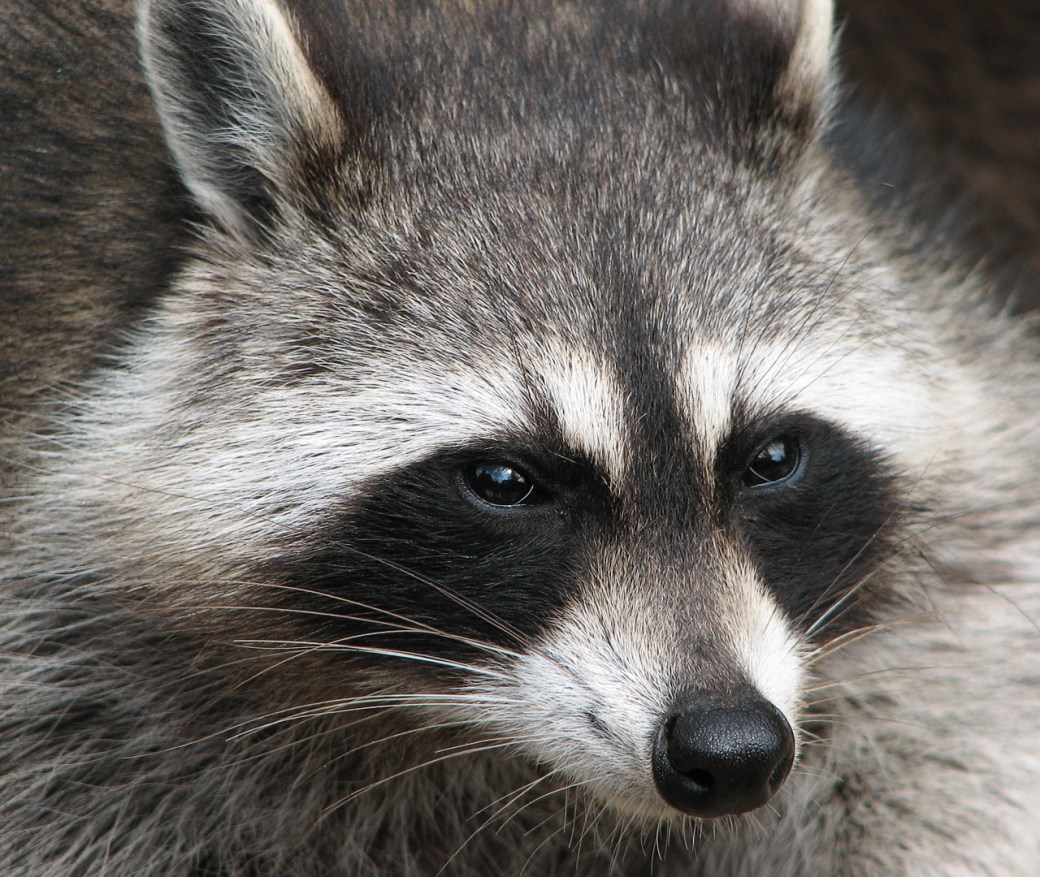
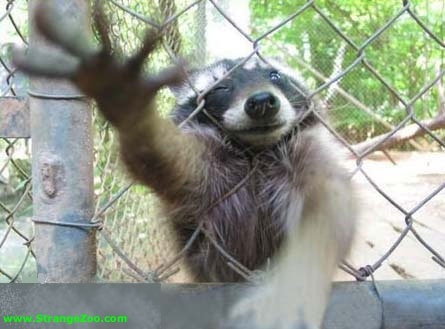
Raccoon_(Procyon_lotor)_2Raccoons are one of silkie chicken’s biggest predators.  Raccoons can climb walls and over fencing. They can reach their hands through wire mesh that their bodies can’t get through to grab their prey.  In the United States, raccoons are the most common predators of chickens.  They are intelligent foes. They will remember your chicken coop and come again and again to prey upon your chickens.  But, if you have a raccoon proof coop they will go elsewhere to find easier food.
Raccoons are mainly nocturnal.  Make sure to always lock up your birds at night. If you see a raccoon during the daytime it may be sick or even have rabies. Stay clear of any raccoon you see in the daylight.

1516665071064535880345

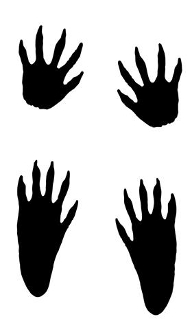
The first sign of a raccoon in your area is if you see foot prints in the mud around your coop.  Raccoon tracks are very distinctive with five toes on both the front and back paws.  You might also notice its scat or poo nearby.


A single raccoon can devastate your flock of chickens in a short period of time. He will both kill your birds and eat their eggs.  A raccoon typically attacks birds by biting the head or upper neck area. The heads of adult birds are bitten off and then left some distance from the body. The crop and breast may be torn and chewed and entrails eaten.

Raccoons have been known to mutilate poultry in cages by pulling their heads off.  Raccoons like to put their fingers through holes and pull the chicken through or pull out parts of the bird that they can reach. Several kills will  be made in one night. Dead birds may be found at the site or dragged off.  Young chickens that still sleep on the ground at night are a prime target for raccoons.  Silkies are at a disadvantage because they can’t fly up into the rafters to escape.  They sleep on the ground and are easy prey.

It is important to make sure that your coop and run are predator proof. Raccoons can both climb and dig. Placing paving slabs or burying wire mesh around the perimeter of the run will help to deter them. Use hardware cloth that is 1/4 or 1/2 inch. Hardware cloth should be fitted over coop windows. Use large washers and screws to fit hardware cloth to window frames as raccoons can rip staples out.  They will bend or pry any screen mesh in order to make a hole to get through. Keep your chickens inside the coop at night. Do not allow them to run loose after dark.

Raccoons have great manual dexterity and can open complex latches. Make sure that your closures have at least two steps or use padlocks. Make sure that your coop and run have a roof on them and check for any little holes that would allow for entry.  They will pry or dig in order to make the hole larger.

Don’t attract raccoons to your yard or coop.  Don’t leave pet food out or bird seed under your feeders. Both are favorites of raccoons. In periods of dry weather, raccoons will also be attracted by any sources of water in your yard.  That includes waterers in your run.  Keep all food out of your run and coops at night. The smell will attract the raccoons.  Keep animal proof lids on your trash cans.  Pick up any fruit that has fallen from fruit trees.  Raccoons love fruit and will make your yard a nightly stop when they start to fall.  Raccoons remember where they found food before and will keep coming back until it is gone.

There are many products out there that can help to deter raccoons.  Nite guard solar lights can help to protect a chicken coop.  Mount at eye level, about 10-15 inches from the ground.  Mount four lights, one on each side of the coop. The flashing lights will spook the raccoons into thinking that they are eyes of other animals.

Motion activated sprinklers such as Orbit or Hoont can repel predators by surprising them with a water spray.   Use at night in an area where it will protect your coop.

Raccoons hate strong odors.  Set out shallow dishes containing sponges soaked in ammonia. Sprinkle the lawn with cayenne pepper or use dog or cat repellents around the perimeter of your yard.  Taste or odor repellents such as Ropel can turn away raccoons.

Raccoons do not like loud noises.  animal Bird X repellent uses ultrasonic sound with a motion sensor. Vigilant chicken owners often install baby monitors or even security cameras in their chicken coops.  If you hear a clamor, run to the chicken coop as fast as you can making loud noises to scare the raccoons away.

You may want to use a live trap to remove your raccoon.  Bait the trap with canned cat food, sweet corn or raccoon bait.  Place the bait as far back into the trap as possible as raccoons seem to know how to take the bait without springing the trap.  If you plan on relocating the raccoon make sure that you travel at least 10 miles away or they will find their way back to your coop.  Check your states laws. Some states do not allow relocation of trapped raccoons.  Use heavy gloves when letting the raccoon out of the trap.  Be extremely careful as you are opening the door. They have a nasty bite.

Raccoons will live in any enclosed area such as a tree hole, a garage or attic or even culverts.  They have become urban dwellers as they have access to both food and shelter where man resides.  Chicken is one of their favorite prey which is why backyard flock owners must be ever vigilant.

For tips and tricks for raising outstanding silkies check out our Chicken Learning Center at VJPPoultry.com .  VJP Poultry is an NPIP and state inspected hatchery located 30 miles north of St. Paul.  We hatch out silkies all year long so we always have stock available.  Like us on Facebook to get weekly updates on what we currently have for sale.

Victoria J. Peterson

main-qimg-2a472a1792ff8f5f67941823cf95337c-c


How to Keep Silkie Chickens Cool During a Heat Wave

123951 (1)The hot days of summer usually signal a lowering of egg production in your hens and lowered fertility in your roosters, but it can also cause heat stress or heat stroke in chickens which can lead to sudden death when a heat wave comes on.  It is important to be prepared ahead of time and to know ways and methods in which to quickly cool down your flock.

Watch your weather forecasts very closely.  They will let you know several days in advance if a heat wave is coming to your area.  Check for humidity warnings.  Don’t get caught off guard or your birds will suffer.

Chickens perform at their best at 75 degrees Fahrenheit.  Their core temperature is 107 degrees Fahrenheit. When the outside temperature climbs to 85 F they begin to show signs of distress.  Heavier birds will feel the heat more than lighter birds.  Small chicks can handle temps up to 100 degrees F but larger birds will have problems. Not all breeds handle the heat the same. Silkies have a harder time with the heat than the cold. Poor eyesight due to large crests can make locating shade and water difficult.  Dark colored birds absorb the sun’s rays where light colored birds can reflect it. Use small rubber bands to tie up crests on silkies to help them cool off and find water easily.

Chickens do not sweat.  They release moisture through panting, droppings and evaporation. I see my silkies lifting their wings up and out to try and cool off on very hot days.   If a bird is listless and panting, she may have heat stroke. You will want to try and cool off her body temperature as quickly as you can.  One hot day I saw one of my birds lying down and panting. I picked it up and moved it outside into the shade and gave it a shallow dish of water. She began drinking quickly and recovered. If I had not discovered her in time, she might have died.  Many people lose poultry during heat waves.  Slowly submerging a chicken into a bucket of water can bring down their body temperature.  Make sure that the water is not too cold as to shock their system which could cause heart failure. Also, do not let the beak submerge under the water as that can cause drowning.

The best thing that you can do for your flock during a heat wave is to provide them with plenty of cool, clean drinking water.  I put out multiple drinking founts both inside of the coop and outside of the coop.  Make large ice cubes and place them inside of your waterers to cool the temperature of your water.  Chickens do not like to drink warm water, and will avoid the waterer if they know the water is warm.  You could also place small shallow bowls of water that are easier to get their beaks into.  It is easier to change out and get new water with this type of waterer than a large fountain type so you will be more apt to do it.

Adding electrolytes to their water can help with dehydration and can add vitamins and minerals. Do not add electrolytes every day. I would go for 3 days on and then 3 days off. Birds drink more during hot weather which can increase the amount of vitamins they are ingesting upsetting their vitamin dosage.

Keep the water fresh and clean. They won’t drink dirty water even when they are thirsty.  Don’t place the waterers in the direct sun.  The chickens will not walk out to the waterers if they have to go into the hot sun to do so. Place the waterers in the shade.  Keep the temperature at least 10 degrees cooler than the outside temperature using ice cubes or frozen bottled water inside the waterers.   Make it easy for them to get to the waterers by placing them near to where they are shading themselves.

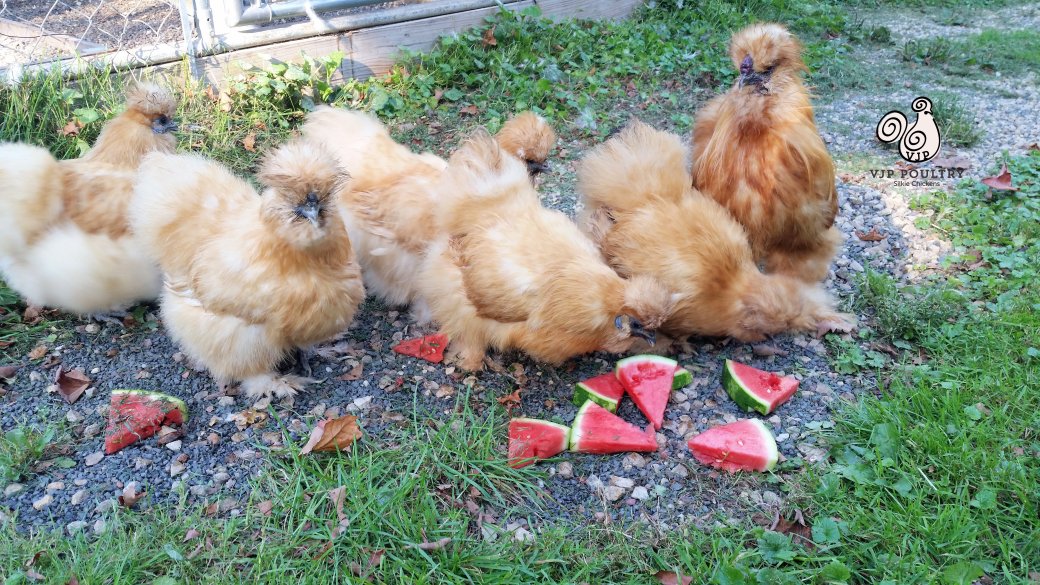
Frozen treats can help to cool down your birds. Frozen bananas, watermelon, apples and strawberries are good choices. Don’t feed cracked corn, scratch or other grains as it will warm up their insides as it is digested.  The best food in hot weather is a high protein pellet/crumble food that contains all the nutrients they need. Do not place the feeders in the direct sunlight.  The birds will not want to walk out to eat from it.  Feed the flock in the late afternoon about an hour before dark.  That way they will have a full crop before going to sleep.  Feeding them in the morning will cause them to have a full crop in the heat of the day and going through the digestion process will raise their internal temperature during a time they need to be cooling off.

Create shade if you do not have it in the run area.  Use beach umbrellas or sail cloth to block out direct sunlight. I will even use tarps to drap over the top of runs to create more shade.  Let your birds free range when you can and they will find shrubs and bushes to rest under during the heat of the day. Provide places to dust bathe and even cool down those area with some water poured into them.

Good ventilation is important in your coop especially in hot weather. Leave windows open and place window fans in them to create air flow.  Place a large block of solid ice in front of a fan for a cooling breeze.  Good circulation of air moves the hot air out and the cool air in.

Cool down the coop by keeping the poop under control.  Decomposing manure creates heat and attracts flies and other insects.  Flies in the coop can lead to fly strike.  Ammonia fumes can cause respiratory problems.  Pick up and remove large chunks of poo each day.  Note that chickens tend to have watery diarrhea during times of heat.

Set up a baby pool and give your birds an hour or so in the pool getting their feet and bottoms wet.  Make sure you supervise this activity.  Even just holding them down in the water and then lifting them out will cool them off. Do not make the water too deep. Only a couple of inches of water is needed.

Get a mister attachment for your hose and leave it on during the day.  Hang it from something like a tree branch.  It will reduce the temperature of the ground underneath it.  You could also spray the outside of your coop walls with water using the “flat” spray setting on your nozzle.  If you needed too, you could gently spray down your birds during the hottest times of the day using the mist setting.

Avoid stressing your birds during hot weather.  Do not move pens around or switch birds so that they have new pen mates.  Do not over crowd them.  They need plenty of space to be able to lift their wings and cool off. Keep interaction with your birds to a minimum.  Seeing people tends to excite them and will make them hotter.  Expect that egg production will slow down and then stop altogether during this time.  Hens do not like change, though roosters can handle it better.  Keep an eye on them and try to make them as comfortable as possible.

For tips and tricks for raising outstanding silkies check out our Chicken Learning Center at VJPPoultry.com .  VJP Poultry is an NPIP and state inspected hatchery located 30 miles north of St. Paul.  We hatch out silkies all year long so we always have stock available.  Like us on Facebook to get weekly updates on what we currently have for sale.

Victoria J. Peterson

123951