How to Get Your Chickens to Like You

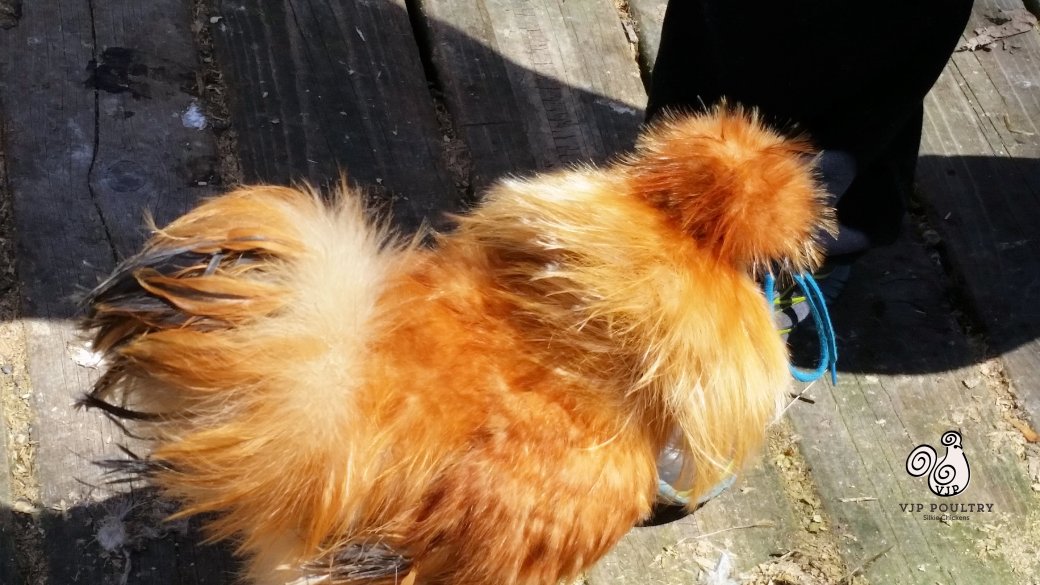
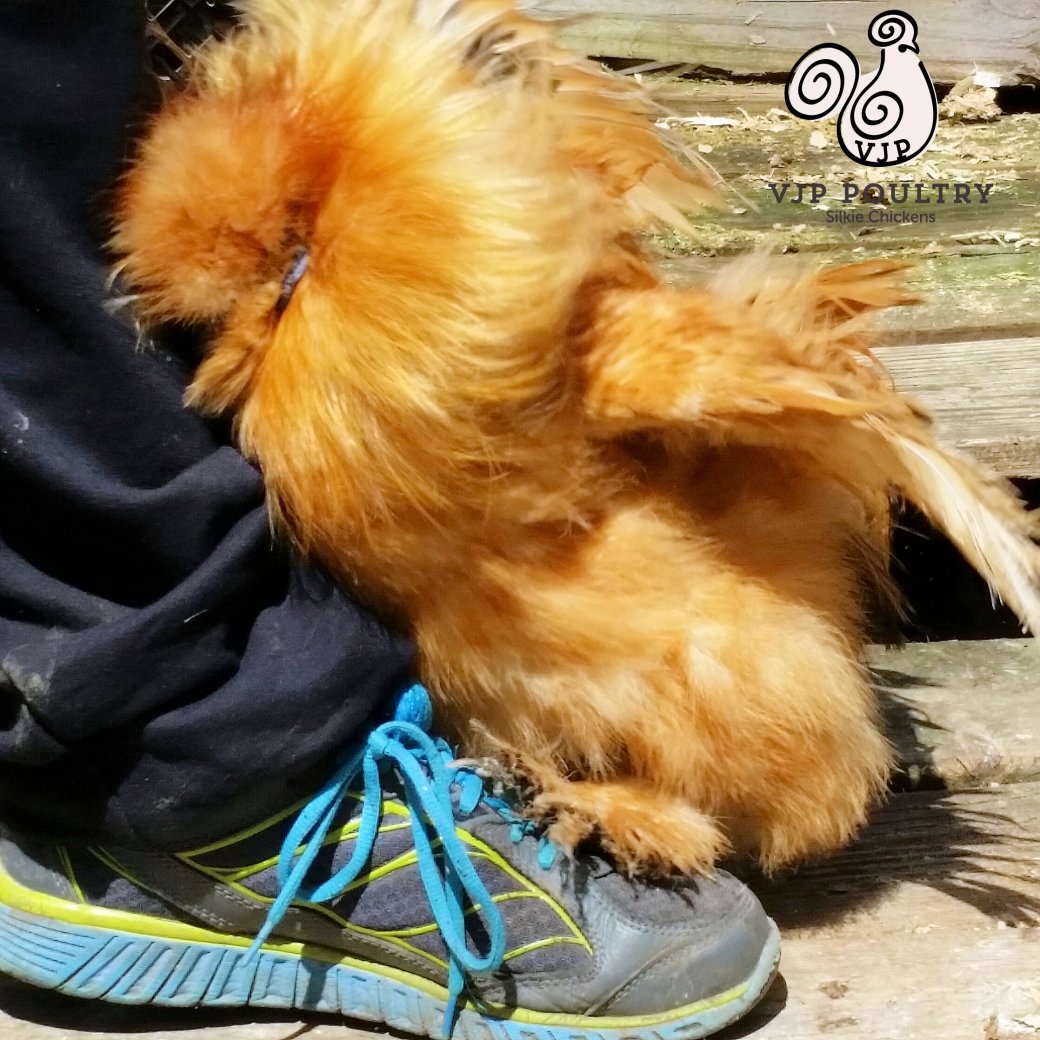
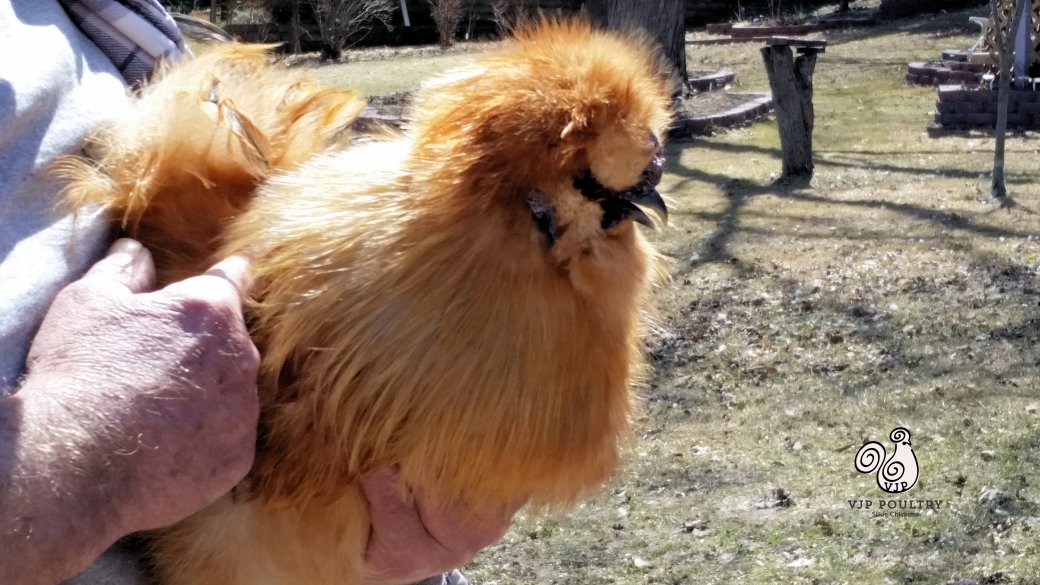
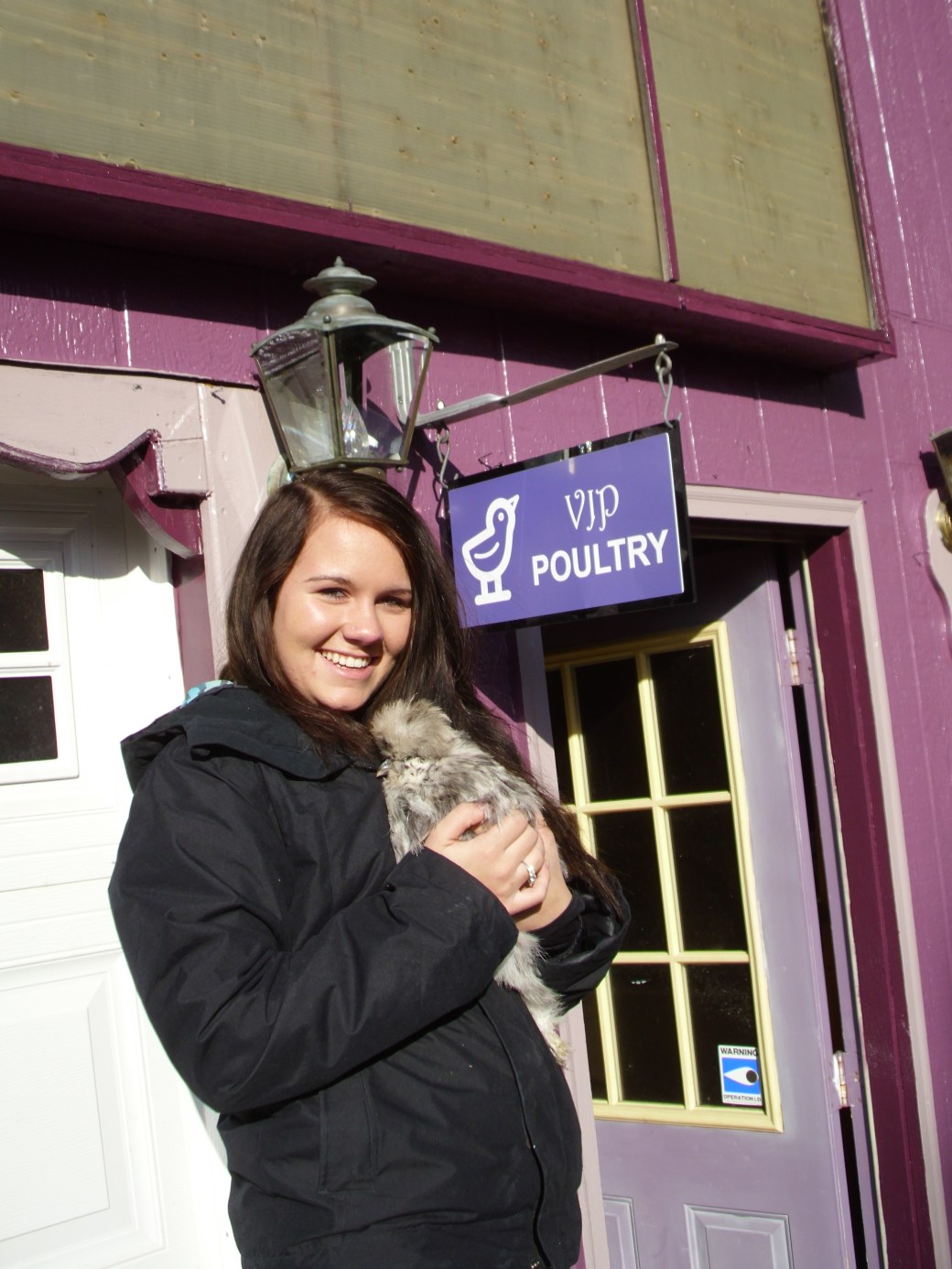
20190323_132808-1We have all heard stories of chickens that are big snuggle bunnies or chickens that will jump in your lap and sleep by your side at night.  You may have wondered if these stories were real or make-believe because your own chickens run away from you squawking and flying up into trees.  I am often asked by people how you can encourage chickens to be more loving towards you.  It all comes down to time spent with them and food.

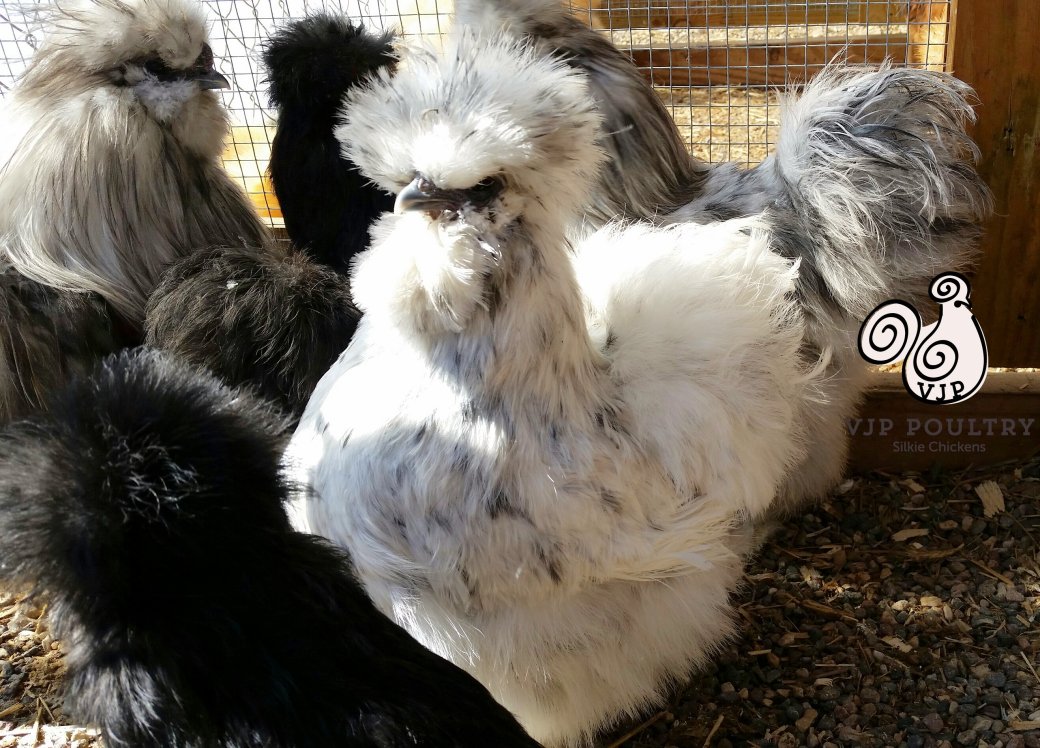
The breed of chicken does make a difference as well. Some breeds are just more domesticated than others.  I have found Barred Rocks to be the most loving breed of all.  Mine loved to sit in my lap.  Breeds that are more flighty, and thus less tolerant of people are often breeds with large crests such as polish or silkies.  The crests make it difficult for them to see clearly.  They don’t know if that movement is you or a predator coming after them. Trimming their crests so that they can see will change how they react to you.  Using your voice to announce your arrival can help as well. I have a distinct call that I use that the birds recognize as “food is on the way.” They will come running when they hear that call.

Learning to associate you with food and treats goes a long way towards bonding with them.  Cracked corn is my flock’s favorite treat. I use it as a training tool to teach them how to come in at night or if I need them to be somewhere else while I clean out their coop. Another special treat is called Grubblies.  These are oven dried black soldier fly grubs. Yum.  But your birds will love them and love you for giving them some.  Live meal worms or freeze dried meal worms will also bring your chickens running and cackling.

One of the best things that you can do is to simply spend time with your flock. Get a chaise lawn chair and place it in the coop or run or even where they free range. Make sure that it is low to the ground. You don’t want to be towering over them.  Lie down and read a book or look at your phone. Maybe watch a movie. Just spend time next to them without trying to hold or grab them. Think about Fern in the book “Charlotte’s Web.” She would sit quietly for hours next to the animals pen until the animals learned to trust her presence. That book is filled with wisdom.  We can learn a lot about animals from E. B. White.  Place the treat bag near you or even scatter treats on you or around your chair. Appear uninterested in them and they will start bothering you for attention. Let them roost on your chair.  Repeat this every day and be consistent.  You will be rewarded.

Do not jump, run or move fast around your birds. Slow movements will build trust. Quick movements will scare them. Do not hold your chicken too tightly or they will start to panic. Also, be careful with a chicken around your face. Roosters have been known to attack eyes when held close to the human face. Some roosters are cuddlers and others are man fighters. If you are breeding, make sure that you are not using aggressive roosters. Temperament can be genetically handed down.  There is no sense in breeding aggression into your flock.

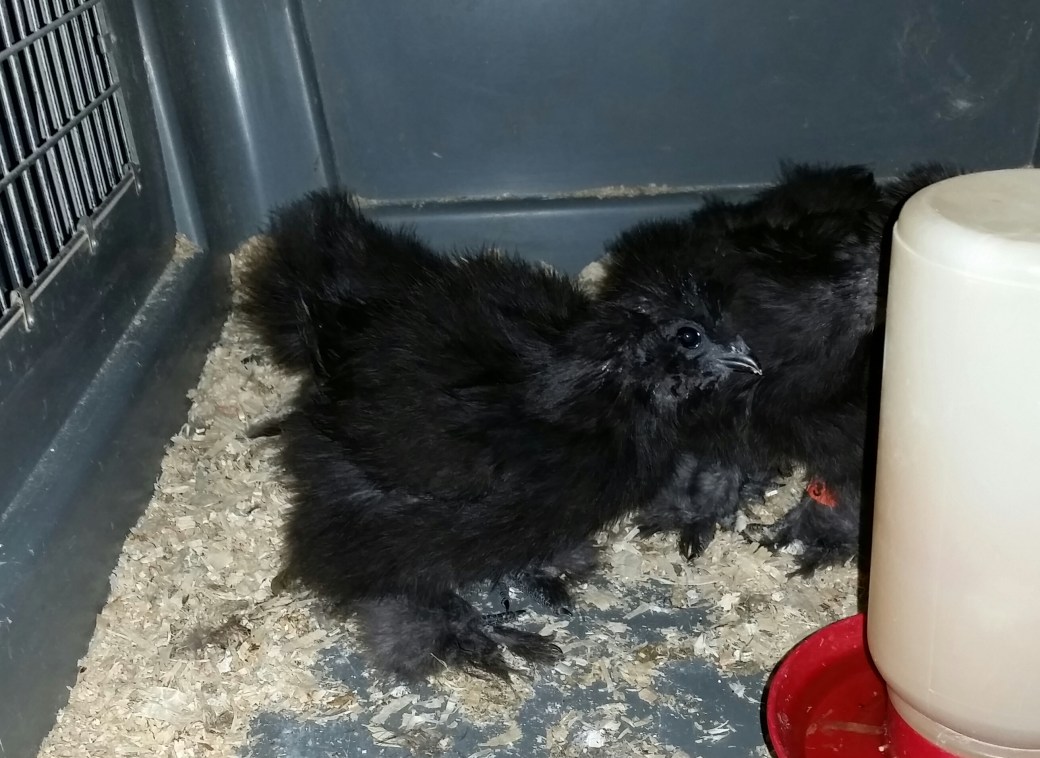
Baby chicks pose a different problem. They are instinctively afraid of everything. We appear to be a huge figure flying down from above, not unlike a hawk would swoop. They will see you as a predator until you can build their trust. Keep yourself at their level.

Baby chicks do not imprint on a single person such as ducks and geese will. There is no window of opportunity when it comes to bonding with your chicken. A chicken can grow to love you no matter what age you acquire it.  You do not need to purchase a very young chick in order to have it become attached to you.  You can start bonding with a bird at any age.

Start by getting them to eat treats out of your hand. First you will need to show them what treats are.  Egg yolk from a hard boiled egg is a great treat for a little chick. Chop the yolk up a little into pieces they can eat. When they are ready for other treats ,make sure that they have chick grit to help their crop grind up the treats.  Place the treats on the ground first, then gradually move to your hand. Remember that most of their nutrition should come from their chick starter and not their treats.  Don’t go overboard with tidbits that have poor nutritional value.

Gently handling the chicks often will help them to become tame.  Be very aware of how little children are handling the birds. Young chicks can jump from little hands and injure themselves or can be squeezed too tightly.  Make sure that they also are getting a chance to rest and warm back up under the heat source.

Chickens can be great therapy animals. There is a program called PAWS at the University of Minnesota. PAWS stands for Pet Away The Stress.  They use silkie chickens and other animals that have been trained and can help students that are feeling the stress of being away from home and who just need some extra love. What better way to get that love than from your favorite chicken.

For tips and tricks for raising outstanding silkies check out our Chicken Learning Center at VJPPoultry.com .  VJP Poultry is an NPIP and state inspected hatchery located 30 miles north of St. Paul.  We hatch out silkies all year long so we always have stock available.  Like us on Facebook to get weekly updates on what we currently have for sale.

Victoria J. Peterson
very good


Pecking Order and Who Rules the Roost

20180429_133813-1If someone says that they “rule the roost” at their house you may wonder where that term came from.  The top chicken gets the best place on the roosting bar at night as part of a complex hierarchy commonly called “the pecking order.”  The pecking order has an influence on feeding, drinking egg laying, roosting, crowing, mating and even dust bathing.

Chickens are a social animal and enjoy the company of their flock mates. Chickens will become lonely for others of their own kind if they are deprived of them. However, the pecking order is anything but gentle and chickens are very aware of their own place in that order.

Everyone knows their place in the pecking order so when a new chicken is introduced, problems arise until the pecking order is reestablished  again.  Pecking order rank determines the order in which chickens are allowed access to food, water and sleeping spot.

The top chicken is usually the strongest and healthiest.  It is their responsibility to protect and take care of the flock, keeping it safe from predators and mitigating disputes between lower members.

The pecking order is a sort of cooperation between members of the flock. It ensures the survival of the flock by giving the best chances to the fittest birds. Unless a member of the flock is removed or added, the pecking order will remain the same for a long time.  However, it is a fluid thing and is never permanent. The younger will always challenge the older.

A flock of chickens who were hatched and raised together establishes a pecking order early on.  Pullets and cockerels that grow up together will play games of running and bumping chest together.  The strongest one is usually chasing a weaker one around the food dish.  Serious games of pecking order start at around six weeks.

The most dominant bird will be the rooster if you have one in your flock.  The lowest bird will be the meekest and the gentlest. Older birds will be dominant over younger ones until the younger ones start challenging them.

Gender has a lot to do with what the pecking order looks like.  If you do not have a rooster in your flock, then the strongest hen will take this spot. It will usually go roosters, hens, cockerels and pullets at the bottom. The order is established by pecking, chasing, blocking from food and water and sometimes violent fighting.  If there are several aggressive birds fighting for that top position there can be blood shed.

Pecking order positions are fixed when one flock member confronts another.  The weaker will back down and become lower in position than the stronger one.  Do not try and interfere unless bleeding is occurring.  They need to work it out themselves.

20180429_134129

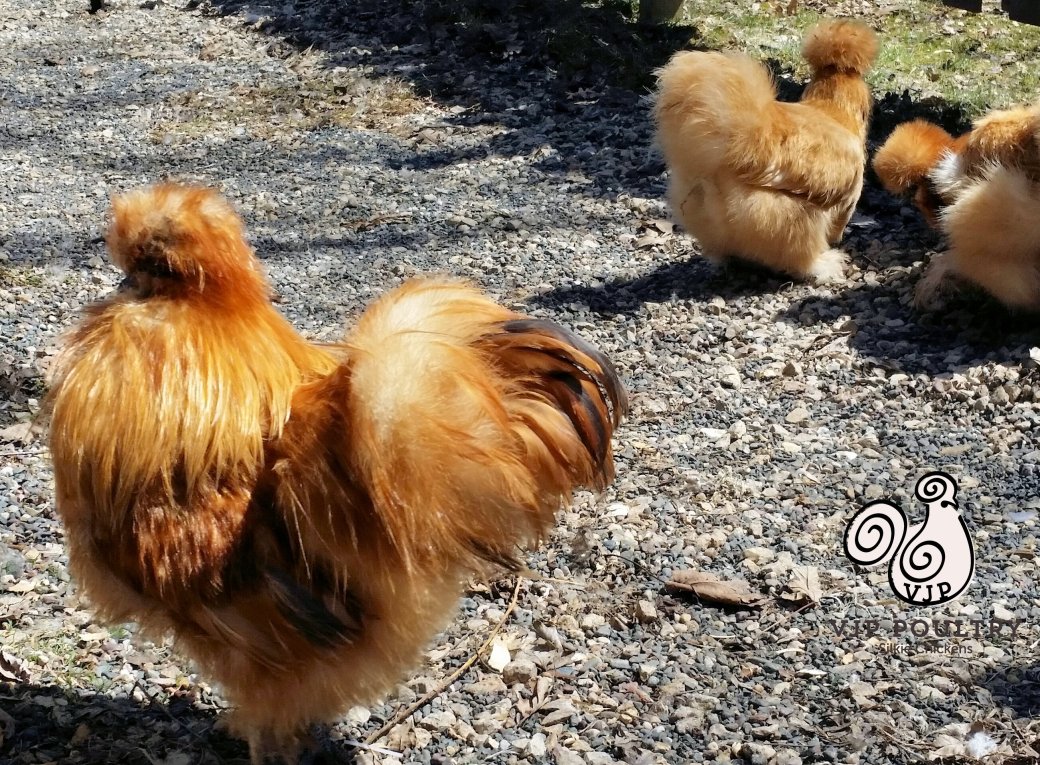
Flaring hackle feathers with a lowered head is one form of intimidation.  Loud wing flapping with the head held high and the chest puffed out is another form of letting everyone know who is the boss. They may also use the wing dance to challenge one another.  The dominant bird will come up sideways to the other bird. Then he will lower his outer wing and dance in a half circle around the other chicken.  If the other chicken walks away, the dancer is now higher than the other bird in the pecking order.

Roosters who copulate with hens throughout the day are asserting their dominance over the other roosters who are not allowed to. Roosters who are lower in the flock crow less and rarely mate.  They only get a chance to when the other rooster is not around.

Alpha roosters will crow to signal their dominance to the other chickens.  Roosters who are the flock leaders will look out for the hens by watching for predators, finding them treats, mating and chasing other roosters away from their group of hens.

Hens who are at the top tend to be fearless and boisterous.  Hens high in the pecking order will chase other hens out of the nesting boxes.  Chickens high in the order get to eat more and have a better spot in choosing where they will roost.  Weaker hens have to wait to drink or eat and will often be pushed away by others. If one of the low ranked chickens tries to feed before their leaders, they may get a nasty jab or peck to teach them a lesson. If a bird tries to go out of turn, she will earn glares, pecks and feather pulling from higher ranked hens.

Establishing a pecking order can take anywhere from two days or up to two weeks.  Once everyone knows their position, the stress will go down and disputes will be settled very quickly.

The less space chickens have, the more violent they are in establishing and maintaining the pecking order. They need around four square feet of space per bird inside the coop and eight square feet outside in the chicken run.

Use hanging feeders and waterers in the middle of an open area rather than in a corner if you are having problems.  There should be three inches of feeder and waterer space per chicken.  If you have more than six birds, use multiple feeders and waterers.  One inside the coop and one outside the coop if smaller birds are being pushed away.

There should be one nesting box for four hens and eight inches of roosting bar per bird.

Problems can occur when a new chicken is introduced to an existing flock. This upsets the pecking order and an new one must be reestablished.  If the new chickens are younger and outnumbered this can create additional problems.  Chickens have a habit of ganging up on any chicken that is bleeding and pecking at the red wound.  They are very attracted to the color red.  Remove and bleeding chickens and apply an antiseptic wound spray.    Silkies can be very territorial.

When introducing new flock member, fence off an area inside the chicken run for the new chickens.  After a couple of days remove the fencing and let them mingle. For more ideas on how to introduce new flock members,  check out “How to Integrate New Members Into Your Flock.

Humans are also part of the pecking order.  Roosters see you as part of their flock and will seek to overthrow your top position. Aggressive roosters can be dangerous especially if you have small children.  Never leave them unattended with a rooster who has shown past aggression towards humans.

20180429_134102-1.jpg

Doing the chicken wing dance around you and charging towards you are some clear signs that a rooster is challenging you for top spot.  Pecking and jumping at you to claw or spur you should not be allowed.  Never run from a rooster.  Stand your ground or run and chase after him.  Grab him and hold him down to the ground.  Put your hand over his head and back.  Hold him until he calms down and then let up on him.

Segregate any bully birds that you might have. Place them in a crate for a few days.  The pecking order will change while she is in isolation and when she is reintroduced, she will be the “new bird.”

In order to avoid problems in your coop make sure that there is always enough space for your birds and enough hiding places for members of the lower ranks.  The “hen pecked” chicken is always your most submissive and is often a silkie in a mixed flock. Try to keep to one rooster per pen.  A happy, stress free flock will give you more eggs.

For tips and tricks for raising outstanding silkies check out our Chicken Learning Center at VJPPoultry.com .  VJP Poultry is an NPIP and state inspected hatchery located 30 miles north of St. Paul.  We hatch out silkies all year long so we always have stock available.  Like us on Facebook to get weekly updates on what we currently have for sale.

Victoria J. Peterson
20180429_134210.jpg

How To Integrate New Chickens Into Your Flock

20161106_123815Chicken Math is a very real thing.  We enjoy adopting new members to our flock and we want it to go as smoothly as possible.  Every year new birds are added and older birds are replaced or die off naturally.  A hen may chose to raise a clutch of chicks or new breeds catch our eye and we then must figure a way to incorporate these new birds into the standing social order.
Chickens are very social animals.  There is an order of dominance or what is called a “pecking order.”  The correct  integration of new birds is important.  You need to manage the pecking order so that new birds and chicks do not get hurt and the original flock does not become overly stressed.

When you first acquire new adult birds, they will need to be quarantined before you can mix them in with your home flock.  This is for the safety of your flock.  Do not quarantine them in the same area as your current birds.  Have a separate pen or crate away from the others.  They will need a place they can stay for thirty days.  You do not need to quarantine chicks that you buy from a hatchery as these are not exposed to an adult flock that may contain germs.

Each flock of chickens has their own germs that make them immune to certain things in their environment.  A new bird will not have that immunity.  This would  be a good time to give it some probiotics or Rooster Booster to help supplement its immune system.  A feed with extra protein will help it deal with the stress of being in a new place.

The new adult bird may also have some hidden issues.  Check for lice, mites, breathing problems or discharge from the eyes or nostrils.  A little poultry dust in case of mites or apple cider vinegar in the water for general health wouldn’t hurt.  Disease can take up to a month to show itself in a healthy bird.  Make sure that you practice biosecurity  and wash your hands when handling new birds.

It is best to introduce new birds in pairs or more. Do not buy a single bird and expect it to smoothly be accepted by the others.  Being alone and new is a double disadvantage.  If there is more than one bird introduced at the same time , they will then have a buddy to hang out with.  There is also more than one bird to take all of the pecks that will be directed their way.

Always add birds of a similar size to the flock. Larger breeds are always more dominant and will bully the smaller breeds. If you have a flock of Jersey Giants it would be difficult for a small bantam to be accepted.  Try to wait as long as possible to introduce young birds.  They should be done making baby noises and be as fully feathered out as possible.

The first step is to separate them in the coops and outside runs.  The idea is to keep them separate but visible to each other.  Seeing but no touching each other. They may try to fight through the fence but they can’t hurt each other.  Poultry netting is a good way to separate them.  Even just a dog crate sitting in the run will work.  Do this for a few days to a week.

When it is time to actually put the birds together there is a few ways you can do it.  Some people think that the best time to do it is at night after they have gone to bed.  Stick the new ones on the roost and they will all wake up together the next morning and may be more accepting.

Another method is to do a free range situation.  Let the new birds out to free range first.  Then let the rest of the flock out.  There is plenty of room for the new birds to run and hide or just plain get away from any unwanted pecks.

If you don’t let your birds free range, you can put the new birds in the run first and then let the older flock out. By letting the new birds out first, they can find out where the food and water is first. Distract the flock with treats so they won’t be so focused on the new chickens.  Make sure that you have multiple feeding dishes and watering stations.  The older flock may try and block the new birds from eating and drinking.

Make sure that they have plenty of room.  Overcrowding will stress everyone out and make the older birds resentful.  Put out more food and treats than they actually need.  Flock blocks can be helpful.  Hiding places are also important.  Just placing a piece of wood against a wall can provide a hiding place for a scared bird.

I know that it is hard, but the less interference from humans the better.  Unless there is blood it is best to let them work it out themselves.  If a bird is super aggressive towards a new one, put it in a dog kennel for a few days.  When it comes out, it will become a “new” bird and be taken down a peg or two.

Two or more roosters will not get along unless they are raised together and are not where they can see hens.  Ten hens per rooster is the recommended amount.  Don’t introduce a new adult rooster to a flock that already has a rooster. They will fight for dominance.

After you have introduced new birds, watch to make sure that they are eating and drinking.  Give them plenty of places to hide behind.  Put everyone on the same food and have separate dishes of oyster shell.

The introduction of new birds can cause your old flock to stop egg production for awhile until things settle down.  It will take a few weeks but soon everyone will have a new place in the pecking order.

For tips and tricks for raising outstanding silkies check out our Chicken Learning Center at VJPPoultry.com .  VJP Poultry is an NPIP and state inspected hatchery located 30 miles north of St. Paul.  We hatch out silkies all year long so we always have stock available.  Like us on Facebook to get weekly updates on what we currently have for sale.

Victoria J. Peterson

20180413_125506-1