Here is what is available for the week of May 27, 2019. My next scheduled hatches are for May 31, June 5, June 11 and June 16th. We are NPIP and a state inspected hatchery. No shipping/Pick up only. Baby chicks are unsexed but ask about our rooster return policy. Pen 20 – One week olds hatched 5/21 – 10 buff, 4 white, 5 grey/partridge, 2 partridge – $12 each. Pen 21 – Newborns hatched 5/26 – 13 buff, 8 white, 7 black, 13 grey/partridge, 1 splash – $11 each. If you would like to set up an appointment to pick up chicks or if you just have questions you can text me at 612-756-1414 or PM the VJP Poultry Facebook page.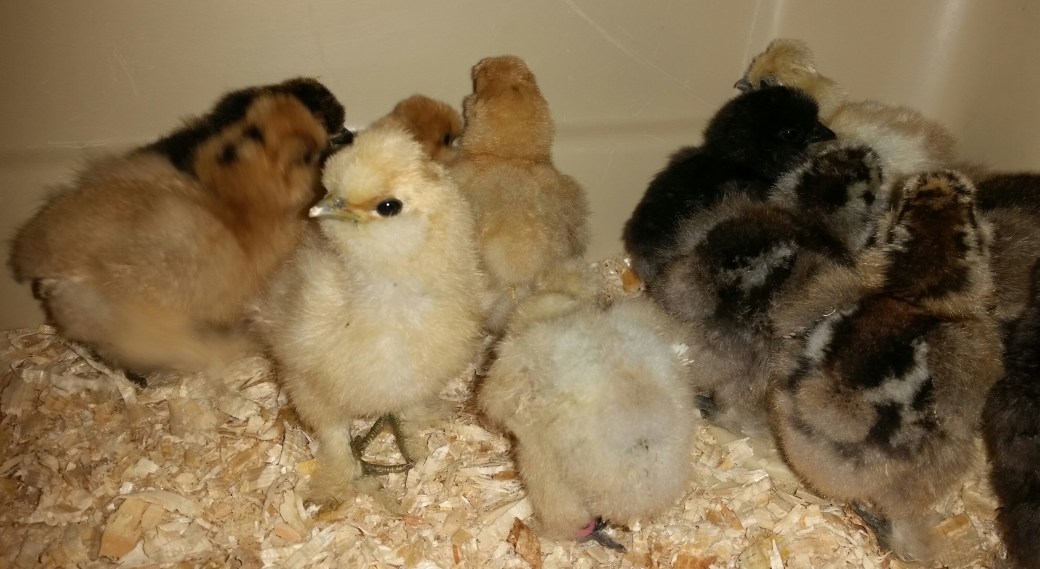
Tag: chickens
Correct Brooder Temperature and Introduction to Outdoors for Chicks
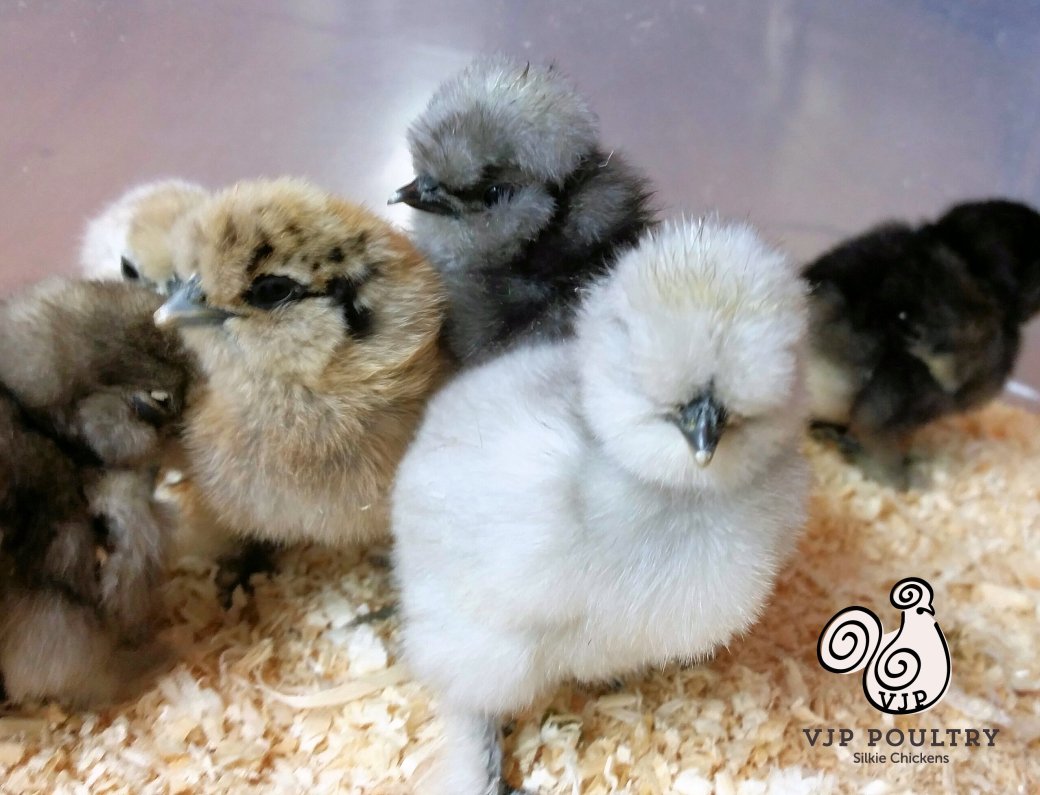 It is both fun and exciting to have baby chicks in the house. Many first time chick owners fret about what the ideal brooder temperature should be. As the chicks grow and their space needs expand many people wonder when would be the best time for integrating the chicks outdoors with the rest of the flock in the coop. We will be exploring both of these questions in this article.
When deciding on a source for brooder heat you need to think about the air temperature surrounding your brooder. A brooder should be inside to regulate temperature and moisture and to prevent predators from getting at the chicks. Inside means that it can be in a garage, laundry room, shed or barn. It can even be inside of your coop. You will want to have some kind of cover on it to keep out predators. A cookie rack or screen works well.
A newborn chick’s body is covered with down. The newborn will have a hard time controlling it’s own temperature since it does not have real feathers yet. They will warm themselves by huddling close together. Chicks need an additional heat source until their down gives way to hard feathers. Chicks raised by a mother hen will be seen darting in and out from under her wing as they use her body as a heat source. A hen’s internal temperature ranges from 105-107 degrees F.
The rule of thumb is to start your brooder temperature at 95 degrees F (35 C) and reduce it 5 degrees F (3 C) each week until the brooder temperature is the same as the room’s temperature.
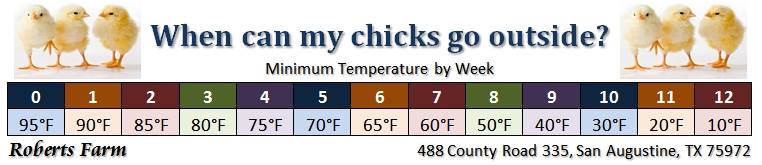
This chart from Roberts Farm is a good resource to judge what temperature the brooder should be for how old the chicks are. It also can give you an idea of what age they can transition to the outside according to the outside temperature. For example, if your chick is 6 weeks old, it needs to be at least 65 degrees F for it to be outdoors.
Make sure that your brooder heat source is up and running for at least 24 hours before you introduce chicks to it. Chick brooder temperature is measured with a thermometer placed 2 inches (5 cm) above the brooder floor. You may want to measure it with several different thermometers as sometimes they will each read differently.
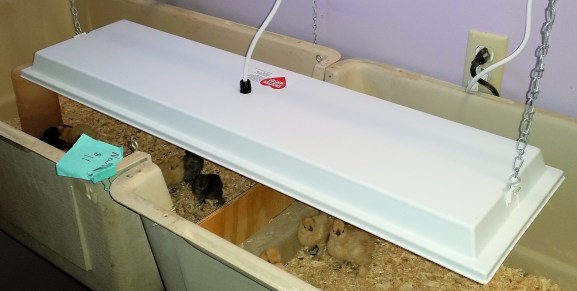
Many people use a brooder heat lamp with a 250 watt bulb. The red heat bulb helps to prevent picking among chicks and can help with night time light. Start by hanging the lamp with an adjustable chain at about 18 inches above the chicks. Don’t rely on the clamp to hold the heat lamp safely. You need to add a chain and hang it from a hook above the brooder. You must take safety precautions when using this type of brooder heater as if they fall they will cause fires. As the chicks grow, you can shorten the chain to decrease the temperature in the brooder.
A heated panel uses radiant heat. It only heats directly below the panel. This makes it easier for chicks to move away from the heat. Ecoglow can have its heat adjusted by lengthening its legs. Sweeter Heaters are hung from above and can be raised and lowered to change temperature. Heated panels are not a fire hazard and will not burn out like a heat lamp bulb could do, which would chill your chicks.
A chick’s body language will tell you whether or not they are too hot or too cold. Chicks that aren’t warm enough will crowd towards the heat source. They will peep shrilly and constantly. Their poo will begin to paste up on their bottoms. Pasty Butt can clog their vents which could lead to death. In an attempt to get warm while they sleep, the chicks could pile up and smother each other. Piling often happens at night when the room temperature drops.
Chicks that are too warm move away from the heat source. They spend less time eating and grow more slowly. They pant and crowd to the edges of the brooder. They keep their heads down and are very quiet. If the brooder is hot enough to raise their internal temperature above 117 degrees F, they will die.
Chicks at the correct temperature are happy chicks. They wander around their brooder making musical sounding noises of contentment. They breathe through their nostrils and do not pant.
Chicks need one half square foot of space each for the first two weeks. They grow fast. You will need to increase the amount of space as they head into three and four weeks of age. You will need a bigger brooder or split the group and get a second brooder. They can be off of the heat lamp when the temperature of the room they are in matches their age on the chart above. Chicks hatched in winter or early spring will need a heat source longer than chicks hatched in late spring or early summer. Larger breeds will be sooner than bantams.
When they are ready to transition outside (They must be feathered out) start by letting them outside during the day. Chicks can be vulnerable to predators such as hawks and the neighbor’s cat so be sure to keep an eye on them. A dog kennel or fencing keeps them protected and doesn’t let them escape. Bring them back inside at night.
If they are too cold outside they will let you know by puffing up their feathers and peeping in a frightened way. Don’t leave them alone as they could become chilled quickly.
Don’t be in a hurry to put them with other adult chickens. Ideally, they should be the same size as the rest of your flock. Pecking order is a real thing and they will be pecked at by the larger birds. Start by having them close together but separated by a barrier. They will be able to see each other but not touch each other. Gradually give them more opportunities to be together. The integration process can take anywhere from a few days to a few weeks.
For tips and tricks for raising outstanding silkies check out our Chicken Learning Center at VJPPoultry.com . VJP Poultry is an NPIP and state inspected hatchery located 30 miles north of St. Paul. We hatch out silkies all year long so we always have stock available. Like us on Facebook to get weekly updates on what we currently have for sale.
Victoria J. Peterson
Chicken Themed Gift Wrap
When it comes to wrapping paper, we want something that reflects our own personal obsessions or those to whom the gift is for. People who like chickens often like to find special or unique gift wrap featuring pictures of chickens. Maybe someone you know is crazy about poultry and you would like to find a wrapping paper to show that you are thinking about what makes them.
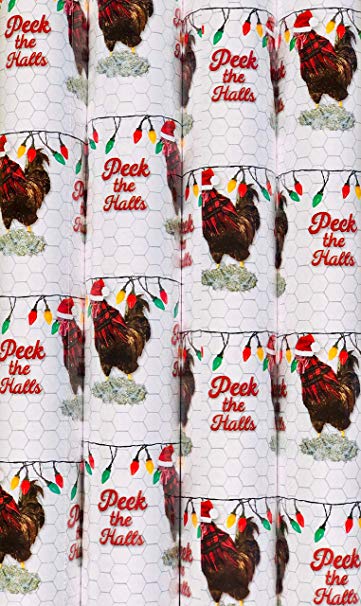
Chicken in a Santa hat gift wrap and Farm Life at Christmas wrapping paper.
Use some glitter chicken wire ribbon with it.
Tassotti and Cavallini have two beautiful sets of wrapping paper. Almost too nice to use, you may want to frame it. The first is Chickens and Roosters 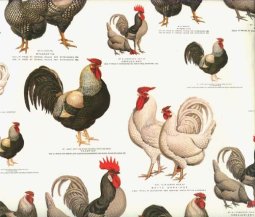
and the second is Common Breeds of Chickens. 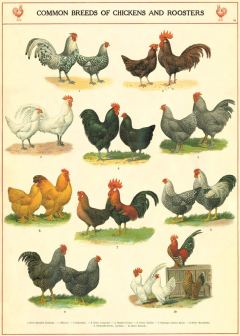
Beautiful Italian wrapping paper featuring Baby Chicks. 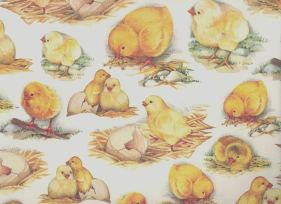
Alex Clark has a few designs printed in England. Checkerboard Chickens 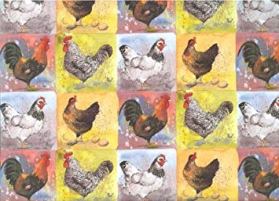
Everyone will be Oohing and Ahhing over your choice of Chicken and Peeps Kraft wrapping paper. 
Farm Animal wrapping paper and Farmyard Birthdaygift wrap.
To store all of this gorgeous paper you may need one of these gift wrap storage containers.
This would look great paired with a rusty chicken wire ribbon. 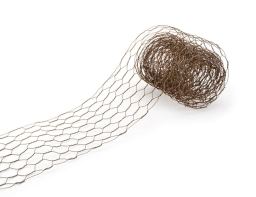
For more tips and tricks for raising outstanding silkies check out our Chicken Learning Center at VJPPoultry.com . VJP Poultry is an NPIP and state inspected hatchery located 30 miles north of St. Paul. We hatch out silkies all year long so we always have stock available. Like us on Facebook to get weekly updates on what we currently have for sale.
Victoria J. Peterson

Feed and Treats For Baby Chicks
 The sooner you start your baby chicks with good nutritional habits the better off they will be their entire lives. Typically we are told that baby chicks don’t need anything to eat or drink for about 48 hours after they are hatched. They will be getting sustained by the yolk of the egg which they absorb into their bodies just before they break through the shell. This is why they can be sent by post office from hatcheries with nothing to eat or drink in their boxes. Research is now showing that chicks that are given food and water immediately after hatching have a better chance of survival and better growth. Yes, they can survive without food or water for the first few days but it is much better if they are given the opportunity to eat and drink right away.
Chick Starter is the ideal food for baby chick’s first week and should be the sole ration. Feed companies spend lots of time and money researching and preparing mixtures that provide optimum nutrition for growing chicks. Chick starter has sufficient protein, carbohydrates and vitamins to support growth. Chick starter should be given for at least the first six to eight weeks and can actually be given to adult birds as well. Do not try and mix your own feed at this point as it is crucial that baby newborn chicks have the nutrients they need to grow. If you get caught without chick starter when your chicks hatch, you can mash up hard boiled egg yolk with ground up oatmeal as a temporary substitute. Don’t give treats until they are very familiar with what the chick starter looks like. smells like and tastes like.
There are two types of chick starter, medicated and nonmedicated. Medicated chick starter comes with medication to prevent coccidiosis, an intestinal disease that interferes with nutrient absorption. If you keep your chicks in a clean brooder and do not let them have contact with adult birds or the ground, they do not need to have the medicated chick starter. If you brood a lot of chicks (over 50) and it is hot and humid outside, then you might consider getting the medicated chick starter. Do not give them the same food that your adult chickens eat. They need a high protein food which has a protein level of 20%.
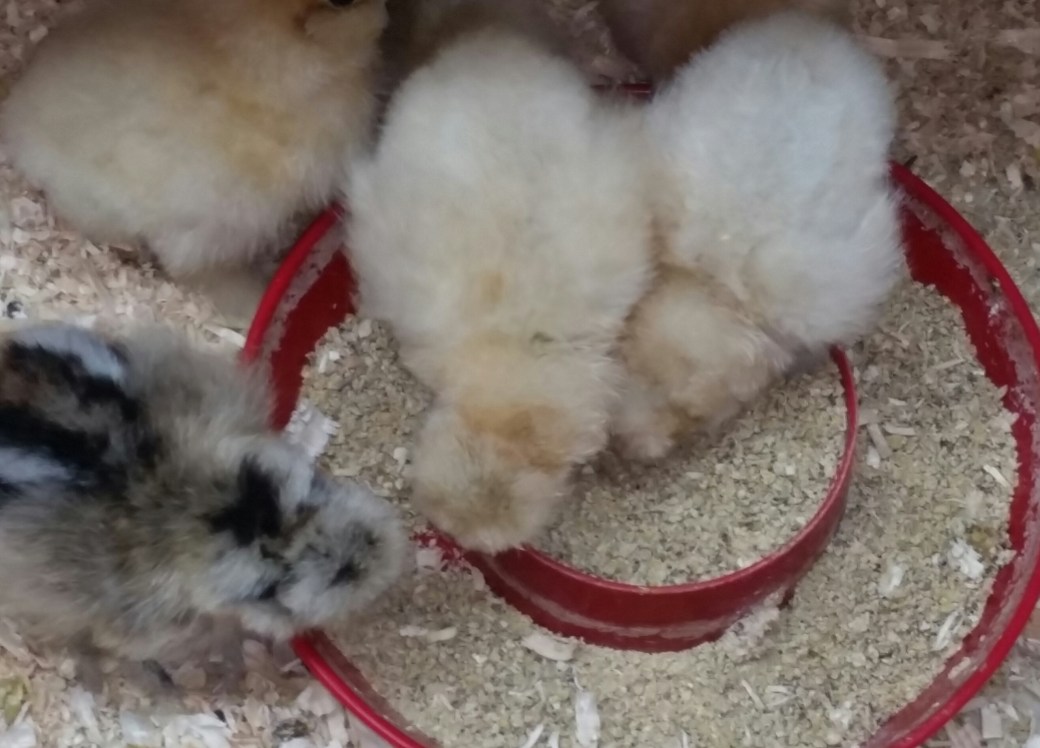
Start by sprinkling chick starter on top of a paper towel in order to encourage pecking at it. You can then move to a chick feeder. I like to use red colored feeders as the color red stimulates the chick and encourages pecking. If your chick does not seem to be eating and drinking, dip their beak into the water and then again into the food. If a chick is not eating or drinking it will feel lighter than the other birds. I also like to grind up the chick starter into smaller particles using a coffee grinder. They seem to like it better when the pieces are smaller.
I also add vitamins, probiotics and electrolytes to the newborn chick’s water. Rooster Booster is a great product for these additives. I also had a little apple cider vinegar (with the mother) to their water for overall good health.
When you are ready to add treats to your chicks diet, make sure that they are healthy treats. Good examples would be foods like fruits and vegetables, high protein, whole grains, low sugar, and low salt products. If chicks are given anything besides chick starter, they will need grit (sand) to aid in digestion. Chick starter is digested by saliva but other foods require grit for grinding in the gizzard since the chicks do not have teeth.
At this age they should have chick grit, not adult grit which would be too large for them. Sprinkle the sand on top of their food as if you were sprinkling salt on something. Do not place it in a separate dish but put it right on the food to make sure that they are getting some. Grit is not the same thing as Oyster Shell. They should not be given oyster shell at all as too much calcium will cause organ failure.
The first treats that I give are mashed hard boiled egg yolk and ground oatmeal. I grind the oatmeal in a coffee grinder. It will almost look like powder. After that I might move on to sweet corn. I grind that up in a food processor. Whatever you give to them must be in small pieces. I also like to take carrots and grind them up in the food processor. Leafy greens must be very processed and in tiny pieces. You do not want the chick to develop crop issues.
Some people like to give unflavored yogurt to chicks. I have found it to be very messy and being a dairy product, I would not give them too much of it. It can cause stomach upset. Probiotics are a good choice for gut health instead.
Older chicks can be given Chick Sticks or mealworms for a treat. You can also begin giving scraps from your dinner table as long as the pieces are small and grit is sprinkled on top.
When chicks eat treats they are not eating commercial feed which should be their main source of nourishment. Treats should only be 5-10% of a chick’s diet. Anything that you add to their diets can dilute the nutrient balance of the commercial feed. Even healthy snacks should be given in moderation. A chick’s growth and immune system can be affected by too many treats which can create an imbalance in nutrients.
When chicks are around eight weeks old they can move on to Grower feed. Start by mixing the two together 50% chick starter and 50% grower feed. Don’t save your chick starter for the next time you have chicks. It will grow moldy and be harmful for the chicks. Use it all up. It is ok for them to be eating it at any stage of development.
For tips and tricks for raising outstanding silkies check out our Chicken Learning Center at VJPPoultry.com . VJP Poultry is an NPIP and state inspected hatchery located 30 miles north of St. Paul. We hatch out silkies all year long so we always have stock available. Like us on Facebook to get weekly updates on what we currently have for sale.
Victoria J. Peterson
Bachelor Pads for the Silkie Rooster
 What can you do with your extra roosters? Almost every flock owner that keeps roosters is faced with this dilemma. There are rooster rescues, craigslist ads or even the stew pot, but not all of these solutions work for all people. Maybe a rooster bachelor pad or Roo frat house is a solution for you.
Bantam breeds are very difficult to sex. Silkies may be at the top of that list. Silkies are usually sexed at around 3 to 4 months old. Bantams and silkies are sold “straight run” which means that you are buying the chicks unsexed. Fertile chicken eggs have a 50/50 chance of being roosters. Consequently, many people end up with more rooters than they bargained for.
If you and your family have raised a group of baby chicks up from day olds, you will no doubt have become very attached to every single member of your flock. It will bring a tear to your children’s eyes if you contemplate selling or giving away your little guys to someone who may be planning a chicken dinner or even worse, such as using them for cock fighting or as bait birds.
The problem with extra roosters is that the many people who end up keeping all of them and not removing them from their flock assume that the boys can just continue to be part of their little group and that nothing will change. Well, puberty happens and the male hormones start to kick in and the sweet little boys that you cuddled will suddenly have other things on their minds.
The optimal ratio for roosters to hens is around one rooster for every ten hens. In a pen where just one rooster rules the roost, the flock is content and happily free from stress. If you invite several “extra” roosters to join them you are opening up your flock to what could be a disaster.
Normal rooster behavior is to defend his flock of hens from all predators and other males. He will give his life to protect his girls. When you add more males into the pen it will create fights and anxiety. This disruption of constant fighting will cause the hens in that pen to stop laying as a stressful environment is not conducive to raising a family.
Multiple roosters mating with too few hens will cause the feathers on your hen’s back and crest to be pulled out and damaged. Hen aprons can be a solution if you are experiencing this problem. You may also find that the roosters will turn on you as well, as all are fighting for a place of dominance in the pecking order.
Creating a bachelor colony or frat house is a solution. All extra males would be housed together in a separate pen away from the rest of the flock. Ideally, you want it to be somewhere where they cannot see or hear any hens. If they know that hens are nearby they will continue to fight each other for them.
First of all, your rooster run will need to be adequately sized so that they do not feel overcrowded. Even with no hens around, the males will still feel territorial and need plenty of space. Multiple feeders and waterers are important. Roosters that are higher up on the dominance scale may try and prevent lower roosters from eating and drinking.
Trim or remove all rooster’s spurs in order to protect pen mates from damage during any squabbles. Use a diagonal wire cutter to trim off as much as you can. Keep nails trimmed with a nail clipper and trim around their eyes with blunt scissors so they aren’t surprised by anything.
Studies have shown that in the wild, roosters will willingly spend time together in a flock away from the hens so penning them separately is not entirely unusual for them. Watch for signs of anxiety . I have found that all will be getting along fine and then suddenly all are fighting. This is when I generally let them out to free range. Putting space between them generally settles them down. Some people permanently let their roosters free range and simply keep the hens locked in their own run.
Some people will rotate roosters into other pens so that all roosters get to spend some time with hens. Remember that all chickens hate change. This will be reflected in a drop in egg production as they get used to having a new rooster.
Sometimes it is easier to have a separate cockerel pen with no hens in sight or ear shot. Once birds reach maturity individual pens are sometimes best. Then you only move the roosters for breeding . This gives you total control of your flock or breeding program. When they are not breeding, the roosters are in their quarters which gives the hens a break. Many roosters will be friendly and docile when you are the only one having contact with them. Pick the roosters up frequently and carry them around . They love to have their chests and wattles stroked. If a rooster is too excited, hold him until his heart rate goes down before putting him back on the ground. When roosters are trained and treated well, they can make excellent companions.
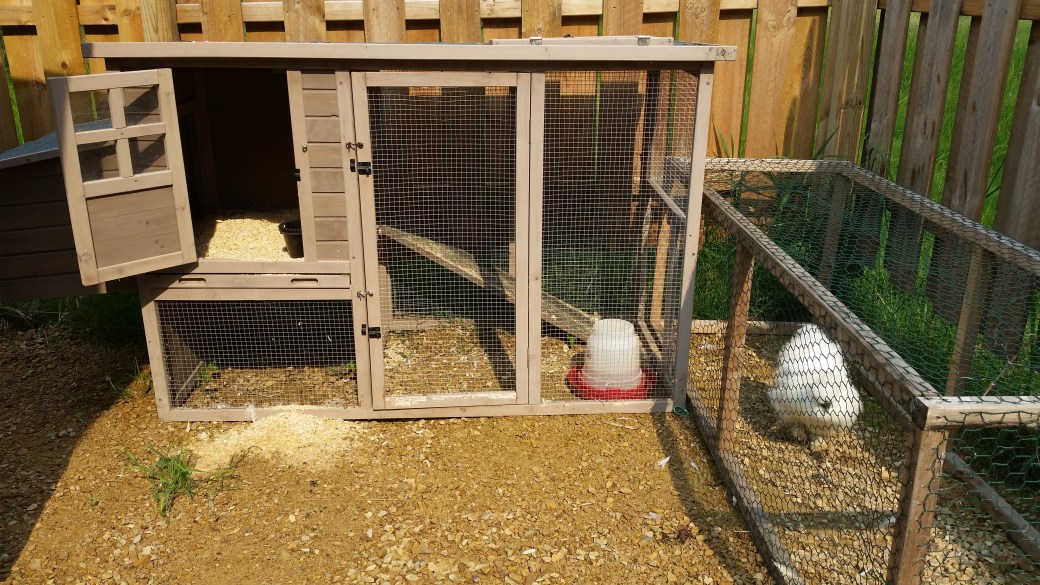
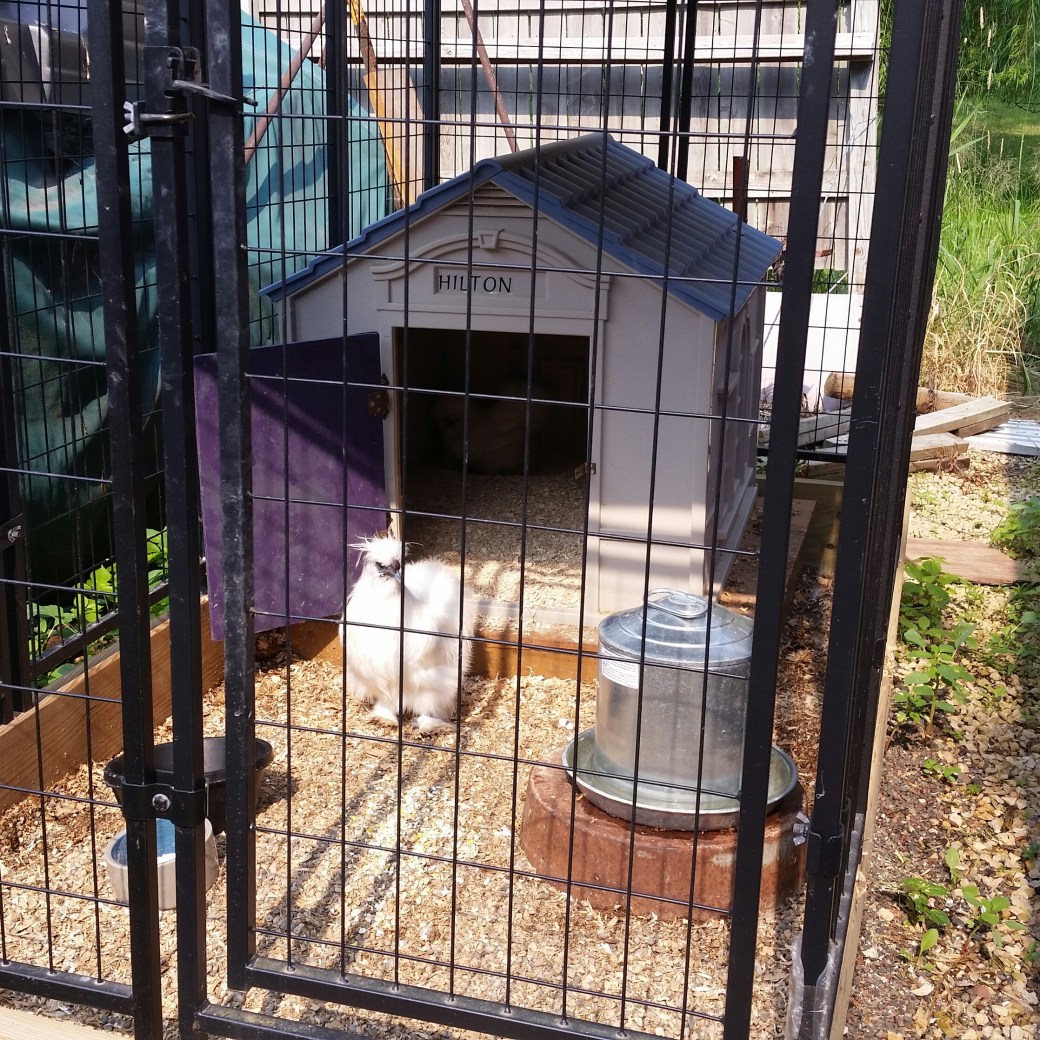
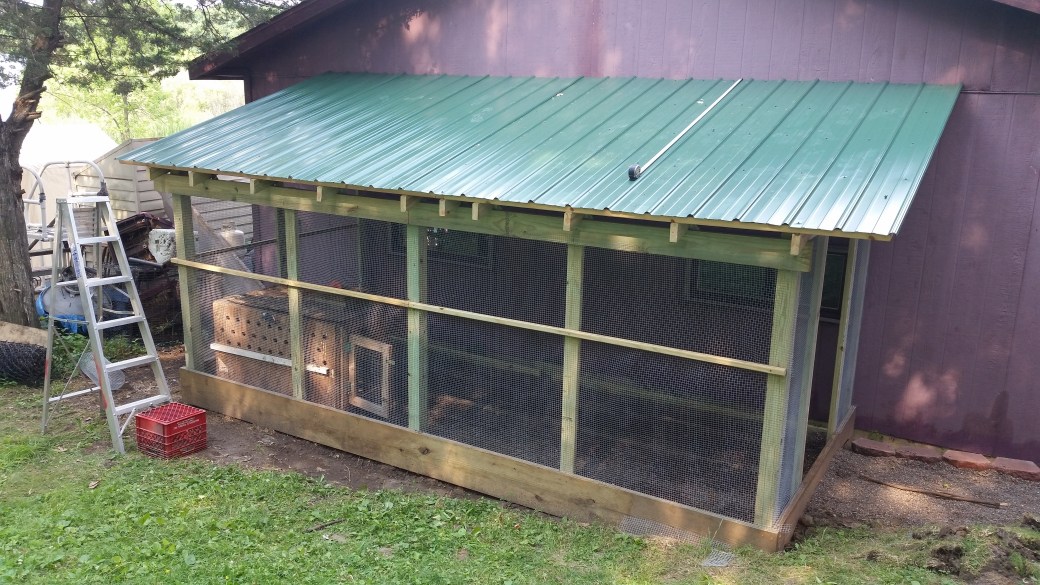
Keeping your roosters in individual pens also controls their environment. You will be able to evaluate your breeders more accurately and be able to make improvements to the quality of your birds. You can use small coops like the one in the above picture, or even a dog house with fencing like the picture below. A nice plastic snaplock coop is easy to clean and take care of. Chicken tractors are always good choices for male colonies as they can be moved around far from the girls. At the end of this article you can see the bachelor pad we recently built. I like to have an heir and a spare when it comes to roosters and we built this one on the side of the garage away from the rest of the flock. They are not able to see or hear hens from this spot.
For tips and tricks for raising outstanding silkies check out our Chicken Learning Center at VJPPoultry.com . VJP Poultry is an NPIP and state inspected hatchery located 30 miles north of St. Paul. We hatch out silkies all year long so we always have stock available. Like us on Facebook to get weekly updates on what we currently have for sale.
Victoria J. Peterson
 VJP Poultry