 What can you do with your extra roosters? Almost every flock owner that keeps roosters is faced with this dilemma. There are rooster rescues, craigslist ads or even the stew pot, but not all of these solutions work for all people. Maybe a rooster bachelor pad or Roo frat house is a solution for you.
Bantam breeds are very difficult to sex. Silkies may be at the top of that list. Silkies are usually sexed at around 3 to 4 months old. Bantams and silkies are sold “straight run” which means that you are buying the chicks unsexed. Fertile chicken eggs have a 50/50 chance of being roosters. Consequently, many people end up with more rooters than they bargained for.
If you and your family have raised a group of baby chicks up from day olds, you will no doubt have become very attached to every single member of your flock. It will bring a tear to your children’s eyes if you contemplate selling or giving away your little guys to someone who may be planning a chicken dinner or even worse, such as using them for cock fighting or as bait birds.
The problem with extra roosters is that the many people who end up keeping all of them and not removing them from their flock assume that the boys can just continue to be part of their little group and that nothing will change. Well, puberty happens and the male hormones start to kick in and the sweet little boys that you cuddled will suddenly have other things on their minds.
The optimal ratio for roosters to hens is around one rooster for every ten hens. In a pen where just one rooster rules the roost, the flock is content and happily free from stress. If you invite several “extra” roosters to join them you are opening up your flock to what could be a disaster.
Normal rooster behavior is to defend his flock of hens from all predators and other males. He will give his life to protect his girls. When you add more males into the pen it will create fights and anxiety. This disruption of constant fighting will cause the hens in that pen to stop laying as a stressful environment is not conducive to raising a family.
Multiple roosters mating with too few hens will cause the feathers on your hen’s back and crest to be pulled out and damaged. Hen aprons can be a solution if you are experiencing this problem. You may also find that the roosters will turn on you as well, as all are fighting for a place of dominance in the pecking order.
Creating a bachelor colony or frat house is a solution. All extra males would be housed together in a separate pen away from the rest of the flock. Ideally, you want it to be somewhere where they cannot see or hear any hens. If they know that hens are nearby they will continue to fight each other for them.
First of all, your rooster run will need to be adequately sized so that they do not feel overcrowded. Even with no hens around, the males will still feel territorial and need plenty of space. Multiple feeders and waterers are important. Roosters that are higher up on the dominance scale may try and prevent lower roosters from eating and drinking.
Trim or remove all rooster’s spurs in order to protect pen mates from damage during any squabbles. Use a diagonal wire cutter to trim off as much as you can. Keep nails trimmed with a nail clipper and trim around their eyes with blunt scissors so they aren’t surprised by anything.
Studies have shown that in the wild, roosters will willingly spend time together in a flock away from the hens so penning them separately is not entirely unusual for them. Watch for signs of anxiety . I have found that all will be getting along fine and then suddenly all are fighting. This is when I generally let them out to free range. Putting space between them generally settles them down. Some people permanently let their roosters free range and simply keep the hens locked in their own run.
Some people will rotate roosters into other pens so that all roosters get to spend some time with hens. Remember that all chickens hate change. This will be reflected in a drop in egg production as they get used to having a new rooster.
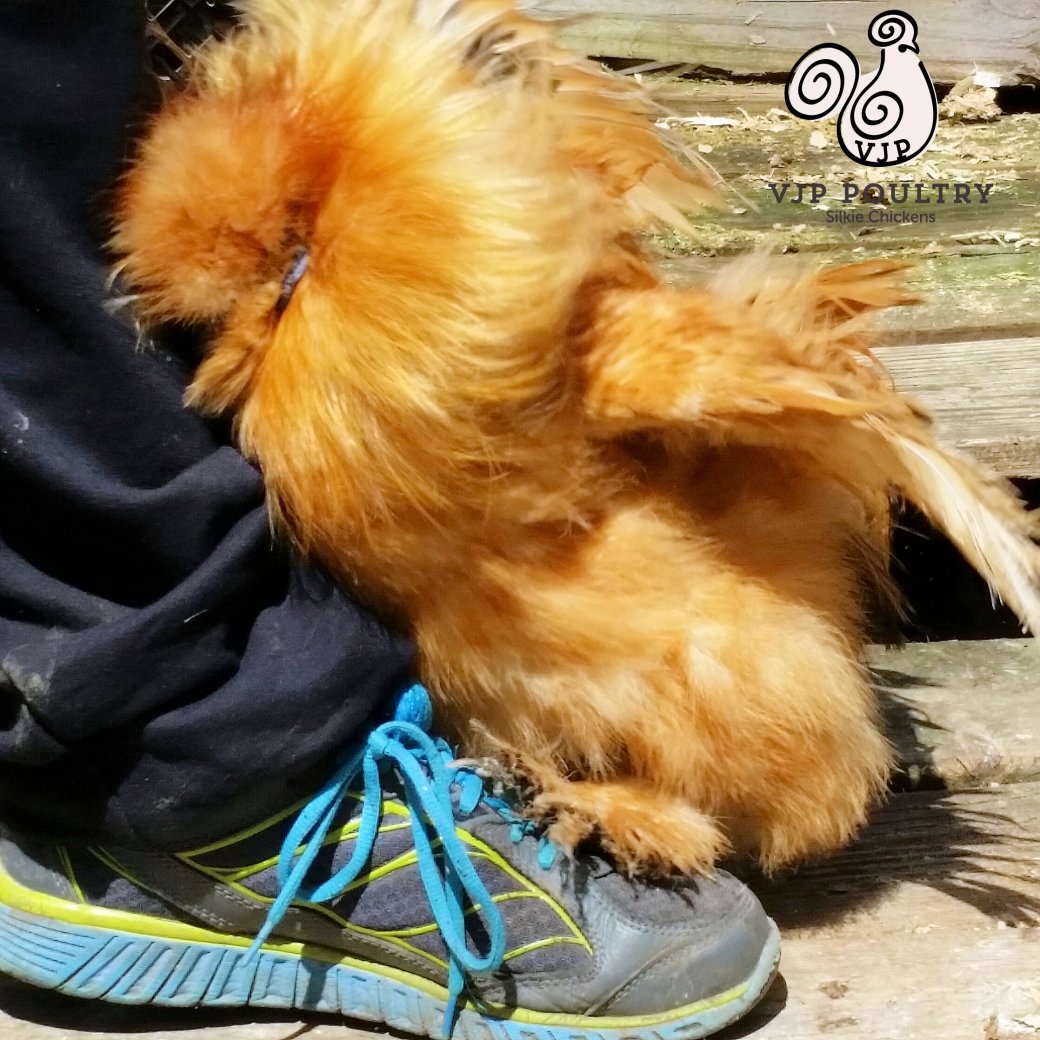
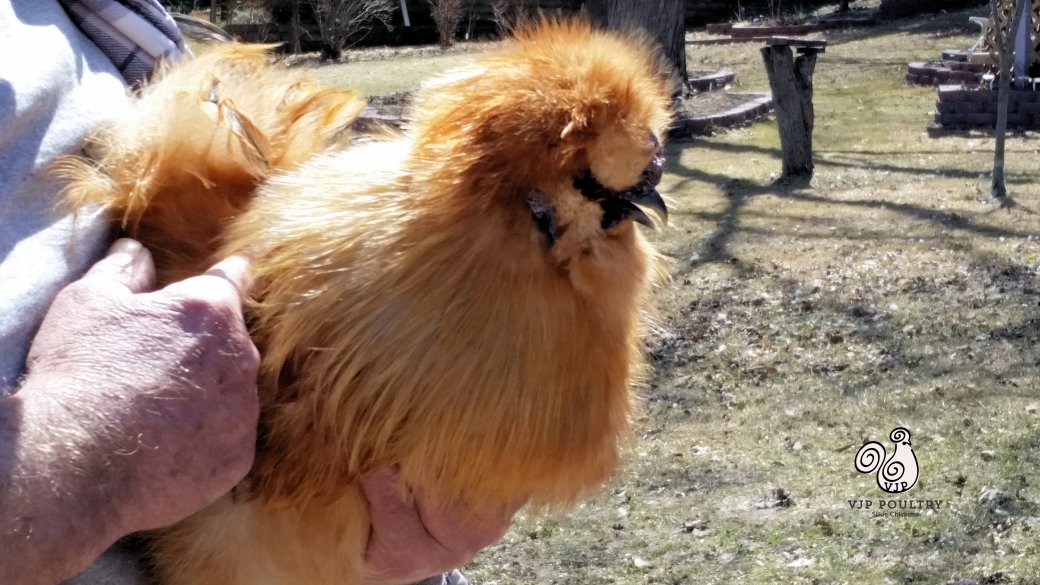
Sometimes it is easier to have a separate cockerel pen with no hens in sight or ear shot. Once birds reach maturity individual pens are sometimes best. Then you only move the roosters for breeding . This gives you total control of your flock or breeding program. When they are not breeding, the roosters are in their quarters which gives the hens a break. Many roosters will be friendly and docile when you are the only one having contact with them. Pick the roosters up frequently and carry them around . They love to have their chests and wattles stroked. If a rooster is too excited, hold him until his heart rate goes down before putting him back on the ground. When roosters are trained and treated well, they can make excellent companions.
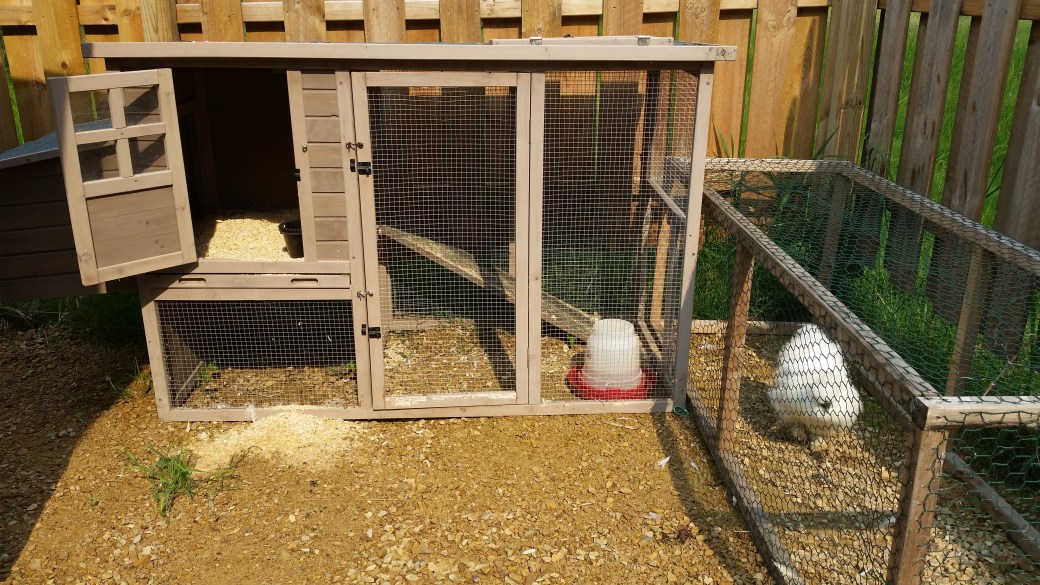
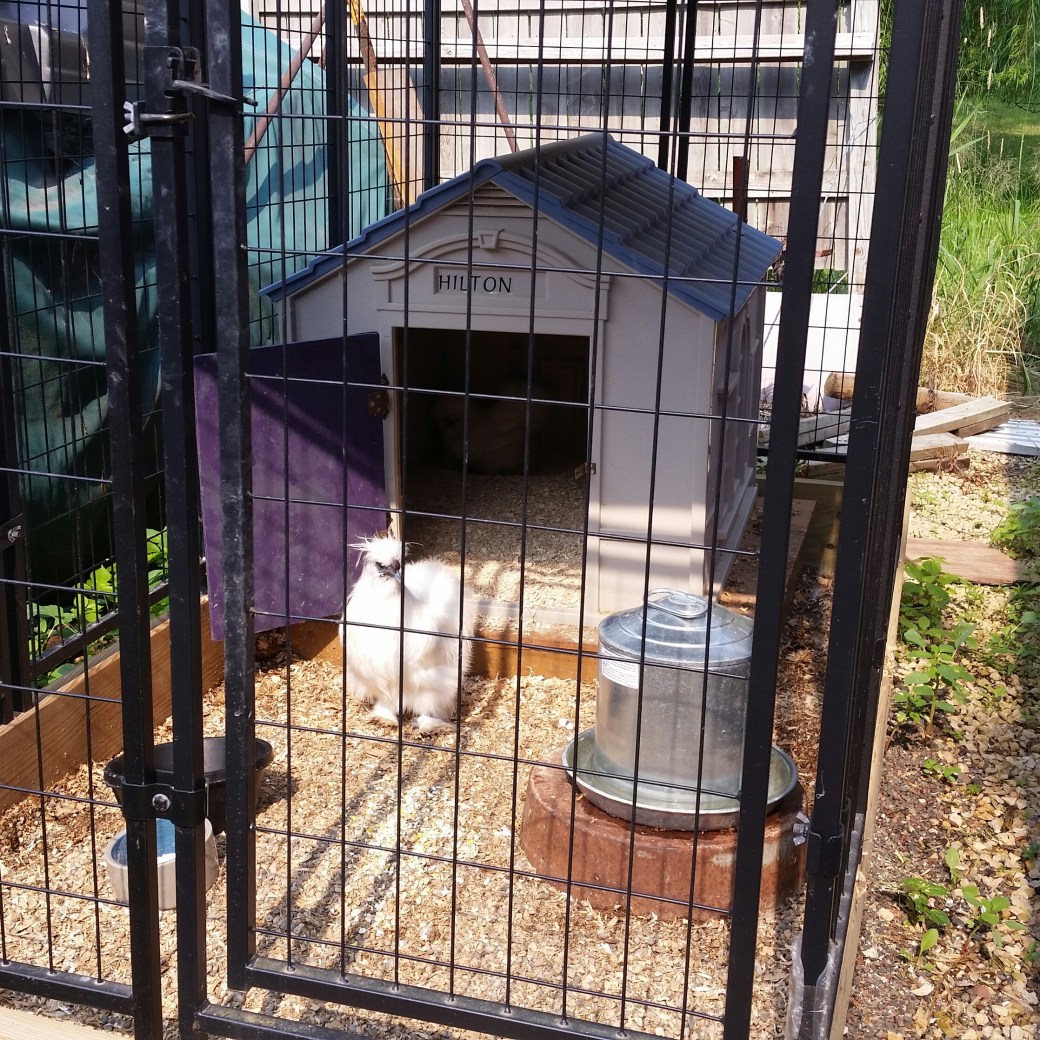
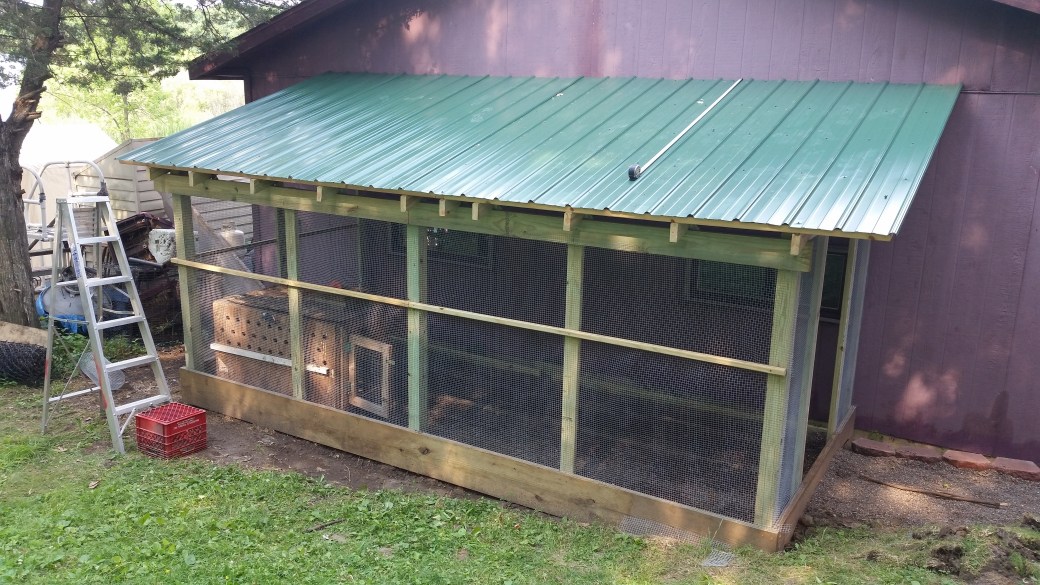
Keeping your roosters in individual pens also controls their environment. You will be able to evaluate your breeders more accurately and be able to make improvements to the quality of your birds. You can use small coops like the one in the above picture, or even a dog house with fencing like the picture below. A nice plastic snaplock coop is easy to clean and take care of. Chicken tractors are always good choices for male colonies as they can be moved around far from the girls. At the end of this article you can see the bachelor pad we recently built. I like to have an heir and a spare when it comes to roosters and we built this one on the side of the garage away from the rest of the flock. They are not able to see or hear hens from this spot.
For tips and tricks for raising outstanding silkies check out our Chicken Learning Center at VJPPoultry.com . VJP Poultry is an NPIP and state inspected hatchery located 30 miles north of St. Paul. We hatch out silkies all year long so we always have stock available. Like us on Facebook to get weekly updates on what we currently have for sale.
Victoria J. Peterson
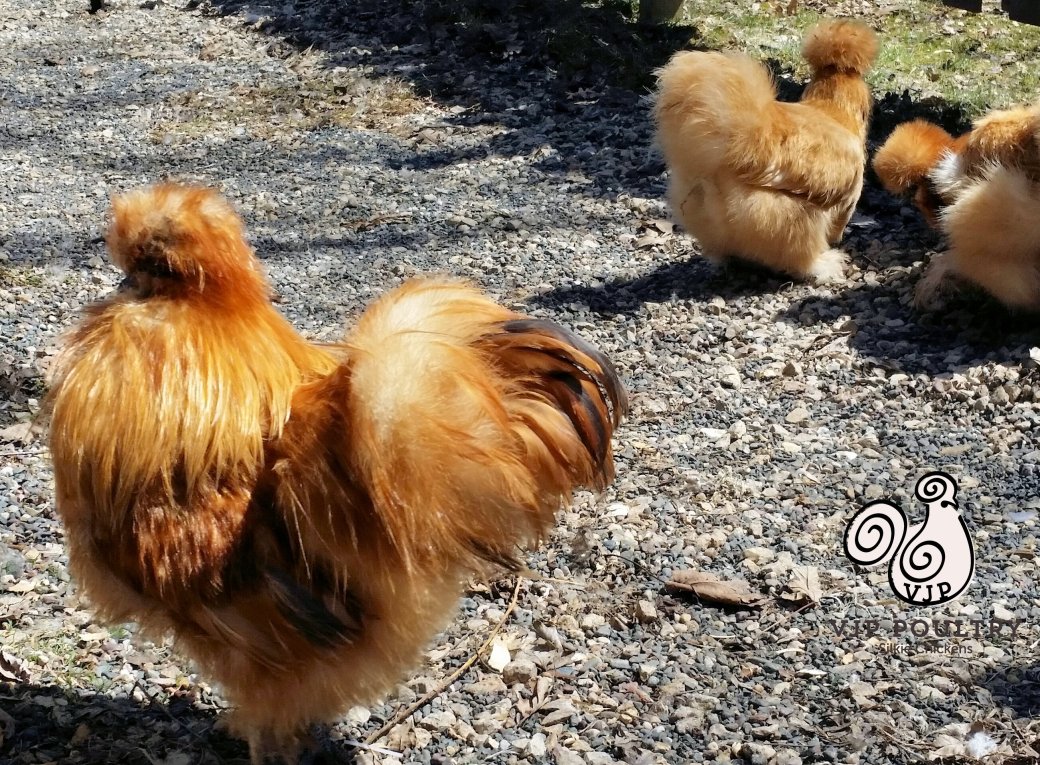 If someone says that they “rule the roost” at their house you may wonder where that term came from. The top chicken gets the best place on the roosting bar at night as part of a complex hierarchy commonly called “the pecking order.” The pecking order has an influence on feeding, drinking egg laying, roosting, crowing, mating and even dust bathing.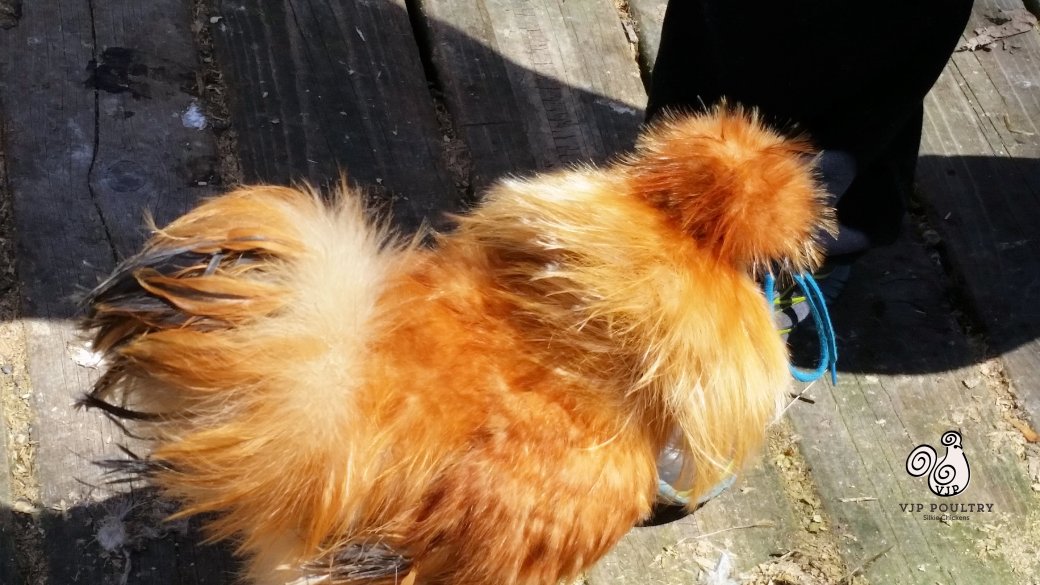
 VJP Poultry