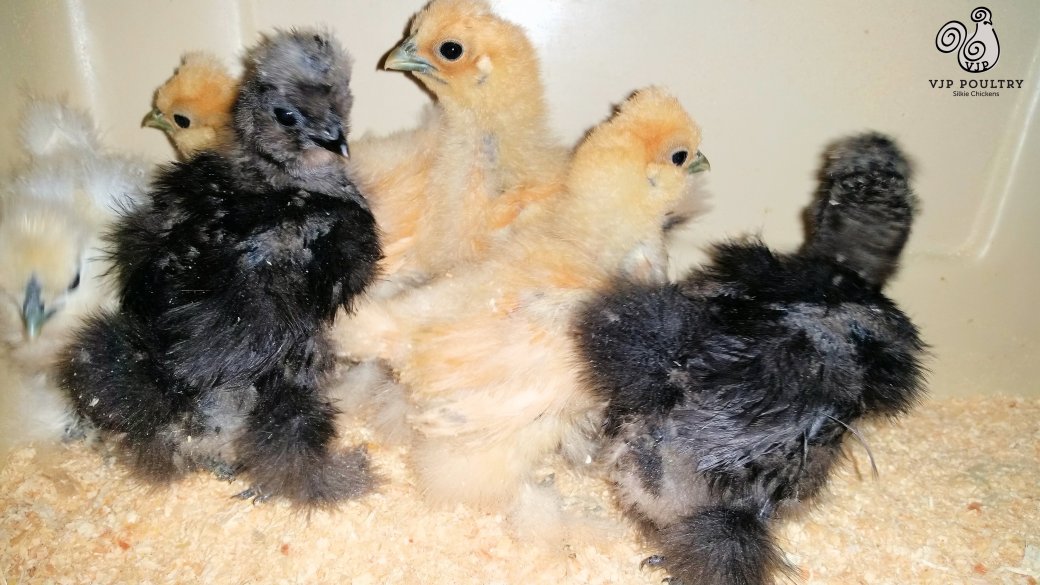
 Silkies are sometimes described as a more high maintenance breed of chicken. Owners are known to give them baths and pedicures and to trim around their eyes when they are so fluffy that they can no longer see. Many live a pampered existence.
Silkies are often thought to need a higher protein chicken food than most other breeds. We feed all of our adult silkies a Gamebird Conditioner feed which is 20% protein. But, does the feed contain all of the vitamins needed for outstanding birds?
Most commercial feed companies will make sure that there is the proper amount of vitamins and minerals for the type and age of the bird. For example, layer feed will have the higher amount of calcium that the hen needs to create egg shells.
However, with any product, the age of the feed is critical to its nutritional content. Vitamins are sensitive to changes due to light, heat and moisture and can lose potency over time.
Some people try to create their own feed mixtures and this can leave the birds with incorrect amounts of certain vitamins and minerals. Corn and scratch are enjoyed by chickens but are empty calories.
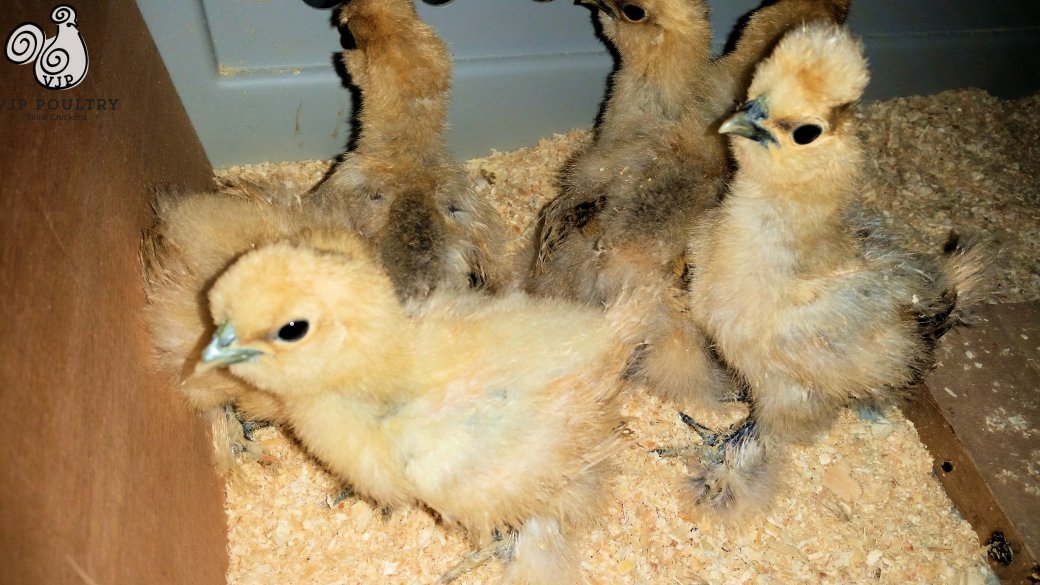
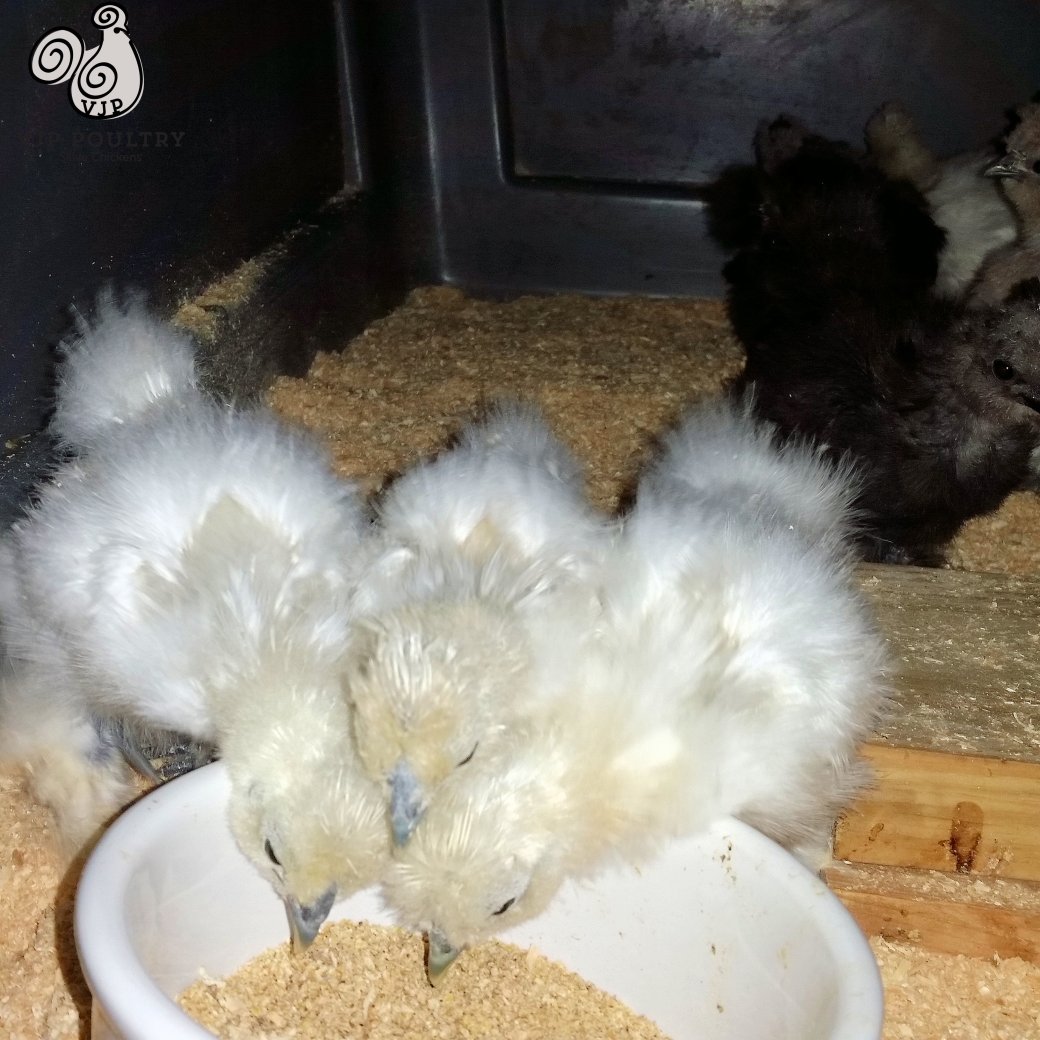
Silkies need extra vitamins during times of stress, very cold weather, when they are breeding , when they are chicks and growers and when they are ill.
There are two kinds of vitamins. Fat soluble and water soluble. Water soluble vitamins are not affected by the fats in the chickens diet. These would be the B and C vitamins. If too much is ingested, it is excreted through the urine. Fat soluble vitamins are A, D, E and K. More care needs to be taken not to over supplement these particular vitamins.
Cluck N Sea Kelp is a nice mixture of Kelp meal that can be added to the regular feed with many benefits. Poultry Power can be added to their food and is a good source of vitamin E. Life Lytes Mega tabs is another product that can be added to the water. It is a good souce for vitamins A, B12, D and E. Durvet Vitamins and Electrolytes is what I use to add to both my chick’s and adult’s water. Rooster Booster is a product I would use with adults for show conditioning or if I was having problems with roosters not performing. Nutri Drench can be used if you have a sick chick and need something fast acting.
Now a word about Wry Neck…. Wry Neck is evident when you see a bird tucking her head between her legs. It usually hits young chicks but can happen in older birds. This can be caused by a vitamin E deficiency . Vitamin E and vitamin B complex are both known to be good for neurological disorders.
Wry Neck is different from a peck on the head, which silkies are very susceptible to. Their vaulted look when chicks is caused by an opening in their skull like a baby’s soft spot. Pecks can lead to head injuries that look very similar to what you see with Wry Neck. Vitamin E and Selenium (helps animals absorb vitamin E) can be helpful with these injuries.
If you think that your silkie has wry neck or a head injury, the first thing to do is separate it from the rest of the flock. Stress will make it worse, so it needs a quiet environment. Take a vitamin E capsule and squirt it onto its feed or into its mouth. Take 25 micrograms of a selenium tablet (or break a 50 mcg tablet in half ) and crush that up and add it to the feed. Give this to the chick two or three times a day. You may have to hand feed it if it is not eating by itself. It may take as long as a month before the condition disappears. Keep giving it the vitamins for two additional weeks beyond where they appear to be recovered. Wry neck affects 8% of chicks across all breeds. It is not contagious.
Since silkies are more prone to head injuries, you may want to take care not to place them in a pen along with more aggressive chickens. Keep them away from bully birds and do not place them in crowded situations.
As a preventative and just for general good health, I place 1/16 tsp of vitamins and electrolytes per 2 quarts of water. This is at the feed supplementation level. More could be used if the bird was showing illness. I also add 1/2 tsp of apple cider vinegar to the 2 quarts of water. The chicks are given vitamins every day but the adults are given it every other day. With the adults I alternate with Red Cell ( one half capful per gallon of water ) and regular vitamins as well as days where they just get plain water. Use less vitamins on hot days as they will drink more water than usual.
For tips and tricks for raising outstanding silkies check out our Chicken Learning Center at VJPPoultry.com . VJP Poultry is an NPIP and state inspected hatchery located 30 miles north of St. Paul. We hatch out silkies all year long so we always have stock available. Like us on Facebook to get weekly updates on what we currently have for sale.
Victoria J. Peterson
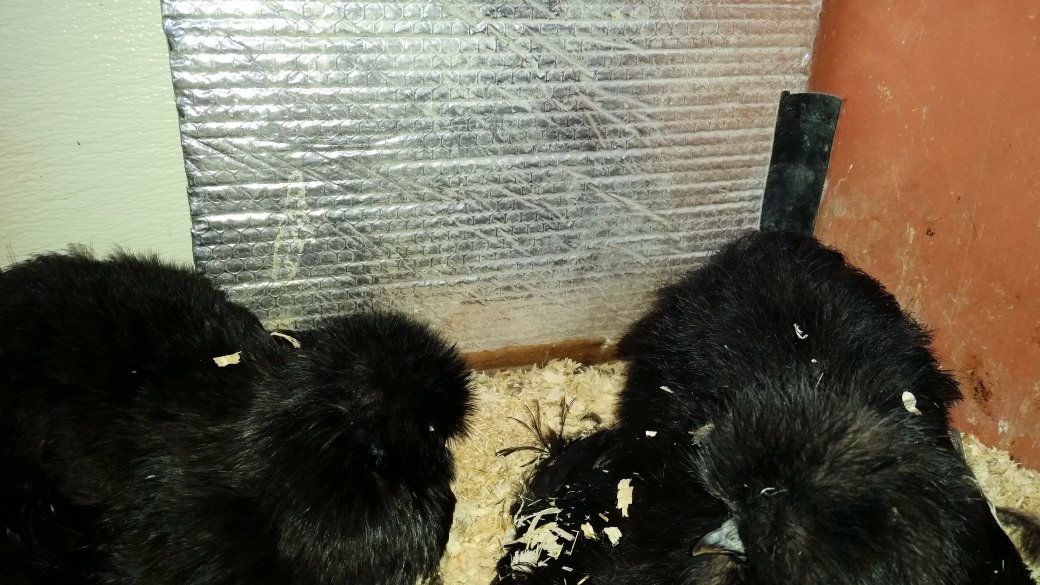
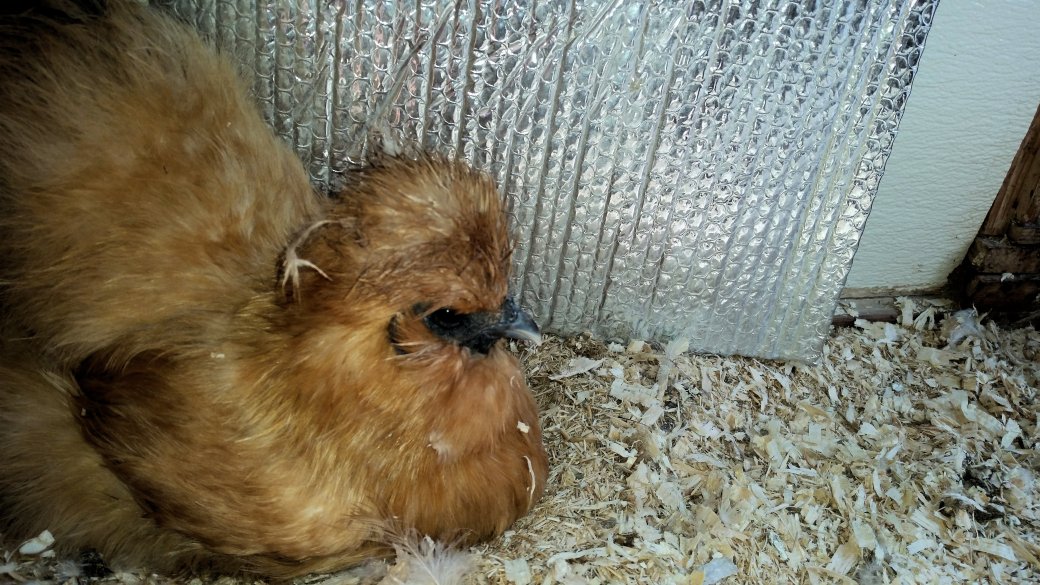 It is never too early to start thinking about winterizing your coop. Most coops fall into two groups. One type of coop is made from existing buildings such as part of a barn or an ice house. DIY coops could be put in this category too as they were all probably insulated when they were built.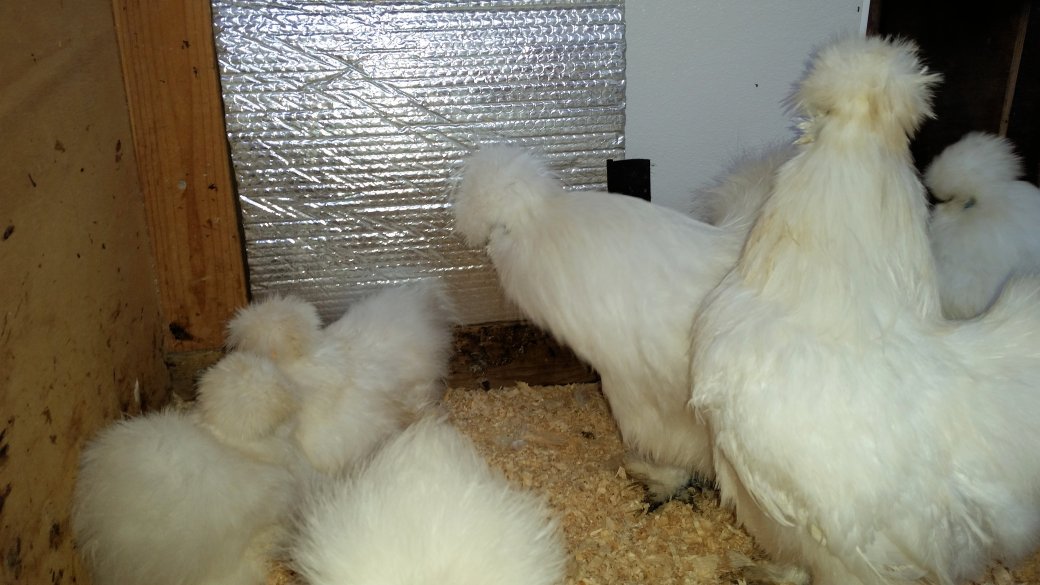
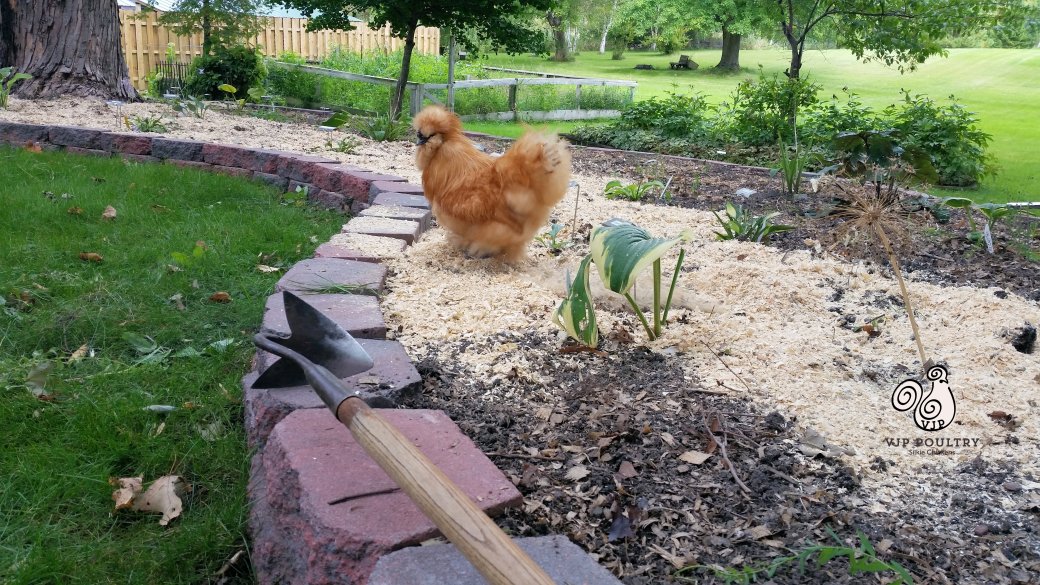
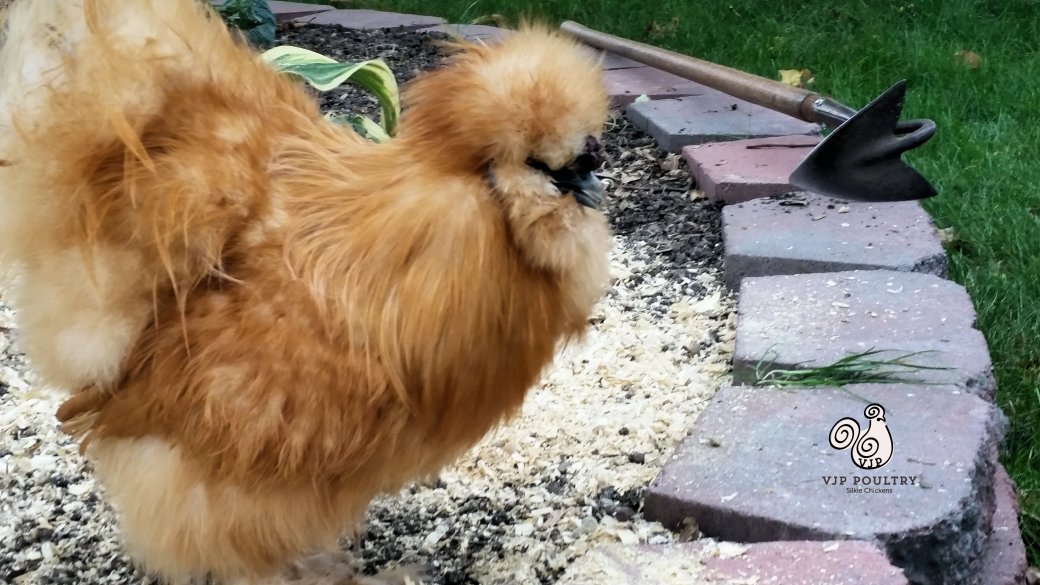 Every time I head out to the garden to work, I have one, very excited companion. He is Lando – the gardening rooster. Lando is a free ranger and most of the day is content to follow me around as I do my daily chores. He especially loves the gardening ones. He will flap his wings and crow with excitement when ever he sees the gardening hoe. He will then race over to the garden and begin to scratch and till the soil. By scratching and pulling out vegetation, he is preparing the ground for new planting.