Tag: chicken bloggers
Gardening With Chickens – Lando, the Gardening Silkie Rooster
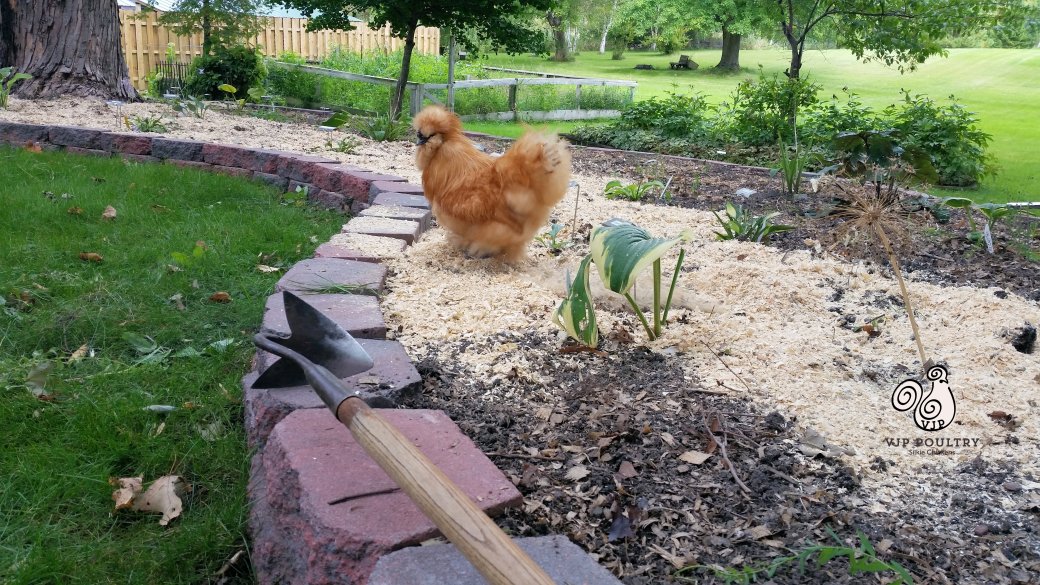
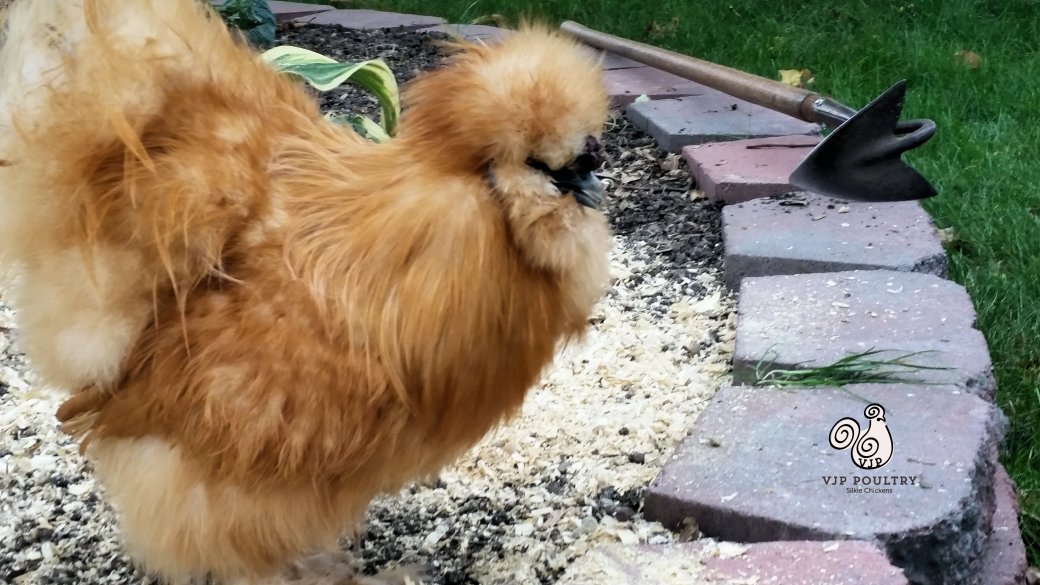 Every time I head out to the garden to work, I have one, very excited companion. He is Lando – the gardening rooster. Lando is a free ranger and most of the day is content to follow me around as I do my daily chores. He especially loves the gardening ones. He will flap his wings and crow with excitement when ever he sees the gardening hoe. He will then race over to the garden and begin to scratch and till the soil. By scratching and pulling out vegetation, he is preparing the ground for new planting.
You can do the same with your flock by moving them around wherever you need some soil broken up or tilled. They will be happy to do the job for you. A chicken tractor is a great tool for this. Just leave them in one spot for a week and they will have it cleared for planting. At the same time they will be fertilizing the soil with their chicken droppings.

Chicken poo is a great source of nitrogen for your compost pile. To make great compost you need nitrogen and chicken manure is very rich in nitrogen. You can use a tumbler compost container or a box compost style. I use a box style at my house. Simply add droppings daily to the compost. Keep a compost container in your kitchen to collect food scraps and coffee grounds.
You will need something to turn the compost suck as a aerator crank. A compost thermometer is nice so that you can know whether the compost is heating up to the right temperature in order to kill the wrong bacteria.
Chicken manure is like gold for your garden. I scrape off every bit of it with a stiff putty knife from the area where they sleep and the ramp they walk down. I will pick up large chunks and toss it into the compost heap.
I use the used bedding from the coop to mulch around the garden beds. Fresh dropping that have not been composted can be too hot and may burn the plants, so keep the mulch some distance from the plant’s base and leaves.
I even save the liquid from the waterers each day and use it to water my plants. There is often chicken poo that has made its way into the waterer and that helps to fertilize the plants as well.
In the garden I like to wear my chicken Slogger gardening boots with the cute pictures of chickens on them. Lando likes them too as he is always pecking at the pictures.
I plant herbs in my garden which will benefit my flock. Oregano is a natural antibiotic. Just dry it and add it to your chicken’s water supply. Sage is an antibiotic that can be used to combat salmonella in chickens. Bee balm aids in respiratory problems and digestive tract health. Thyme aids in respiratory health and has an antibiotic and antibacterial properties. Parsley is a laying stimulant. These herbs can be dried and added to both feed and water.
A good read is “Gardening With Chickens” by Lisa Steele. It contains ideas for planning a garden with chickens in mind. It has some gorgeous photos.
Nothing is more relaxing than spending time in the garden. Lando is my gardening buddy and he makes sure that all the plants needs are taken care of.
For tips and tricks for raising outstanding silkies check out our Chicken Learning Center at VJPPoultry.com . VJP Poultry is an NPIP and state inspected hatchery located 30 miles north of St. Paul. We hatch out silkies all year long so we always have stock available. Like us on Facebook to get weekly updates on what we currently have for sale.
Victoria J. Peterson
How to Keep a Flock History 11/07/16
A flock history is basically a written record or diary of anything and everything pertaining to your flock. I use school notebooks and my computer to keep records of everything I do with my chickens. If you start it right away, you can keep a very accurate account of facts about your flock.
Start by noting the date of hatch, the source – who you got it from, the breed and anything the seller tells you about the bird’s past history, and any medical certificates that came with the birds.
I have a pedigree file on my computer where I list all of the birds I presently have. It is a Microsoft Excel spreadsheet. I list the breed, what color it is, what band number it has, date of hatch, where I purchased it, and if it is male or female. If I know for sure who the father was I will include that as well. I can then sort according to the information I need. Usually , that would be sorting by age or by color. If I lose or sell a bird, I simply delete it from the list.
I have a different spreadsheet for managing the business end of things. I found a nice spreadsheet on Backyardchickens.com that someone created specifically for chickens. If you search on that site for “chicken spreadsheet”, you should be able to locate it. It keeps track of everything – customers, how much you sell, what your expenses were that month, etc and you have a summary page for the end of the year where you can compare each month. It is nice to know if your chickens are paying for their upkeep.
I keep medical records in a paper notebook. If any birds are sick, I will note symptoms and remedies tried. You could also document your feeding a management practices and any changes you make. Sometimes I need to keep track of a new breeding program. Who was mated with who.
It is important to write things down as you go along. It may seem like extra work at the time, but later it will be easier to look back than just relying on your memory, especially if you are trying to trace a health problem. When you experience a problem, it is hard to remember all the little details you thought you’d never forget.
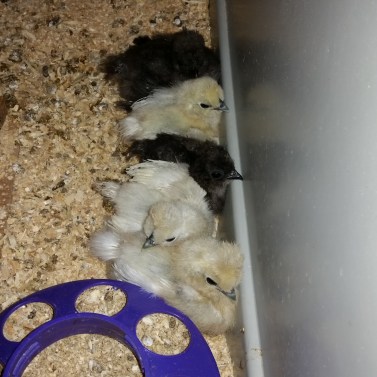
Each week I keep track in my Chick Notebook how many chicks I have in each pen and what color. I use markers in different colors to make it easy to see what color birds I have at a glance. As chicks are sold, I adjust the numbers so I always have an accurate account of what I have for sale. If I notice any abnormalities in the pens, I will mark those down. Sometimes I will guess on ages. I will record those guesses as well. Then the next week, I will check back and see if I still feel the same way about its gender. I keep track of the ages in the pens so I always know how old the chicks are. Sometimes colors can look very similar. A black and a dark blue can almost look the same. I will keep those colors separate and write down which is in each pen.
One other system I have tried is to keep a notebook with a page for each bird. This is an easy way to keep track of the age, what problems it experienced, when it was sold or died. You can look back over the years and see if there are any patterns developing with your flock.
Keeping an up to date flock history is an important part of my job at VJP Poultry. In the long run it makes for a valuable document that can improve your chick’s health and well-being.
For tips and tricks for raising outstanding silkies check out our Chicken Learning Center at VJPPoultry.com . VJP Poultry is an NPIP and state inspected hatchery located 30 miles north of St. Paul. We hatch out silkies all year long so we always have stock available. Like us on Facebook to get weekly updates on what we currently have for sale.
Victoria J. Peterson
 VJP Poultry