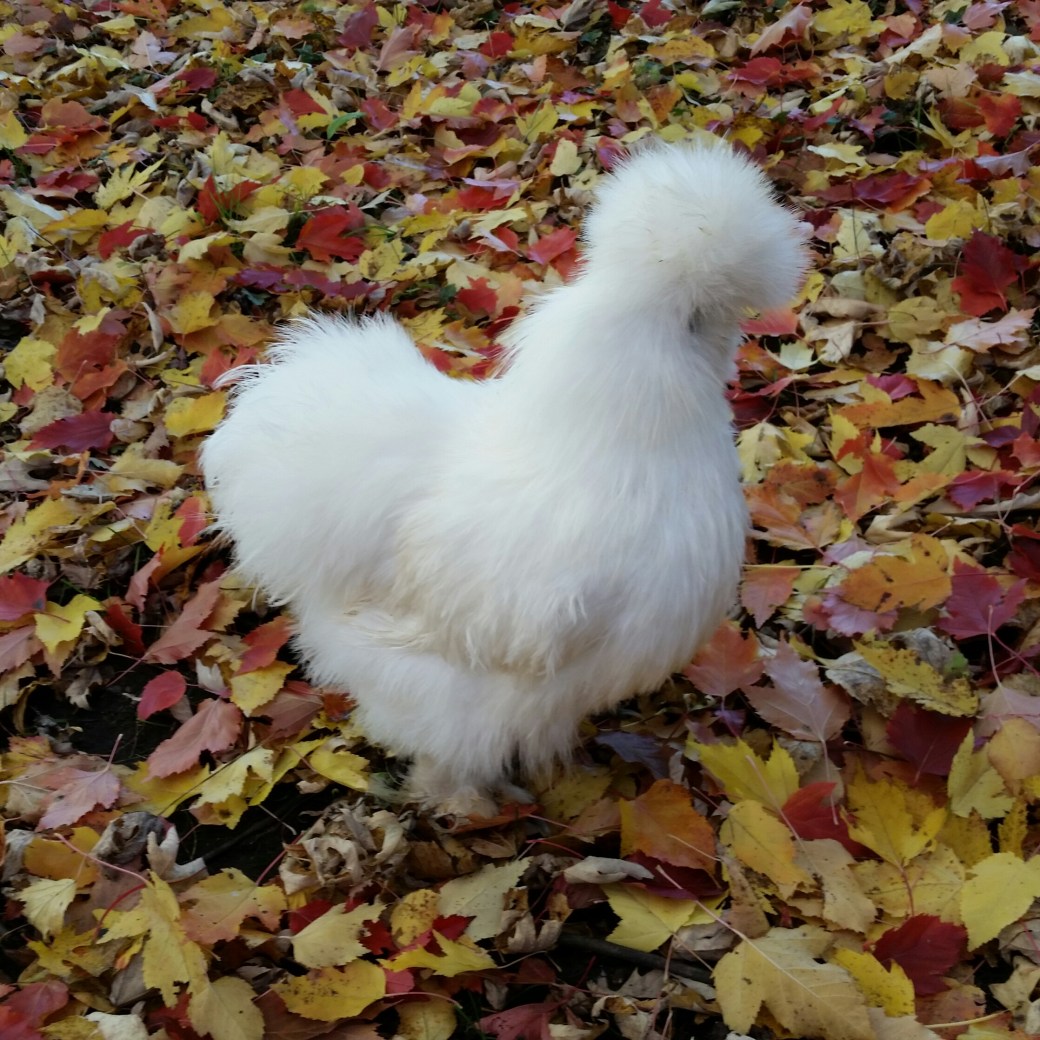
 Hens normally lay one egg a day, but we all know that this isn’t always the case. In fact, we may often wonder why they seem to take breaks or even stop laying for long periods of time. You can’t force a hen to lay an egg. There are many factors and variables that go in to whether or not your hen will grace you with an egg on any given day.
Your bird might be either too old or too young. Pullets typically start laying eggs at 18-20 weeks. Not all breeds start at the same time. A late maturing breed such as silkies may not start laying until 7-9 months. The first season of laying will be their best season. After that, they will gradually lay less and less with a large drop off after 4 years. A pullet that “comes of age” during the winter may not start laying until spring. You can tell by looking at their vent as to whether they are still laying. If the vent is soft and pliable, they are laying eggs. If the vent is stiff and not flexible, she may have stopped laying because she is too old.
Certain breeds do not lay as many eggs as other breeds. Good layers such as Rhode Island Reds or Buff Orpingtons can lay 200 eggs per year. Ameraucanes or silkies lay less than 100 per year. Chickens has a set number of eggs that they lay in their lifetime. Some go through that number very quickly and then become “spent hens.” Other birds that take breaks in their laying can lay eggs for a number of years beyond others.
If your bird is experiencing any illness, this will cause her to stop laying. Respiratory issues are a common problem in a flock. Becoming egg-bound would be another reason for egg production to stop. An egg could be stuck inside of the hen’s body. Gently feel around her abdomen area and you may feel the stuck egg. Add electrolytes and calcium to their diet. Apply a lubricant to her rear and give her a quiet, private place to lay her egg.
Nesting boxes are an important part of your hen’s egg production. Not having enough nesting boxes can be an issue. Hens need a private place to lay their eggs. You should have one box for every 4 hens. Boxes should be 18 inches off of the ground. Make sure that the boxes are not harboring parasites that can bite at hens while they are laying. Use poultry dust in the bottom of the boxes.
You may have a hen that doesn’t want to leave the nesting box. Broodiness is when a hen decides that she is going to hatch out some eggs and start a family. Even if you remove the eggs, the hen can still continue to be broody. While she sits and waits, she will not lay any eggs. Broody hens sometimes will stay on a nest for three or more weeks patiently waiting for chicks. When she is finally done sitting she will begin to act normal again and start laying as usual.
Seasonal changes can make hens slow down. As daylight decreases the amount of eggs laid will decrease as well. Temperature and sunlight will have a big influence on egg laying. Hens know that winter is not a good time to be raising a family and egg production will drop off or stop. Peak laying for hens is around June 21. They need between 14-16 hours of sunlight a day for egg production. You can use artificial light to fool hens into thinking that they should be laying. All you need is a small light fixture and an LED bulb set on a timer. Set it to go on early in the morning and add extra hours of daylight. Having a warmer temperature in the coop using heat lamps and bulbs will also increase egg production.
Molting occurs in the fall. This is when your hens start to lose their old feathers and grow new ones. Many hens take a break during molting because they are using all of their energy and protein into creating new feathers. They don’t have any protein left over to put into egg production. Poultry conditioner can help increase the amount of protein in your bird’s diet during the time of molt. After her new feathers have grown in she will begin to lay again. This can take anywhere from 3 to 16 weeks depending on the bird.
If your chicken’s dietary requirements aren’t being met, they will not be laying eggs for you. Your hen needs around 20 grams of protein to lay an egg. They also need calcium, phosphorus, vitamin D, fat and water. If your hen is of egg laying age, you could be feeding them Layer Feed which has the correct amount of nutrients needed for egg production. If you are feeding them something besides layer feed then you will need to offer Oyster Shell so that they are getting enough calcium to create egg shells. A couple of good treats to help with protein would be Scratch and Peck feeds as well as mealworms.
Even a few hours without water can cause hens to stop laying for a few weeks. Chickens drink 3 times as much water by weight as they eat. Make sure that their water does not become frozen in the winter by using heated bases and galvanized waterers .
Stress can also be a factor as to why your hen isn’t laying. A scare from a predator or a family pet can stop laying for several days. Trauma or injury to the bird will stop them from laying. Moving birds to a different pen or adding new flock members which disturbs their pecking order will also decrease laying as this causes stress. Hens do not like change of any kind. Change in the type of food you are feeding will cause stress. Going without food or water is stressful to birds. Overcrowding in your coop because of poor coop design will cause problems and delay laying. Weather that is extremely hot or extremely cold can throw them off of their lay schedule.
Lastly, remember if you let your birds free range they may be hiding eggs in places where you can’t find them. Hens can be sneaky that way as they try to find a private spot.
For tips and tricks for raising outstanding silkies check out our Chicken Learning Center at VJPPoultry.com . VJP Poultry is an NPIP and state inspected hatchery located 30 miles north of St. Paul. We hatch out silkies all year long so we always have stock available. Like us on Facebook to get weekly updates on what we currently have for sale.
Victoria J. Peterson
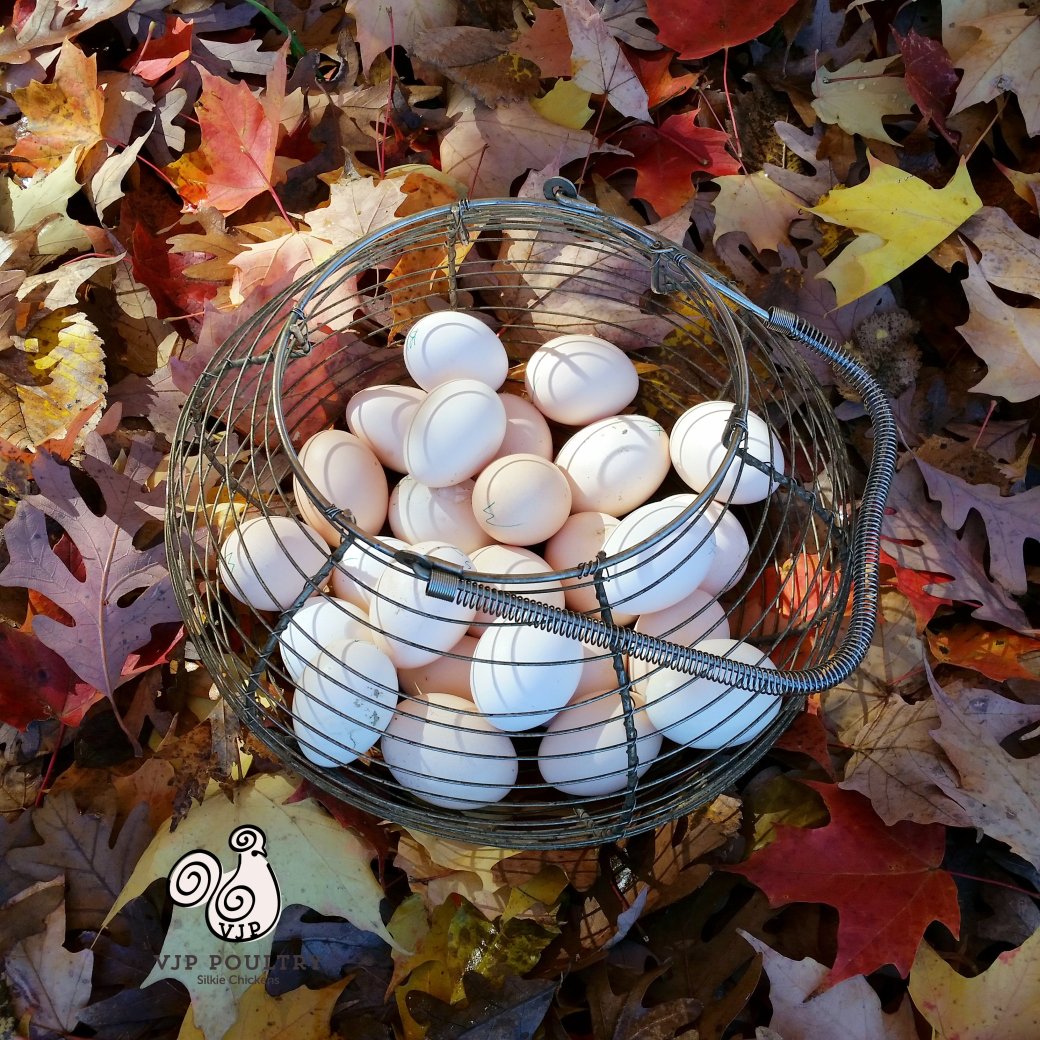
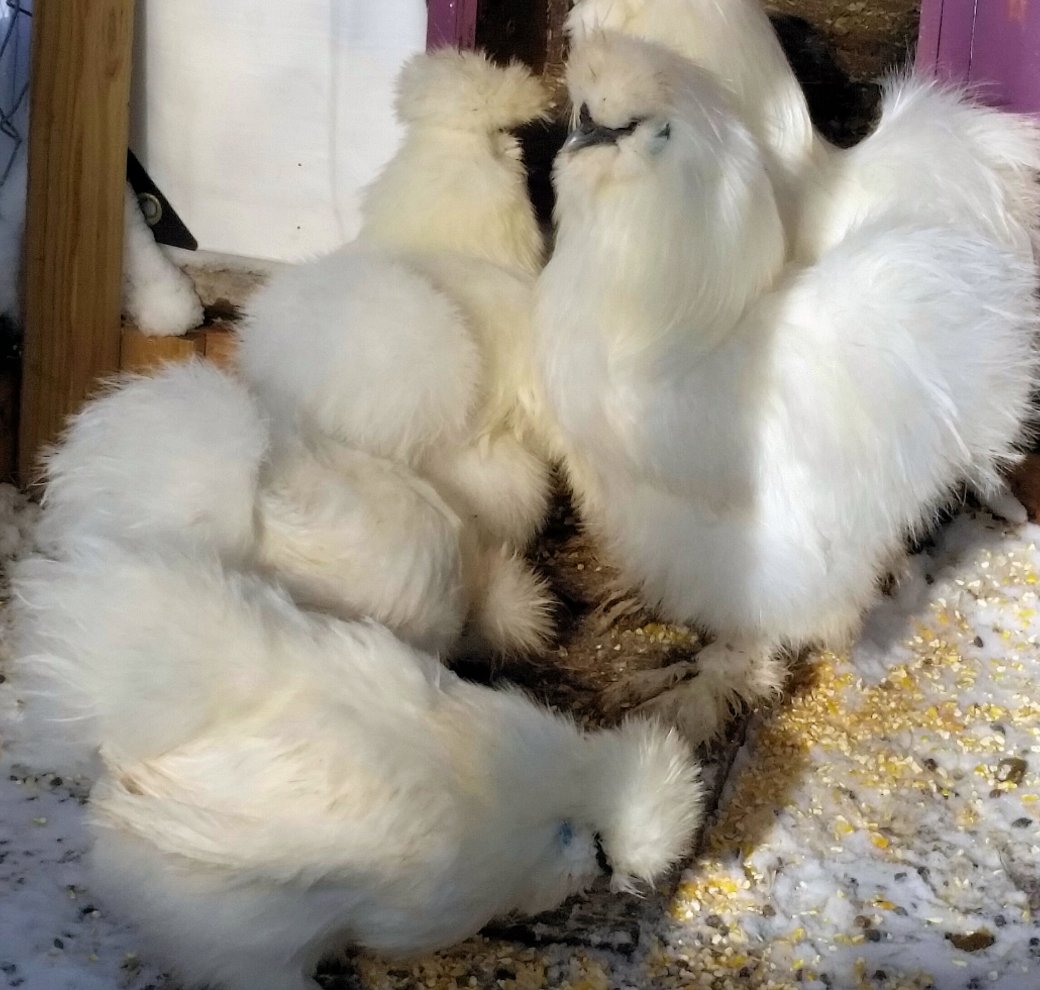 For most chickens, winter is a time of rest and repair. They have just finished a long summer of laying and their bodies are depleted of energy. Most people will see a decrease in egg production from their flock as the days grow shorter. It is discouraging to think that one might have to start buying eggs from the grocery store again. We miss those beautiful golden yolked eggs.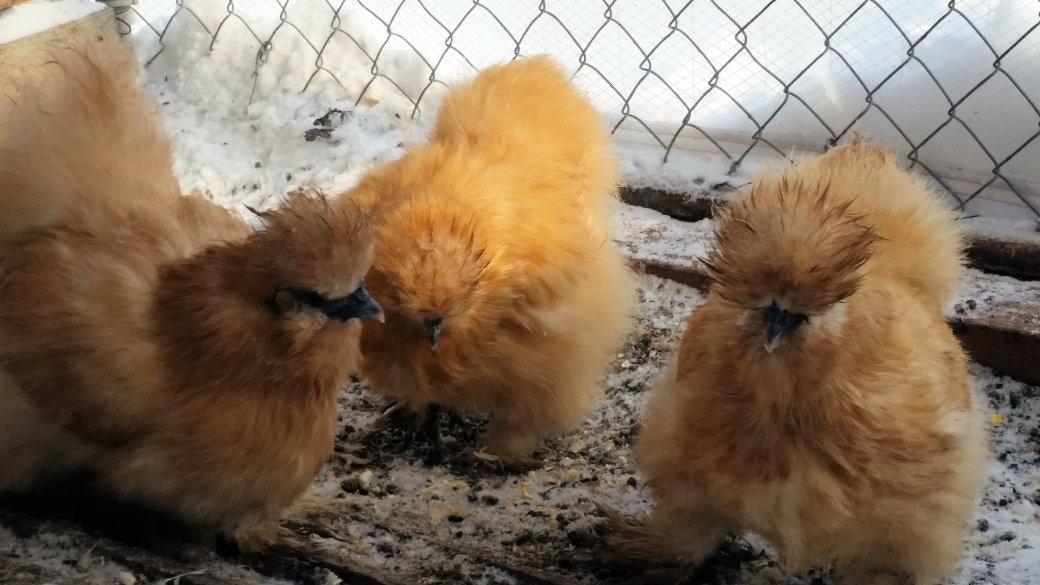
 VJP Poultry