 The American Standard of Perfection is a wonderful book published by the American Poultry Association. In it you will find all kinds of valuable information on all of the breeds of chickens that are recognized by this group. Their main purpose is to list characteristics of each breed at their highest level. This information is used by judges to help them judge the qualities of individual birds against what has been decided as the “perfect” bird of that breed and variety by the American Poultry Association. It is also used by breeders to improve their birds through breeding towards the standard and by exhibitors who want to place well in poultry shows who use the standard as a guide for choosing birds.
In judging, there is a scale of points that equals 100. Points are assigned to different attributes of the bird. Points will be deducted if the bird does not meet the standard given. There are also disqualifications that can be given which will eliminate a bird from competition. Since silkies have crests and beards their point system is adjusted to include points for those areas.
The disqualifications specifically for silkies include : Bright red comb, face and wattles. Shanks not feathered down outer sides. Feathers not truly silky (except in primaries, secondaries, leg, toe and main tail feathers.) Vulture hocks. There are other disqualifications that are for all birds, not just silkies. You would find those under “General Disqualifications” elsewhere in the book.
The standard weight for a silkie cock is 36 oz. The standard weight for a silkie hen is 32 oz. The standard weight for a silkie cockerel is 32 oz. The standard weight for a silkie pullet is 28 oz.
The standard then lists descriptions of each of the areas of the silkie’s appearance. This is all part of the bird’s shape. It is best to obtain a copy of the standard so that you can read in detail what the standard entails. I will mention a few of the items of interest but there is much more information listed in the book. I will be discussing the Bearded Silkie only.
The comb should be walnut shaped. In the males it should be circular shaped and have a horizontal indentation across the middle of it. Females should also be walnut and smaller. The wattles should be small and concealed by the beard in bearded silkie males. The females should be very small and concealed.
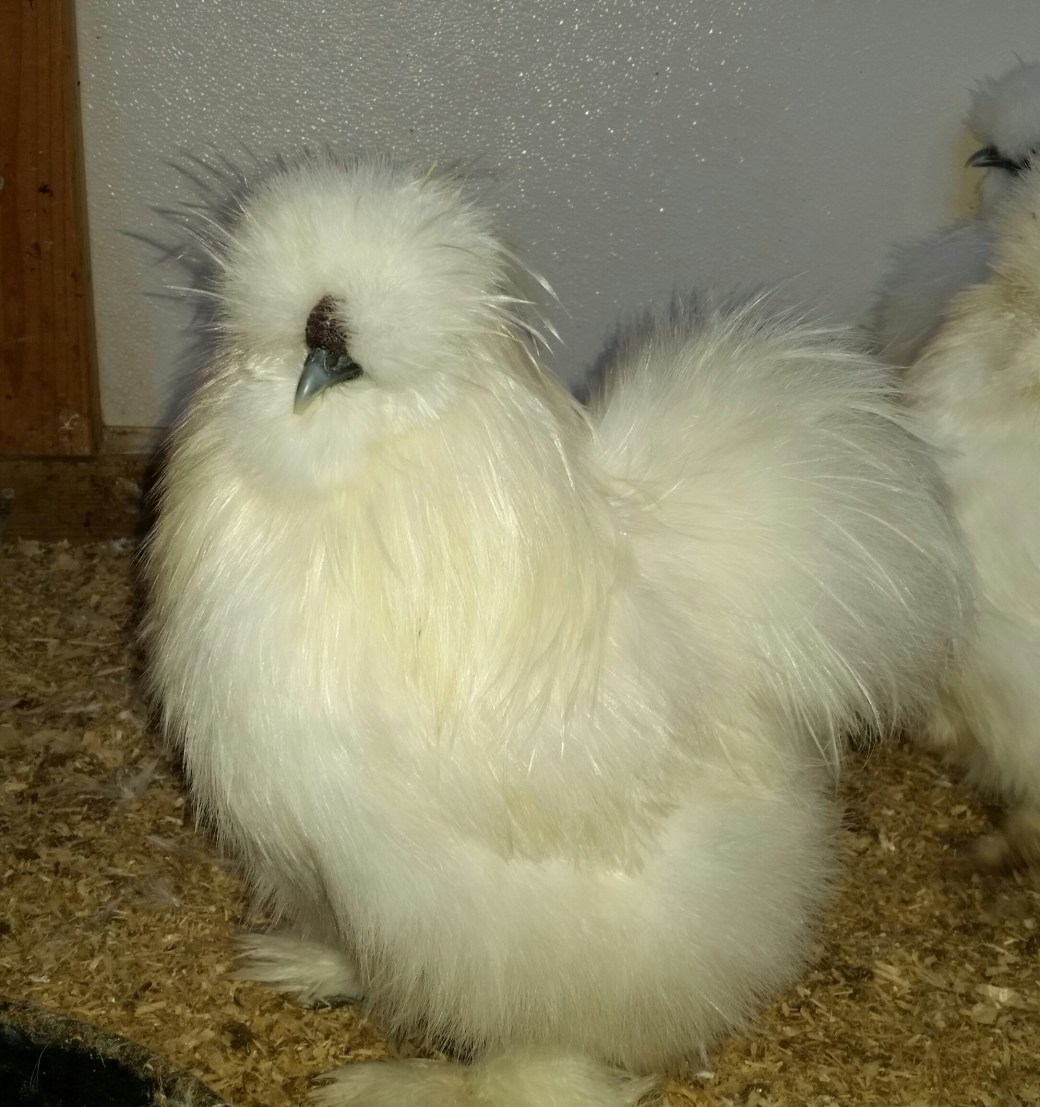
The crest should be medium sized. The beard and muffs should be thick and full. The neck should be short and gracefully curved. The back should be short and broad and rising back in a curve towards the tail. The cushion of the tail should be broad and round and very fluffy. The tail should be shredded at the ends.
The wings should be closely folded and carried well back being nearly horizontal. Primaries should be concealed by secondaries. The tips should be well shredded with tips being concealed by saddle feathers.
The silkie needs to have five toes. Three in the front and two in the back. One toe in the natural position and the other placed above it curving upwards and backwards. Feathering should be to the middle toe.
Comb should be deep mulberry colored. Beak should be slaty blue and eyes should be black. Earlobes should be turquoise blue. Skin should be dark blue and toes slaty blue.
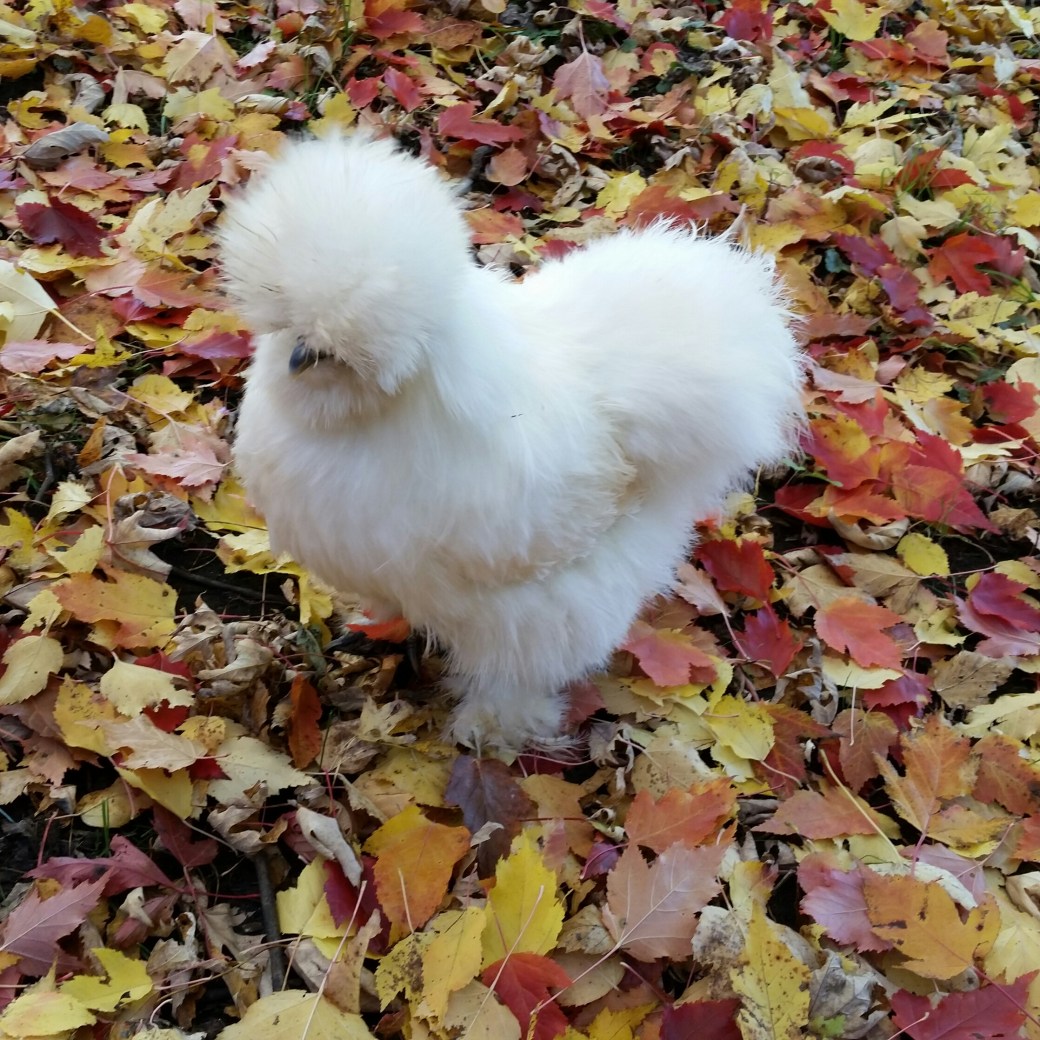
Silkie’s feathers come in different colors and not all colors are recognized by the APA. Here are the ones that are recognized: white, black, blue, partridge, buff, gray, splash, self-blue (lavender) and paint. There are separate descriptions for each of the different color varieties indicating what is accepted and what is not.
Symmetry, as well as, condition and vigor are also important in judging. The overall shape and balance of the bird is important. The silkie should look like a “S” curve with the bottom part of the “s” continuing upward. They almost look completely circular, like a bowling ball when they stand correctly.
There is much more to the silkie standard than I have talked about in this article. If you would like to purchase a copy, you can get one through the American Poultry Association here.
There are also old copies and knockoff copies at Amazon that are not printed through the APA. I think that they are basically xerox copies and have the same information.
Hopefully this will answer some of your questions concerning what the standard of perfection is. As a breeder, we are constantly trying to improve our silkies and have them come as close as possible to the standard that has been set. It is important to show your birds as a breeder or attend shows so that you can talk with judges and other people who are knowledgeable about silkies.
For tips and tricks for raising outstanding silkies check out our Chicken Learning Center at VJPPoultry.com . VJP Poultry is an NPIP and state inspected hatchery located 30 miles north of St. Paul. We hatch out silkies all year long so we always have stock available. Like us on Facebook to get weekly updates on what we currently have for sale.
Victoria J. Peterson
Information for this article was taken from The American Standard of Perfection 2010 published by American Poultry Association, Inc.
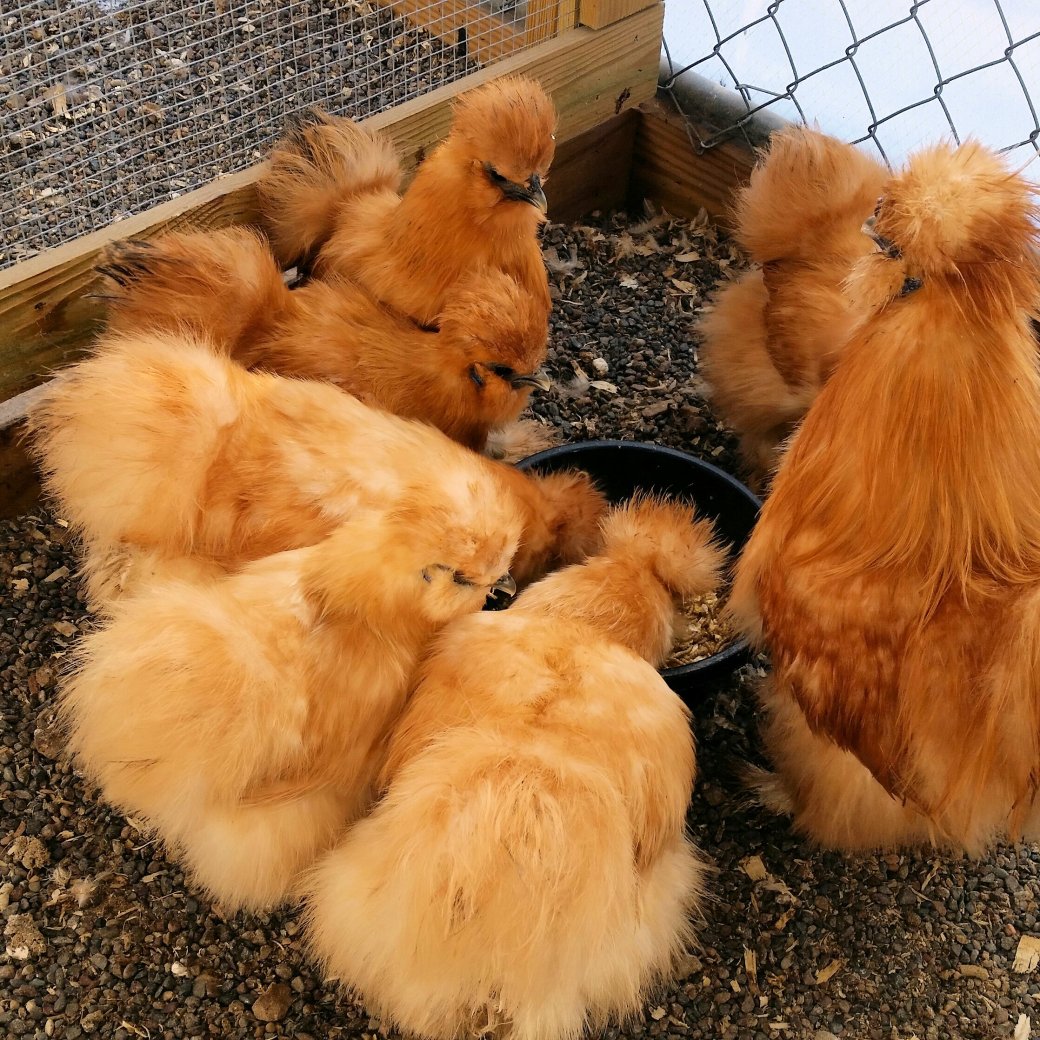 Feeding chickens in the winter is a little different than feeding chickens during the rest of the year. During nice weather, chickens love to forage and free range in the pasture looking for the choicest bits of protein and green roughage. They are so happy and content and their minds are fully occupied. In the winter, however, there are limited opportunities to free range. They do not like snow and in Minnesota their chance of finding bugs is slim to none.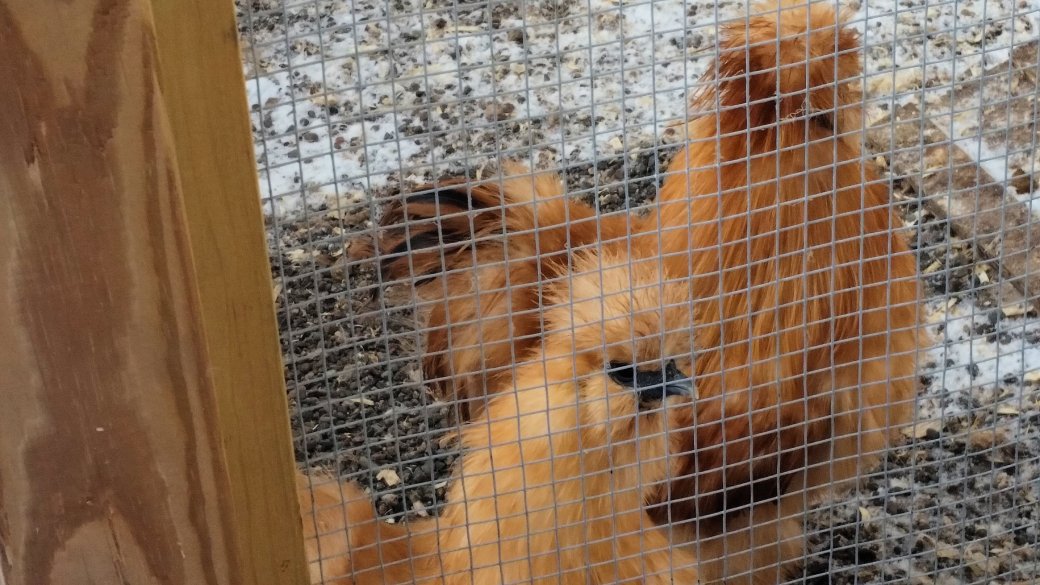
 VJP Poultry