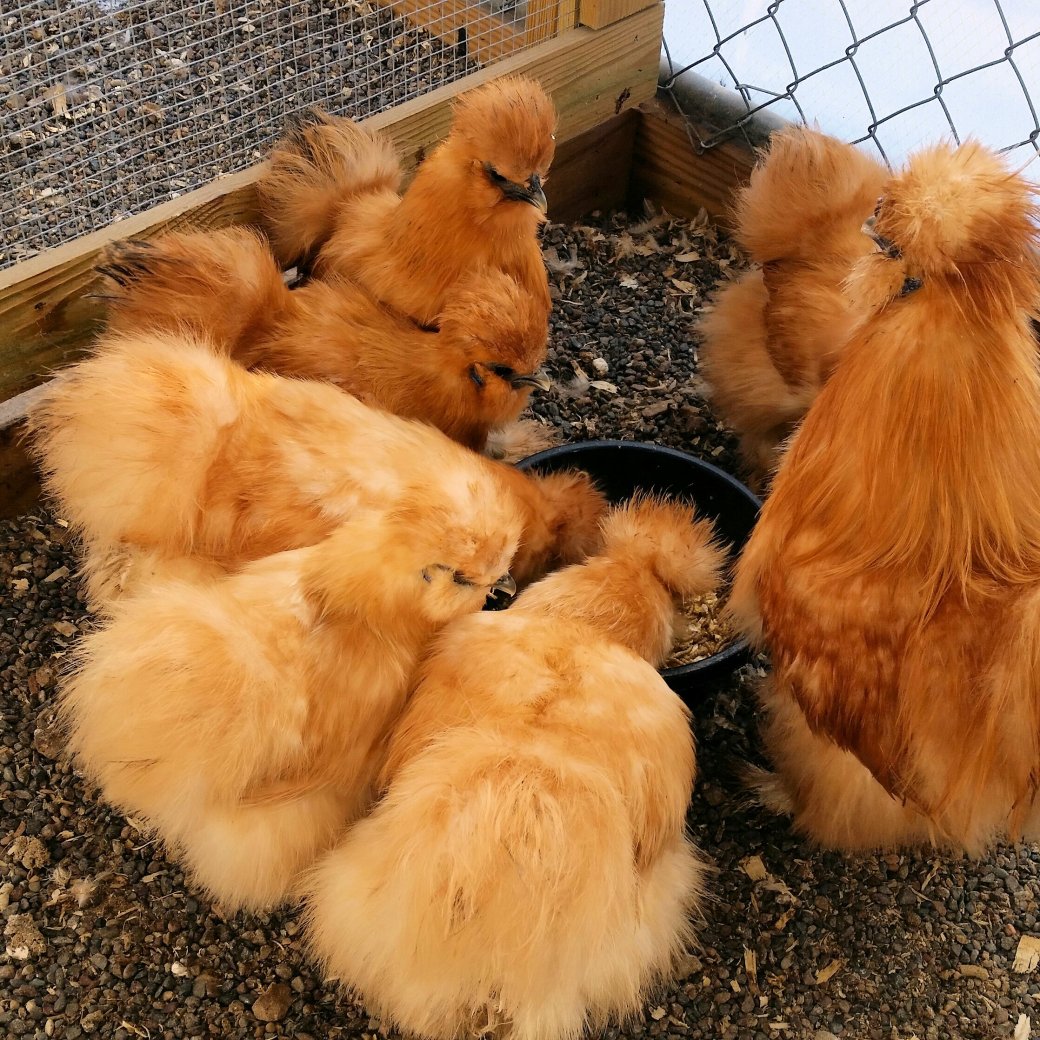
 Chickens are Omnivores. They are opportunistic eaters. They will eat foods of both plant and animal origins. They love treats and are easy to spoil. What they are fed can make a huge difference in their egg production, reproduction ability and overall lifespan length. It is important that they are given foods that have good nutritional value and are natural for their behaviors as chickens.
When chicks are little they eat Chick Starter as their main source of food. At around 10 weeks they can begin Grower Feed. This feed is around 16% protein and is designed to sustain growth all the way to maturity. Gamebirds will need a higher protein content such as a Gamebird Conditioner feed. I feed my silkies Gamebird Conditioner which has a protein content of 20%. If you are raising meat birds they will need their own separate Meat Bird Grower Crumble for fast growing birds. They require a protein content of 20-24%. The basis of any good chicken diet is a high quality poultry pellet or crumble. Most if not all of its nutritional needs should come from that feed. It is complete and balanced and does not need anything added to it for optimal development of the bird.
Layer feed can be given once the pullets have begun laying eggs. It should not be given before that time as the higher calcium content can cause damage to their kidneys as they are not using the calcium for eggshell development. Layer feed should not be given to roosters as it can be detrimental to their kidneys as well. Layer feed is designed to provide optimum nutrition for birds laying eggs. It contains 16% protein and increased levels of calcium for proper shell creation. Average laying hens will consume 1/4 pound of feed per day depending on the size of the bird, weather conditions and level of productivity.
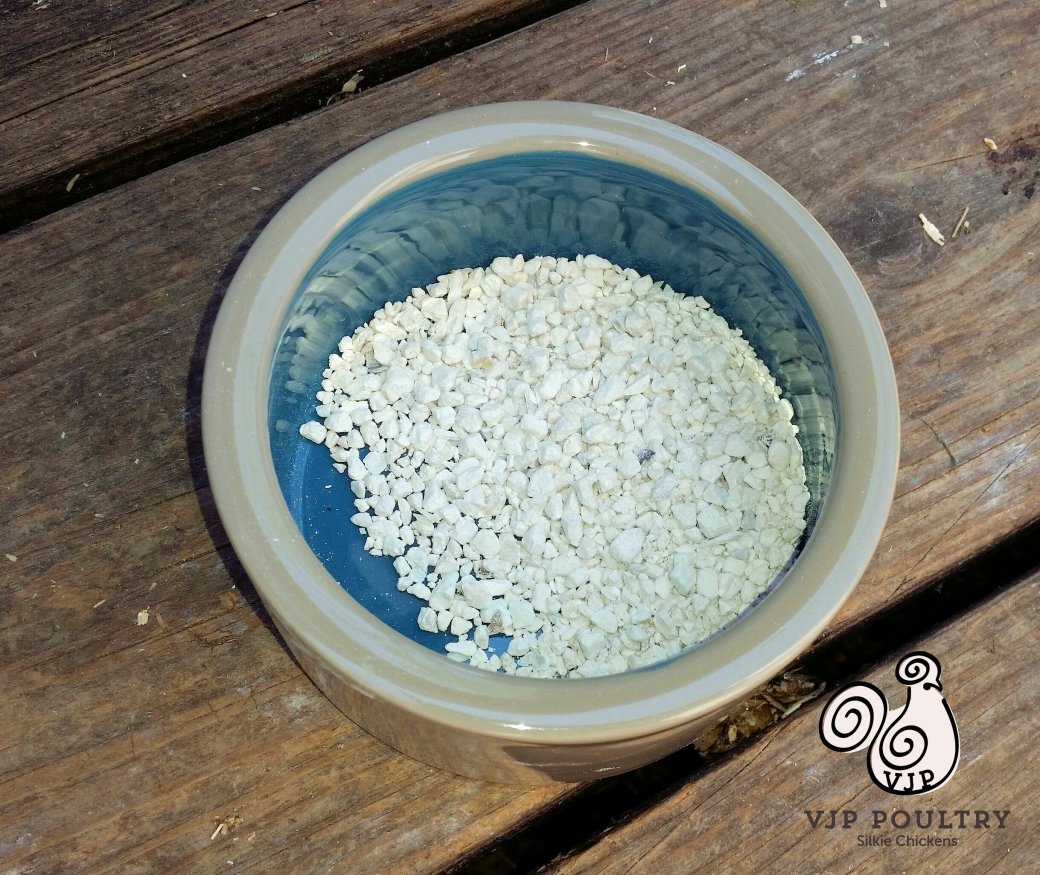
Another type of feed is All Flock. It is designed for adult birds but does not contain the added calcium. You can feed it to a mixed flock of ducks, geese, turkeys and chickens. When feeding this to laying hens, you will need to offer some Oyster Shell in order for them to get the needed calcium for shell development. Offer it in a separate bowl from regular feed and the hens will eat it as needed.
Scratch is a mix of cracked rolled or whole grains such as corn, barley, oats or wheat. It is low in protein and does not provide balanced nutrition such as a commercial feed would. However, as the name implies, it is food that is thrown on the ground and the chickens get to scratch around in the dirt for it. Scratching for food is a very natural behavior for chickens and is a good form of exercise for them. Only feed them as much scratch as they can totally consume in 20 minutes.
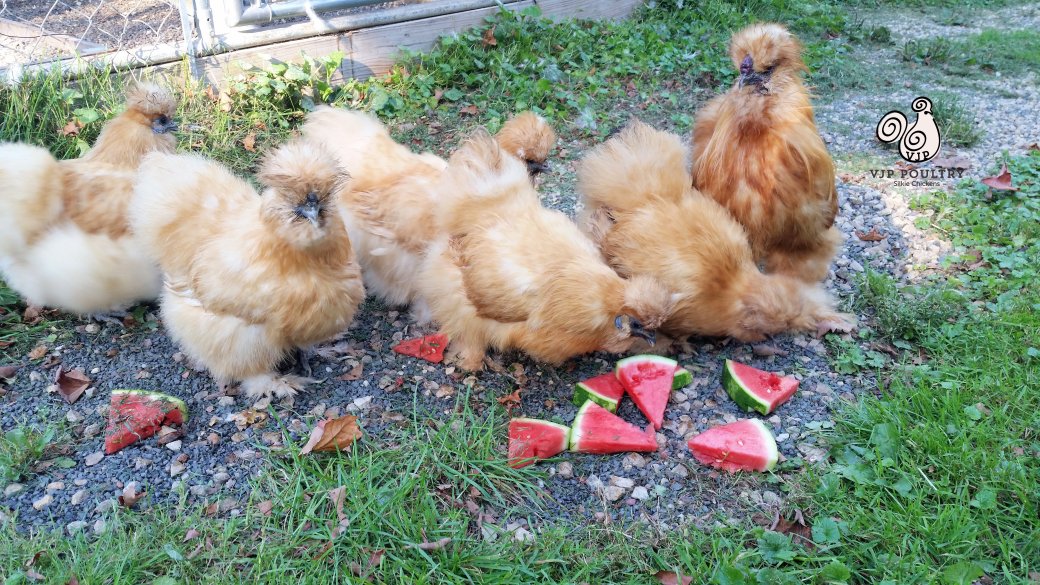
Table scrapes are routinely given to chickens but should be thought of as a treat. Most food scrapes are fine but some are better than others. Feed bread in moderation as it has little nutritional value. Cat and dog food are sometimes given during molting because of the high protein content. Citrus is usually frowned upon as it may interfere with calcium absorption and cause soft egg shells. Dairy products should be fed in moderation as chickens have a hard time processing large amounts of dairy. No dry beans or uncooked rice. Watch out for too salty or fatty foods.
Allow your chickens to free range and forage for food when you can. They love looking for bugs and green plants and the adventure of finding them. Do not feed your chickens grass clipping as this can cause impacted crop. Always provide commercial feed for them. They will not find enough food free ranging in a typical suburban yard.
One way to tame and bond your chicken to you is to occasionally give it some treats. There are many commercial treats available. Grubblies and Dried Mealwormsare natural insects that have been freeze dried or oven baked. A poultry Flock Block can be placed in the coop and left for the birds to gradually peck away at it. A poultry Suet Block is made mealworms and sunflower seeds. . Happy Hens Treats, Kaytee mealworm , and Manna Pro Harvest Delight are all good commercial treats. As a boredom buster use a treat ball to entertain and provide treats for your chickens.
Too much of a good thing can always be a problem. Chickens can become obese and develop fatty liver disease. Keep treats down to 20% or less of their regular diet. Make sure that their commercial feed is always available to them especially before evening. You want to make sure that the chickens go to bed with a full crop which not only keeps them warm but aids in the nightly development of the egg.
For tips and tricks for raising outstanding silkies check out our Chicken Learning Center at VJPPoultry.com . VJP Poultry is an NPIP and state inspected hatchery located 30 miles north of St. Paul. We hatch out silkies all year long so we always have stock available. Like us on Facebook to get weekly updates on what we currently have for sale.
Victoria J. Peterson
 Hens work hard to provide us with their daily eggs. Making egg shells takes a lot of calcium. The more eggs they lay, the more calcium they need. If a hen doesn’t get enough in her diet, her body will steal calcium from her bones to make the egg shell. This leaves her bones very brittle. You may think of Osteoporosis which women sometimes get as they age. Hens often have that same problem.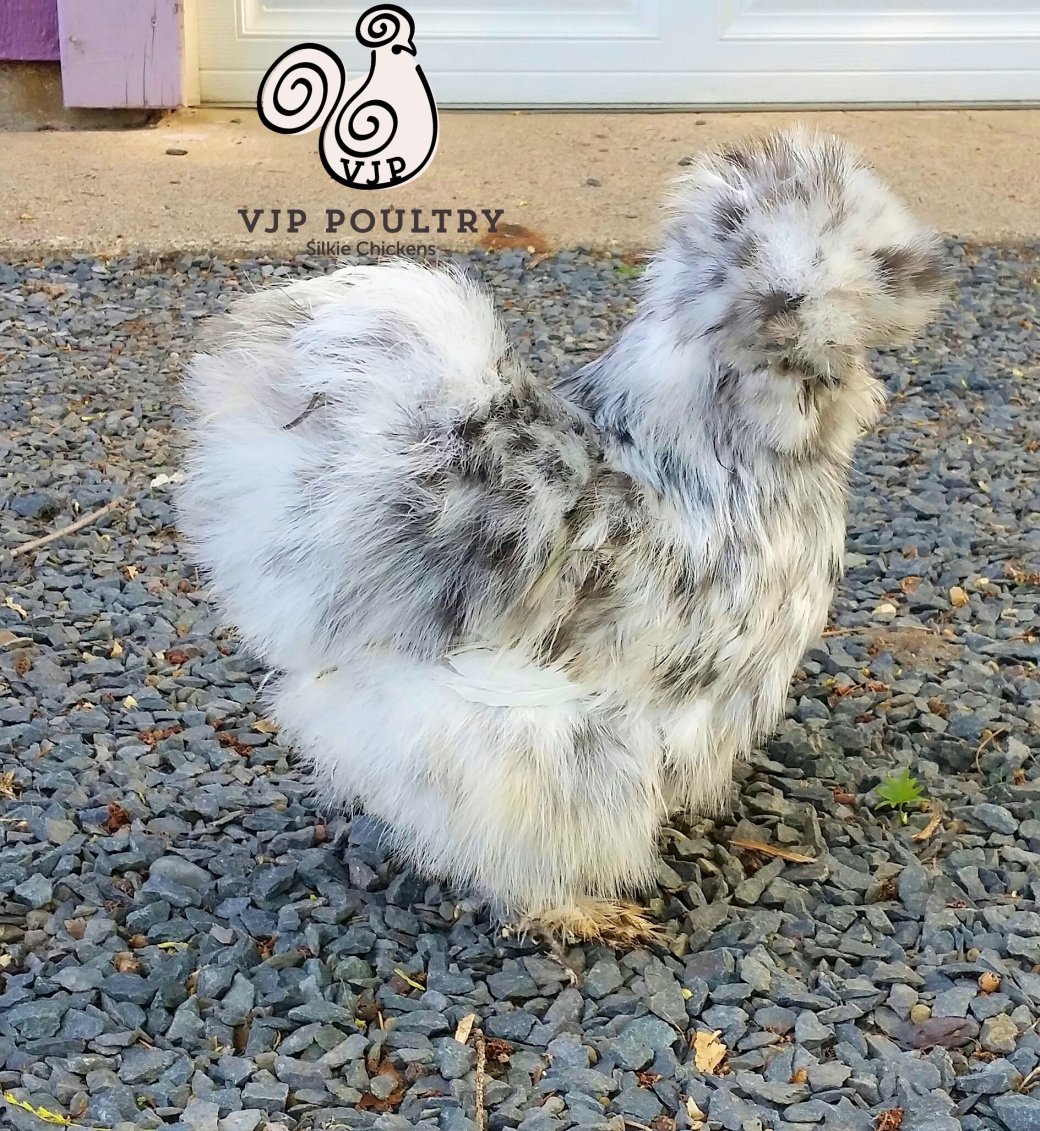
 VJP Poultry