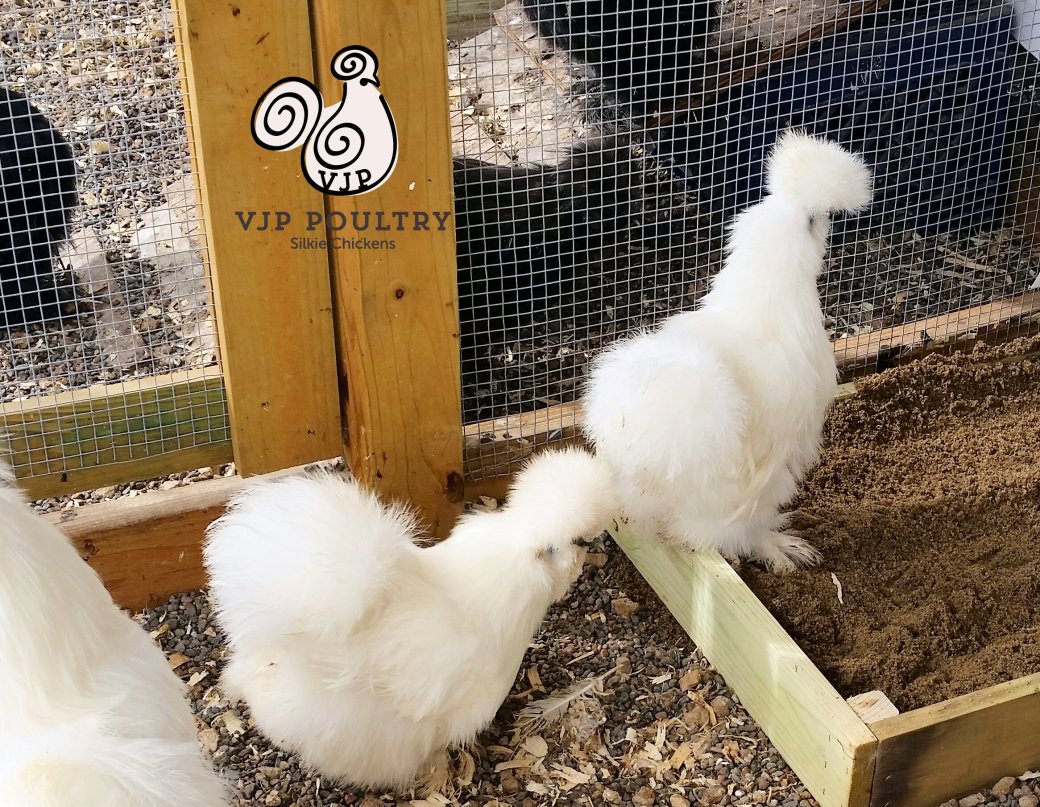
 All chickens should have access to dust baths. It doesn’t matter what breed or age of chicken, it is instinctual for them to wallow in the dust and dirt. It is their way of getting clean and practicing good hygiene.
When you first witness this dust bathing, you may think that something is wrong with your bird. It almost looks like they are in trouble or having a seizure. They are lying on their sides with one leg sticking out and the other scraping dirt and dust in kind of a circular motion. The wings are throwing dirt up into the air so that it falls back down on top of them. It looks scary , but it is perfectly normal.
Chickens will create a dust bath area all by themselves. A chicken scratches and digs out a bowl shaped depression in the dirt or will even use the shavings inside of the coop. The chicken settles into this hollow, fluffs up its feathers and then scratches up the dirt.
It might look like they are making a nest to lay eggs because it is round in shape but these are preparations for dust bathing. Chickens use their feet and wings to get loose dirt throughout their skin and feathers. Once they are completely covered in a layer of dirt, the bird will fluff and shake off the substance to evenly distribute it on their bodies.
A chicken’s dust bath helps to remove excess oil, as well as parasites such as lice, mites and ticks. Dust bathing is an important part of keeping chickens healthy and clean. It is important that your chicken has access to areas where dust bathing can take place. Most will look for a sunny spot with loose dirt. Even if they never get to free range, you can set up a dust bath in their coop or pen.
There are four main behaviors when dust bathing: vertical wing-shaking, head rubbing, bill raking and scratching with one leg. The hen scratches with her feet and beak at the ground. She then erects her feathers and lies down. They create deep bowls as they wiggle and squirm to get dirt deep under their feathers. They make happy noises while flipping dirt all over themselves. The dust collects between the feathers and then is shaken off. This helps to give the feathers good insulating abilities.
Chickens clean their feathers and skin by preening with their beaks and using an oil gland at the base of their tail. After a dust bath a hen will spend time primping and pecking at their feathers. This helps to smooth their feathers and removes sheaths on new feathers. Feather maintenance is very important. Birds of all kinds take dust baths and certain mammals do as well to keep clean and remove parasites.
Most dust bathing occurs in the middle of the day. Warm temperatures increase dust bathing behavior. Hens will tend to dust bath if they see other hens doing it. It ends up being a very social activity. It is not just hens that will dust bath, but roosters enjoy doing it as well.
The need for a dust bath is ingrained in their behavior. They will dig holes if you don’t provide them with a spot. Free ranging birds will find a place in your garden if you let them. Battery hens in cages will sham dust bathe. They will go through the motions of dust bathing even if there is no other material in their cages.
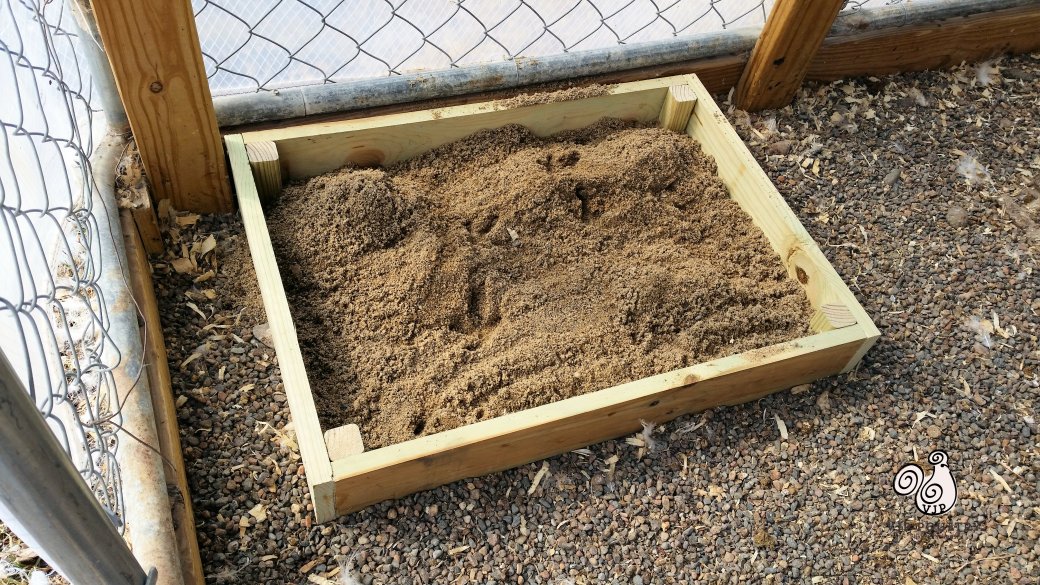
Here at VJP Poultry, we decided it was time to create some dust bathing areas inside of our runs. We used treated 1″ X 4″ lumber and made 18″ X 24″ boxes with no bottom. We set them in the run and filled them half full with play sand.
There are other things that you can use to create your dust bathing areas. Any large shallow pan such as a kitty litter pan or small kiddie pools. Fill it with a variety of substrates. Some examples would be : Fine sand, dry dirt, or peat moss.
Some people like to add food grade diatomaceous Earth or DE. The sharp edges pierce the soft body parts of parasites and kills them. Be careful with DE as it can be very harmful if inhaled and can damage lungs. Use a small amount as part of your substrate.
Firepit ash or ash from a wood stove is another product that can be used. Birds can absorb magnesium, calcium and vitamin K from the ash. Use ash from hardwood trees and make sure that if you remove it from your own fire pit that there isn’t any additional chemicals such as in treated lumber.
Dried herbs are natural pest repellents. They can get rid of mosquitoes, flies and ants as well as parasites such as mites, lice and ticks. They provide calming aroma therapy and have antibacterial properties to heal minor scratches and wounds. Add them to the substrate as well.
You can also purchase ready made dust bath products. It is easy to add to what ever other products you want in your dust bath mix.
Remember that you will need to periodically clean out your dust bath area. I pick out the big chunks daily and give it a good raking. A cover or a beach umbrella will help to keep out the rain. You want your dust bath to stay as dry as possible. One of those turtle sand boxes with a cover or any sandbox with a cover can make a great dusting area. If possible, move your dusting area inside in the winter to prevent the substrate from freezing.
For tips and tricks for raising outstanding silkies check out our Chicken Learning Center at VJPPoultry.com . VJP Poultry is an NPIP and state inspected hatchery located 30 miles north of St. Paul. We hatch out silkies all year long so we always have stock available. Like us on Facebook to get weekly updates on what we currently have for sale.
Victoria J. Peterson
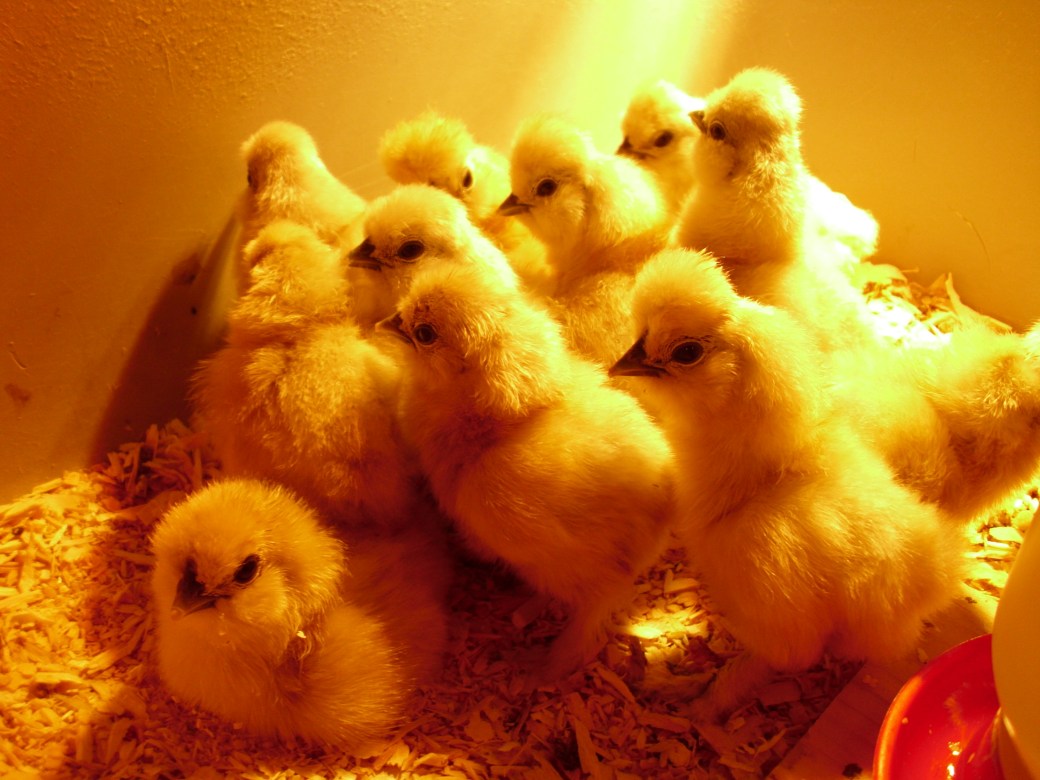
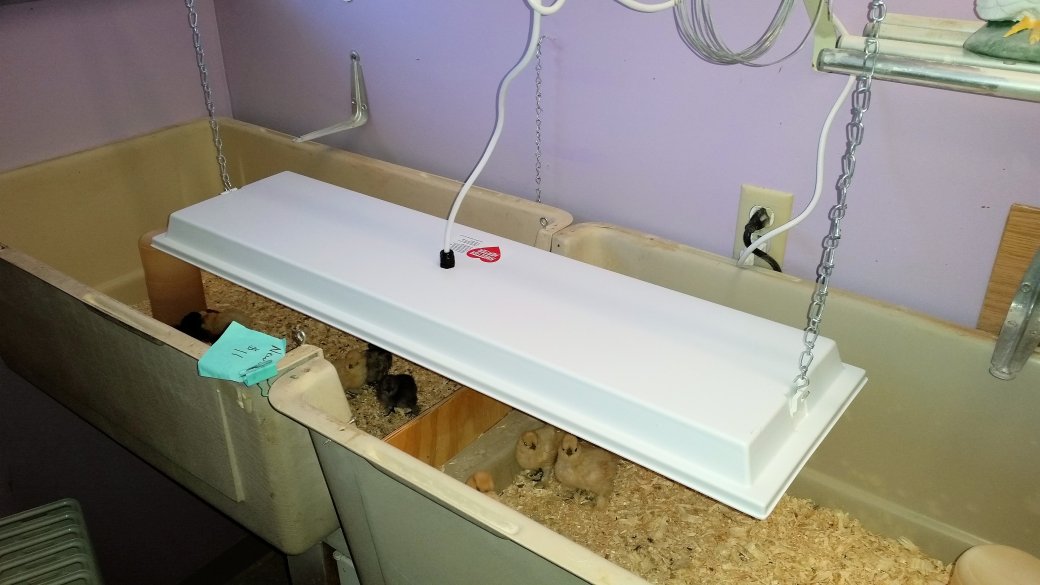 A baby chick runs to the safety and warmth of its mother’s wings. Here it feels secure and loved. The mother hen’s body heat warms the little chick and when it is ready the chick will dart out into the world to find food and water. When choosing a heat source for your brooder you will want something that can be as close as possible to a natural mother hen.
 VJP Poultry