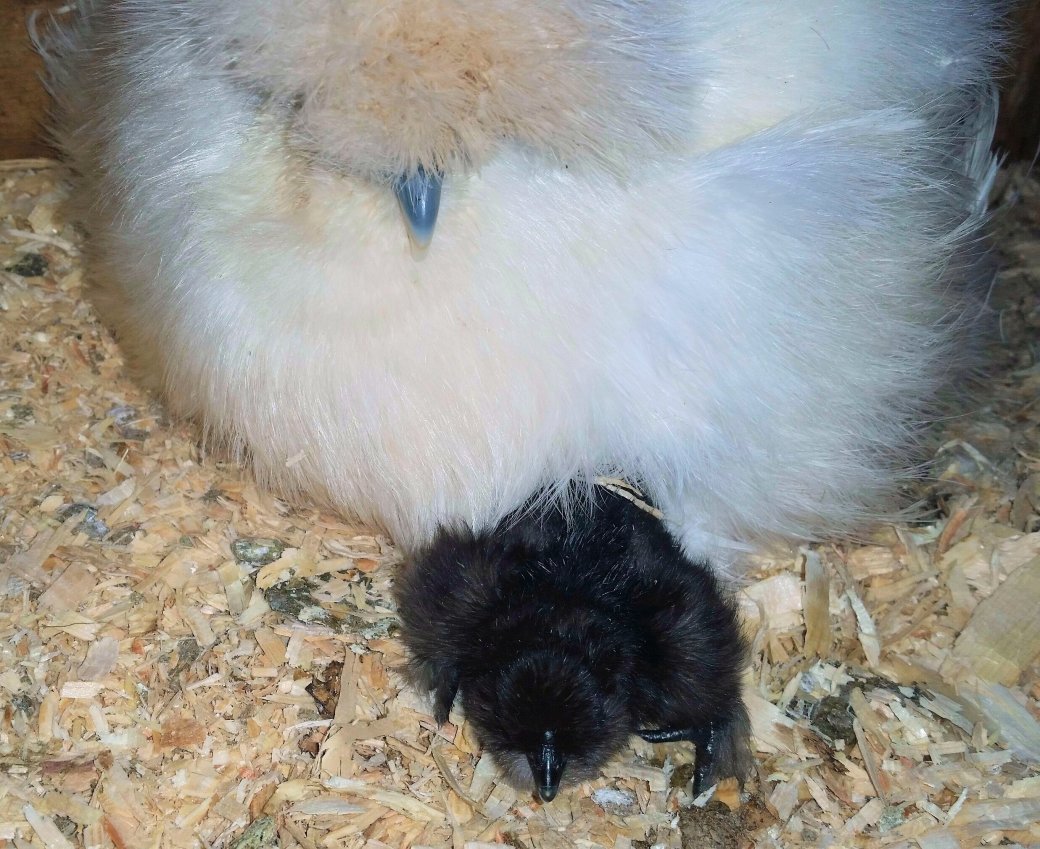
 The “mother hen instinct” is a feeling that someone has, that they must “take care of somebody.” Anybody. A mother hen demonstrates behavioral habits that are different from a normal hen. Her priority shifts from her personal survival to protecting and ensuring the survival of her young. She puts her heart and soul into her chicks, educating them and protecting them from any and all predators.
A broody hen does not start out as a mother hen, but she has a fierce desire to become one. She will begin laying eggs in her special nesting box. She will be very territorial about this spot and not let others near her. She will sit all day on her nest in a trance state and will hiss, growl and peck at you if you try and remove her. She will only get off once a day to eat, drink and poo. She will appear to be all fluffed up and flattened out over her eggs.
To help a hen have the best chance at raising successfully her brood, she needs a secure broody coop. It should be all on one level without any ramps to go up and down. The hen should be isolated from the rest of the flock. Rival hens may attack each others eggs and chicks.
Most hens cover around 12-13 eggs. If she has too many eggs, she won’t be able cover them all. You may want to mark and date them so that you can know when to expect the hatch to happen. It takes 21 days for eggs to fully develop.
A broody my pluck their breast feathers and stomach area to make a bare patch or broody patch which is used to warm the eggs better. A broody will instinctively know which eggs are no good and will kick them out of the nest.
The hen does all the work of turning and adjusting the eggs. The will be constantly fussing with them. The hen’s body will keep the eggs the right temperature and at the right moisture level. If it is too hot outside, she may get off her nest more often to let the eggs cool down a bit. She instinctively knows what is the correct temp and humidity to be at. During the last week of incubation a hen will stay on the nest full time and stop turning the eggs.
Not all hens have the natural instinct to hatch a clutch of eggs. They may leave the nest for too long or let the eggs get too cool. They may totally abandon the nest and leave it after a few weeks. Some breeds make better mothers than other. Silkies and cochins are the most broody breeds. Brahmas and orpingtons also make great mothers.
Leave the broody alone as much as possible. She needs to feel safe and protected. If she is stressed she can’t do her job properly. Not all clutches will hatch and not every broody hen will stay on the eggs all 21 days. Not all eggs will hatch into viable chicks. Some will die emerging from the egg and some just don’t hatch at all. A broody hen will have a better hatch rate than a typical incubator.
If all goes well the embryos and hens begin to vocalize the day before hatching. This vocalization become more frequent as the hatch gets closer. Chicks are able to identify their mother by the sounds of her clucking. They start to learn this sound while still in the egg.
The sound of peeping and tapping will give then hen a clue that the hatching is about to begin. The whole hatching process takes place under the hen. If you were watching her you would not be able to notice that anything was happening. The hen will usually stay 36 hours or longer to provide time for all of the chicks to hatch. During this time she will keep the newly hatched chicks close under her wing. She will then abandon the eggs that do not hatch (you should remove those unless you want exploding eggs).
Sometimes a hen will kill newly hatched chicks or accidentally step on them and crush them. This is rare but you may want a brooder set up just in case. Check out the perfect chick brooder.
For the first ten to twelve days after hatching, chicks stay close to their mothers. The hen will be very protective of the chicks and will peck, pinch, growl or kick anyone who comes near her chicks. She keeps chicks safe from predators and teaches them life skills.
A broody hen will teach her chicks how to eat, drink and scratch for food. She will call them under her wings when danger is apparent and provide them warmth at night with her body heat.
Chicks have no resistance to diseases that are carried by healthy adult chickens who have built up immunity. The ground that has been used by adult chickens can contain parasites and disease. Coccidiosis can lead to death in young birds. Medicated chick starter and Corid can be used to help fight cocci. Learn more about coccidiosis here.
You will want to place a quart sized waterer and feeder near the mother and babies. Make sure that the waterer is chick sized and not a large gallon adult size. Vitamins, probiotics and electrolytes can be added to the water in the form of Rooster Booster.
Both hen and chicks can eat chick starter and you could also have available some chick sized grit if the chicks have access to other foods in the run. Do not feed the chicks layer food as this contains too much calcium for them.
Chicks are preorial meaning that they are capable of independent activity after birth. That’s why they can also hatch from an incubator do alright learning to eat and drink themselves by pecking at everything. Chickens are attracted to the color red which is why most chick waterers and feeders are red in color. Mother hen knows that chicks will not naturally drink water on their own which is why she will push their beaks down into the water to teach them to drink.
Mother hens and chicks use verbal commands to communicate. The hens knows the sound of her chicks and will not mistake them for other hen’s chicks. She almost constantly gives a low cluck to reassure the chicks that she is there. When she scratches in dirt revealing food, she’ll give a special higher pitched cluck to let them know that food is here. If she feels threatened or thinks her chicks are in danger or are getting too far away, the pitch and speed of her clucks rises.
As chicks become more independent they will spend less time hovering around mother hen but will continue to sleep and warm themselves under her at night. At around 12-16 weeks the hen will start to disengage with her brood. She begins pushing her chicks away and starts spending more time with the other adult hens. Soon she will be ready to start over with a new clutch of eggs.
For tips and tricks for raising outstanding silkies check out our Chicken Learning Center at VJPPoultry.com . VJP Poultry is an NPIP and state inspected hatchery located 30 miles north of St. Paul. We hatch out silkies all year long so we always have stock available. Like us on Facebook to get weekly updates on what we currently have for sale.
Victoria J. Peterson
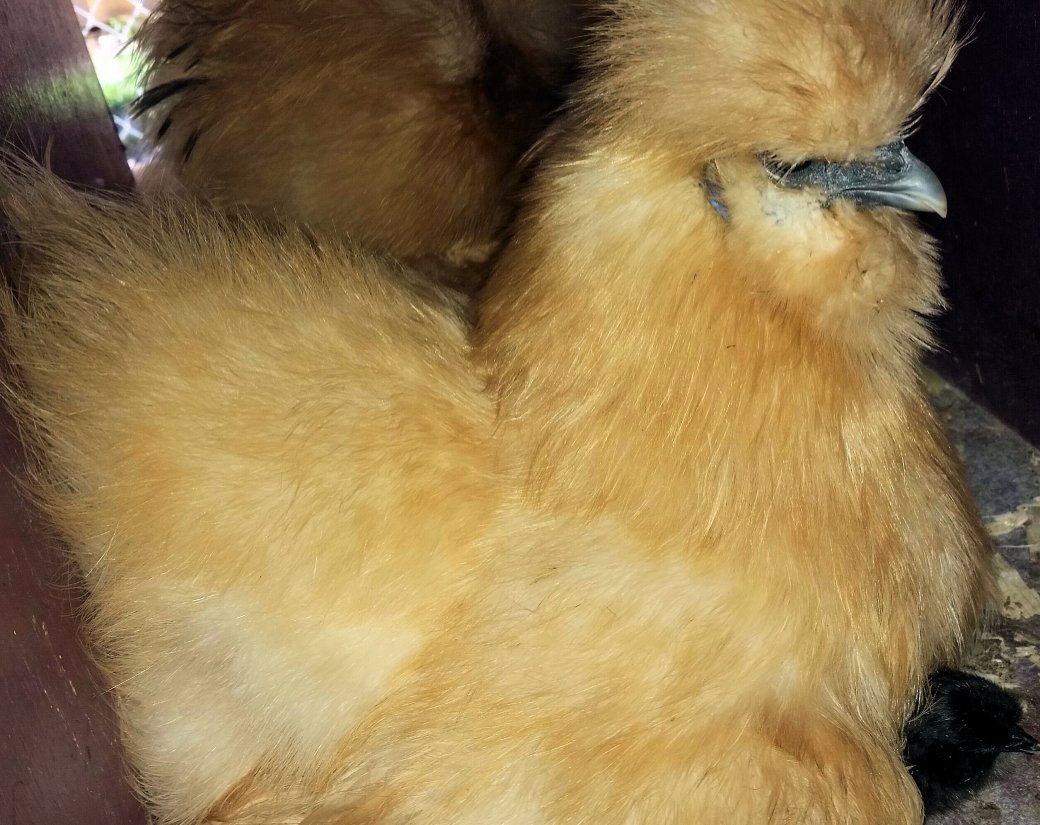
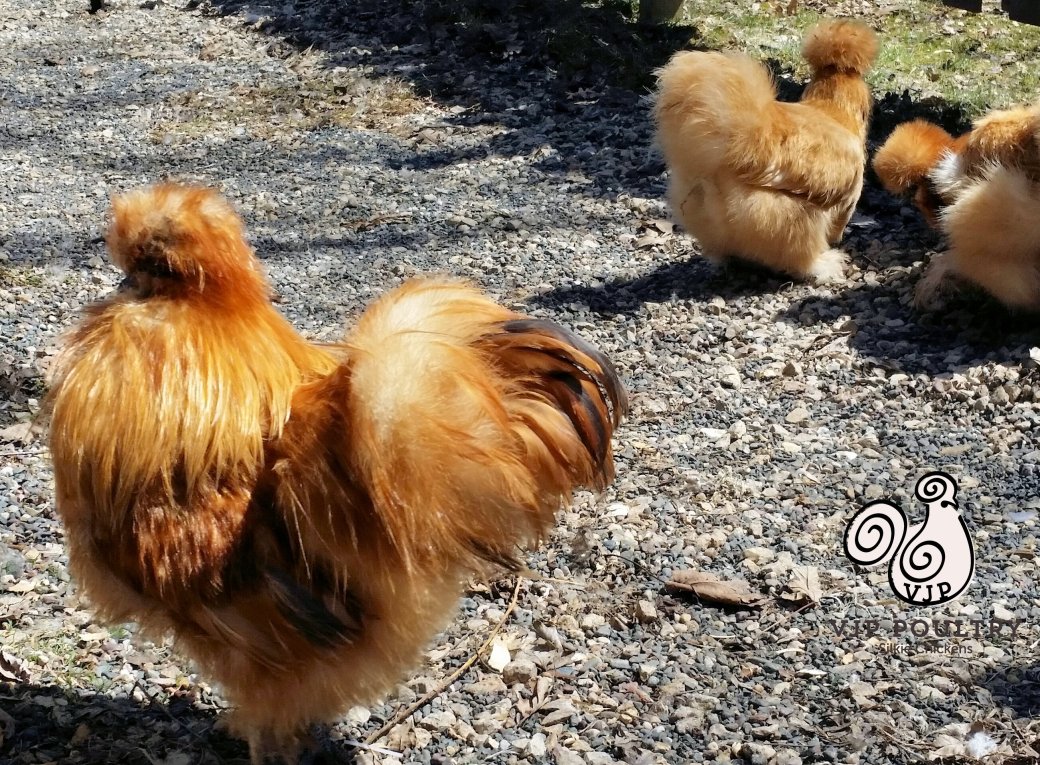 If someone says that they “rule the roost” at their house you may wonder where that term came from. The top chicken gets the best place on the roosting bar at night as part of a complex hierarchy commonly called “the pecking order.” The pecking order has an influence on feeding, drinking egg laying, roosting, crowing, mating and even dust bathing.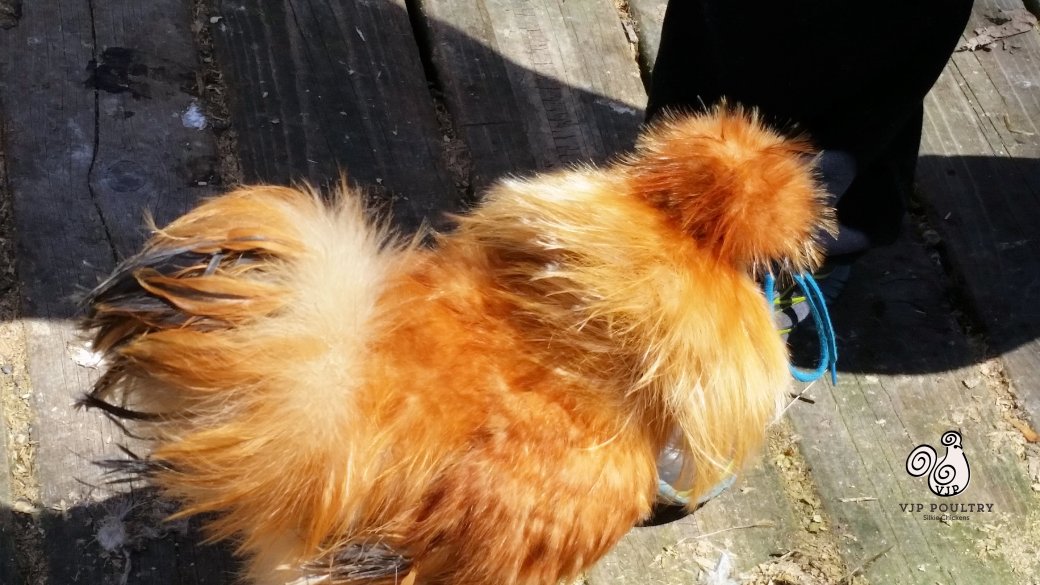
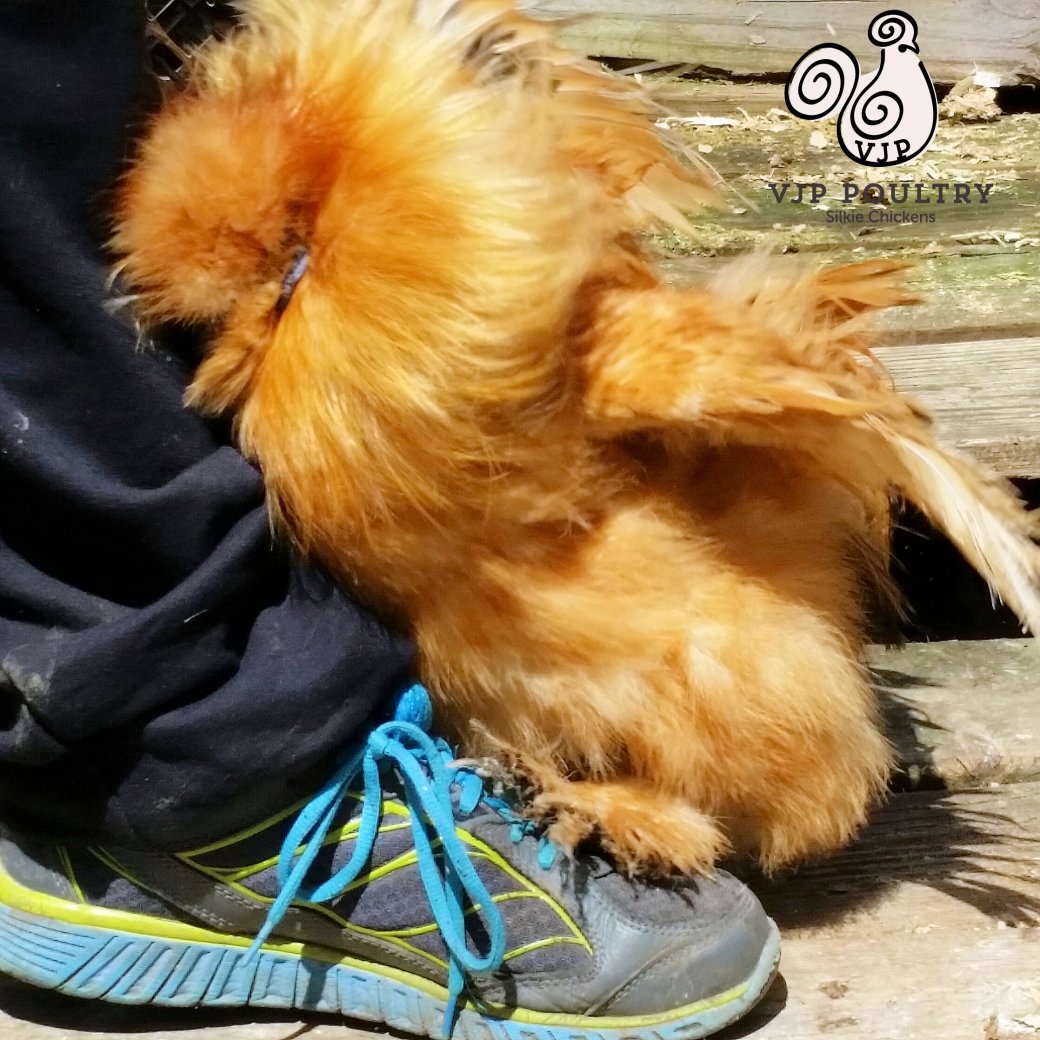
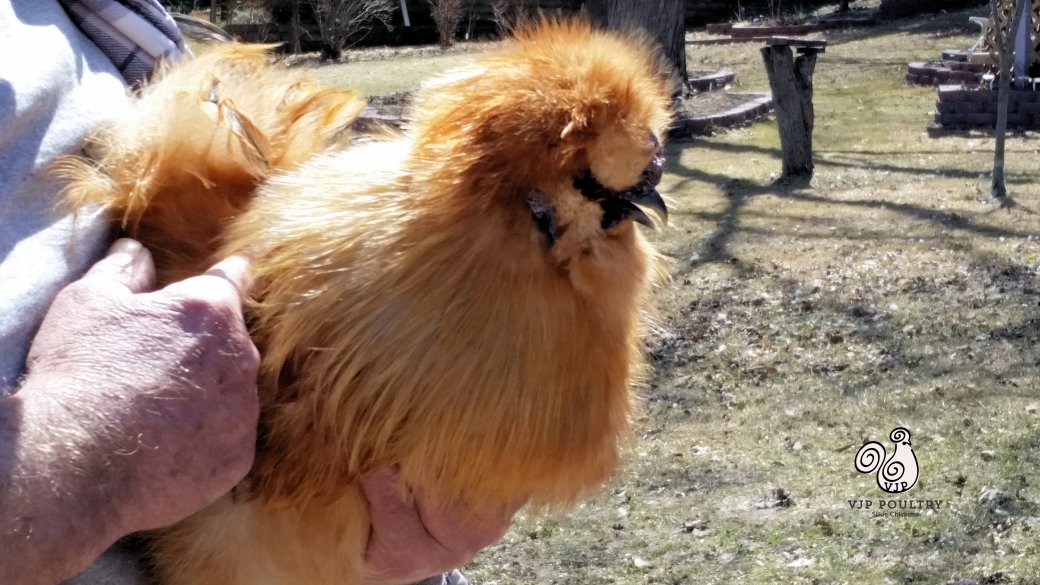
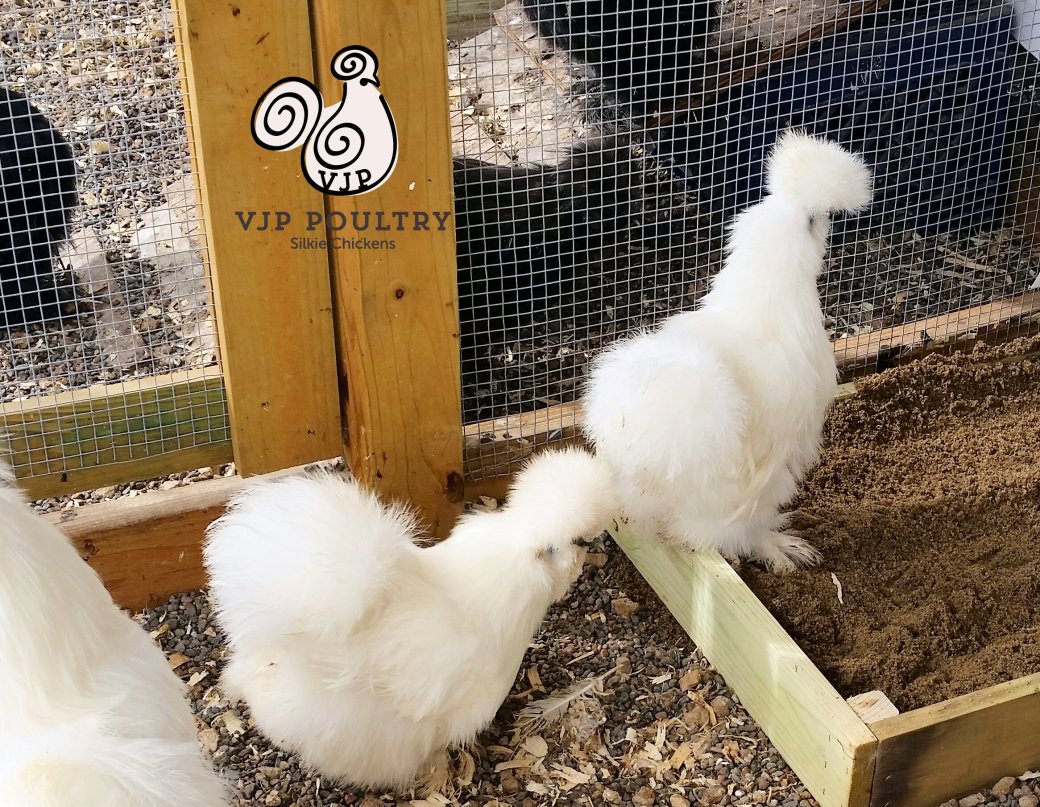 All chickens should have access to dust baths. It doesn’t matter what breed or age of chicken, it is instinctual for them to wallow in the dust and dirt. It is their way of getting clean and practicing good hygiene.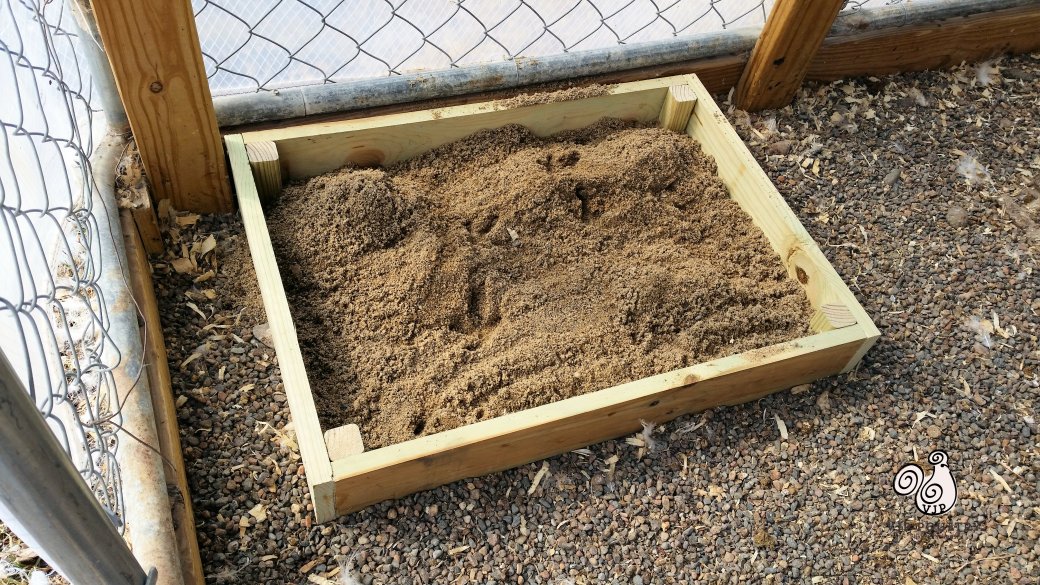
 VJP Poultry