Tag: poultry blogs
Tips and Tricks for Broody Silkies
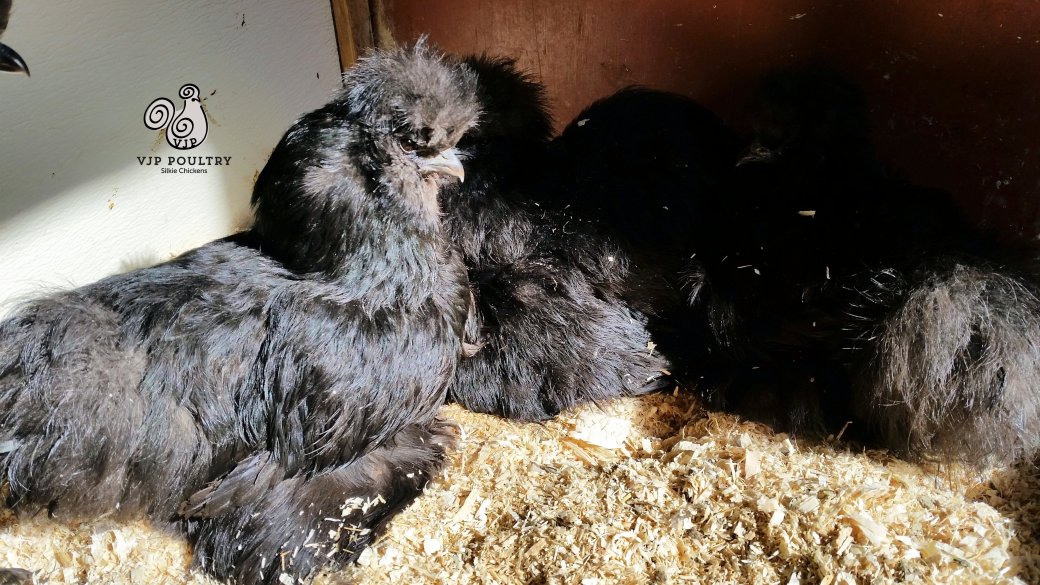 Silkies are a breed of chicken that goes broody regularly. This is important to know because the first time you experience it you may fear that your hen has developed some strange malady . I have people call me and are sure that something terrible is wrong with their silkie hen because she is acting so strangely.
A hen goes broody when she wants to set continuously on a clutch of eggs for 21 days and to have chicks hatch out. She may be sitting on real eggs, fake eggs, or imaginary eggs. Her hormones are telling her it is time to become a mother and nothing is going to deter her from her goal.
Some hens will never go broody, some will go occasionally and some will go very frequently. Conversely, it is very difficult to make a hen go broody if she is not interested. They have their own timetables.
The best way to tell if a hen has gone broody is when she wants to stay in her nest spot at all times. Even at night she will still be sitting in her corner. She’ll pull her feathers out, flatten her body over her eggs, growl or shriek if disturbed and peck or bite any hand that comes close.
A broody hen is wonderful if you are trying to hatch chicks. Silkies make excellent incubators. Many people purchase silkies for the sole purpose of having them hatch out other eggs. They can hatch other breeds of chicken’s eggs, duck eggs or even pea cock eggs. They will then raise these offspring as well.
A hen has a hormone surge prior to egg laying that causes her to create a nest and prepare . She will lay an egg every day. This is her clutch. Then she will settle down to business and won’t be moved. The broody period typically lasts for three weeks.
Broody hens will stop laying eggs and pluck out their breast feathers. This is known as “feathering the nest”. They only leave the nest for short periods of time to eat, drink and poo. Broody poo is easy to recognize as it is a very large, smelly amount.
Broody hens will lose weight. They can actually starve themselves if they take it too far. They will sit in their nesting box for 24 hrs a day and almost look as if they have gone into a trance.
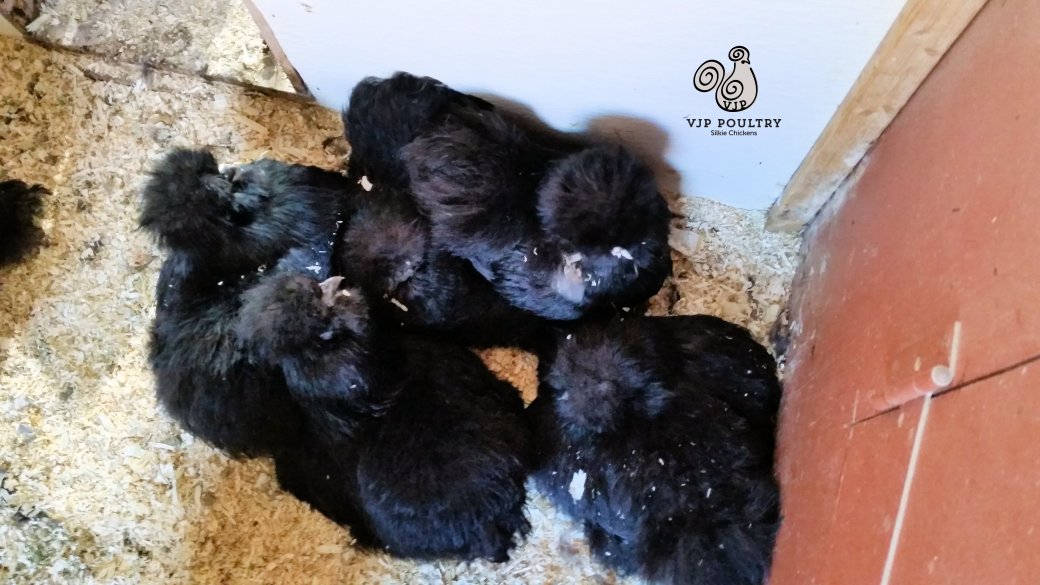
Broodiness can be contagious and can lead to other hens going broody too. Sometimes I will have four or five in a heap together. One hen will come over and lay an egg and the broodies will all fight over who gets to sit on the egg. When one hen isn’t looking they will steal it and keep passing the egg around between them.
The key to breaking a broody hen is to cool her abdomen and vent area. It is the elevated temperature that signals her hormones so that she will continue to sit.
The best way to break a broody hen is to contain her in a wire bottomed cage. Put it up on a saw horse so that air can flow underneath. This air flow will help to cool down her vent area. A bird or parrot cage is often used. The best would be a rabbit hutch that is already up on legs. People call these cages “Broody Breakers.” Make sure that she has food and water but no bedding.
Other tricks to break them would include things such as collecting the eggs quickly and not allowing her any to sit on. Remove the hen from the nest and put her out in the run with lots of interesting treats to eat. Put frozen water bottles or ice cubes in the nest. Remove all nesting material and close down that area of the coop.
I have tried the water method. You dip the bottom of the hen in water in order to cool her down. This needs to be done on a warm, summer day so that she does not become too chilled.
If you are determined to break her, break her sooner rather than later. The longer she is allowed to sit, the longer she will need to stay in the cage and the longer it will take her to get back to laying eggs.
I do not break my broodies. I just leave them alone and let them cycle through it. Eventually, they all give up and go back to their former social existence. Keep a close eye on your broodies and make sure there is food and water close by especially if it is a hot day.
The most inconvenient thing about a hen being broody is that it is no longer laying eggs. Remember that she probably still has eggs under her because she is stealing other hen’s eggs. It is important to collect them every day or you may end up with a hatch of baby chicks.
Whether you decide to break your broody or not, silkie hens will give you plenty of experience with how to handle broodiness. Good luck with your silkie hens!
For tips and tricks for raising outstanding silkies check out our Chicken Learning Center at VJPPoultry.com . VJP Poultry is an NPIP and state inspected hatchery located 30 miles north of St. Paul. We hatch out silkies all year long so we always have stock available. Like us on Facebook to get weekly updates on what we currently have for sale.
Victoria J. Peterson
Silkies for Sale – 6/17/17
Silkies for Sale – 6/10/2017
Heat Lamp Use at VJP Poultry – 12/20/16
 Now that the weather is getting colder, I have a lot of VJP Poultry customers asking me about using heat lamps in their coops. People are concerned that their silkies will not be able to stand the cold of a Minnesota winter.
My use of heat lamps has changed dramatically since I started raising silkies seven years ago. I used to worry that my silkies would die from exposure. I had 250 Watt heat lamp bulbs hanging in every color pen the entire winter. Some even had two hanging in them. My electric bill was crazy. I kept the windows open only a crack and tried to raise the temps as high as I could inside.
After seven years of experience , I now rarely turn on the heat lamps in my outside coops. The silkies are fine. They actually are very winter hardy. They have a small comb so you don’t need to deal with frostbite issues. They aren’t fond of snow but they do love to go out into their runs no matter what the temperature. What is cold for a human is not cold for them. Think about all of the woodland birds. They do just fine in the cold Minnesota winter.
I have one 250 Watt heat lamp above each waterer just in case it gets really cold. I did have them all on during the spell of -40 windchill. They shouldn’t be thought of as a way to heat an entire room. They only heat what is directly below them. If it gets to be around -10 I will flip the heat lamps on. My waterers are heated a different way (from below) so I don’t need the heat lamps unless it is super cold and the water is staying frozen.
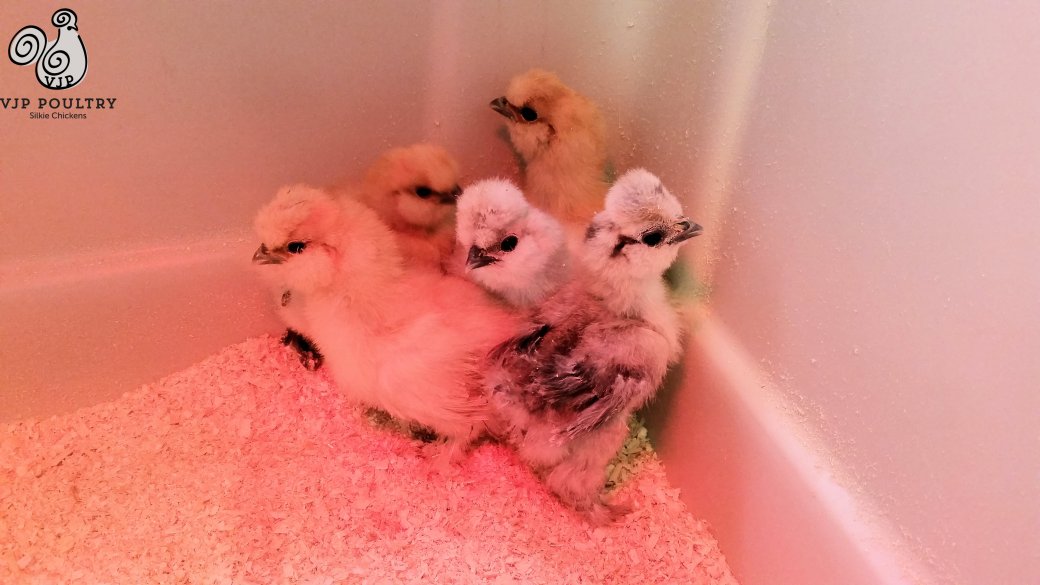
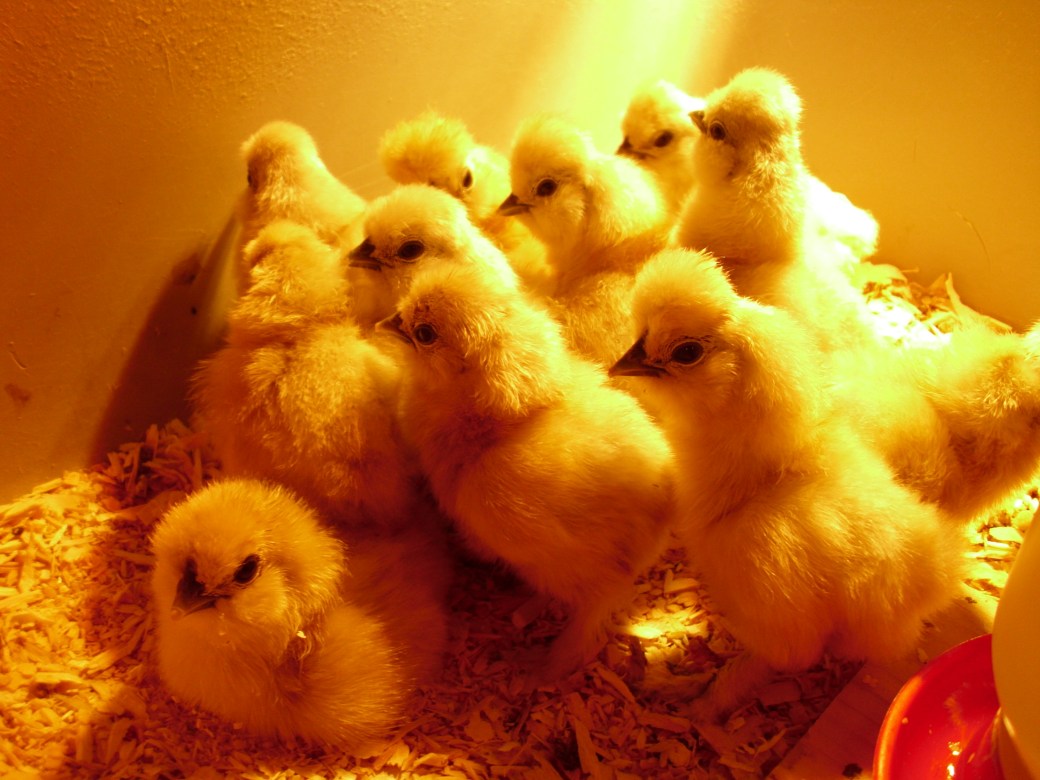
I do use heat lamps in my baby chick room. I like to use the lower 125 watt bulbs. They are not as hot and not as expensive to run. I will use a heat lamp over the newborns and the one week olds I don’t always use it over the two week old, but I could if I needed to. The chicks are in a small room off of my garage. The room is not heated with central air, so I also use a standing space heater to keep the entire room warm during January.
I am very aware that heat lamps must be hung securely. I use chains and wire so I can adjust the distance down to the brooder. I do not rely on the clamps that come with them. Heat lamps that are not secure and fall can easily start a fire. Make sure that the hoods are wiped clean of dust and that you also blow out the outlets with an air hose.
Heat lamp bulbs gradually become less strong the longer you have used them. You are still paying for the same amount of electricity from the 250 Watt bulb, but you are not receiving the same amount of heat the longer you continue to use it. When I feel that its not as strong anymore, I generally switch it out for a new bulb. I don’t want the surprise of it burning out when I really need it over newborn chicks. The 125 Watt bulbs are harder to find so we order ours online.
Remember, it is not the lack of heat that can cause issues with silkies in the winter. It is the moisture present in the coop. If you are seeing frost on your doors or walls, it is a sign that there is too much moisture and not enough ventilation. Open the windows, but keep the drafts off of the sleeping birds. I use pillow cases stuffed with old T-shirts and place them in front of the pop holes to block the drafts on the floor.
Electricity from heat lamps can be costly. One 250 Watt heat lamp costs about 90 cents a day to run. Add a space heater and that would be an additional $1.80 a day to run.
At VJP Poultry, we use heat lamps as sparingly as possible. They are necessary for young chicks in the first few weeks of life. Make sure they are hanging securely and change out the bulbs when they start losing their heat. They can be a useful part of your breeding program.
An alternative to heat lamps brooder heat plates. There is less of a chance of fire with these. You can also use the sweeter heaters that are hung from a chain above the chicks. This would be a more secure way of doing it.
For tips and tricks for raising outstanding silkies check out our Chicken Learning Center at VJPPoultry.com . VJP Poultry is an NPIP and state inspected hatchery located 30 miles north of St. Paul. We hatch out silkies all year long so we always have stock available. Like us on Facebook to get weekly updates on what we currently have for sale.
Victoria J. Peterson
 VJP Poultry