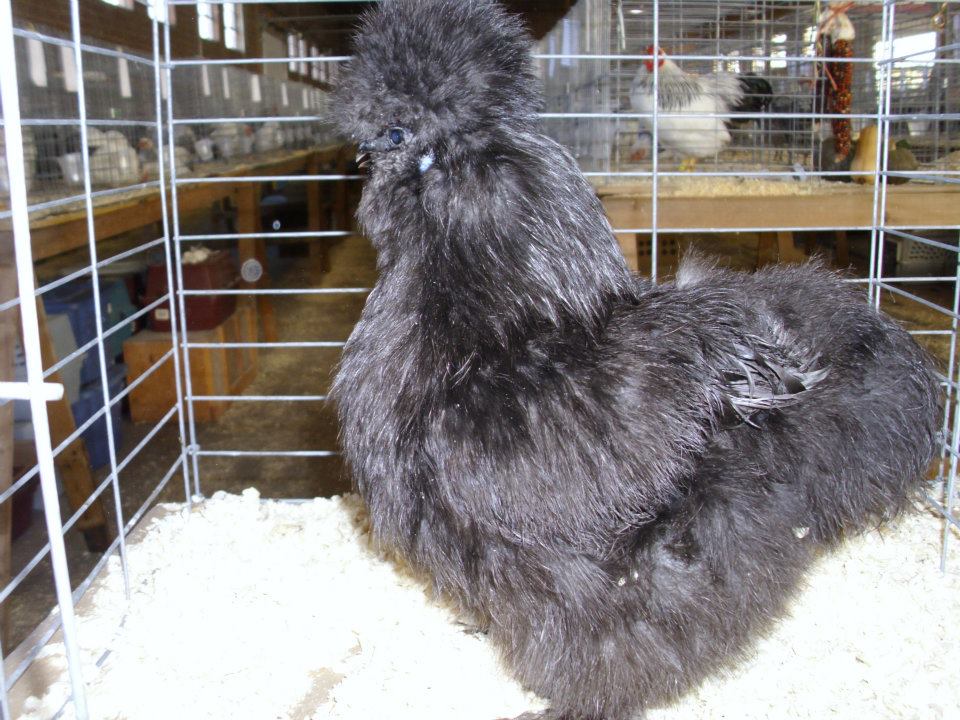
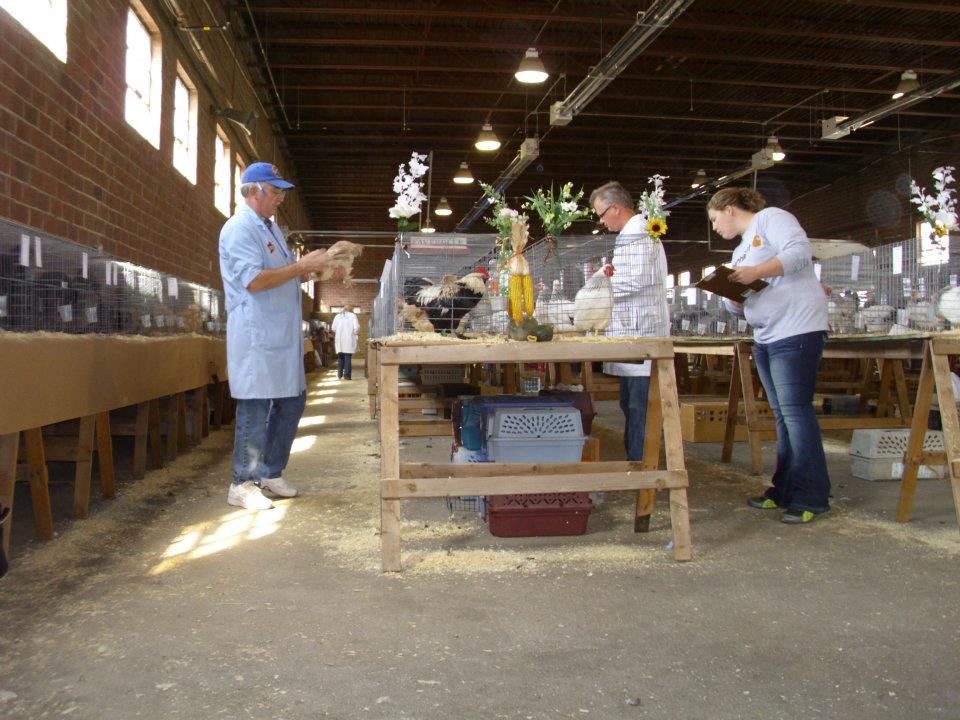
 There are many things to consider when choosing chicks. You will ultimately want a chick that grows out to be a show quality winning bird, but it is difficult to know how a chick will feather out as it matures. If you follow a few simple guidelines when choosing, you should be on your way to a great 4-H poultry showing.
One obvious trait would be color. If you are showing a trio (one male, 2 females) they should all three match in color. Black or white birds are easy because they match up the best. If , however, you see leakage in the coloring of the chick – choose another chick. Black should be solid black with no other colors coming through the wings or toes. Same with white. Buff and blue will be harder colors to match. Their colors are on a spectrum. There are many different shades of buff and blue. When you are picking out chicks in these colors, make sure that the chicks are matching each other. The colors should be pure without any leakage of other colors.
The next thing to look at would be their toes. Silkies should have five toes. Sometimes a chick will be born with only four toes. This is a disqualification for silkies. They may also be born with extra claws coming out of their last toe. Again, a disqualification. No extra claws or toenails.
Toe placement is also important. Their toes should have adequate spacing between them, especially between the 4th and 5th toe. You want those two toes to have as much separation as possible. Not fused together. The 5th toe should be pointing back towards the tail. Not towards the front.
When purchasing a new chick look for one that is healthy and full of vitality . Watch it walk and make sure it is not presenting any leg issues. Make sure its behind looks clean.
Because you need two females and one male that all match, my advice is to buy as many as you can afford or have room for. Not all chicks will grow up to have the same body type. You will want to be able to choose which is the best among many others. You will also want back-up birds in case something happens at the last minute to the bird you picked out.
You should choose one color of chick and stick with it. It will not help you to buy black chicks if you are really planning on showing white. Buy as many as you can in one color so that you will have more choice later when you are ready to show. I think that black and white are the easiest to show.
An NPIP breeder is one whose flock has been pullorum tested. If you buy from an NPIP breeder you will not have to go through the trouble of having your birds tested for pullorum at show time. The rules state that all birds entered for 4-H showing need to be tested unless they have a “statement of origin ” sheet which will state the breeder’s hatchery number.
Hopefully these suggestions will help you to pick out some truly wonderful chicks for showing. VJP Poultry is a great place to start looking and I would be happy to answer any questions you might have on showing birds. Good luck in all your shows!
For tips and tricks for raising outstanding silkies check out our Chicken Learning Center at VJPPoultry.com . VJP Poultry is an NPIP and state inspected hatchery located 30 miles north of St. Paul. We hatch out silkies all year long so we always have stock available. Like us on Facebook to get weekly updates on what we currently have for sale.
Victoria J. Peterson
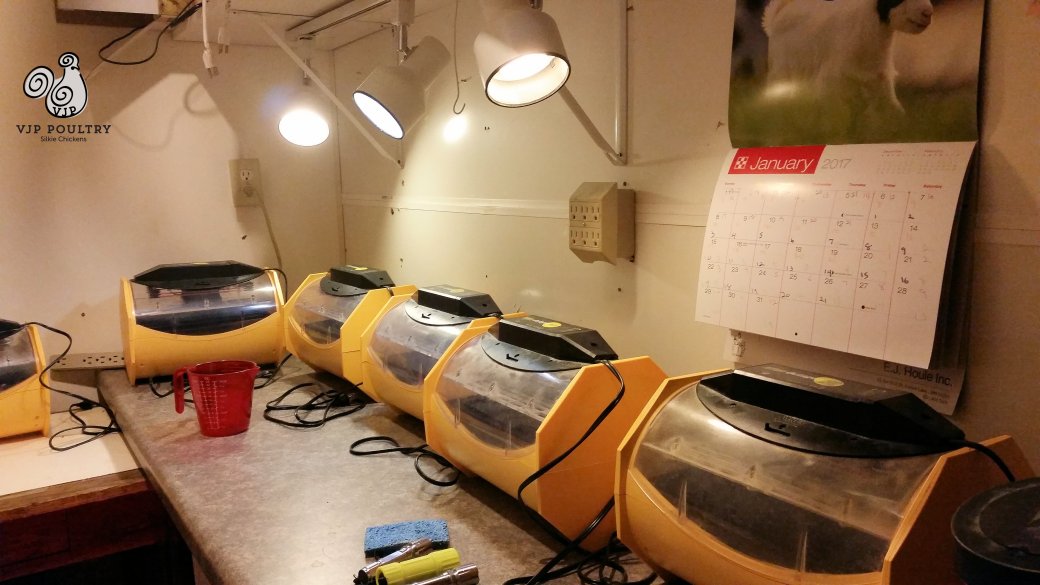 “What could you do today that would vastly improve your life three months from now?” That was the inspirational message on my computer screen. “Buy more incubators ” , was my instant thought. I knew that I would be so much happier in three months if I ordered some incubators today. Now I had some hard decisions to make as there are many incubator choices out there. I asked for help from others on the web and I had responses from around the world.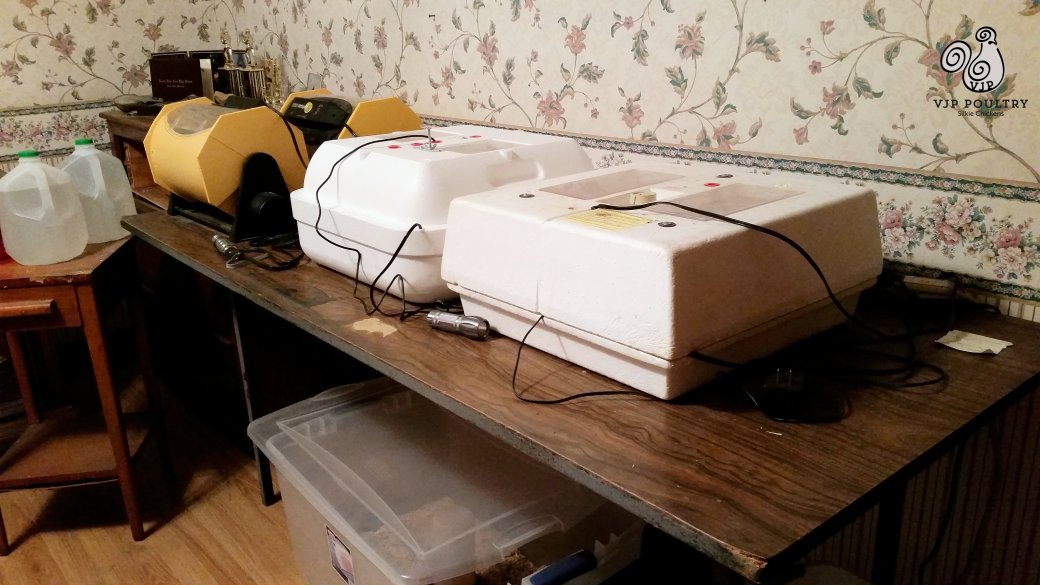
 We are always trying to think of ways to improve how we do things at VJP Poultry. We want to be able to complete chores more efficiently . Time is a factor and it is important that we look for ways to do things faster and better.
 VJP Poultry