Silkie Starter Kit – What You Need Before the Chicks Arrive

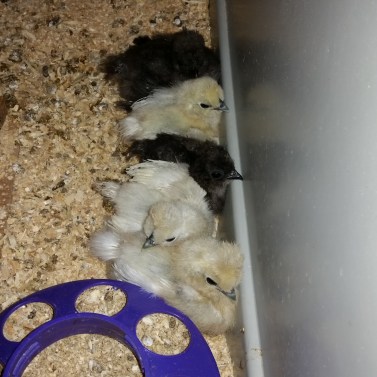
20170330_130644 As with any pet, it is important to plan ahead and purchase any equipment and supplies you will need before you bring home the actual animal.  This is especially important with baby chicks.

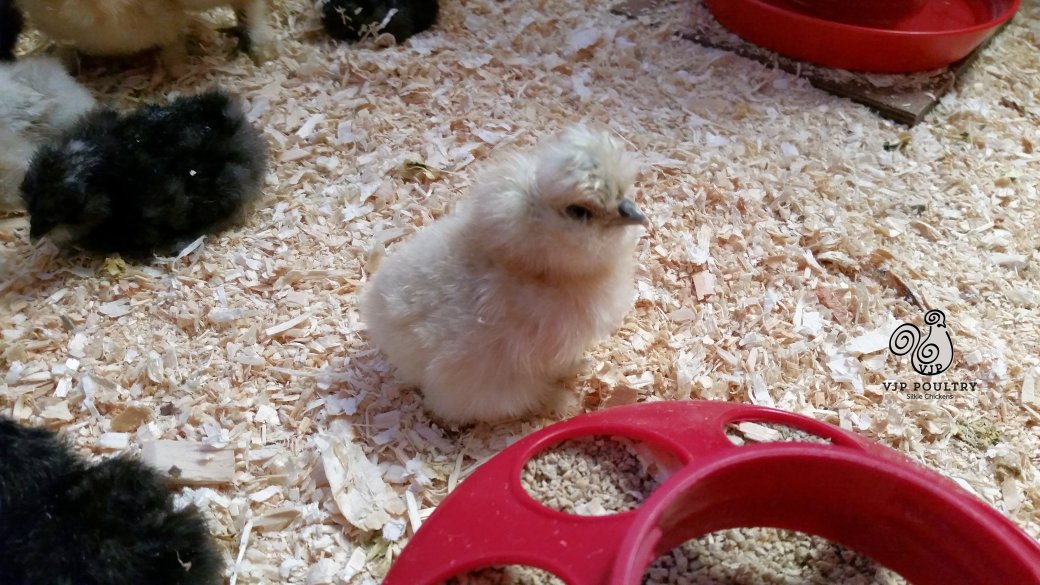
If you plan on purchasing newborns or one week olds, you will first of all need to have a heat lamp and a heat lamp bulb to go with it. The heat lamp should be up and running before you bring the chicks home so that they can immediately warm to the right temperature after their car ride.  When setting the heat lamp up, do not rely on just the clamp that comes with the fixture.  Use mechanics wire to hang and secure the lamp over the brooder.  The lamp should be able to be raised or lowered as needed to keep the chicks at the right temperature. This temp should be around 85-90 degrees when they are very young.  Use their behavior as a guide. If they are too cold they will huddle under the lamp and cry.  If they are too warm they will try and get as far away from the bulb as possible.  You want them comfortably moving to all parts of the brooder.

I bulb should be a red infrared variety.  I think those are the best so that the chicks can experience a night time cycle.  It can also keep down the pecking of each other that can occur when there is the stress of constant daylight.

Any type of a tub can become a brooder.  You will need to line the brooder with animal bedding to absorb moisture.  I use pine shavings.  I change the bedding about once a week and throw the used bedding on my garden to act as a mulch and fertilizer.

Your silkie chicks will also need a feeder and a waterer.  Quart size is best when they are small chicks.  Later you can get the gallon sized.    I like to add a couple of things to the water for the silkie chicks.  Vitamins with electrolytes can be added to give them a good start.  I also add a splash of apple cider vinegar to help with digestion and general health.

Young chicks should be given chick starter until they are at least 10 weeks old.  They can eat it longer than that, but you may want to switch to a grower feed.  Chick starter is high in protein.  Use medicated until they are around six weeks old and then switch to regular chick starter.  Medicated can help their developing  immune system to fight coccidiosis.

On my website near the top, there is a page called Silkie Supplies. There are some suggested products there to guide you in deciding what you need to start in silkie chickens.  Good luck with your new pets!

For tips and tricks for raising outstanding silkies check out our Chicken Learning Center at VJPPoultry.com .  VJP Poultry is an NPIP and state inspected hatchery located 30 miles north of St. Paul.  We hatch out silkies all year long so we always have stock available.  Like us on Facebook to get weekly updates on what we currently have for sale.

Victoria J. Peterson
20170417_072559

How to Keep a Flock History 11/07/16

20161031_180456

A flock history is basically a written record or diary of anything and everything pertaining to your flock. I use school notebooks and my computer to keep records of everything I do with my chickens. If you start it right away, you can keep a very accurate account of facts about your flock.

Start by noting the date of hatch, the source – who you got it from, the breed and anything the seller tells you about the bird’s past history, and any medical certificates that came with the birds.

I have a pedigree file on my computer where I list all of the birds I presently have. It is  a Microsoft Excel spreadsheet. I list the breed, what color it is, what band number it has, date of hatch, where I purchased it, and if it is male or female. If I know for sure who the father was I will include that as well. I can then sort according to the information I need. Usually , that would be sorting by age or by color. If I lose or sell a bird, I simply delete it from the list.

I have a different spreadsheet for managing the business end of things. I found a nice spreadsheet on Backyardchickens.com that someone created specifically for chickens. If you search on that site for “chicken spreadsheet”, you should be able to locate it. It keeps track of everything – customers, how much you sell, what your expenses were that month, etc and you have a summary page for the end of the year where you can compare each month. It is nice to know if your chickens are paying for their upkeep.

I keep medical records in a paper notebook. If any birds are sick, I will note symptoms and remedies tried. You could also document your feeding a management practices and any changes you make. Sometimes I need to keep track of a new breeding program. Who was mated with who.

It is important to write things down as you go along. It may seem like extra work at the time, but later it will be easier to look back than just relying on your memory, especially if you are trying to trace a health problem. When you experience a problem, it is hard to remember all the little details you thought you’d never forget.

Each week I keep track in my Chick Notebook how many chicks I have in each pen and what color. I use markers in different colors to make it easy to see what color birds I have at a glance. As chicks are sold, I adjust the numbers so I always have an accurate account of what I have for sale. If I notice any abnormalities in the pens, I will mark those down. Sometimes I will guess on ages. I will record those guesses as well. Then the next week, I will check back and see if I still feel the same way about its gender. I keep track of the ages in the pens so I always know how old the chicks are. Sometimes colors can look very similar. A black and a dark blue can almost look the same. I will keep those colors separate and write down which is in each pen.

One other system I have tried is to keep a notebook with a page for each bird. This is an easy way to keep track of the age, what problems it experienced, when it was sold or died. You can look back over the years and see if there are any patterns developing with your flock.

Keeping an up to date flock history is an important part of my job at VJP Poultry. In the long run it makes for a valuable document that can improve your chick’s health and well-being.

For tips and tricks for raising outstanding silkies check out our Chicken Learning Center at VJPPoultry.com .  VJP Poultry is an NPIP and state inspected hatchery located 30 miles north of St. Paul.  We hatch out silkies all year long so we always have stock available.  Like us on Facebook to get weekly updates on what we currently have for sale.

Victoria J. Peterson
20161105_140206.jpg

October Fall Chores at VJP Poultry 10/29/16

20161028_113851October is the time of year for finishing what didn’t get done this summer and planning for what will be happening this winter. One big project that needs finishing up is our new coop and run. We started it last fall and we still need to put the last finishing touches on it.

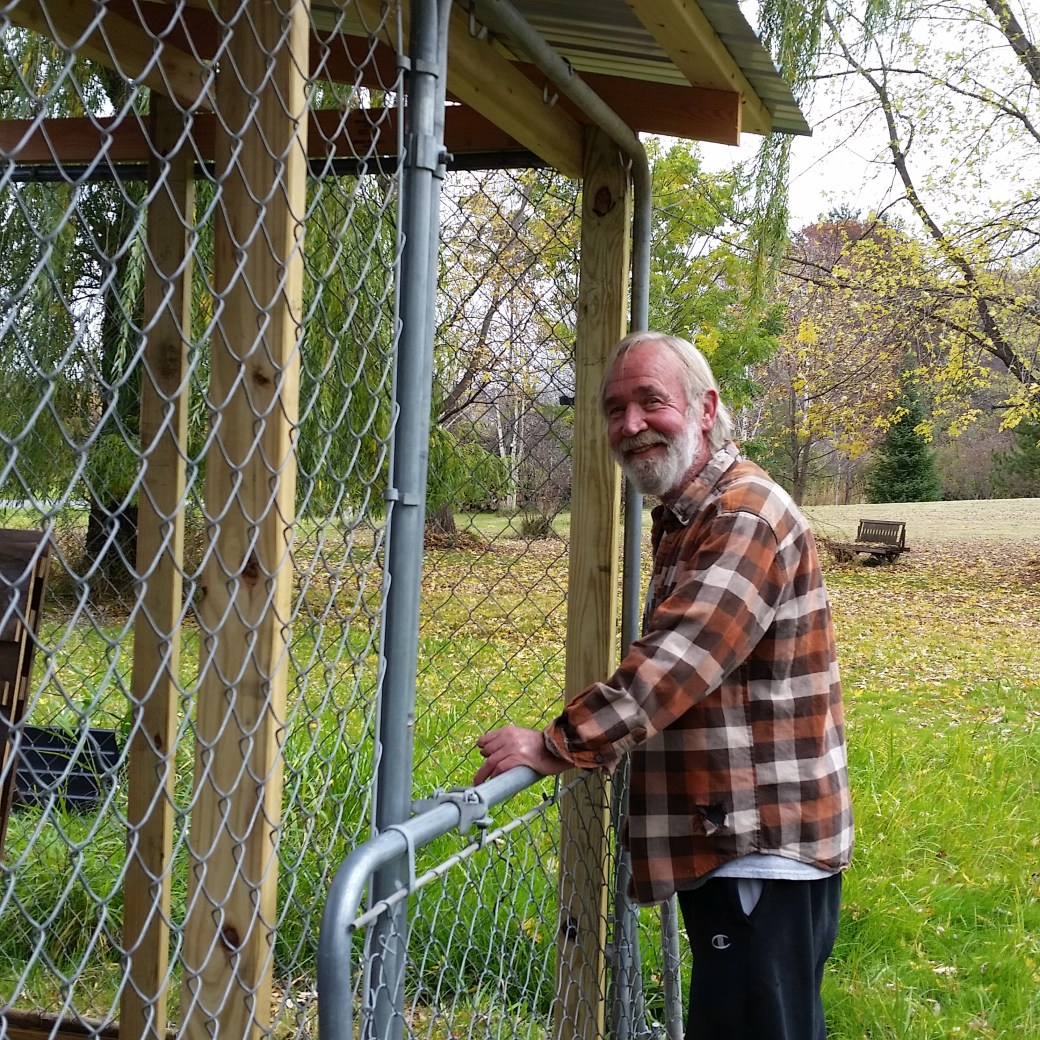
My husband, Dennis, is the handy man in our family. He has been busy this month finishing ramps and doors for the four pop door openings in the new pens. We painted today (purple) and hoped that the white silkies stayed white and did not turn into purple Paints!  We also finished up the fencing in the run and closed up any holes that are left.

Since October is the month for planning, we measured all of the runs for the plastic sheeting we wrap around. In past years, we used clear plastic that came on a roll. We measured, cut and zip tied it but by spring it looked pretty beat up.

This year we are going to order clear tarps that have grommet holes. They will cost more than the roll of plastic , but we will be able to use them for possibly three years. Again, we will use zip ties and bungee cords to hang them. They keep snow out of the run and create a kind of greenhouse effect inside it. The plastic cuts the wind and lets the silkies come out of the coop when it is well below freezing.

While ordering the tarp, I decided to also stock up on heat lamp bulbs. I ordered six 125 watt bulbs to be used in the chicks room. Better to have some on hand than to have a crisis occur and be out of them.

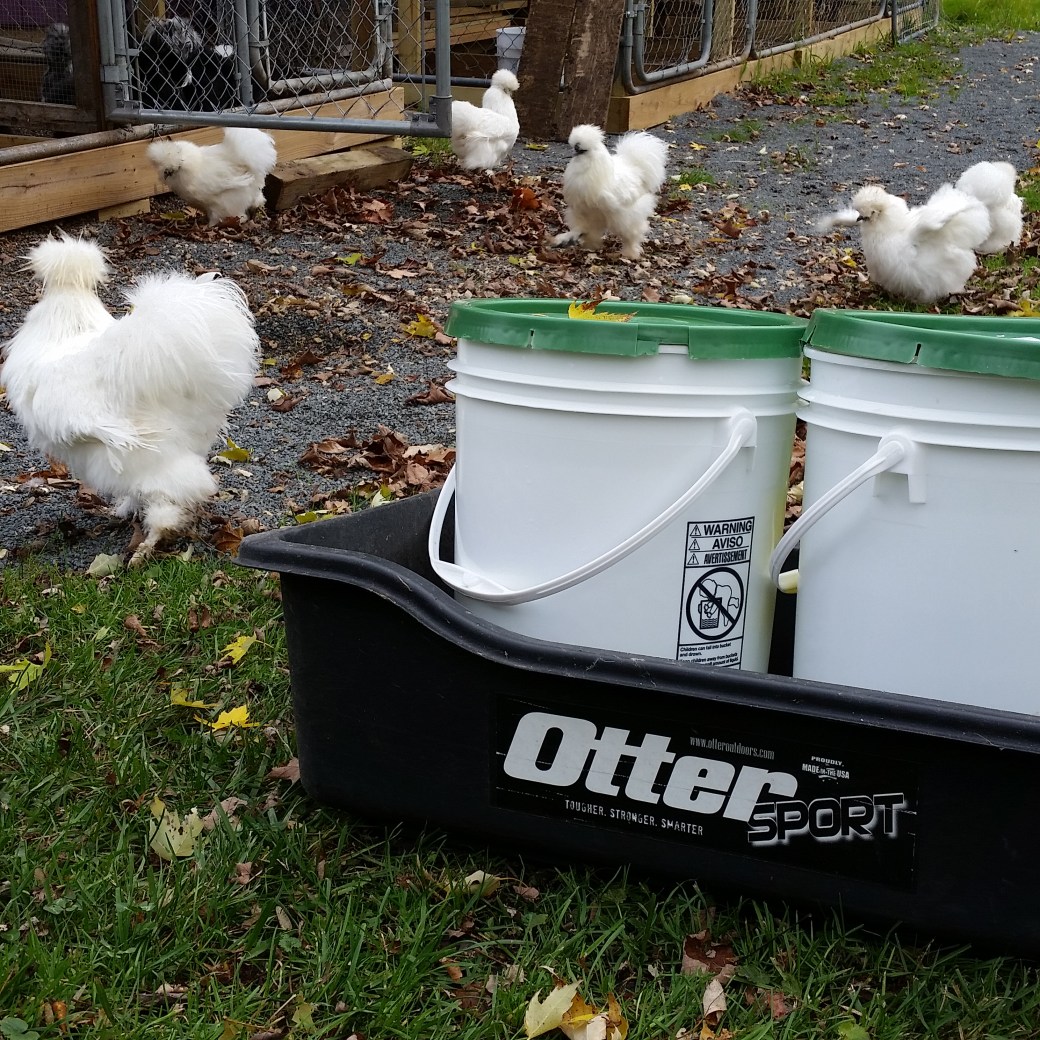
Another chore to plan for is water transporting. By the end of October the hoses are put away and I need to start carrying water out to the coops. In previous years, I carried the water in two, 5 gallon buckets. Not my favorite chore. This year I will need twice as much water since we added another coop. I found a few 5 gallon buckets with lids which will work nicely. I plan on using the  otter sled to bring the water down to the coops. Always trying to improve the way we do things around here.

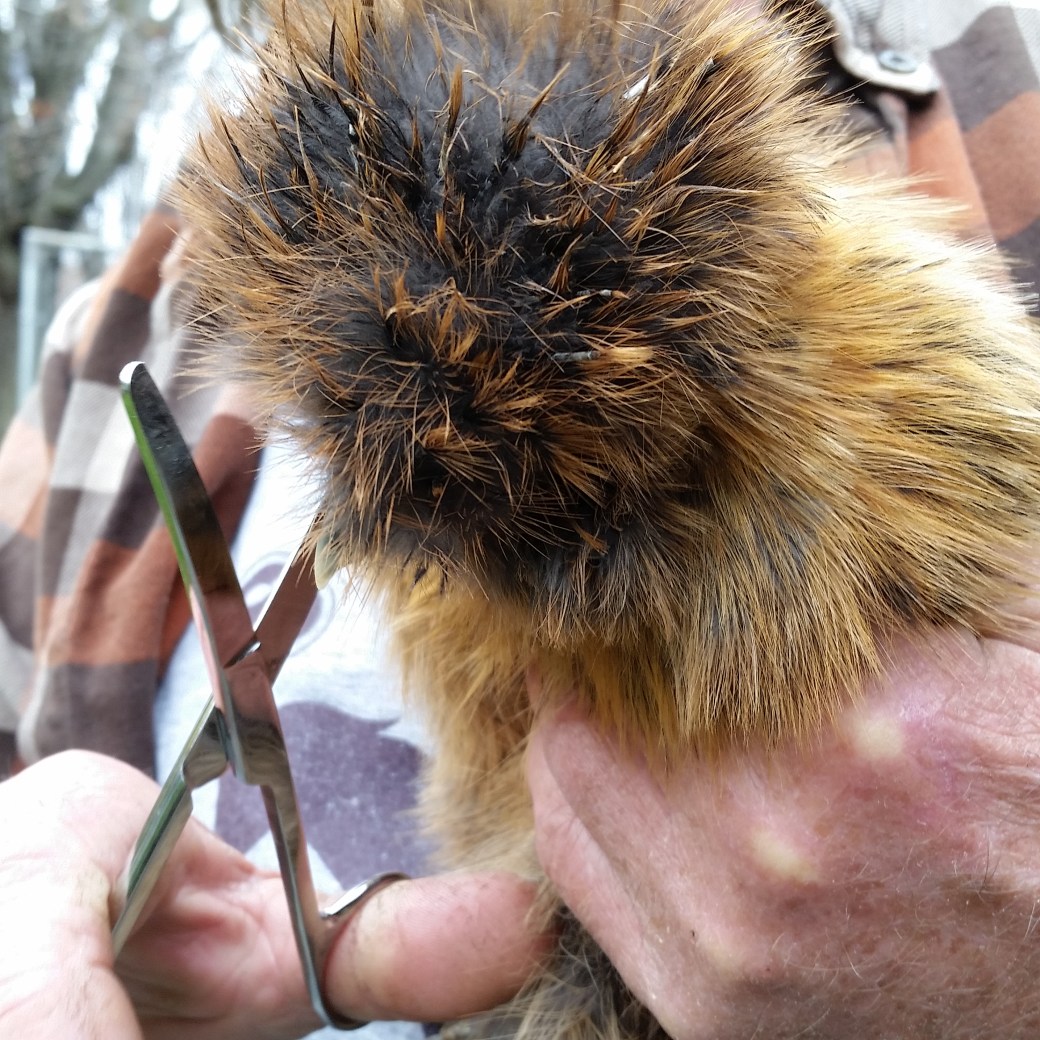
One last chore is to go through all of the birds individually. We check to see whether it can see. If not , we trim the feathers around the eyes and underneath the eye with curved scissors. We trim the beak and trim away any long toenails with diagonal wire cutters.  We are now set for winter. The birds will be snug in their coops. All it takes is a little October pre-planning.

For tips and tricks for raising outstanding silkies check out our Chicken Learning Center at VJPPoultry.com .  VJP Poultry is an NPIP and state inspected hatchery located 30 miles north of St. Paul.  We hatch out silkies all year long so we always have stock available.  Like us on Facebook to get weekly updates on what we currently have for sale.

Victoria J. Peterson
20161028_122410

20161028_121929

Silkies For Sale – 10/26/16

Silkies For Sale – 10/19/16