What You Need to Have in Your Poultry Showbox

20171025_131540   It’s the day before you leave for the poultry show and your birds have all had their baths, toenails clipped and general primping taken care of. Now it is time to organize your Showbox and pack everything that you will need in order to keep your bird in tip top condition at the poultry show.

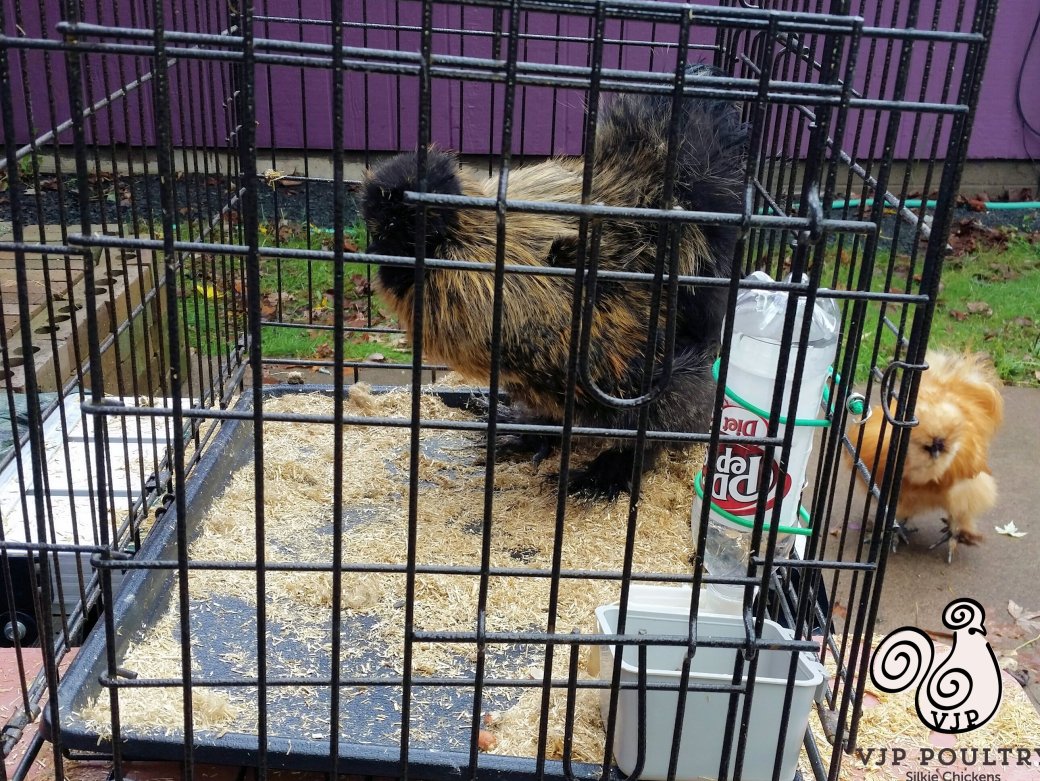
You will need some kind of carriers to transport your birds to the show. A cat carrierworks very well. Remember to line it with some kind  of bedding. Try to have only one bird per carrier if possible.  You do not want extra poo rubbing on to your birds nice clean feathers.

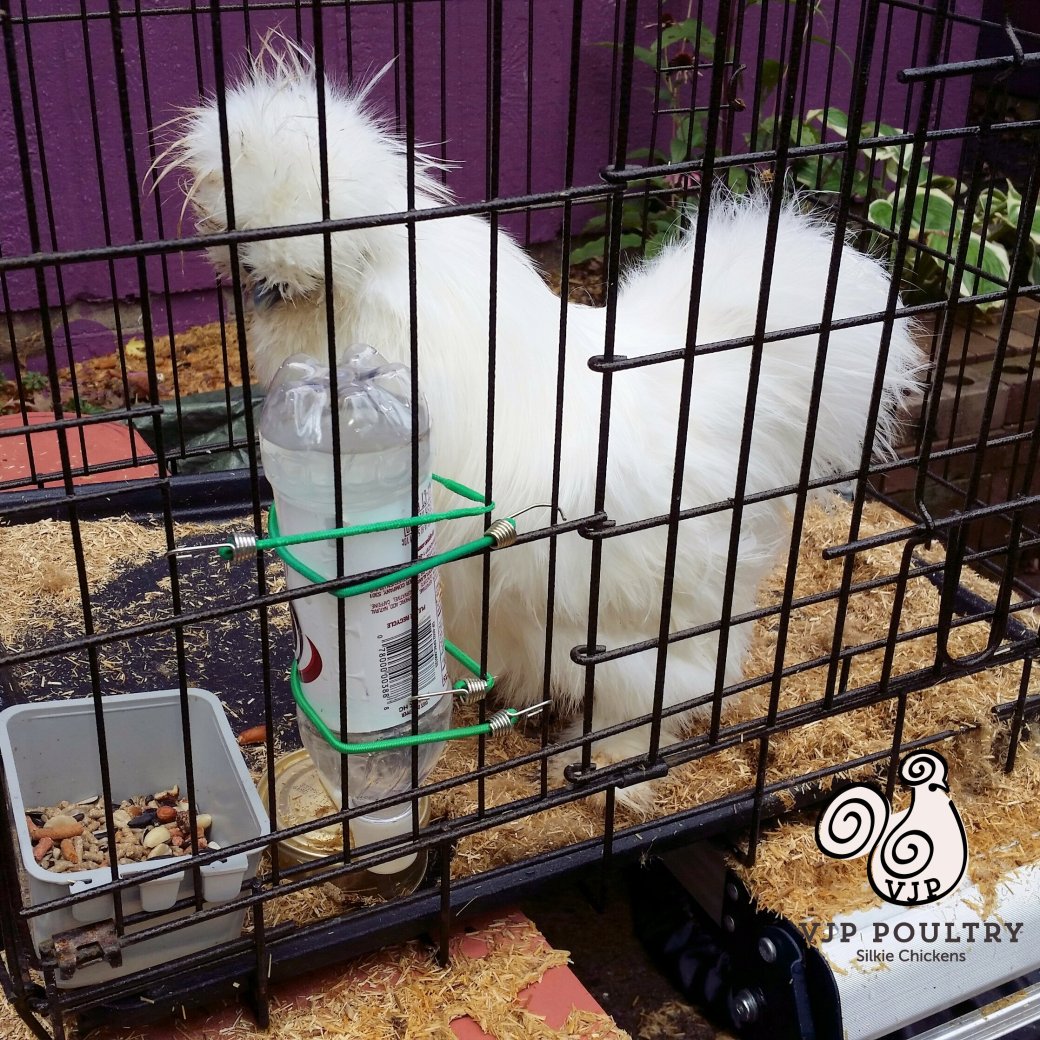
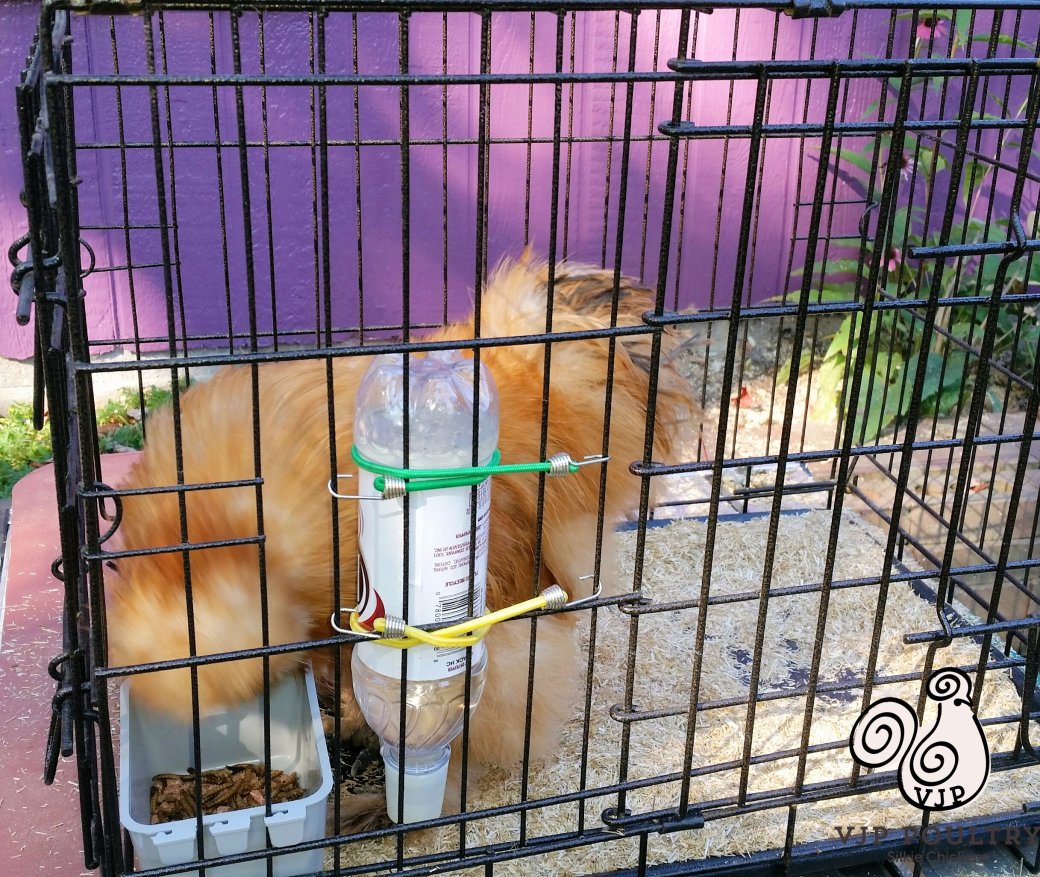
At most shows you will be bringing your own feeders and waterers.  Since I have silkies, I use a pop bottle waterer.  You will need to pack enough waterers and empty pop bottles for each bird as well as mini bungee cords to secure them.  I also like to place an empty cat food can under the waterer to prop it up.

Bring a jug of your own water.  Add electrolytes to it as birds can often become stressed at a show.  The electrolytes will help to boost their immune system.  Get them used to this water a week ahead of time.  Birds can be finicky about change in water and food so you want to make sure that they are used to both.

If you have been cage training your chicken they should be used to using the feeders and waterers in the small cages.  Bring a bag of feed for your birds.  Bird seed with sunflower seeds and nuts is nice because it keeps the poo more solid than regular feed.  It makes it easier to remove it from the cage and from the bird.

Remember to withhold food on the morning of the judging. A bird with a full crop will create a lump in their chest and will not have a nice shape for the judges.  You may also want to withhold water so as not to have a silkie with a wet beard.

You will need to bring your own bedding shavings.  Constantly be on the look out for poo on the shavings and remove it before the bird can step or sit in it.  Some people will have booties on their birds until the judging starts.

On the day of the show you will see a lot of people frantically working on their birds before the judging starts.  You can put Vet Rx or another type of oil on their combs, earlobes, beaks, wattles and legs.  This makes the surface more shiny and brings out their colors.  Apply a thin coat.  Vet Rx is especially good because it helps the bird fight off diseases that they might come in contact with at the show.
20171006_120408

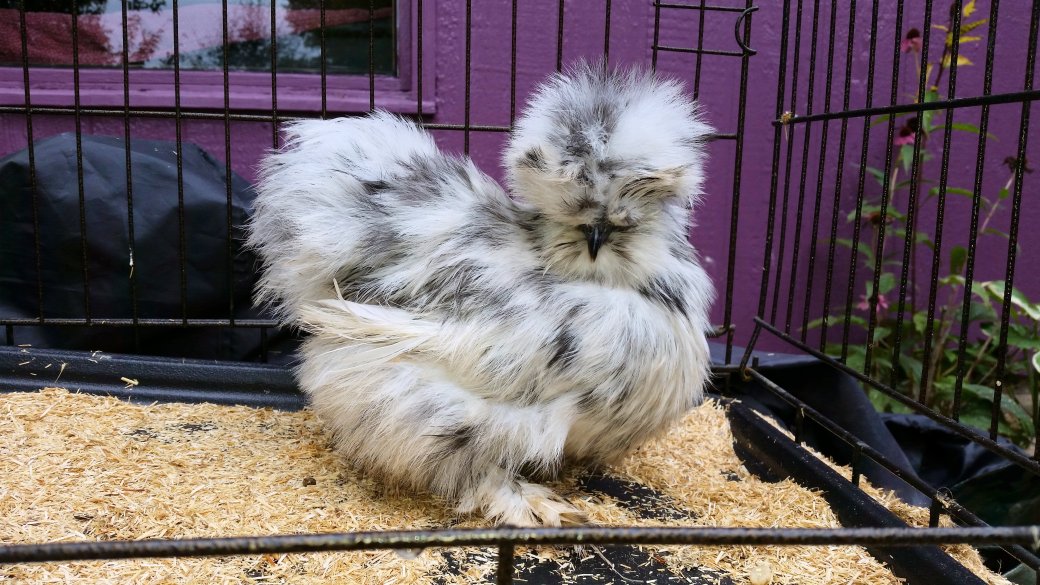
You can also shine up a bird using a piece of silk cloth and running it over the feathers. A micro fiber cloth works well for this too.  Feathers are oily and dust will stick to them.  This helps to remove the dust and make your bird shine.

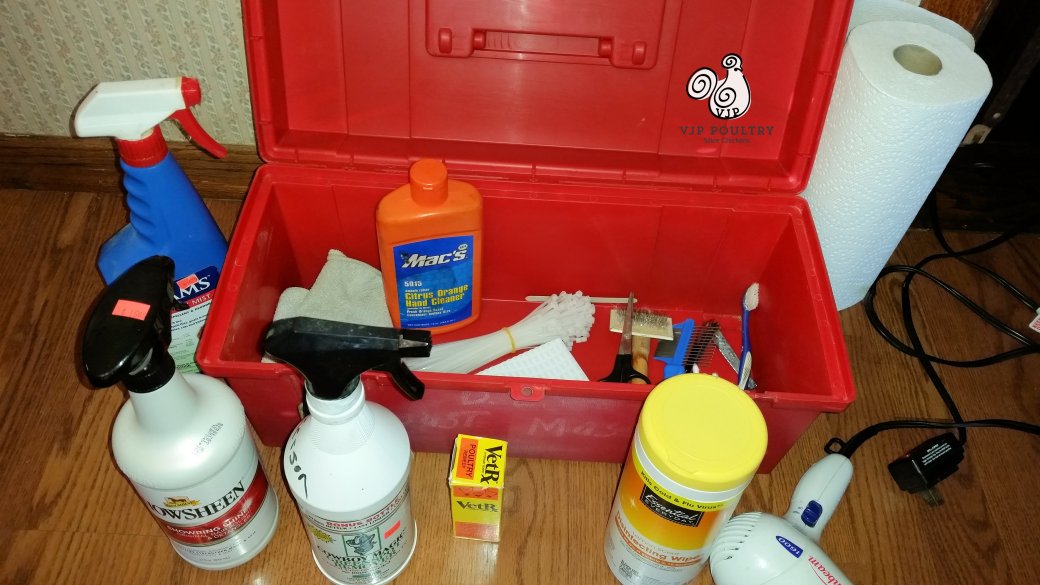
To finish a bird off, I will use Show Sheen.   Spray it lightly on or spray a cloth and run it onto the feathers.  Then blow dry and puff out those silkie feathers.   You can use a slicker brush or a fine tooth comb to really fluff it up and back tease it.

If you see that dirt or manure has gotten on any feathers, you can use Gempler’s Citra Clean hand cleaner or Cowboy Magic Greenspot Remover for those last minute touch ups.  Baby wipes and Mr. Clean Magic Eraser as also good tools for spot removing dirt.

I also bring paper towels, baby wipes, small spray bottle with water to loosen up dirt, tooth brush, hand sanitizer, portable chair, extra carriers in case you buy a bird or two, health forms for pullorum testing, cage ID numbers if the show sent you that information.

Remember to not leave all of this stuff out.  The judge should not see anything of yours.  Pack it up and take it out of the judging area.  It is considered bad form to enhance the cages your birds are in or to distinguish your birds from other people’s birds.  Don’t write your name anywhere such as on your cage cups.  Do not put up barriers between your birds and the birds next to you.  The judges need to be able to look down the aisle at all of the birds to compare them.

Dress for the show.  Be sure to wear clothing that is washable and comfortable.  Dress in layers as temperatures can change.  Do not wear shoes that you wear when tending your flock.  You do not want to bring home disease to the rest of your birds.

A few other things for your showbox would be, scotch tape, nail file, scissors, pen and don’t forget the Flea and Tick spray.  You will want to spray your birds as they leave the show and go back into their carriers in case they picked up a bug

Some people will bring zip ties or small locks to lock up their birds when they aren’t around.  No one should be touching or handling any one else’s birds.  Just remember to have the zip ties off before judging starts.  If the judge can’t get into your cage, they can’t judge your bird.

One last thing I like to bring is a book on poultry breeds.  I enjoy finding actual examples of breeds I am reading about. It is fun to learn about breeds different than your own.  It is also a lot of fun to meet other breeders and get tips from them about your favorite breed.  It is a great place to just talk chicken!

For tips and tricks for raising outstanding silkies check out our Chicken Learning Center at VJPPoultry.com .  VJP Poultry is an NPIP and state inspected hatchery located 30 miles north of St. Paul.  We hatch out silkies all year long so we always have stock available.  Like us on Facebook to get weekly updates on what we currently have for sale.

Victoria J. Peterson
20171006_142422-1

Silkies For Sale – 10/22/17

Worming Your Silkies in the Fall and Spring

20161105_120836    You may not believe it but a normal silkie is probably harboring some worms in their body at all times.  A healthy chicken can tolerate a small amount of worms in their system, but it is when a bird is sick or stressed that this can become a problem.  If the bird’s immune system is down this can lead to an over population of worms.

Chickens should be wormed regularly to prevent this buildup of worms in the digestive system and elsewhere in their bodies.  If you keep your birds in an enclosed run or in a fixed grazing area this can lead to an increased number of worms.  The poo from the chicken will contain worms and worm eggs will then be on the ground as well.

Infected silkies can shed thousands of eggs in the feces onto the ground.  Worm eggs are so tiny that you will not be able to see them.

Symptoms to look for if you think that your bird has worms would be : worms in the chicken’s egg, abnormal droppings, diarrhea, foamy looking poo, weight loss, pale comb and wattles, listlessness, dirty vent feathers, worms in droppings, gasping and head stretching, head shaking, reduced egg production and sudden death of the bird.

Worming can be hard on the chicken’s body and should not be done without some thought.  If you choose to worm, avoid worming during the winter in freezing temperatures.  Do not worm if your bird is molting or under six weeks of age.  Most people that worm do it in the spring and in the fall.

There are several different types of worms that may be found in poultry. Hairworms/threadworms are found in the crop, esophagus and intestine.  Round worms are common and found in the digestive tract. Tapeworms are found in the intestine.  Gapeworms can be found in the trachea and lungs.  Cecal worms live in the ceca where poo is made.  These different worms enter a chicken when the bird eats worm infected droppings or if it eats a slug or insect carrying worm eggs.

When choosing a wormer, be sure that the wormer you select is recommended for the type of worms you are treating. Not all de-worming medications are capable of treating all kinds of worms.

You may want to order an at-home Fecal Worm Test Kit which is available on-line.  This will let you know whether or not your chicken has any worms.

20161019_115954    Even if you suspect that one chicken has worms, you should treat the entire flock.  It is best to do it twice a year, in the fall and in the spring.  You will need to treat the birds twice. Once to get rid of the adult worms and the second time to get rid of the worms that have hatched from eggs since the first treatment.

Wazine ( piperazine) is used to worm round worms.  Check the directions on the bottle for treatment and egg withdrawal time.  That would be the amount of time you will not be able to eat eggs that are laid.  Wazine is added to the birds drinking water.

Safe-guard or Panacur  (Fenbendazile) treats threadworms,  roundworms, cecal worms and gapeworms.

Invermectin pour-on treats roundworms, threadworms, gapeworms as well as mites and lice.

These three done in a rotation (one in the spring, a different one in the fall, and the third one the following spring) will cover all worm infestations.

Durvet Strike III Type B medicatied feed is used as an aid in the control of infections caused by intestinal parasites (worms).  It has an antibiotic in it. It helps to heal but not to get rid of worms.

Diatomaceous Earth Food Grade is a more natural type of dewormer.  You mix it into your feed. 1/4 cup of DE to 35 oz of feed.

Pumpkin seeds in kernel form or pumpkin seeds in the shell help to make the environment inside the chicken less attractive for the parasite.  The seeds are more suited to preventing worms than removing them.

The best worm preventative is to keep your chickens healthy.  Give them proper food without too many treats.  Do not feed them on the ground but in bowls or feeders.  Clean and sanitize feeders and waters every week. Add vitamins to the water to improve their immune system.

Do not crowd birds.  Keep the coop clean and change the litter to beak the eggs cycle.  Rotate the runs and pasture.  Chicken tractors are a great way to move your chickens from one grazing site to another.  Keep the grass cut short.  Sunlight helps to kill the worm eggs.

In between wormings use Verm-X and Apple cider vinegar to help keep worm numbers down.

For tips and tricks for raising outstanding silkies check out our Chicken Learning Center at VJPPoultry.com .  VJP Poultry is an NPIP and state inspected hatchery located 30 miles north of St. Paul.  We hatch out silkies all year long so we always have stock available.  Like us on Facebook to get weekly updates on what we currently have for sale.

Victoria J. Peterson
20161018_132530


Silkies For Sale – 10/10/17

Cage Training For The Silkie Show

20171003_115002-1

Fall poultry shows are coming up and hopefully, if you are planning on showing, you have selected your birds that you are bringing and are in the process of conditioning them.

Conditioning means that you have separated your selections from the rest of your flock and have made sure that the boys and the girls are not in the same pen.  Separate areas are important as rowdy boys can break or tear feathering on the females.

You should also be feeding them a diet that is high in protein to keep those feathers in tip top shape.  Showbird food or Feather Fixer are good choices.  I also add vitamins to the water or Roster Booster to improve the over all health and beauty of the bird.

About a month before the show you will want to start training your birds to be comfortable in a small wire cage.  These are the type of cages you will find at a poultry show.  They are about 24 X 24 in size.  Place the cage on saw horses so that they are about table high.

This enclosed cage will be very different from what your silkie is used to out in the coop.  I would start with short time spans and then gradually increase how much time the bird spends in there.

You will need to teach your bird how to eat and drink inside of the cage.  A good waterer for silkies is the pop bottle waterer.  You buy the bottom where the birds drink from and then place a plastic pop bottle with water in it on top. They provide a spring to secure it on the side of the cage but I use small bungee cords and place something underneath the bottom to support it. I use an empty cat food can.  I like these because they are small and don’t take up much space in the cage and because the silkie is less likely to dunk their heads and get wet and messy.  You will want the judges to see a clean, dry bird.  It is a good idea to remove the waterer before judging starts to keep your bird looking perfect.

The food container hangs on the side.  I like to put food they really like in there while you are training them.  Treats such as mealworms, sunflower seeds and berries, or cracked corn will teach your bird how to eat from the little container.  They will begin to associate treats with time spent in the cage.

Learning to eat and drink from these different containers is very important.  Silkies who have not had their feathers trimmed around their eyes will have a hard time finding the food and water in the cage.  Use pink hair tape or blue painters tape to pin up the feathers in the crest which will allow the birds to see.

20170927_110033-1

Place the feeders and waterers in the front of the cage.  This will get them used to being on that side of the cage where the judge will be.  A judge does not want to see a bird cowering in the back.  They should be up front where they are easy to see and judge.

The judge will have a little baton that he uses to get the bird to pose properly.  You should practice with a dowel or stick so that your silkie is used to seeing it in the cage and feeling it against its body.

Shows are very noisy places.  You may want to place a radio by your cage so that the bird gets used to loud noises while they are in the cage.  I have the radio tuned to the Oldies station that has lots of commercials.

Practice taking your bird in and out of the cage.  The judge will be taking the bird out head first and placing it in the cage head first. You should practice the same way.  Hold the bird with one hand under the keel one hand on top of the wings.  Birds will struggle if they are not used to being handled.  Judges would rather not work with struggling birds.  Spread the wings out and check all over the bird the same way a judge would.

Give the bird a treat while handling them so that they associate people holding them with treats. Treats include Chicken Crack, Happy Hen Treats, Grublies, and Mana Pro Garden Delights.  Roosters will especially need practice in handling.  Sit with them on your lap when you are watching tv and cuddle up with them.  You will enjoy it and so will they.

For tips and tricks for raising outstanding silkies check out our Chicken Learning Center at VJPPoultry.com .  VJP Poultry is an NPIP and state inspected hatchery located 30 miles north of St. Paul.  We hatch out silkies all year long so we always have stock available.  Like us on Facebook to get weekly updates on what we currently have for sale.

Victoria J. Peterson

20171003_115434-1.jpg