How to Prevent and Treat Frostbite in Your Flock

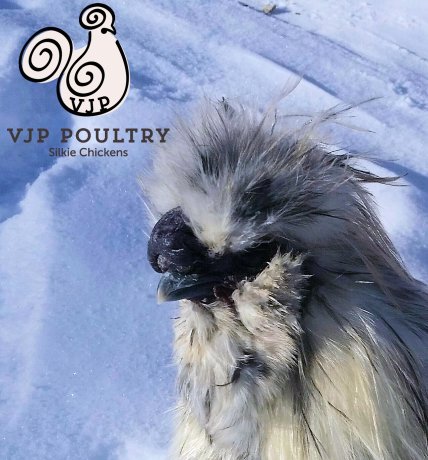
20180104_120604-1     It has been said that a good offence is a good defense where frostbite is concerned. There are, in fact,  things that can be done before frostbite happens that can prevent this serious damage from occurring.

Many people have misconceptions as to what frostbite actually is.   Frostbite is damage that occurs to tissues when they are exposed to extreme cold.  Basically, the fluid inside the cells freeze.  Because of this freezing, blood clots can form which prevents cells from getting oxygen.  This, then, causes the tissue damage.

You want to prevent frostbite from happening in the first place.  Too much moisture in your coop is the top cause for developing frostbite.  Chickens create a lot of moisture just from breathing.   The more birds you have in your coop, the more you need to ventilate that moisture out.  I keep the windows open all year round. They are high enough so that they do not cause a draft. Adding roof vents to your coop can keep air circulating.  Put a digital thermometer/hygrometer to measure the temperature and the humidity in your coop so that you can always be on top of any changes.  If the windows have moisture or condensation on them then you need to increase your ventilation.

Another way to limit moisture in the coop is to make sure that you do not have damp bedding or moisture from droppings.  If possible, keep waterers out of the coop.  If you have a watering system that creates a lot of spillage, you may want to switch to a nipple water systemPine shavings stay dryer than straw or hay.  Make sure you are changing the bedding and removing the droppings to reduce moisture.  The dry litter method works well but remember to keep the bedding stirred up and fluffy.  Use dropping boards under your roosts for easy clean up daily.

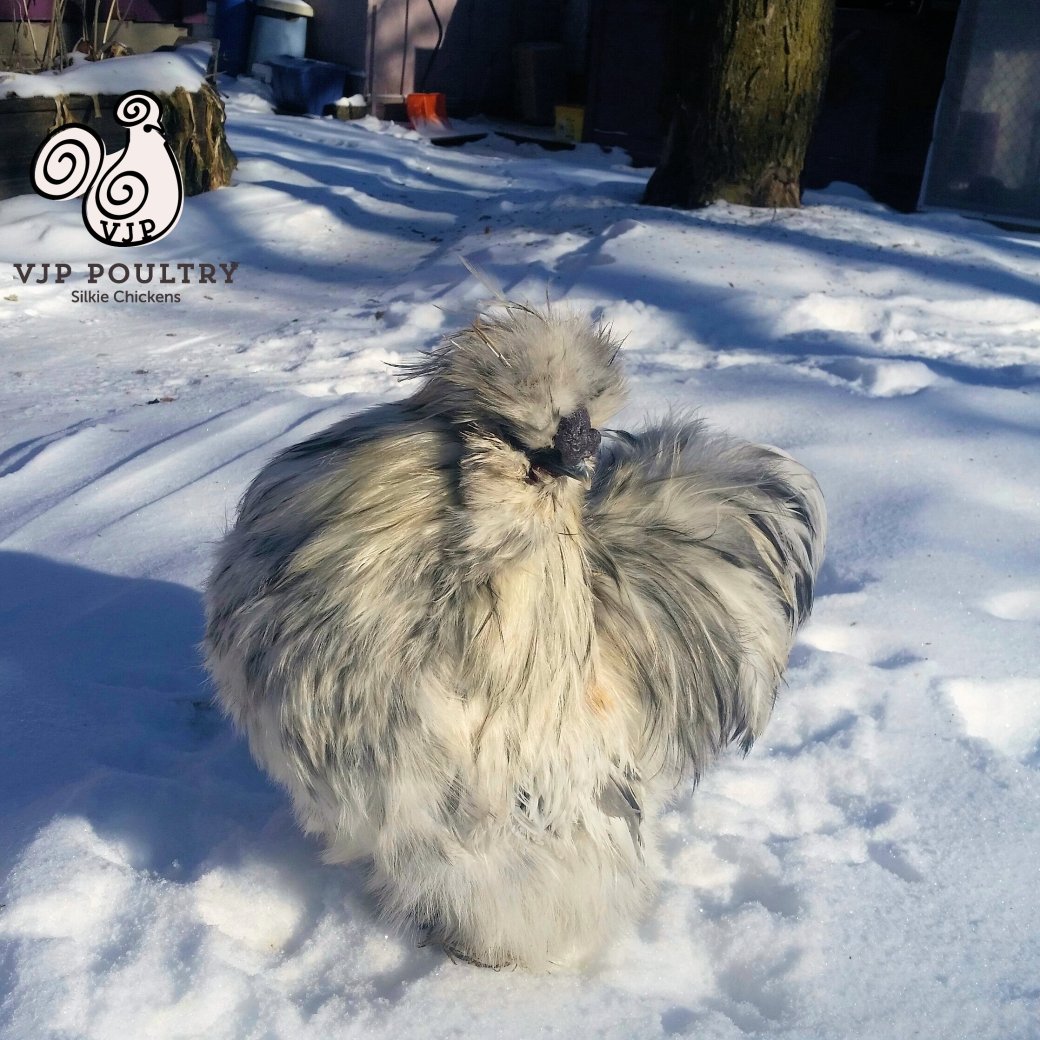
Attention should be made to the chicken’s roost. During colder weather, most chickens will fluff up and poof out their feather.  They are trying to cover their combs, wattles and feet with their feathers and bodies.  Flat, wide roosting boards are best.  Rounded perches can be slippery.  A  2X4  board will work well and allow them to cover their feet with their bodies. Install as much ventilation as you can as high up as you can. The openings should not cause drafts on their roosts.  Silkies that do not roost high up but instead sleep on the floor will need extra protection from drafts that can occur from pop doors. I use squares of reflective insulation to block drafts.

Apply a coat of a wax based product to combs and wattles at night.  I like Waxlene or Musher’s Secret.   Other good choices are Bag Balm or Coconut oil.  Make sure that whatever you use, that it is wax based. Do not use a cream based product as the water in them will freeze and increase your chance of frostbite.  If your bird is hard to catch, wait until it is on the roost at night and then gently remove to apply the product.

Chickens need protection outdoors as well. Provide windbreaks through the use of clear tarps.   For more information on setting up tarps on your run look here.   Add wooden planks to perch on outdoor so that their feet can keep off the cold ground. If it is too cold out, just simply keep them indoors.  It won’t hurt them to stay inside for the day.

There are many things to can lead to frostbite.  Drafts on the floor, cold temperatures, wind chill factor, how long your bird is exposed to cold temperature, humidity or moisture in the air, high altitude, no access to shelter, rain or snow leaking into the coop, high humidity due to too many droppings or simply not enough bedding.

The early sages of frostbite are called frost nip. In cold weather, chickens are able to  conserve or hang onto their body heat by restricting blood flow to their combs, wattles and feet.  These are also the places that allow a bird to release heat in the summertime.  The results ends up being that the decrease in warmth and oxygen puts these regions at a risk for frostbite.

Wattles are very susceptible due to water dripping on them as they drink. A change to a nipple watering system with a pail and pail deicer can work in the cold weather.  They also sell a cold weather nipple system already put together.  Bearded silkies have their wattles protected with feathers but nonbearded silkies would need some frostbite protection.

Symptoms of frostbite include: a whitening or pale gray color to tissues, swelling of the tissues, combs and wattles feel cold or hard to the touch, blisters form that are filled with fluid, tissues become blackened, bird is limping (frostbite to feet) loss of appetite and listlessness.

Remove a frostbitten bird to a warmer area and gradually warm the injured area. Avoid rubbing it as that will cause additional damage  Do not use something like a hair dryer to try to warm it but let it gradually become warmer.  Do not break any blisters that have formed.  Do not remove the blackened tissue as this is protecting the healthy tissue under it.  The blackened part will dry up and eventually fall off.  Those areas will not grow back.

Keep the area clean with neosporin or Vetericyn VF Hydrogel spray.  Use it on the infected area 2-3 times a day until it is healed.  Watch out for infection.  If you see swelling, redness, oozing, or bad smelling discharge you may want to call a vet.  Soak frostbitten feet in lukewarm water and keep it indoors on soft bedding.

Watch to make sure that they are eating and drinking .  Add vitamins and electrolytes to their water to keep them hydrated.  Watch out for other chickens pecking at their frostbitten areas. Blue -Kote could help with that.   Frostbite takes around 6 weeks to heal.

The consequences of frostbite include pain for the bird, disfigurement (their combs will always look rounded), loss of movement in their feet, decreased fertility in roosters and loss of egg production in hens.

Luckily, silkies have walnut combs which give them protection from frostbite. If you live in areas of cold weather try to choose breeds of birds that have small combs.  Single comb birds have the worst time with frostbite, but even small combed breeds can suffer if it gets cold enough.

Other blogs of interest include How to Deal with Below Zero Temps in the Chicken Coop, and Tips For Winterizing You Chicken Run.

For tips and tricks for raising outstanding silkies check out our Chicken Learning Center at VJPPoultry.com .  VJP Poultry is an NPIP and state inspected hatchery located 30 miles north of St. Paul.  We hatch out silkies all year long so we always have stock available.  Like us on Facebook to get weekly updates on what we currently have for sale.

Victoria J. Peterson
20180104_120706-1


Silkies For Sale – 10/10/17

Cage Training For The Silkie Show

20171003_115002-1

Fall poultry shows are coming up and hopefully, if you are planning on showing, you have selected your birds that you are bringing and are in the process of conditioning them.

Conditioning means that you have separated your selections from the rest of your flock and have made sure that the boys and the girls are not in the same pen.  Separate areas are important as rowdy boys can break or tear feathering on the females.

You should also be feeding them a diet that is high in protein to keep those feathers in tip top shape.  Showbird food or Feather Fixer are good choices.  I also add vitamins to the water or Roster Booster to improve the over all health and beauty of the bird.

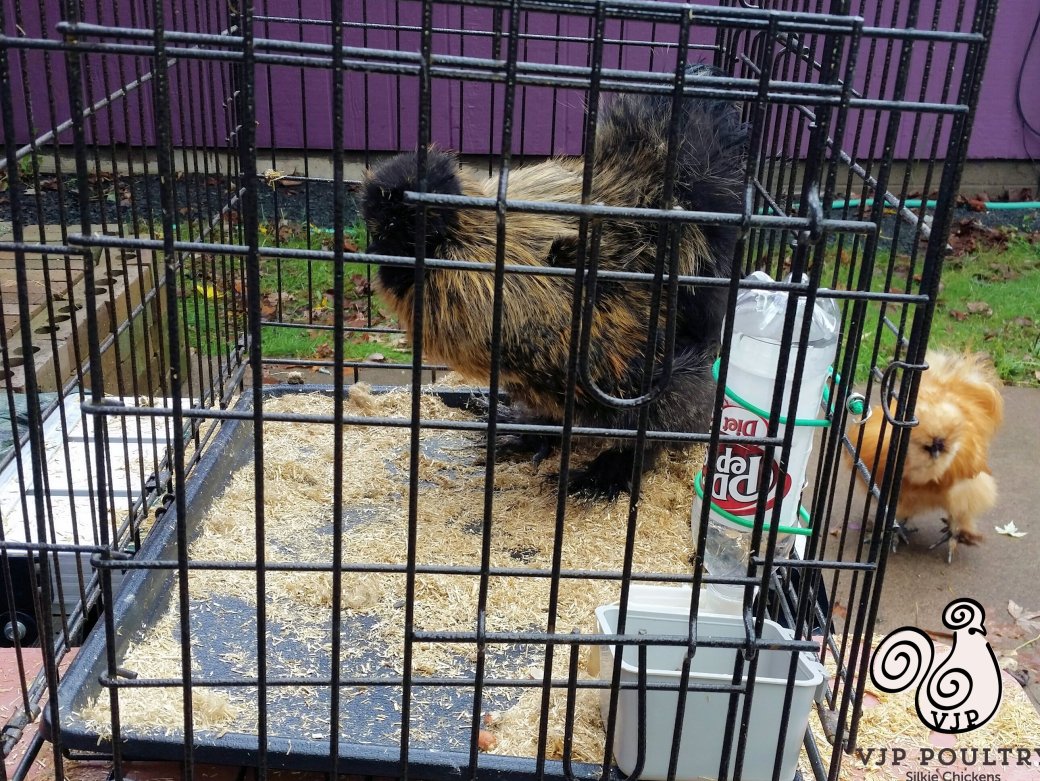
About a month before the show you will want to start training your birds to be comfortable in a small wire cage.  These are the type of cages you will find at a poultry show.  They are about 24 X 24 in size.  Place the cage on saw horses so that they are about table high.

This enclosed cage will be very different from what your silkie is used to out in the coop.  I would start with short time spans and then gradually increase how much time the bird spends in there.

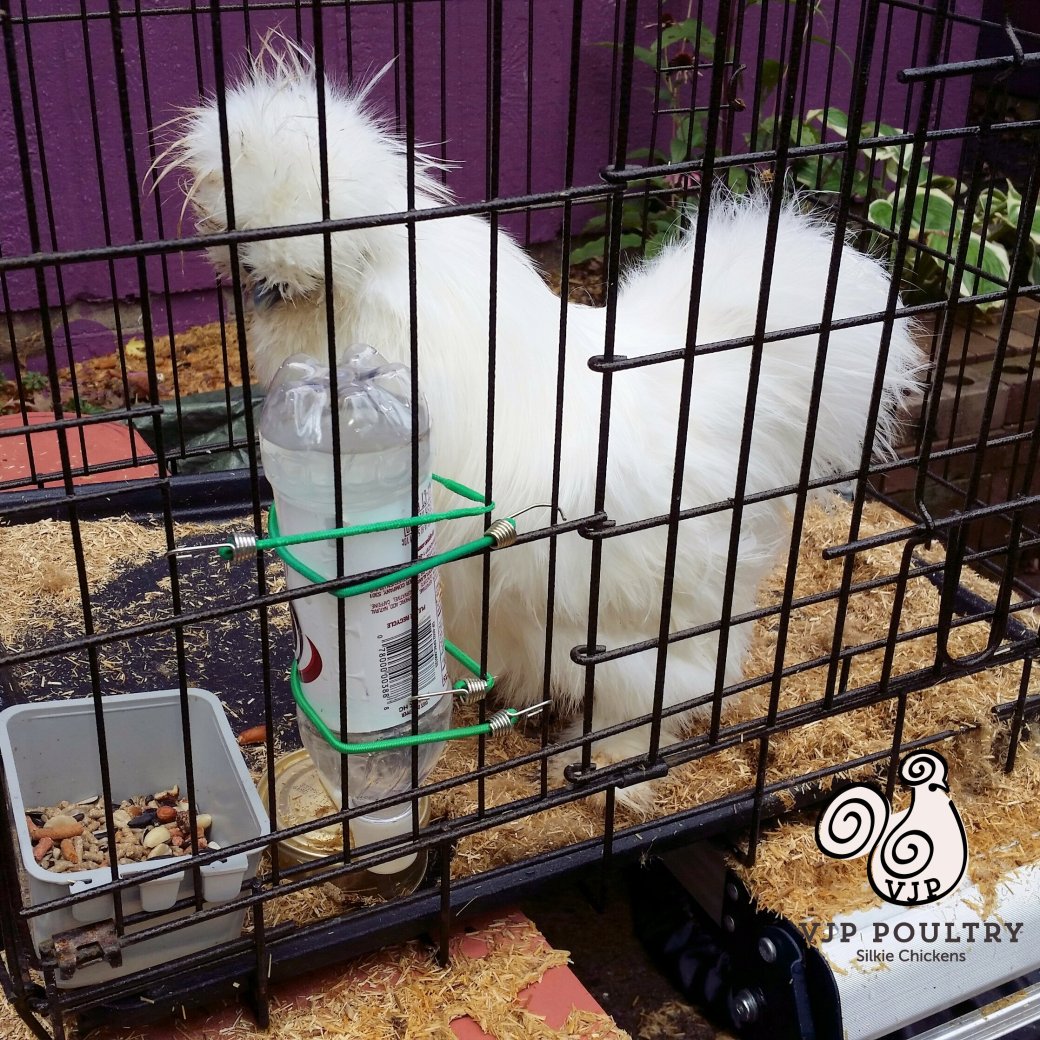
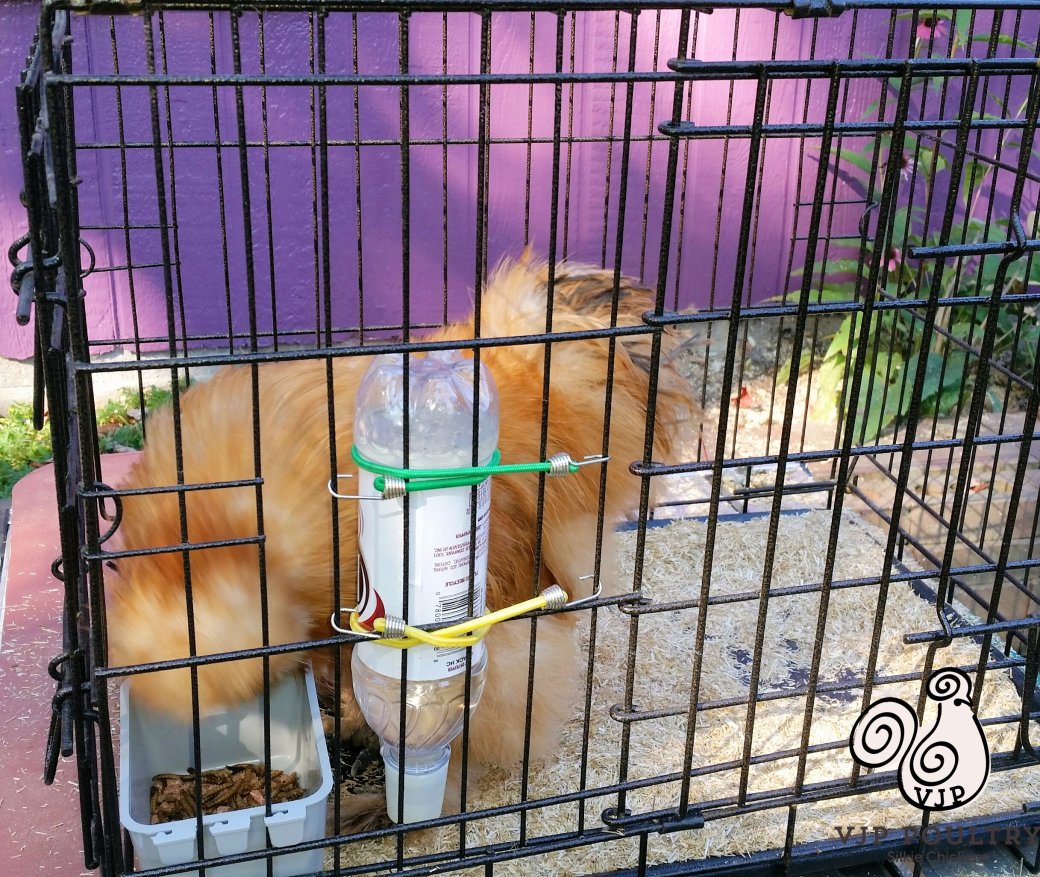
You will need to teach your bird how to eat and drink inside of the cage.  A good waterer for silkies is the pop bottle waterer.  You buy the bottom where the birds drink from and then place a plastic pop bottle with water in it on top. They provide a spring to secure it on the side of the cage but I use small bungee cords and place something underneath the bottom to support it. I use an empty cat food can.  I like these because they are small and don’t take up much space in the cage and because the silkie is less likely to dunk their heads and get wet and messy.  You will want the judges to see a clean, dry bird.  It is a good idea to remove the waterer before judging starts to keep your bird looking perfect.

The food container hangs on the side.  I like to put food they really like in there while you are training them.  Treats such as mealworms, sunflower seeds and berries, or cracked corn will teach your bird how to eat from the little container.  They will begin to associate treats with time spent in the cage.

Learning to eat and drink from these different containers is very important.  Silkies who have not had their feathers trimmed around their eyes will have a hard time finding the food and water in the cage.  Use pink hair tape or blue painters tape to pin up the feathers in the crest which will allow the birds to see.

20170927_110033-1

Place the feeders and waterers in the front of the cage.  This will get them used to being on that side of the cage where the judge will be.  A judge does not want to see a bird cowering in the back.  They should be up front where they are easy to see and judge.

The judge will have a little baton that he uses to get the bird to pose properly.  You should practice with a dowel or stick so that your silkie is used to seeing it in the cage and feeling it against its body.

Shows are very noisy places.  You may want to place a radio by your cage so that the bird gets used to loud noises while they are in the cage.  I have the radio tuned to the Oldies station that has lots of commercials.

Practice taking your bird in and out of the cage.  The judge will be taking the bird out head first and placing it in the cage head first. You should practice the same way.  Hold the bird with one hand under the keel one hand on top of the wings.  Birds will struggle if they are not used to being handled.  Judges would rather not work with struggling birds.  Spread the wings out and check all over the bird the same way a judge would.

Give the bird a treat while handling them so that they associate people holding them with treats. Treats include Chicken Crack, Happy Hen Treats, Grublies, and Mana Pro Garden Delights.  Roosters will especially need practice in handling.  Sit with them on your lap when you are watching tv and cuddle up with them.  You will enjoy it and so will they.

For tips and tricks for raising outstanding silkies check out our Chicken Learning Center at VJPPoultry.com .  VJP Poultry is an NPIP and state inspected hatchery located 30 miles north of St. Paul.  We hatch out silkies all year long so we always have stock available.  Like us on Facebook to get weekly updates on what we currently have for sale.

Victoria J. Peterson
20171003_115434-1.jpg

Silkies For Sale – 10/2/17

Vitamins, Silkies, and Wry Neck

20161122_152047    Silkies are sometimes described as a more high maintenance breed of chicken.  Owners are known to give them baths and pedicures and to trim around their eyes when they are so fluffy that they can no longer see.  Many live a pampered existence.

Silkies are often thought to need a higher protein chicken food than most other breeds.  We feed all of our adult silkies a Gamebird Conditioner feed which is 20% protein.  But, does the feed contain all of the vitamins needed for outstanding birds?

Most commercial feed companies will make sure that there is the proper amount of vitamins and minerals for the type and age of the bird. For example, layer feed will have the higher amount of calcium that the hen needs to create egg shells.

However, with any product, the age of the feed is critical to its nutritional content. Vitamins are sensitive to changes due to light, heat and moisture and can lose potency over time.

Some people try to create their own feed mixtures and this can leave the birds with incorrect amounts of certain vitamins and minerals.  Corn and scratch are enjoyed by chickens but are empty calories.

Silkies need extra vitamins during times of stress, very cold weather, when they are breeding , when they are chicks and growers and when they are ill.

There are two kinds of vitamins.  Fat soluble and water soluble.  Water soluble vitamins are not affected by the fats in the chickens diet. These would be the B and C vitamins.  If too much is ingested, it is excreted through the urine.  Fat soluble vitamins are A, D, E and K.  More care needs to be taken not to over supplement these particular vitamins.

20161123_114322

Cluck N Sea Kelp is a nice mixture of Kelp meal that can be added to the regular feed with many benefits. Poultry Power can be added to their food and is a good source of vitamin E.  Life Lytes Mega tabs is another product that can be added to the water. It is a good souce for vitamins A, B12, D and E. Durvet Vitamins and Electrolytes   is what I use to add to both my chick’s and adult’s water.   Rooster Booster is a product I would use with adults for show conditioning or if I was having problems with roosters not performing.  Nutri Drench can be used if you have a sick chick and need something fast acting.

Now a word about Wry Neck…. Wry Neck is evident when you see a bird tucking her head between her legs.  It usually hits young chicks but can happen in older birds.  This can be caused by a vitamin E deficiency .  Vitamin E and vitamin B complex are both known to be good for neurological disorders.

Wry Neck is different from a peck on the head, which silkies are very susceptible to. Their vaulted look when chicks is caused by an opening in their skull like a baby’s soft spot. Pecks can lead to head injuries that look very similar to what you see with Wry Neck.  Vitamin E and Selenium (helps animals absorb vitamin E) can be helpful with these injuries.

If you think that your silkie has wry neck or a head injury, the first thing to do is separate  it from the rest of the flock.  Stress will make it worse, so it needs a quiet environment.  Take a vitamin E capsule and squirt it onto its feed or into its mouth.  Take  25 micrograms of a selenium tablet (or break a 50 mcg tablet in half ) and crush that up and add it to the feed.  Give this to the chick two or three times a day.  You may have to hand feed it if it is not eating by itself.  It may take as long as a month before the condition disappears.  Keep giving it the vitamins for two additional weeks beyond where they appear to be recovered. Wry neck affects 8% of chicks across all breeds.  It is not contagious.

Since silkies are more prone to head injuries, you may want to take care  not to place them in a pen along with more aggressive chickens.  Keep them away from bully birds and do not place them in crowded situations.

As a preventative and just for general good health, I place 1/16 tsp of vitamins and electrolytes per 2 quarts of water.  This is at the feed supplementation level.  More could be used if the bird was showing illness.  I also add 1/2 tsp of apple cider vinegar to the 2 quarts of water.  The chicks are given vitamins every day but the adults are given it every other day.  With the adults  I alternate with Red Cell ( one half capful per gallon of water ) and regular vitamins as well as days where they just get plain water.  Use less vitamins on hot days as they will drink more water than usual.

For tips and tricks for raising outstanding silkies check out our Chicken Learning Center at VJPPoultry.com .  VJP Poultry is an NPIP and state inspected hatchery located 30 miles north of St. Paul.  We hatch out silkies all year long so we always have stock available.  Like us on Facebook to get weekly updates on what we currently have for sale.

Victoria J. Peterson
20161122_115801