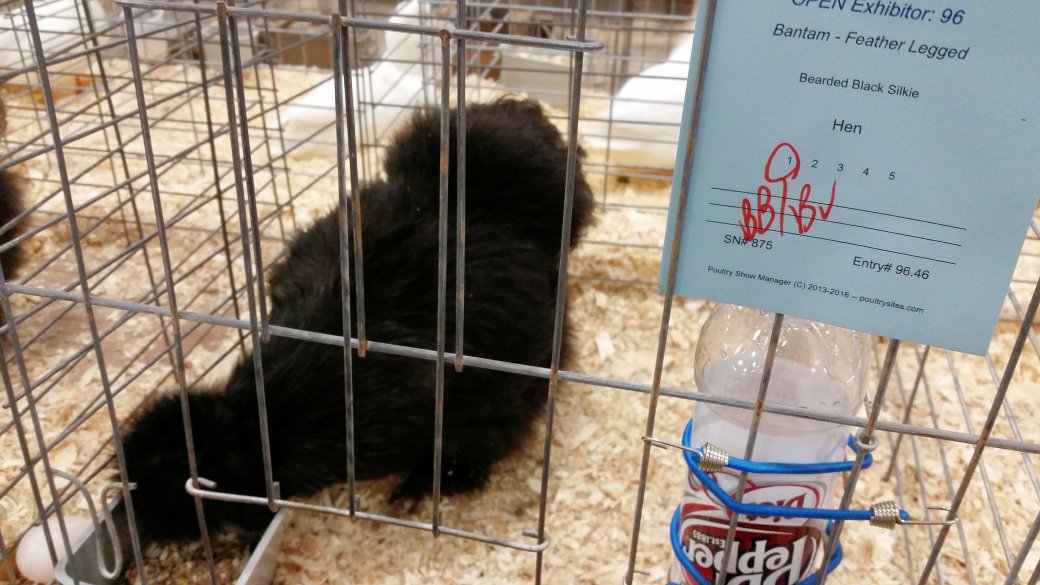
 A poultry show is usually a three day event. The first day is spent “cooping-in”. This is when you arrive and place your birds in their show cages. The second day is when the judging takes place and other events. The third day is very short and it is known as “cooping-out” or cleaning up and taking your birds back home.
Leading up to this event you will have sent in your entry form to the organization that is hosting the show. You will need to declare how many birds you are entering in each breed and whether they are pullets, hens, cockerels or cocks. Pullets are females up to one year of age. Cockerels are males that are up to one year of age. Cocks are male roosters over one year old. There is a small fee for each bird that you enter. You will also need to have each bird pullorum tested and have that paperwork sent in along with your entry form. There will be a cut off date for getting your entry forms completed and mailed in.
Leading up to the show, you will need to keep your bird in condition with high protein food. Practice handling and cage training your bird. A week before the show you will need to clip toenails, beaks and bathe your bird. You may also want to do some reading on primping your bird for the show.
Friday evening is coop-in time. You will need to to load your birds into your car or trailer. Use poultry carriers or cat carriers to transport your birds. One bird per carrier space is preferred so that they do not poo on each other’s feathers.
When you arrive you will check in and locate where your show cages are. They will not all be together, especially if you are bringing more than one breed of poultry. These show cages are very small. There will be some pine shavings already in the cage, but you can bring your own from home to add to it. Set up your feeders and waterers. If you are showing silkies, you will want the pop bottle waterer. I use mini bungee cords to secure the waterers instead of the springs that come with them. I bring jugs of water from my own home that has electrolytes added to it.
In my cage cups I put a wild bird seed mixture. This will help to keep their poo firmer and not make such as mess in their cages. Each cage has a card attached to it. Read the card carefully. It will say the breed, color (variety) and sex of the bird that should go into that cage. If the information is not correct then you need to find someone in charge and get it corrected.
You can then start to unload your birds from their carriers and into their show cages. As I do this, I carefully wipe clean their feet with baby wipes or citrus hand cleaner. Look around to see where the outlets are located in the building. You will need to be able plug in your hair dryer in the morning. I also put a little Vet Rx on the comb to help their immune system since they are in a new environment.
You can zip tie or lock your cage before you leave, but understand that the zip ties and locks must be off before the judge can inspect your bird. Then it’s off for a good night’s sleep and an early start the next day.
On Saturday morning you will want to arrive as soon as the doors are open. Check your birds for water and then remove the food from their cage until judging is over. You do not want your bird to have a full crop when it is being judges. Then get out your showbox supplies and plug in your hair dryer. Carefully check each bird for messy feet or feathers and try to clean it with a baby wipe. If it is a larger mess, use Cowboy Magic or Citrus hand cleaner.
After they are cleaned up, I spray a cloth with Show Sheen and rub it all over the bird. I use the hair dryer to dry the show sheen and fluff up the silkie feathers. Use a slicker brush or a fine tooth comb to tease and back comb the fail feathers to make it look as fluffy as possible. When satisfied with the look of the bird, put it back in the cage and await judging.
Keep your cage as clean as possible and remove any poo or eggs as they come. You are not allowed in the judging aisle while the judge is there. I do like to observe from several aisles over white the judge is going over my birds. It helps me to understand my scoring card later.
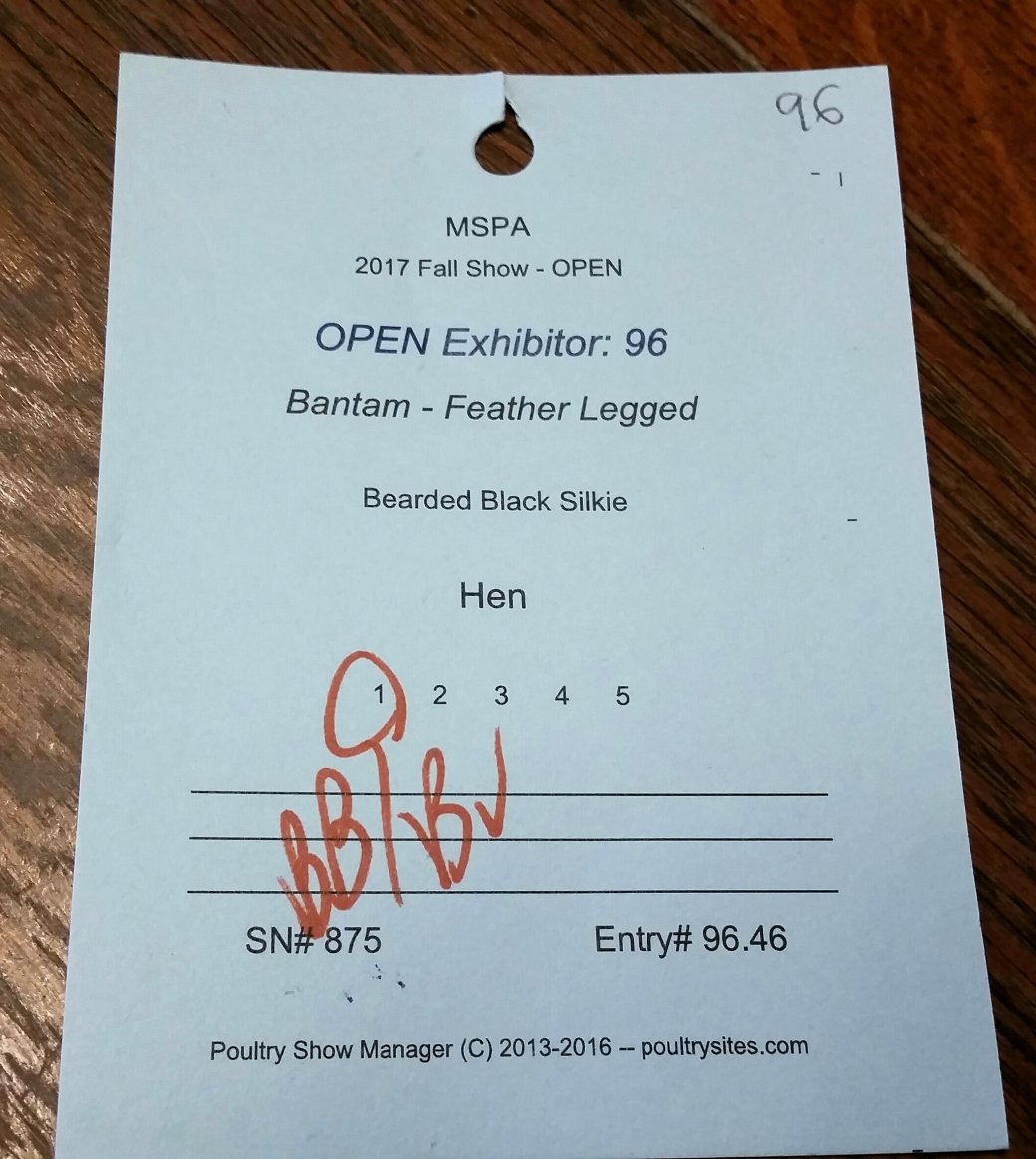
Learn to read a cage tag and interpret the judges markings prior to your arrival. The birds are first judged against others that are the same color, sex and age. For example, all the white silkie pullets are judged against each other. They will be given a ranking or 1, 2, 3, 4, 5 for the top five birds in this group. This is written or circled on the card. Then they will judge all the white hens, then all the white cockerels etc. until all of the white have been ranked. Then the judge will award BV (Best Variety) and RV (Reserve Variety). This is like first and second place. All of the other colors (varieties) in the breed are judged this way. When that is completed the judge will then decide BB (Best of Breed) and RB (Reserve best of Breed). This is based on all the colors (varieties) that are represented by the breed. The Best of Breed silkie is then judged against other winners that are in the Feather Legged category. Again, that winner will go to Champion Row and then compete for Best Bantam and Reserve. The winner of Best Bantam goes on to compete for Super Grand Champion of the show against the Grand Champion Large Fowl and Grand Champion waterfowl.
The judge will often write comments on the cards such as “nice” or “wing?”. What you don’t want to see is a DQ (disqualification) or a blank card with nothing written on it. You will need to find the judge later when they are finished to ask them questions about what was written or why they judged the way they did.
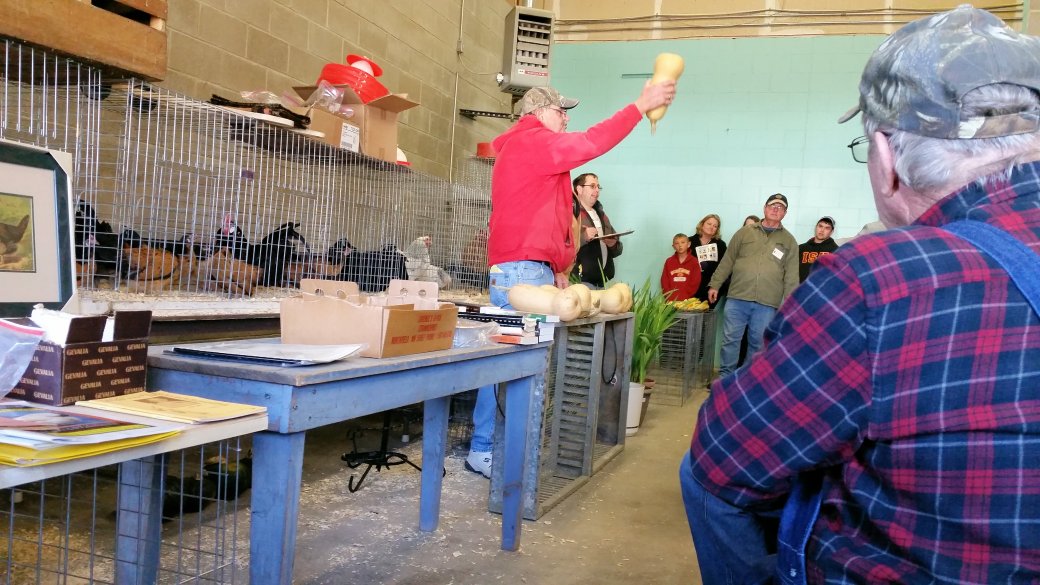
There are other things to do besides watching the judging. Jr. Showmanship will be taking place. It is always fun to watch the kids answer questions about their birds. There will be auctions and raffles to participate in. Vendors are often there so you can look at all the new chicken supplies.
Outside you will find many people selling birds from their cars or from specially marked areas. Food will be for sale as well as a special banquet at night where awards are often given out.
Sunday morning is coop-out time. Awards will be given at that time as well. Make sure that you do not remove your birds until the coop out announcement is made. Then it is a mad dash to quickly take down your food and waterers and load your birds back up in their carriers for the trip home. Before the bird goes in the carrier make sure that you give it a quick spray of Adams Flea and Tick in case they picked anything up at the show.
The best thing about any poultry show is the time that you get to spend with other chicken people. You will see old friends and make some new ones. You will get the chance to talk chicken to your hearts content with other like minded people. Plans will be made to meet next year again at the show.
For tips and tricks for raising outstanding silkies check out our Chicken Learning Center at VJPPoultry.com . VJP Poultry is an NPIP and state inspected hatchery located 30 miles north of St. Paul. We hatch out silkies all year long so we always have stock available. Like us on Facebook to get weekly updates on what we currently have for sale.
Victoria J. Peterson
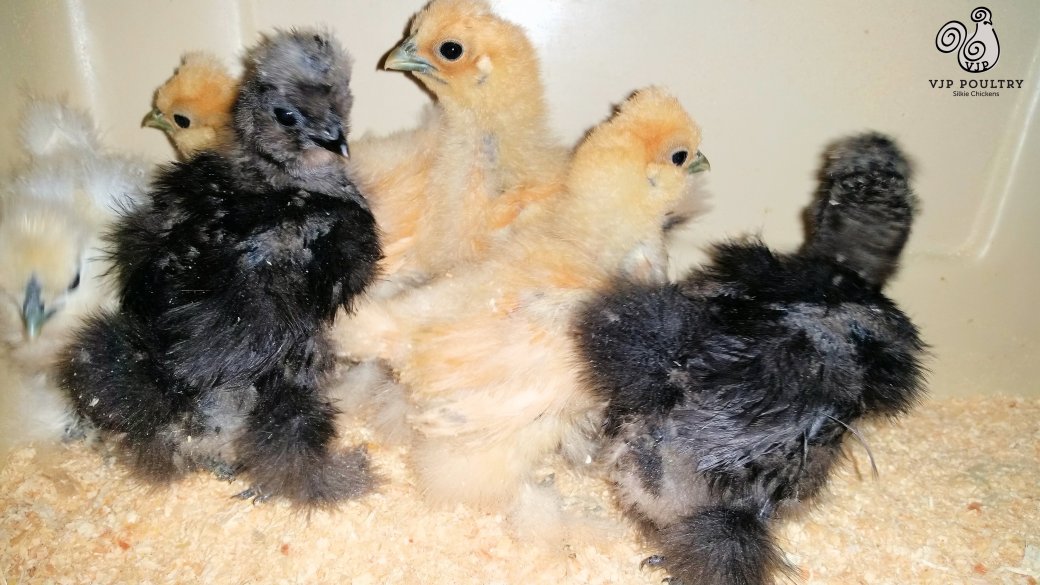 Silkies are sometimes described as a more high maintenance breed of chicken. Owners are known to give them baths and pedicures and to trim around their eyes when they are so fluffy that they can no longer see. Many live a pampered existence.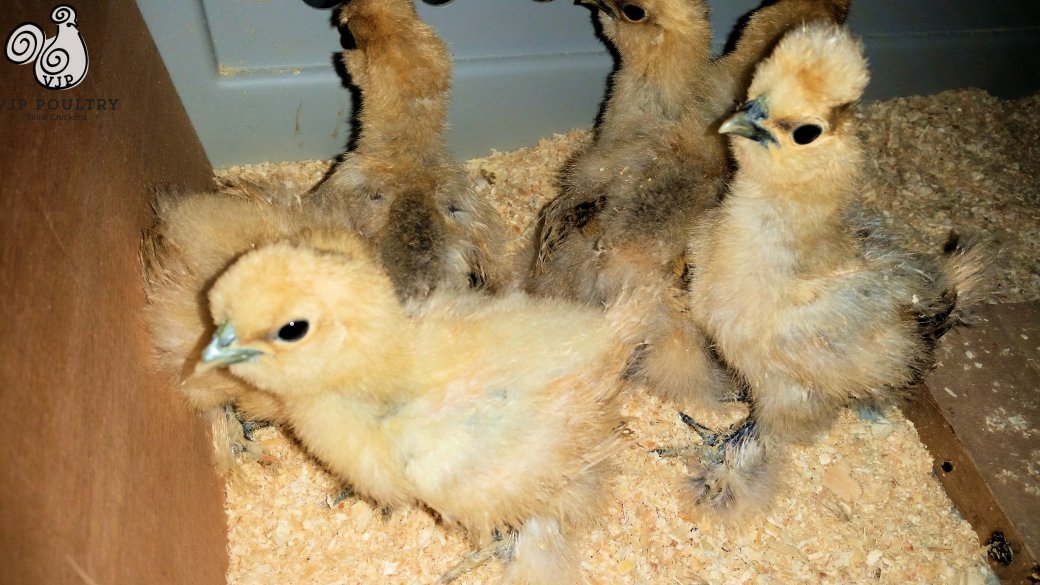
 VJP Poultry