How To Winterize a Chicken Coop Built From a Kit

20170919_130948.jpg     It is never too early to start thinking about winterizing your coop.  Most coops fall into two groups. One type of coop is made from existing buildings such as part of a barn or an ice house.  DIY coops could be put in this category too as they were all probably insulated when they were built.

The other group of coops are the kind that are built from a coop kit.  You can order these kits online or purchase them at DYI big box stores.  They turn out to be cute, little coops that hold less than 10 chickens.

The problem is that these coops do not come insulated.  You may have bought them in the spring when it was warm and now we are headed towards winter.  What can be done to them to help them remain a cozy home for all your birds?

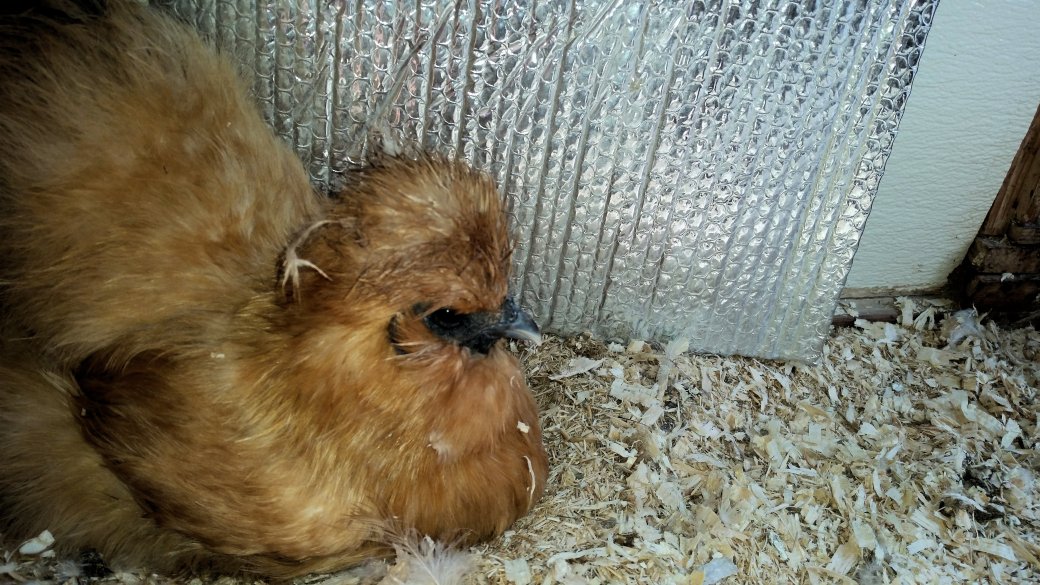
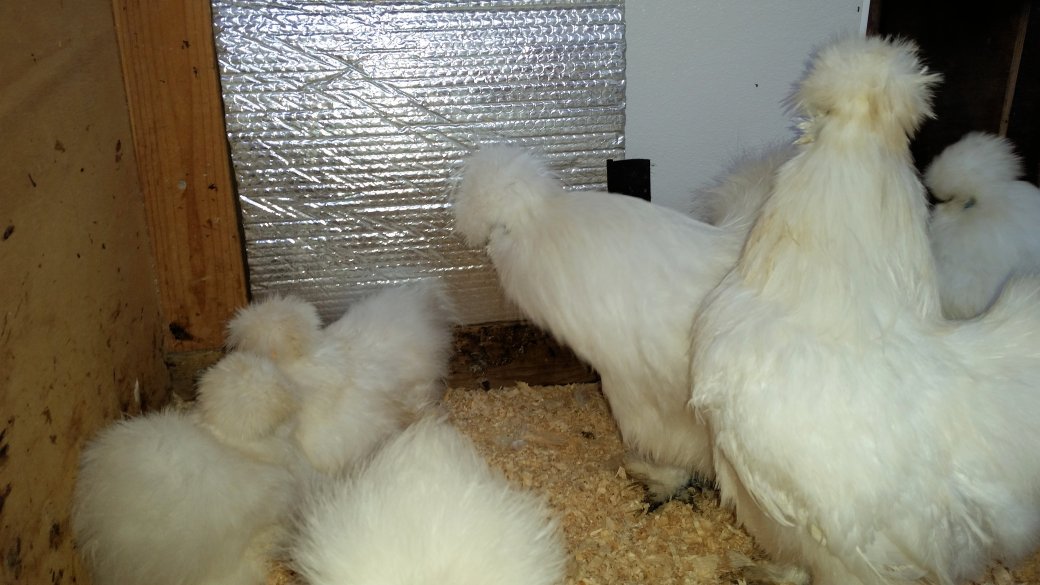
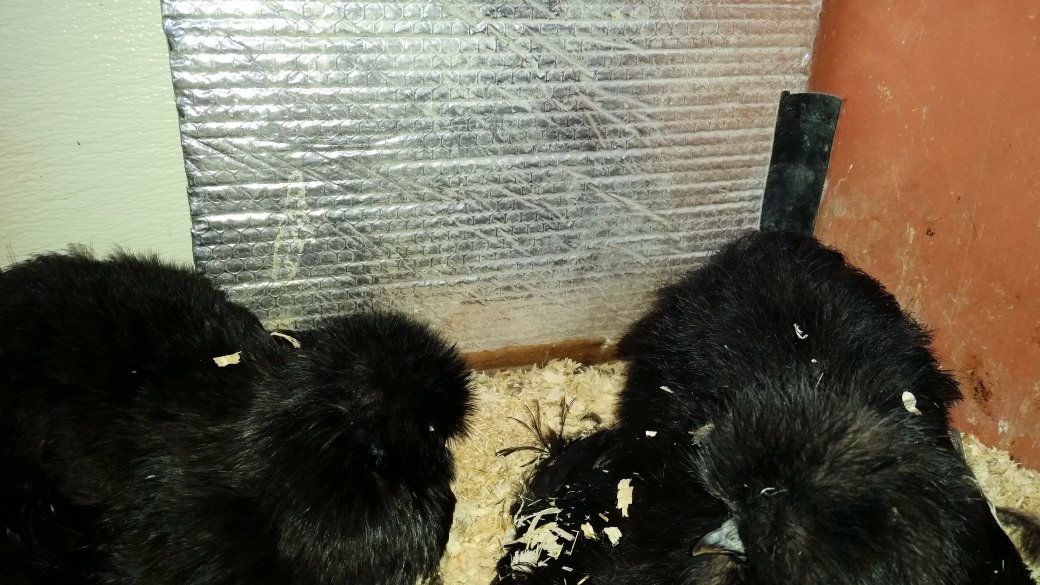
The first thing that comes to mind is insulation.  I would suggest using reflective insulation.  You can easily measure, cut and attach the insulation using a staple gun or with spray contact adhesive.  Just cover the sides and the ceiling of your coop with the reflective insulation and tape the seams with aluminum foil tape.

I have found that the chickens do not pay a whole lot of attention to the shininess of the insulation.  They will, however, peck at the pink insulation or the styrofoam  insulation and eat it as well.  That is why I do not recommend using that kind. The birds have never pecked at the silver insulation and it has worked well for us.

Make sure that there is adequate ventilation across the top part of the coop.  You do not want drafts at the bottom where the silkies sleep, but you do want there to be air exchange inside of the coop.  Moisture build up is not good for the birds and causes respiratory issues.  If you see a frost build up inside the coop on the walls and doors, then you need to have the windows opened wider.

I would also suggest wrapping the run in clear plastic.  The plastic cuts down the sharp, cold wind inside the run and keeps the snow out.  Silkies do not like walking on the snow.  You want your birds to have fresh air, so I don’t wrap all of the run.  Make sure you do the north and the west side as that is where the winds are the strongest. I do not wrap the door.  When spring comes, take down the plastic and save it for next fall.

You will need some way to keep the water dish from freezing.   Some people use heated dog bowls.  We use heated bases with galvanized metal waterers on top.  You will need to run aheavy duty electrical cordout to the coop to run either of these water options.

Chickens generate a lot of body heat when they are together.  Silkies tend to huddle up together to keep each other warm.  Heat is also generated from the heated water bases.  If your coop is small, this should be enough to keep things warm.20170919_131219
I do not think it is healthy for a chicken to go from hot to cold temperatures every time they go out in the run.  Both places should be about the same temperature. If you use the insulation and the heater bases, these small coops should be warm even with a small number of chickens.

For tips and tricks for raising outstanding silkies check out our Chicken Learning Center at VJPPoultry.com .  VJP Poultry is an NPIP and state inspected hatchery located 30 miles north of St. Paul.  We hatch out silkies all year long so we always have stock available.  Like us on Facebook to get weekly updates on what we currently have for sale.

Victoria J. Peterson
20170919_131100

Silkies For Sale – 9/18/17

Silkie Starter Kit – What You Need Before the Chicks Arrive

20170330_130644 As with any pet, it is important to plan ahead and purchase any equipment and supplies you will need before you bring home the actual animal.  This is especially important with baby chicks.

If you plan on purchasing newborns or one week olds, you will first of all need to have a heat lamp and a heat lamp bulb to go with it. The heat lamp should be up and running before you bring the chicks home so that they can immediately warm to the right temperature after their car ride.  When setting the heat lamp up, do not rely on just the clamp that comes with the fixture.  Use mechanics wire to hang and secure the lamp over the brooder.  The lamp should be able to be raised or lowered as needed to keep the chicks at the right temperature. This temp should be around 85-90 degrees when they are very young.  Use their behavior as a guide. If they are too cold they will huddle under the lamp and cry.  If they are too warm they will try and get as far away from the bulb as possible.  You want them comfortably moving to all parts of the brooder.

I bulb should be a red infrared variety.  I think those are the best so that the chicks can experience a night time cycle.  It can also keep down the pecking of each other that can occur when there is the stress of constant daylight.

Any type of a tub can become a brooder.  You will need to line the brooder with animal bedding to absorb moisture.  I use pine shavings.  I change the bedding about once a week and throw the used bedding on my garden to act as a mulch and fertilizer.

Your silkie chicks will also need a feeder and a waterer.  Quart size is best when they are small chicks.  Later you can get the gallon sized.    I like to add a couple of things to the water for the silkie chicks.  Vitamins with electrolytes can be added to give them a good start.  I also add a splash of apple cider vinegar to help with digestion and general health.

Young chicks should be given chick starter until they are at least 10 weeks old.  They can eat it longer than that, but you may want to switch to a grower feed.  Chick starter is high in protein.  Use medicated until they are around six weeks old and then switch to regular chick starter.  Medicated can help their developing  immune system to fight coccidiosis.

On my website near the top, there is a page called Silkie Supplies. There are some suggested products there to guide you in deciding what you need to start in silkie chickens.  Good luck with your new pets!

For tips and tricks for raising outstanding silkies check out our Chicken Learning Center at VJPPoultry.com .  VJP Poultry is an NPIP and state inspected hatchery located 30 miles north of St. Paul.  We hatch out silkies all year long so we always have stock available.  Like us on Facebook to get weekly updates on what we currently have for sale.

Victoria J. Peterson

20170417_072559

Silkies For Sale – 8/21/17

How To Choose Silkie Chicks for 4-H Poultry Showing- 2/7/17

show-3There are many things to consider when choosing chicks. You will ultimately want a chick that grows out to be a show quality winning bird, but it is difficult to know how a chick will feather out as it matures. If you follow a few simple guidelines when choosing, you should be on your way to a great 4-H poultry showing.

One obvious trait would be color. If you are showing a trio (one male, 2 females) they should all three match in color. Black or white birds are easy because they match up the best. If , however, you see leakage in the coloring of the chick – choose another chick. Black should be solid black with no other colors coming through the wings or toes. Same with white. Buff and blue will be harder colors to match. Their colors are on a spectrum. There are many different shades of buff and blue.  When you are picking out chicks in these colors, make sure that the chicks are matching each other. The colors should be pure without any leakage of other colors.

The next thing to look at would be their toes.  Silkies should have five toes. Sometimes a chick will be born with only four toes. This is a disqualification for silkies. They may also be born with extra claws coming out of their last toe. Again, a disqualification. No extra claws or toenails.

Toe placement is also important.  Their toes should have adequate spacing between them, especially between the 4th and 5th toe.  You want those two toes to have as much separation as possible. Not fused together.  The 5th toe should be pointing back towards the tail. Not towards the front.

When purchasing a new chick look for one that is healthy and full of vitality . Watch it walk and make sure it is not presenting any leg issues.  Make sure its behind looks clean.

Because you need two females and one male that all match, my advice is to buy as many as you can afford or have room for. Not all chicks will grow up to have the same body type. You will want to be able to choose which is the best among many others. You will also want back-up birds in case something happens at the last minute to the bird you picked out.

You should choose one color of chick and stick with it. It will not help you to buy black chicks if you are really planning on showing white. Buy as many as you can in one color so that you will have more choice later when you are ready to show. I think that black and white are the easiest to show.

An NPIP breeder is one whose flock has been pullorum tested. If you buy from an NPIP breeder you will not have to go through the trouble of having your birds tested for pullorum at show time. The rules state that all birds entered for 4-H showing need to be tested unless they have a “statement of origin ” sheet which will state the breeder’s hatchery number.

Hopefully these suggestions will help you to pick out some truly wonderful chicks for showing. VJP Poultry is a great place to start looking and I would be happy to answer any questions you might have on showing birds. Good luck in all your shows!

For tips and tricks for raising outstanding silkies check out our Chicken Learning Center at VJPPoultry.com .  VJP Poultry is an NPIP and state inspected hatchery located 30 miles north of St. Paul.  We hatch out silkies all year long so we always have stock available.  Like us on Facebook to get weekly updates on what we currently have for sale.

Victoria J. Peterson

show-1