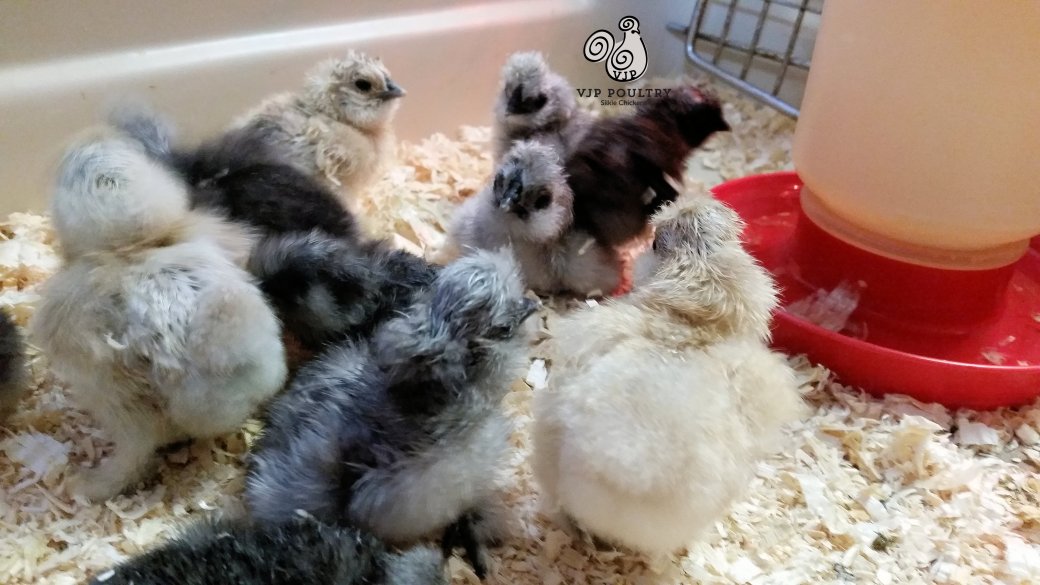
 One day old chicks are so irresistibly cute when they first learn to eat, drink and move around. First time chicken owners are drawn to the sweetness of a baby chick and make rash purchases before realizing that newborns are more fragile than they think. There is a huge difference between a chick that is one day old and a chick that is one week old. Truth be told, a baby chick is much more apt to die in that first week than at any other time in its life.
Some don’t make it to the point of hatching out. Lethal genes or creeper genes can cause chicks to die during development. This is a genetic trait that certain breeds have. Some will make it to the hatcher and then die before hatching due to humidity and temperature issues.
When a clutch of eggs is hatched the chicks that hatch first are usually the strongest and healthiest. They have no trouble zipping around that shell and breaking free. If the chick is a late hatcher it has been my experience that they have more trouble. They are prone to leg issues or even need to be helped out of the shell. They tend to be stickier as well and have a harder time fluffing out. Leg issues include straddle leg or even having a hard time standing up on their feet. Right from the beginning you have some chicks that are just healthier and stronger than others.
Hatching out too quickly or often when being helped out of the egg, can lead to unabsorbed egg yolk. The umbilical cord can also end up hanging out. Pulling on it can cause the intestines to pull through. Sometimes by helping it hatch you are giving life to a chick that may not end up living very long. Chicks that have a red or sore looking umbilical area should be watched for infection.
Water and food should be offered to chicks within the first 24 hours. Hatcheries that ship chicks often rely on the fact that chicks can live off the energy from their egg yolk for three days. Chicks will become dehydrated if not offered water and will be healthier if they start eating sooner. Shipped chicks have a higher death rate than chicks bought from local breeders or raised by a broody hen. Some hatcheries will include Grogel to their shipping boxes to help chicks stay hydrated.
By day 3 or 4 chicks are no longer receiving energy from their yolk. Some may begin to die after the third day. They will close their eyes and become lethargic. Then they die. Losses of baby chicks almost always occur in the first two weeks of life. A mortality rate of 1-5 percent is considered normal for a hatch. Anything above 5 percent is abnormal. Failure to thrive is a very real thing and young chicks often die leaving us wondering what has happened.
One of the biggest chick management factors for early death has to do with brooder temperature. Most people use a heat lamp and bulb for small groups of chicks. You adjust the temperature by raising and lowering the heat lamp over the brooder. Often the brooder ends up being much too hot. Too high of temperature can lead to dehydration. The body of a young chick is 70 percent water. A water loss of 10 percent will cause death. Pasting up, which is poo that sticks and covers the chick’s vent, is often due to too high of temperature in the brooder. Many chick deaths occur because their vents have become plugged up with dried poo and they can no longer eliminate.
Low brooder temperature can also lead to deaths in young chicks. If they are too cool, they can become chilled and develop pneumonia. Chicks that huddle together can ultimately smother the weaker ones. Pasting up can also be caused by too cool of temperatures. Chicks will let you know they are too cold by huddling under the lamp and making very loud cheeping noises. Too hot and they will gather in the corners, panting and lying down. Transitioning from too warm to too cold back and forth is also a cause of pasting up and ill health. Any transition can cause stress which can lead to death.
I recommend something with radiant heat like a sweeter heater or an ecoglow as a heat source. The radiant heat is safer than a heat lamp bulb and will give a constant temperature. For more information check out Brooder Heat Sources. Make sure that you adjust the brooder temperature 24 hours before introducing chicks to it. We like to use a temperature gun for accurate readings.
The food and water you choose to give your chicks can also lead to early mortality. Chick starter that is old and has started to get moldy can cause death. Check for a date on the bag. Chick starter can often come in pieces too large for a newborn chick which could cause them to choke. I like to take my chick starter crumble and grind it up even smaller in a coffee grinder. I feel that this helps with digestion and with pasting up as well. Do not give newborns a lot of other foods besides the chick starter. Treats should not be given until they are over one week old. Anything besides chick starter, yogurt or scrambled eggs needs grit (sand) in order to grind it in their crop.
Water that is too salty can lead to early death. I like to add Rooster Booster with vitamins, electrolytes and probiotics to my water. I also add apple cider vinegar with the mother as well to the water. Make sure that you have your feeders and waterers up as high as the backs of your chicks. The chicks tend to kick shavings and poo into them which can plug up the waterers and contaminate the water. Change water daily and clean and sanitize feeders and waterers weekly.
You may need to show your young chicks how to drink. Mother hen usually gently pushes their beaks into the water and you can do the same. If you pick up a chick and it feels much lighter than the other chicks, it has probably not learned how to eat or drink yet. I will dip their beaks into the water first and then dip them into their feed so that the chick crumble sticks to their beaks.
Make sure that there is adequate air ventilation in and around your brooder. Toxic gasses such as ammonia, carbon monoxide and carbon dioxide can kill small chicks if they are exposed to them. Chicks require a minimum 100 percent air exchange six times in a 24 four period. This should not be a cold draft but continuous movement of air in the brooder. A plastic tub with high sides does not have a lot of air movement allowed. One problem encountered with poor air movement is sinusitis. This is caused by excess humidity and ammonia released from chicken poo. Remove damp bedding which causes pathogenic micro organisms to multiply and large clumps of poo in the brooder and spread a thin layer of bedding on top of the old. Once a week change out the bedding and sanitize the brooder with something like Oxivir.
Construct your brooder to keep out predators. A screen should lay over the top to keep out insects, vermin, dogs and cats. If you have small children who like to handle the chicks make sure that they are supervised. Newborn chicks can jump out of your hands. Injuries caused by crushing or squeezing too hard are a very real problem with little ones. I would keep handling of chicks less than a week old to a minimum. Any injuries can lead to infection and should be treated with Vetericyn spray.
Avoid having too many chicks in a brooder. Overcrowding is one of the number one causes for early death. Trampling, starvation and damp litter are caused by overcrowding. Chicks with vaults like silkies or polish need to be especially careful with having too many pen mates. A well placed peck to the head will result in death. Any drop of blood or open bare spot is an invitation for the other chicks to peck at it. Loss of down caused by pasting up attracts others in the pen to continue to peck at it until bleeding occurs. Separation is sometimes necessary.
Practice biosecurity around your brooder. Wear gloves around your adult chickens and wash your hands before handling the newborns. Wear different shoes or boots around your adults than you do around your brooder. Newborns do not have well developed immune systems. You will be bringing in germs and diseases on the bottoms of your feet. You may also bring in mites from the outside coop. Young chicks are very prone to an attack by mites which will result in death if not dealt with. I use the powder very sparingly if I think that they have been exposed.
Light is important in your brooder. Chick activity is greatest in bright light. They need to be able to see the food and water. Lights should be low or off at night. If you use a heat lamp bulb, choose one with an infrared coating. This helps with pecking and at night can help simulate darkness.
Coccidiosis can be a killer during the first week of life. Because of possible exposure to the disease people will use medicated chick starter. I would only use it if you think that your chicks are being exposed. If they are inside and you practice good brooder hygiene you probably won’t need to worry. Medicated feed can rob your chick of some vitamins.
Some items to have on hand just in case of a problem would be Save-a-chick, which goes into their water and provides electrolytes. There is also one which adds probiotics. Nutridrench can give a boost to a lethargic chick but read directions for use with young birds.
Chicks under one week old are very fragile. If at all possible try and purchase birds over one week old. They are stronger and sturdier and have a much better chance of survival. They know how to eat and drink and the pasting up usually ends after the first week.
For tips and tricks for raising outstanding silkies check out our Chicken Learning Center at VJPPoultry.com . VJP Poultry is an NPIP and state inspected hatchery located 30 miles north of St. Paul. We hatch out silkies all year long so we always have stock available. Like us on Facebook to get weekly updates on what we currently have for sale.
Victoria J. Peterson
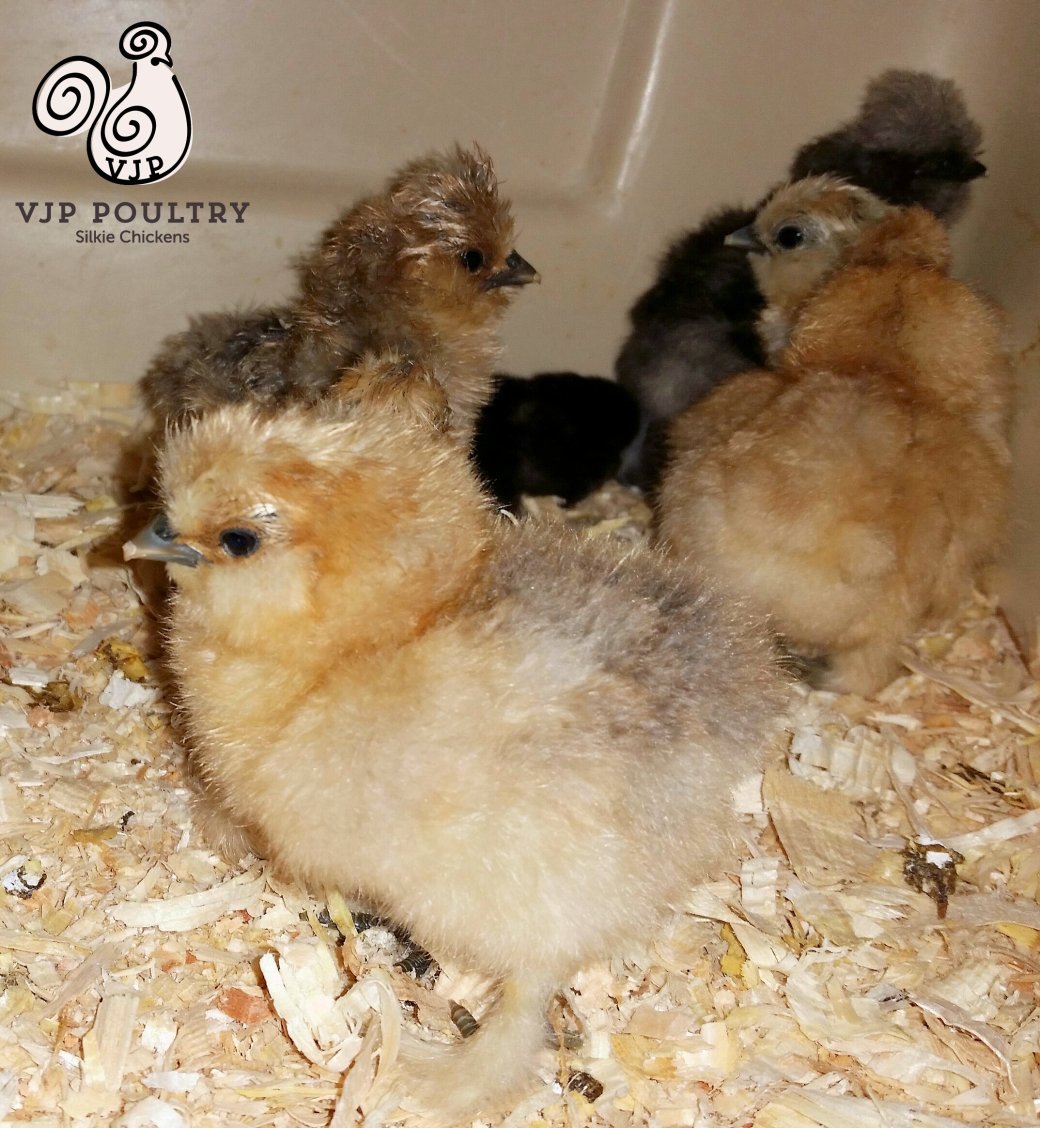
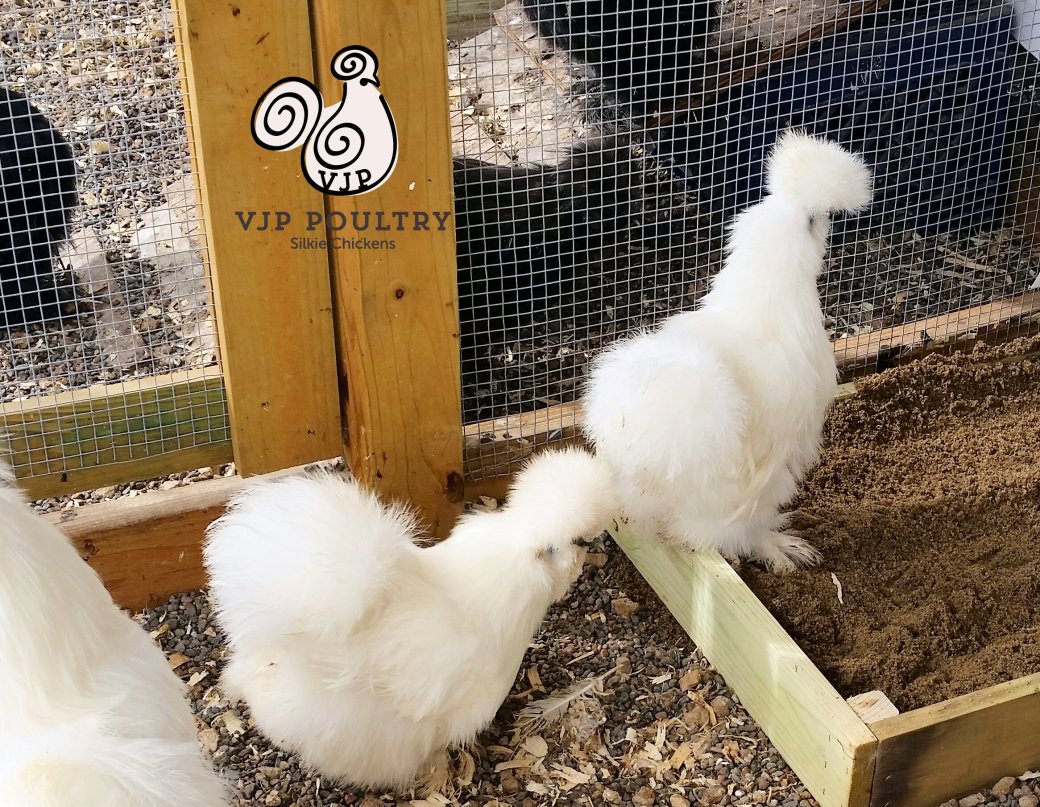 All chickens should have access to dust baths. It doesn’t matter what breed or age of chicken, it is instinctual for them to wallow in the dust and dirt. It is their way of getting clean and practicing good hygiene.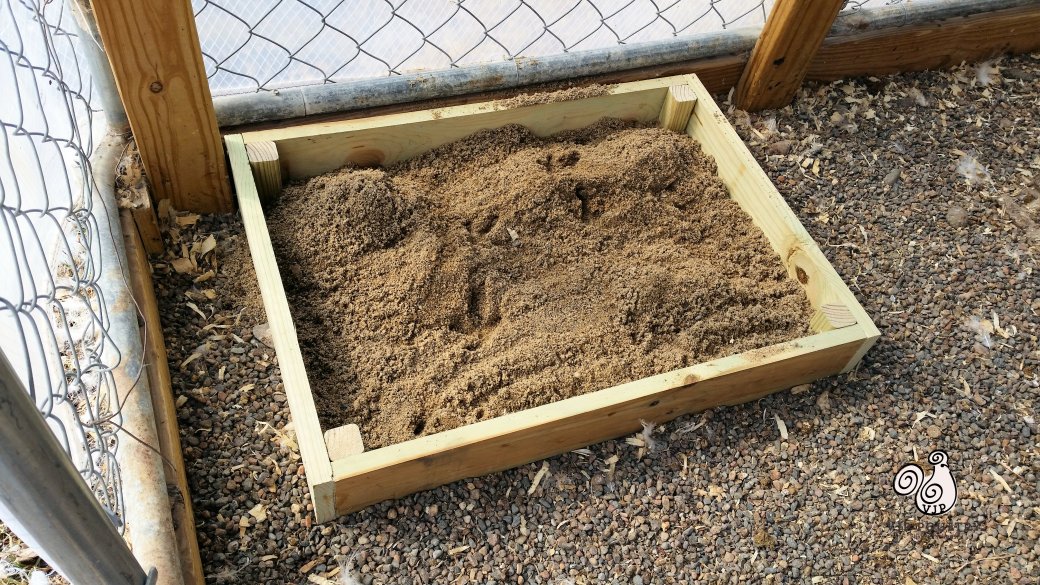
 Most birds perform some kind of courtship dance as a prelude to actual mating. There are many magnificent displays in the avian world. Think about what peacocks do in their foreplay to get the lady bird in the mood with their beautiful tails.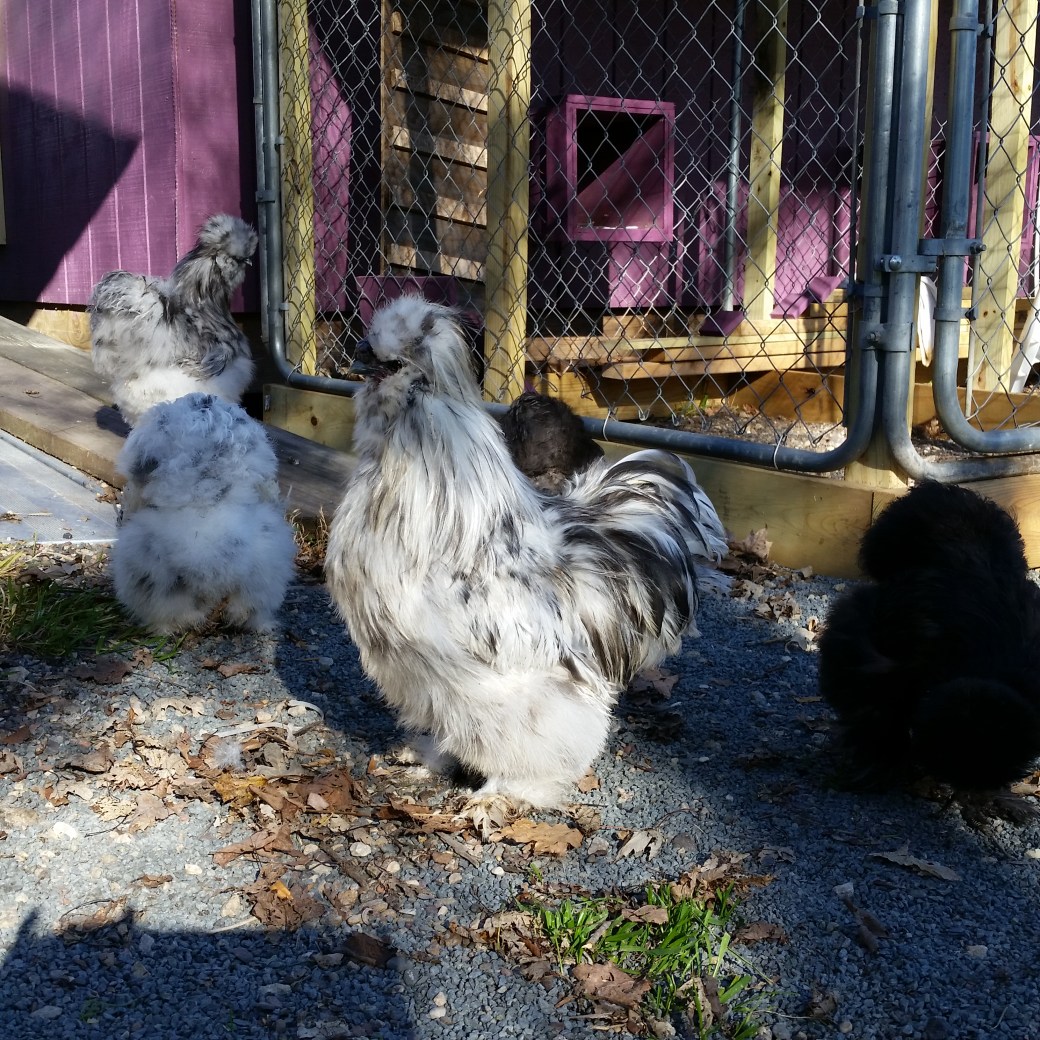
 VJP Poultry