How to Keep a Flock History 11/07/16

20161031_180456

A flock history is basically a written record or diary of anything and everything pertaining to your flock. I use school notebooks and my computer to keep records of everything I do with my chickens. If you start it right away, you can keep a very accurate account of facts about your flock.

Start by noting the date of hatch, the source – who you got it from, the breed and anything the seller tells you about the bird’s past history, and any medical certificates that came with the birds.

I have a pedigree file on my computer where I list all of the birds I presently have. It is  a Microsoft Excel spreadsheet. I list the breed, what color it is, what band number it has, date of hatch, where I purchased it, and if it is male or female. If I know for sure who the father was I will include that as well. I can then sort according to the information I need. Usually , that would be sorting by age or by color. If I lose or sell a bird, I simply delete it from the list.

I have a different spreadsheet for managing the business end of things. I found a nice spreadsheet on Backyardchickens.com that someone created specifically for chickens. If you search on that site for “chicken spreadsheet”, you should be able to locate it. It keeps track of everything – customers, how much you sell, what your expenses were that month, etc and you have a summary page for the end of the year where you can compare each month. It is nice to know if your chickens are paying for their upkeep.

I keep medical records in a paper notebook. If any birds are sick, I will note symptoms and remedies tried. You could also document your feeding a management practices and any changes you make. Sometimes I need to keep track of a new breeding program. Who was mated with who.

It is important to write things down as you go along. It may seem like extra work at the time, but later it will be easier to look back than just relying on your memory, especially if you are trying to trace a health problem. When you experience a problem, it is hard to remember all the little details you thought you’d never forget.

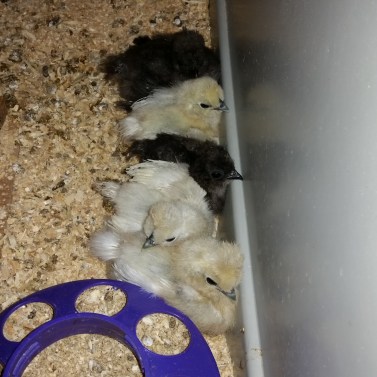
Each week I keep track in my Chick Notebook how many chicks I have in each pen and what color. I use markers in different colors to make it easy to see what color birds I have at a glance. As chicks are sold, I adjust the numbers so I always have an accurate account of what I have for sale. If I notice any abnormalities in the pens, I will mark those down. Sometimes I will guess on ages. I will record those guesses as well. Then the next week, I will check back and see if I still feel the same way about its gender. I keep track of the ages in the pens so I always know how old the chicks are. Sometimes colors can look very similar. A black and a dark blue can almost look the same. I will keep those colors separate and write down which is in each pen.

One other system I have tried is to keep a notebook with a page for each bird. This is an easy way to keep track of the age, what problems it experienced, when it was sold or died. You can look back over the years and see if there are any patterns developing with your flock.

Keeping an up to date flock history is an important part of my job at VJP Poultry. In the long run it makes for a valuable document that can improve your chick’s health and well-being.

For tips and tricks for raising outstanding silkies check out our Chicken Learning Center at VJPPoultry.com .  VJP Poultry is an NPIP and state inspected hatchery located 30 miles north of St. Paul.  We hatch out silkies all year long so we always have stock available.  Like us on Facebook to get weekly updates on what we currently have for sale.

Victoria J. Peterson
20161105_140206.jpg

Why Roosters Are Important To Your Silkie Backyard Flock 11/01/16

20161018_133335Hens don’t need a rooster in order to lay eggs. Without a rooster, the eggs are infertile. They won’t develop into young chicks. If you are interested in breeding your own hens, then you will need a rooster. Hens, however, will lay eggs without having a rooster around.

A virile rooster will mate  frequently with most or all of the hens in its coop, no matter what the breed. A good minimum ratio is 8 to 10 hens per rooster.

A rooster will serve as a guard and defender against perceived and actual danger. He’ll scan the sky and ground looking for potential predators. He will warn the hens if he senses danger. Some roosters will defend their flock with their life. They will normally position themselves between the flock and the outside unknown.

He’ll seek out food for the flock and alert the other backyard chickens that he’s found something tasty. Usually he’ll stand back and let the hens get started before he begins to partake himself. It is fun to see them “tidbit” call the girls. He will sing to them and court them by dipping his wing and dancing around them. All the girls are more relaxed since they know that he is on guard.

Roosters do crow and some people really like that sound. Some people think that silkies have a quieter crow than other breeds. I think that it really depends on the individual rooster. They all sound slightly different and I can tell which rooster is crowing by his individual sound.

A rooster is a handsome bird. It is fun to watch him strutting around the yard and being in charge. Generally, the more a cockerel is handled as a chick, the less likely he is to become an aggressive rooster. Again, some people think that silkie roosters are less aggressive than other breeds. It depends on the individual rooster.

Within each flock there is a social order, or pecking order, that exists among  the hens. A rooster will help maintain order by breaking up fights in the hen house. The rooster will keep them focused on him.

Many people like to watch the interaction between the rooster and the hens. Each has his own personality and can be quite entertaining. If a flock consists of only hens, typically one hen will take over the running of the flock. This can lead to aggression. Some hens take it so seriously that they can begin to crow.

I’ve had flocks of just hens before, and I can say that my hen’s truly seem happier with one or two good, responsible roosters around. Roosters will look after the hens, alert them to food and even help them find good spots to lay their eggs.

For tips and tricks for raising outstanding silkies check out our Chicken Learning Center at VJPPoultry.com .  VJP Poultry is an NPIP and state inspected hatchery located 30 miles north of St. Paul.  We hatch out silkies all year long so we always have stock available.  Like us on Facebook to get weekly updates on what we currently have for sale.

Victoria J. Peterson

20161019_115944silkys

Silkies For Sale – 10/26/16

Collecting Eggs At VJP Poultry

Egg collecting is an important activity for any backyard breeder. At  VJP Poultry we collect at least two times a day. I collect in the morning when I am setting out the feed and letting them out of the coop into the run. I also collect in the late afternoon when I am changing out the water. If I am around I might do it midday as well. The more often you collect, the less chance you will have of eggs becoming dirty, broke or frozen. I find a traditional egg basket works well to get them safely in the house without becoming squished in my pocket.

Silkies do not usually use nest boxes.  They will pick a corner of the coop and all of the hens will end up laying there. The broody hens will steal the eggs laid by others and keep them warm. This is wonderful when it is cold outside and you don’t want them to freeze. I then just check under all of the sitting broody hens and find the majority of the eggs. Wear gloves to keep from being pecked by them. Some may lay a few in the run, so be sure and check there as well.

It is important to keep the bedding in these nesting corners clean. I daily add clean bedding to those spots I know will have eggs. If you let your hens free range, you may want to wait until later in the day to let them out. Otherwise, they will lay their eggs in hidden spots in your yard and it will be difficult to find them all.

I mark every egg to show what color pen the egg came from. You could also write the date on them if you wanted. I just use a regular marker, but not a permanent one. They are then placed in egg cartons, pointy side down, and left in a cool, dry area. I put mine in my basement which stays a consistent  temperature of 50 degrees. I tilt the egg cartons in the opposite direction each day so that they are not always in the same position. If you incubate,  then you don’t want anything sticking to the sides of the shell.

I usually set eggs every five to seven days. Eggs that are dirty are not incubated but could be fed back to the chickens for extra protein. Dirty eggs cause bacteria to enter through the pores of the egg shell. You can use fine sand paper to scrape off some of the larger chunks. Do not wash eggs until you are ready to cook them as that will remove the protective bloom from the surface of the egg.  If you have a question about whether an egg is too old to eat or not you could give it the float test. Place it in cold water. If it floats, it is old.

The environment can effect the frequency of egg laying. As daylight decreases so does egg production. You could set up a timer with a nightlight in your coop to increase the amount of light but I like to give my hens a break in the winter. They do need a dark period or their bodies get out of whack. Twelve to fourteen hours of light is sufficient.

Hens also take a break from laying when they are molting. Additional protein can help them recover from a molt. All the calories and protein are used to grow new feathers, so laying takes a back seat. Gamebird or meatbird food, lean meats, fish, scrambled eggs, BOSS sunflower seeds and flax seed all offer extra protein.

Silkies tend to go broody. When they do they will stop laying attempt to hatch a clutch. It may take several weeks for their hormones to settle down and get them back to laying.

One problem you may encounter is chickens eating the eggs that have been laid. In this case you need to hide the eggs from the view of the other silkies. A separate nesting box with curtains for privacy can do the trick and keep the other broodies from stealing the eggs.

Once you have eaten farm fresh eggs, it is hard to go back to grocery store quality. Silkies lay a medium sized, cream color egg. They will lay every day depending on the time of year and whether they are broody or molting. Hope you enjoy cooking and baking with your fresh silkie eggs.

For tips and tricks for raising outstanding silkies check out our Chicken Learning Center at VJPPoultry.com .  VJP Poultry is an NPIP and state inspected hatchery located 30 miles north of St. Paul.  We hatch out silkies all year long so we always have stock available.  Like us on Facebook to get weekly updates on what we currently have for sale.

Victoria J. Peterson


VJP Poultry


e

Silkies For Sale – 10/19/16