Correct Brooder Temperature and Introduction to Outdoors for Chicks

20190227_151759-1It is both fun and exciting to have baby chicks in the house.  Many first time chick owners fret about what the ideal brooder temperature should be. As the chicks grow and their space needs expand many people wonder when would be the best time for integrating the chicks outdoors with the rest of the flock in the coop.  We will be exploring both of these questions in this article.

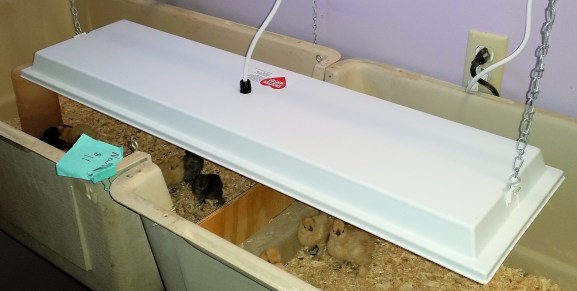
When deciding on a source for brooder heat you need to think about the air temperature surrounding your brooder. A brooder should be inside to regulate temperature and moisture and to prevent predators from getting at the chicks. Inside means that it can be in a garage, laundry room, shed or barn.  It can even be inside of your coop.  You will want to have some kind of cover on it to keep out predators.  A cookie rack or screen works well.

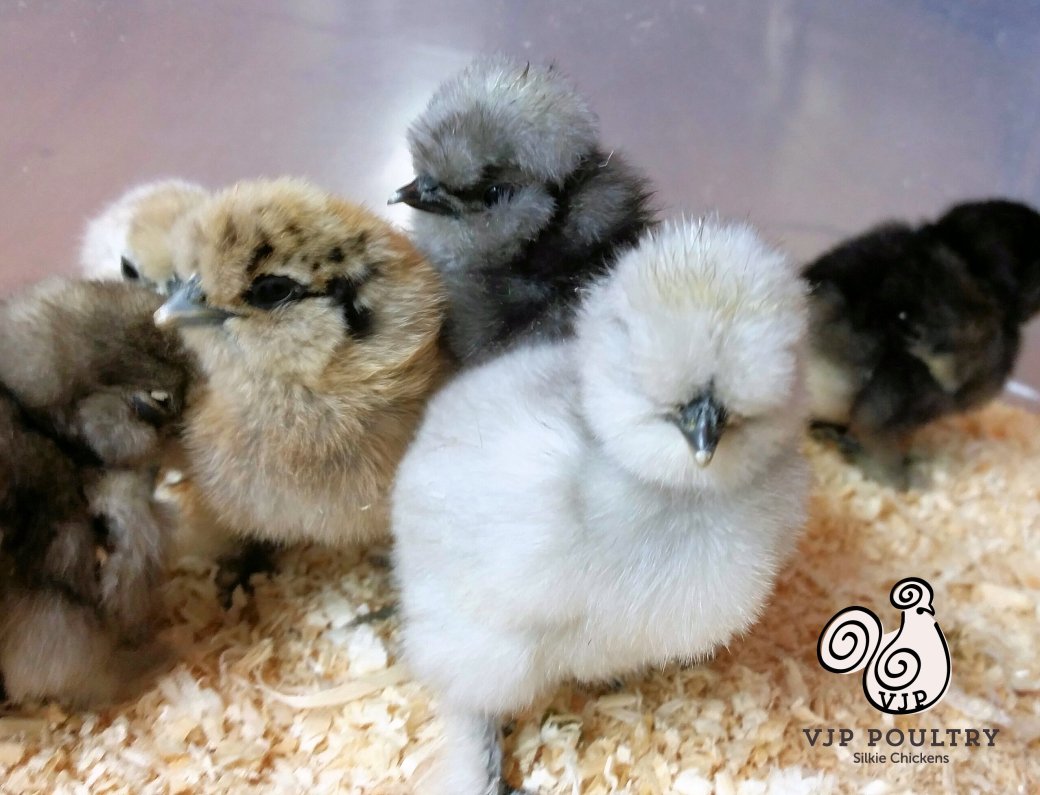
A newborn chick’s body is covered with down. The newborn will have a hard time controlling it’s own temperature since it does not have real feathers yet.  They will warm themselves by huddling close together.  Chicks need an additional heat source until their down gives way to hard feathers.  Chicks raised by a mother hen will be seen darting in and out from under her wing as they use her body as a heat source.  A hen’s internal temperature ranges from 105-107 degrees F.

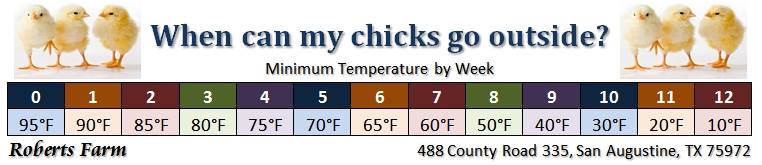
The rule of thumb is to start your brooder temperature at 95 degrees F (35 C) and reduce it 5 degrees F (3 C) each week until the brooder temperature is the same as the room’s temperature.
53057859_2264394853617117_7948976925697900544_n

This chart from Roberts Farm is a good resource to judge what temperature the brooder should be for how old the chicks are. It also can give you an idea of what age they can transition to the outside according to the outside temperature.  For example, if your chick is 6 weeks old, it needs to be at least 65 degrees F for it to be outdoors.

Make sure that your brooder heat source is up and running for at least 24 hours before you introduce chicks to it.  Chick brooder temperature is measured with a thermometer placed 2 inches (5 cm) above the brooder floor. You may want to measure it with several different thermometers as sometimes they will each read differently.

Many people use a brooder heat lamp with a 250 watt bulb.  The red heat bulb helps to prevent picking among chicks and can help with night time light. Start by hanging the lamp with an adjustable chain at about 18 inches above the chicks. Don’t rely on the clamp to hold the heat lamp safely. You need to add a chain and hang it from a hook above the brooder.  You must take safety precautions when using this type of brooder heater as if they fall they will cause fires.  As the chicks grow, you can shorten the chain to decrease the temperature in the brooder.

A heated panel uses radiant heat.  It only heats directly below the panel.  This makes it easier for chicks to move away from the heat. Ecoglow can have its heat adjusted by lengthening its legs.  Sweeter Heaters are hung from above and can  be raised and lowered to change temperature.  Heated panels are not a fire hazard and will not burn out like a heat lamp bulb could do, which would chill your chicks.

A chick’s body language will tell you whether or not they are too hot or too cold.  Chicks that aren’t warm enough will crowd towards the heat source.  They will peep shrilly and constantly. Their poo will begin to paste up on their bottoms.  Pasty Butt can clog their vents which could lead to death.  In an attempt to get warm while they sleep, the chicks could pile up and smother each other. Piling often happens at night when the room temperature drops.

Chicks that are too warm move away from the heat source. They spend less time eating and grow more slowly. They pant and crowd to the edges of the brooder. They keep their heads down and are very quiet.  If the brooder is hot enough to raise their internal temperature above 117 degrees F, they will die.

Chicks at the correct temperature are happy chicks.  They wander around their brooder making musical sounding noises of contentment.  They breathe through their nostrils and do not pant.

Chicks need one half square foot of space each for the first two weeks.  They grow fast. You will need to increase the amount of space as they head into three and four weeks of age. You will need a bigger brooder or split the group and get a second brooder.  They can be off of the heat lamp when the temperature of the room they are in matches their age on the chart above. Chicks hatched in winter or early spring will need a heat source longer than chicks hatched in late spring or early summer.  Larger breeds will be sooner than bantams.

When they are ready to transition outside (They must be feathered out) start by letting them outside during the day.  Chicks can be vulnerable to predators such as hawks and the neighbor’s cat so be sure to keep an eye on them.  A dog kennel or fencing keeps them protected and doesn’t let them escape.  Bring them back inside at night.

If they are too cold outside they will let you know by puffing up their feathers and peeping in a frightened way.  Don’t leave them alone as they could become chilled quickly.

Don’t be in a hurry to put them with other adult chickens. Ideally, they should be the same size as the rest of your flock. Pecking order is a real thing and they will be pecked at by the larger birds.  Start by having them close together but separated by a barrier.  They will be able to see each other but not touch each other.  Gradually give them more opportunities to be together.  The integration process can take anywhere from a few days to a few weeks.

For tips and tricks for raising outstanding silkies check out our Chicken Learning Center at VJPPoultry.com .  VJP Poultry is an NPIP and state inspected hatchery located 30 miles north of St. Paul.  We hatch out silkies all year long so we always have stock available.  Like us on Facebook to get weekly updates on what we currently have for sale.

Victoria J. Peterson
20180309_092902


How to Prevent and Treat Frostbite in Your Flock

20180104_120604-1     It has been said that a good offence is a good defense where frostbite is concerned. There are, in fact,  things that can be done before frostbite happens that can prevent this serious damage from occurring.

Many people have misconceptions as to what frostbite actually is.   Frostbite is damage that occurs to tissues when they are exposed to extreme cold.  Basically, the fluid inside the cells freeze.  Because of this freezing, blood clots can form which prevents cells from getting oxygen.  This, then, causes the tissue damage.

You want to prevent frostbite from happening in the first place.  Too much moisture in your coop is the top cause for developing frostbite.  Chickens create a lot of moisture just from breathing.   The more birds you have in your coop, the more you need to ventilate that moisture out.  I keep the windows open all year round. They are high enough so that they do not cause a draft. Adding roof vents to your coop can keep air circulating.  Put a digital thermometer/hygrometer to measure the temperature and the humidity in your coop so that you can always be on top of any changes.  If the windows have moisture or condensation on them then you need to increase your ventilation.

Another way to limit moisture in the coop is to make sure that you do not have damp bedding or moisture from droppings.  If possible, keep waterers out of the coop.  If you have a watering system that creates a lot of spillage, you may want to switch to a nipple water systemPine shavings stay dryer than straw or hay.  Make sure you are changing the bedding and removing the droppings to reduce moisture.  The dry litter method works well but remember to keep the bedding stirred up and fluffy.  Use dropping boards under your roosts for easy clean up daily.

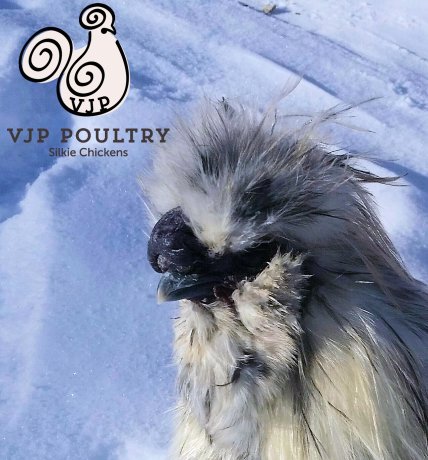
Attention should be made to the chicken’s roost. During colder weather, most chickens will fluff up and poof out their feather.  They are trying to cover their combs, wattles and feet with their feathers and bodies.  Flat, wide roosting boards are best.  Rounded perches can be slippery.  A  2X4  board will work well and allow them to cover their feet with their bodies. Install as much ventilation as you can as high up as you can. The openings should not cause drafts on their roosts.  Silkies that do not roost high up but instead sleep on the floor will need extra protection from drafts that can occur from pop doors. I use squares of reflective insulation to block drafts.

Apply a coat of a wax based product to combs and wattles at night.  I like Waxlene or Musher’s Secret.   Other good choices are Bag Balm or Coconut oil.  Make sure that whatever you use, that it is wax based. Do not use a cream based product as the water in them will freeze and increase your chance of frostbite.  If your bird is hard to catch, wait until it is on the roost at night and then gently remove to apply the product.

Chickens need protection outdoors as well. Provide windbreaks through the use of clear tarps.   For more information on setting up tarps on your run look here.   Add wooden planks to perch on outdoor so that their feet can keep off the cold ground. If it is too cold out, just simply keep them indoors.  It won’t hurt them to stay inside for the day.

There are many things to can lead to frostbite.  Drafts on the floor, cold temperatures, wind chill factor, how long your bird is exposed to cold temperature, humidity or moisture in the air, high altitude, no access to shelter, rain or snow leaking into the coop, high humidity due to too many droppings or simply not enough bedding.

The early sages of frostbite are called frost nip. In cold weather, chickens are able to  conserve or hang onto their body heat by restricting blood flow to their combs, wattles and feet.  These are also the places that allow a bird to release heat in the summertime.  The results ends up being that the decrease in warmth and oxygen puts these regions at a risk for frostbite.

Wattles are very susceptible due to water dripping on them as they drink. A change to a nipple watering system with a pail and pail deicer can work in the cold weather.  They also sell a cold weather nipple system already put together.  Bearded silkies have their wattles protected with feathers but nonbearded silkies would need some frostbite protection.

Symptoms of frostbite include: a whitening or pale gray color to tissues, swelling of the tissues, combs and wattles feel cold or hard to the touch, blisters form that are filled with fluid, tissues become blackened, bird is limping (frostbite to feet) loss of appetite and listlessness.

Remove a frostbitten bird to a warmer area and gradually warm the injured area. Avoid rubbing it as that will cause additional damage  Do not use something like a hair dryer to try to warm it but let it gradually become warmer.  Do not break any blisters that have formed.  Do not remove the blackened tissue as this is protecting the healthy tissue under it.  The blackened part will dry up and eventually fall off.  Those areas will not grow back.

Keep the area clean with neosporin or Vetericyn VF Hydrogel spray.  Use it on the infected area 2-3 times a day until it is healed.  Watch out for infection.  If you see swelling, redness, oozing, or bad smelling discharge you may want to call a vet.  Soak frostbitten feet in lukewarm water and keep it indoors on soft bedding.

Watch to make sure that they are eating and drinking .  Add vitamins and electrolytes to their water to keep them hydrated.  Watch out for other chickens pecking at their frostbitten areas. Blue -Kote could help with that.   Frostbite takes around 6 weeks to heal.

The consequences of frostbite include pain for the bird, disfigurement (their combs will always look rounded), loss of movement in their feet, decreased fertility in roosters and loss of egg production in hens.

Luckily, silkies have walnut combs which give them protection from frostbite. If you live in areas of cold weather try to choose breeds of birds that have small combs.  Single comb birds have the worst time with frostbite, but even small combed breeds can suffer if it gets cold enough.

Other blogs of interest include How to Deal with Below Zero Temps in the Chicken Coop, and Tips For Winterizing You Chicken Run.

For tips and tricks for raising outstanding silkies check out our Chicken Learning Center at VJPPoultry.com .  VJP Poultry is an NPIP and state inspected hatchery located 30 miles north of St. Paul.  We hatch out silkies all year long so we always have stock available.  Like us on Facebook to get weekly updates on what we currently have for sale.

Victoria J. Peterson
20180104_120706-1


How to Deal with Below Zero Temps in the Chicken Coop

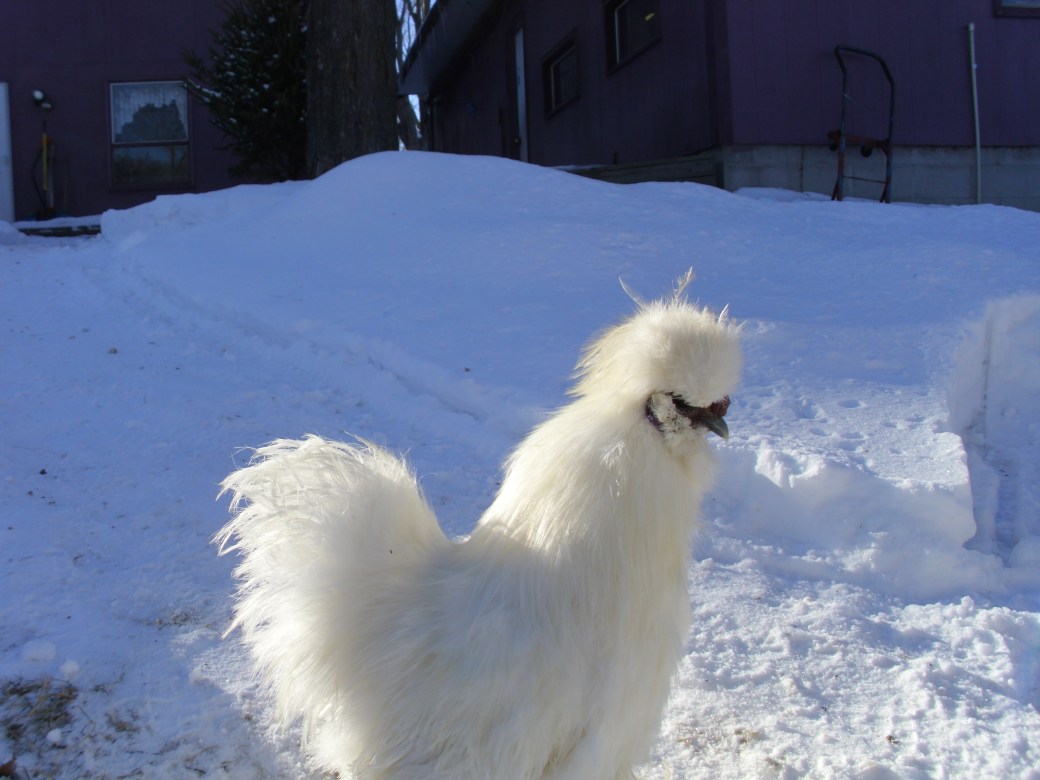
white rooster outsideOften we think that we have winterized correctly for normal winter temperatures. But often in January the temperature can dip below zero which leaves us scrambling for additional tricks to get us through a couple of days of rough weather.
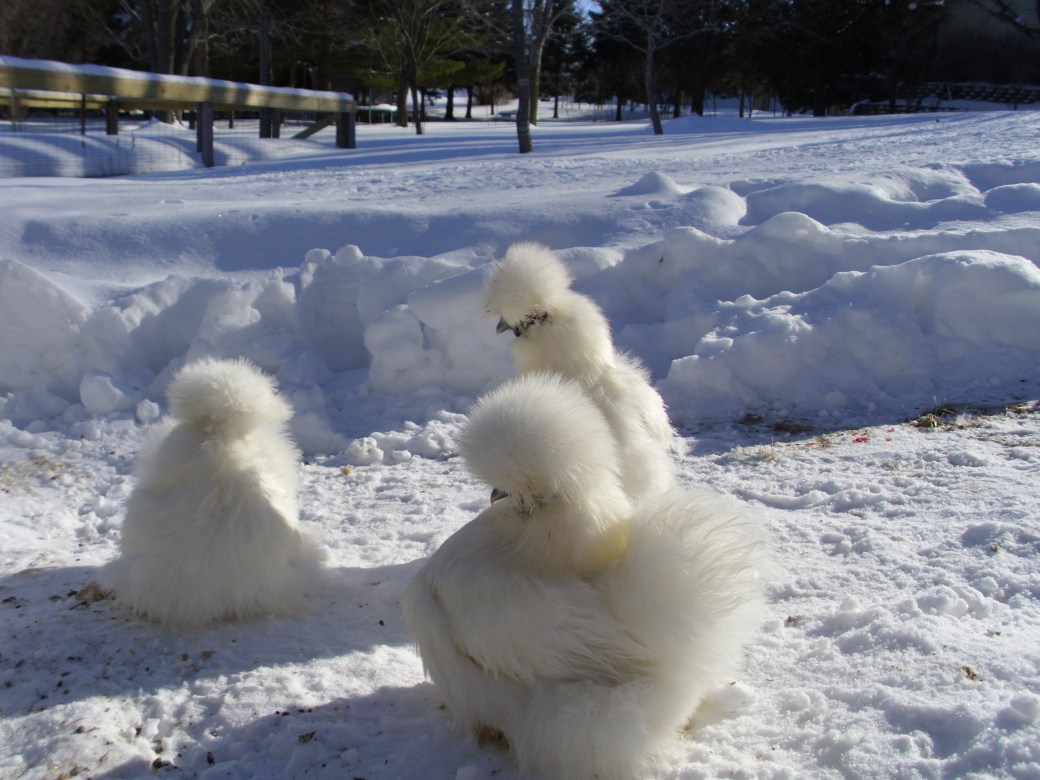
The first thing to do is observe you chickens. A chicken that is feeling stressed from the cold will look cold. It will be huddled up and not moving much.  It may be standing on one leg trying to keep the other leg warm under its feathers. This may be the time to take action.

Chickens are designed to self regulate body heat. Their feathers hold in the warm air around their bodies.  There is a lot of heat inside of a coop just from the number of living, breathing chickens in it. The more chickens you have, the warmer your coop will become.

Your coop probably has some insulation in it already.  A coop should be designed for the kind of weather you live in. Insulation can be built in or added later.  Coops built with a double layer wall will trap air between the layers or, you can us conventional insulation covered with plywood to keep the chickens from pecking at it.

Last minute insulation ideas are things that you can place either inside your coop or outside.  Straw bales can be placed around the outside of the coop as well as inside the coop to block drafts. Straw is a warm bedding because it holds the warm air inside the shaft of the stem. Use it sprinkled on the floor of the coop or outside sprinkled on the run. It will keep their feet warmer than on just plain pea rock.

I use square pieces of reflective insulation to block the pop door at night after I shut the main door.  This helps to block drafts at the floor level. Remove the square in the morning or leave it on extra cold days where you don’t want them to go outside.  I also stuff old pillow cases with old t-shirts and put those in the pop hole area to cut off drafts.

A coop should provide shelter from wind, wet weather and cold drafts along the floor. The north sides and west sides need extra protection.  Wrap clear tarps around the fencing in your run to use as a wind break and to keep snow out of your run. Information on how to do this can be found here. Silkies do not like to walk on snow and won’t leave the coop until it is shoveled off of their run.

Ventilation is very important. Keep the wet out (snow/rain)  but remember,  water vapor needs to escape. Do not keep the coop air-tight. I leave my windows open all year long. When it is below zero, I will shut them halfway but I probably shouldn’t.  Ventilation is air that moves freely in and out of the coop. Drafts are air currents that blow directly on the chickens both on the floor and on their roosts. You want to eliminate drafts but you want as much ventilation as you can.  Trapped water vapor will make things damp in your coop. If you see frost on your walls and on your doors inside the coop, then you need to increase your ventilation.

Your birds will increase the amount of food that they eat in below zero temps.  You need to keep their food bowls filled and keep the food inside the coop where they can find it easily.  Cracked corn is your friend in below zero temps. It will keep your bird warm. When  it is really cold I give them cracked corn before going to bed so that their crop is full all night.  I cook eggs every morning to feed back to the silkies.  Warm, cooked oatmeal will warm up their insides and help them in low temperatures.

You will need to have a way to keep your water from freezing up. I use heated bases and put a galvanized metal 2 gallon waterer on top. Information on Heated Water Bases is here.  Other people use a heated dog dish for their water. I worry about the silkies beards becoming wet with an open dish like that.  I like to put vitamins and electrolytes in their water when it becomes cold to help perk them up.

I change my chicken’s bedding fairly often, but when the temp is below zero I begin to use the deep litter method. I keep adding more and more pine shaving bedding to their pen. I kick it around with my boot every morning so that it does not become compacted.  You want it nice and fluffy. Do not try and clean or change bedding when it is below zero.  Just keep adding more to the mix. You want it as dry as possible in the pen. Remove large chunks of poo when possible.  You will need to gather eggs more often as well or they will freeze and crack.

If you see  a bird that is clearly weak or sick you will need to separate it from the rest of the flock. You can crate it in a dog crate in your laundry room or garage. You will need to wait for warmer temperatures to introduce the bird back to the flock as they will have to be acclimated to outside life.

I use heat lamps as a last resort. I do not like to use them as they can be a fire hazard and are expensive to run. I will turn them on if the temperature is -10 degrees or colder. You need to factor wind chill in there as well especially if you have drafts you can’t block out. If you want to read more about heat lamps, look here.  Some people like to use Sweeter Heaters instead of heat lamps because they can be safer and less expensive to use. They will not be as warm as a heat lamp will be. Other flat panel heaters include Cozy Products which is similar.  Make sure you have a back up plan in case the power goes out. A portable generator is a good thing to have on hand.  Birds will not be able to handle extreme changes in temperature and may it may prove deadly.

Frostbite can occur especially on feet, combs and wattles. Silkies have small combs and wattles so usually frostbite is not a problem in those spots. However, frostbite on feet can happen to silkies. If you have other breeds of birds you may want to use some Waxlene on their combs and wattles to protect them.

Remember that you need to dress appropriately in order to do your chicken chores in these cold temperatures. I wear Carhartt gear because it is very warm.  Their products are made for people who have to work outdoors. Start with insulated bib overhauls.  Add some Carhartt winter boots and your feet will stay very warm.  A warm winter jacket and a hat that covers your face. Don’t forget warm gloves as my fingers are the first thing to get cold and warm socks for my toes that also get very cold.

Ultimately, it is your decision on what steps to take for your birds. There are some days where I don’t even open the pop doors to the run because I think that it is too cold. If you want more information on winterizing your coop check out Tips for winterizing your chicken run and How to Winterize a chicken coop built from a Kit.

For tips and tricks for raising outstanding silkies check out our Chicken Learning Center at VJPPoultry.com .  VJP Poultry is an NPIP and state inspected hatchery located 30 miles north of St. Paul.  We hatch out silkies all year long so we always have stock available.  Like us on Facebook to get weekly updates on what we currently have for sale.

Victoria J. Peterson

whites outside