

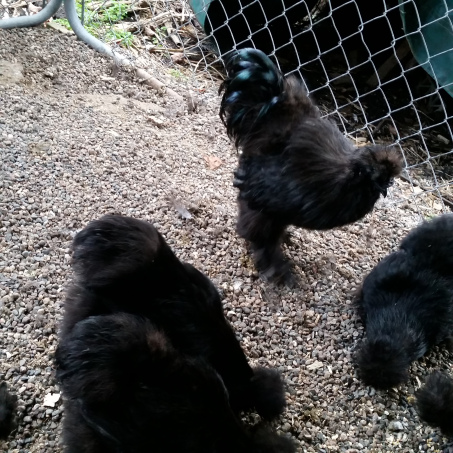
The green sheen on a black chicken is something very much desired. You find it in the tail feathers, wings, saddle and hackles of solid, deep black feathered birds. The purple sheen is not a desired trait and some will even say that it is a nutritional deficiency that causes it.
Microraptor was a very small, four winged dinosaur that lived 130 million years ago. Its feathers have been fossilized and they show black and blue hues similar to a crow. It is the earliest evidence of iridescent feather color. Microraptor was completely black with a glossy, iridescent blue sheen.
Feather color is produced in birds by arrays of pigment bearing organelles called melanosomes. Iridescence happens when the melanosomes are organized in stacked layers. This iridescence is widespread in modern birds and is frequently used in courtship displays.
In chickens, the green sheen on black is very much sought after and appears to be in part produced by the structure of the feathers and in part by the condition of the pigment in them. It is found only in chickens with good black color and in the absence of any purple barring. It can also be found in any chicken that has some black feathers such as partridge silkies.
The quality of the feather is a very important issue. A black chicken with a strong green sheen will have a much smoother feather feel to it. You should almost be able to feel how soft and conditioned that green sheen feather is when compared to duller feathers.
The amount of green sheen varies from bird to bird. Some have a lot of sheen and others don’t. Mostly it is found in roosters, but hens can have it too. I have seen some beautiful sheen on the wings and body of very dark hens. Sheen is more apparent in the sun where light can reflex off of the feathers.
Keratin is a crucial protein in bird’s feathers. The way it is structured allows light to twist and turn and separate. It allows feathers to act like a prism by scattering the longer wavelengths of light and reflecting shorter ones to give us the gorgeous blues, purples and greens.
The preen gland is a gland that is located at the base of the tail. This secreted oil helps to keep keratin flexible. This makes feathers appear more saturated with color. Most birds preen by rubbing their beak and head over the preen gland pore and then rubbing the accumulated oil over the feathers on its body.
The green color you see is due to the effect of light scattering and reflecting off the feather structure. This is called the Tyndall Effect and it creates the illusion of certain colors.
There are four basic types of feather luster. There is green, red/purple, blue and matte- the absence of any sheen. Feather sheen is a matter partly of genes and partly of feather condition.
Gold based blacks are easier to get the correct green sheen and eliminate purple sheen. Green sheen is good and purple sheen is not among chicken breeders in the United States. A dilute black will not give you the same sheen display as a pure black color. Here is an article on my adult black silkie pen and what it is like to work with the black color. That super black color is especially useful if you are working with varieties such as Paint Silkies.
If you want to breed towards improving green sheen you must selectively breed for those desired traits. Breed green to green and remove birds with the purple/red sheen from your breeding program. Have a separate coop to keep your breeding pair in; that way you can be sure of the parentage. Keep track of your breeding pens and keep careful written records of parents and the quality of their offspring. For more information check out “How to Keep a Flock History“.
The degree of iridescence seen on all feathers is a matter of condition. A healthy bird on a good diet has more vibrant colors. Excellent food and clean, safe conditions in the coop will go a long way towards bringing out the color in your birds. Good health will improve the sheen of the feathers so they better reflect the light.
Feather Fixeris a supplement feed that people often use to improve a chicken’s feathers. Any higher protein feed will help to condition feathers. Adding vitamins and electrolytes to your bird’s water will also improve its overall health as well as probiotics and Rooster Booster.
For tips and tricks for raising outstanding silkies check out our Chicken Learning Center at VJPPoultry.com . VJP Poultry is an NPIP and state inspected hatchery located 30 miles north of St. Paul. We hatch out silkies all year long so we always have stock available. Like us on Facebook to get weekly updates on what we currently have for sale.
Victoria J. Peterson
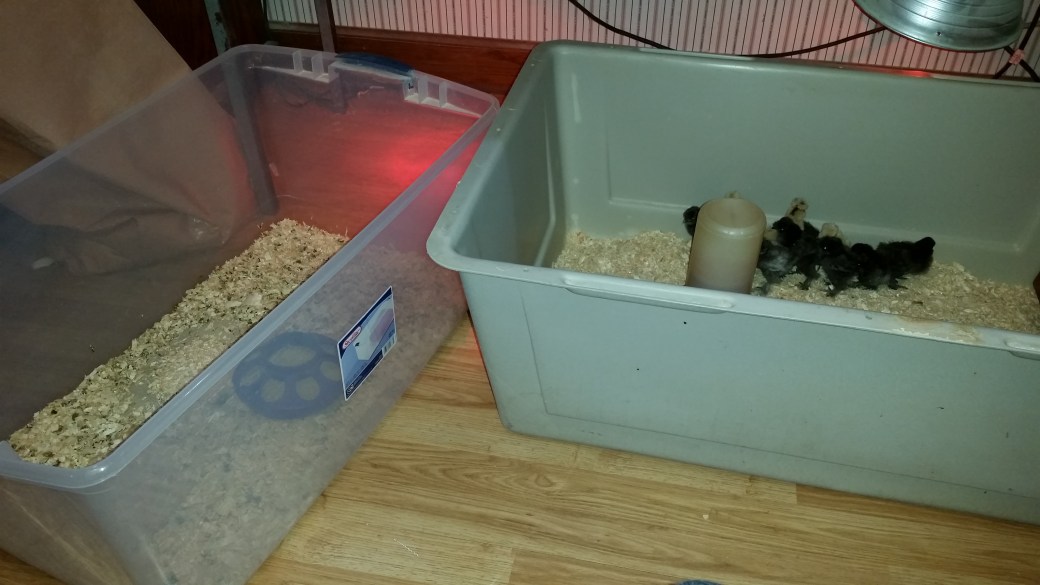
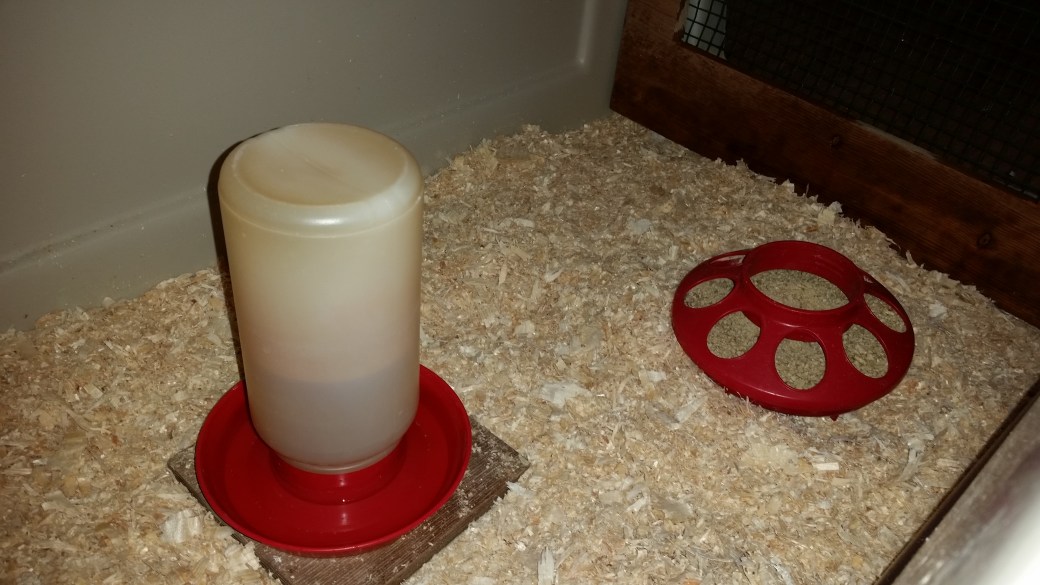
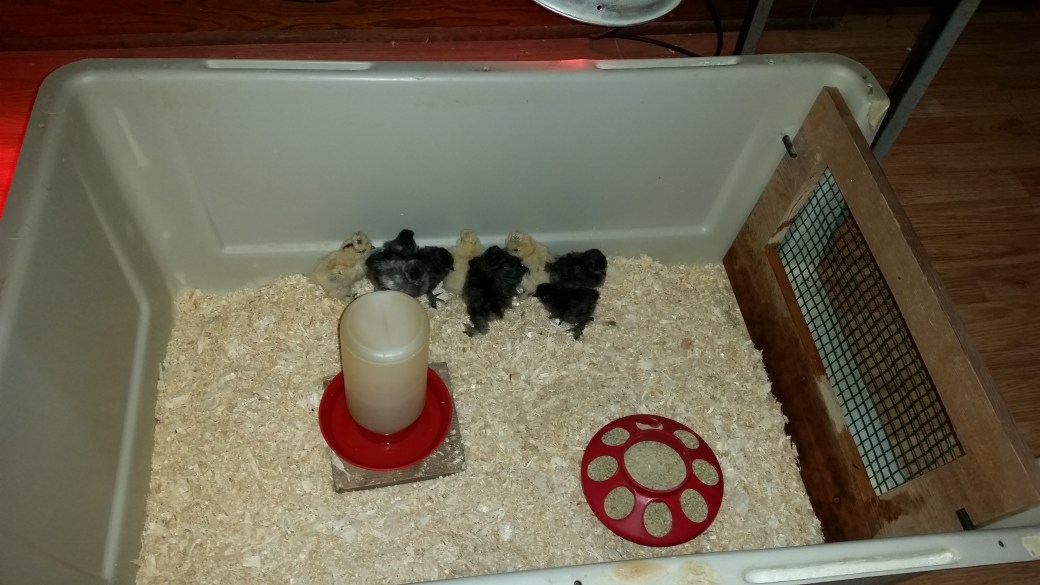 A brood is a group of chicks that are hatched or cared for at one time such as a hen with her brood of chicks. A brooder is a place where a young chick can be kept safe and warm. It takes the place of the mother hen but still can provide warmth and protection. Even if you always use a broody hen for your hatches, it is good idea to have one available for emergencies.
 “.
“.
 VJP Poultry