Changes to Silkies as the Days Grow Shorter – 12/11/16

Lack of daylight can effect your silkies in two major ways. The first is a drop in egg production. Silkies were never known as big egg producers, but they do generally lay an egg a day the same as other chickens. This can change as we head into fall. The other major effect of decreasing daylight is the fall molt. As they days get shorter, you will begin to notice a great deal of feathers in your run. The birds begin to look very scruffy and you realize that the molt has begun.20161019_111736
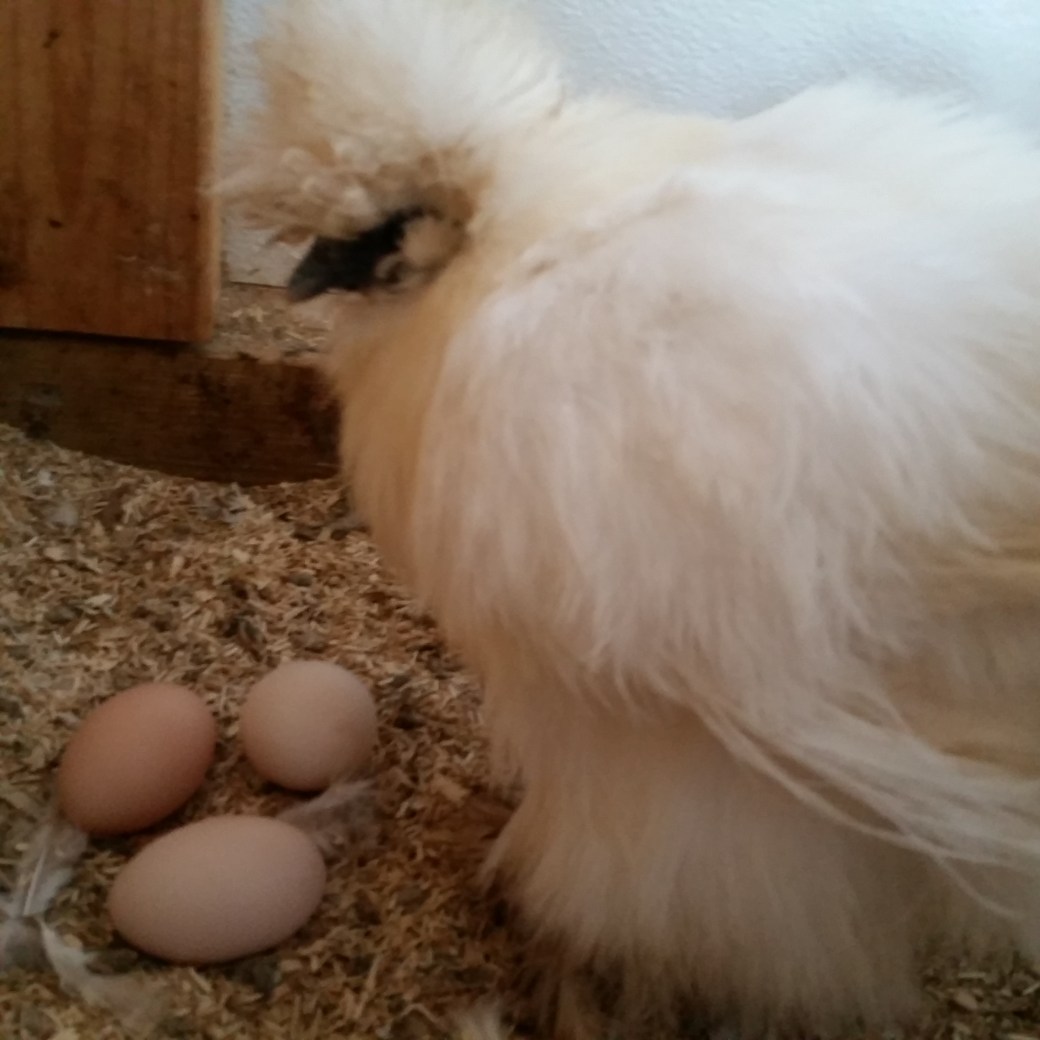
Lets start with egg production. Hens need a certain amount of daylight in order to maintain peak egg laying. Even a hour or two less of daylight changes egg laying patterns.  Once less than twelve hours of daylight is available, egg production slows down considerably if not stopping completely.

You might think that it is the arrival ofcolder weather that causes it but that is not always the case. Even in warm climates, chickens produce fewer eggs once the daylight hours decline. The hen’s pineal gland, part of the its endocrine system, sits above the mid brain, right behind the eyes. This gland produces melatonin,  which helps regulate sleep. As the days lengthen the pineal gland responds by sending a hormone to the ovary to start producing eggs. As the days shorten, the pineal gland stops sending this hormone. Since the gland is sensitive to light, you can fool it by increasing the amount of light available to the hen during the fall and winter.

A 40 watt bulb for each 100 square feet should satisfy to keep hens laying year round. Use incandescent bulbs rather than florescent lights. The wave length of incandescent bulbs are closer to those of natural sunlight.  Put the bulb on a timer so it goes on in the dark hours of the morning rather than at night time. 40 watt Led bulbs work nicely.  It can be hard if the light goes off and they are not in their sleeping spots at the time. The light does not have to be very bright. It does not need to be 40 watts. A night light bulb is fine.

The hen’s body needs to rest and recover for the next year, so at VJP Poultry we do not put extra lights on in the winter. I only turn on the light if I need to see to do chores.

For hens, it is natural to lay many eggs in the spring and summer and decrease out put once autumn arrives. Some hens, especially young ones, produce eggs throughout the winter. Each hen can produce only so many eggs in her lifetime. Then she becomes a “spent hen.”  The amount of eggs varies by breed and individual chicken.

I believe that extremely cold temps can likewise cause laying to decline. The hens end up using a lot of their energy to stay warm and can’t put it into egg production. Below zero temps can cause them to stop all together. Eggs will freeze and crack unless a broody is sitting on them at this point.

Fall is also a time when hens will generally molt. Losing feathers and regrowing them is called molting. They usually stop laying altogether during the molt, although some will continue to lay during the beginning part of the molt. This can last for weeks or even months. Make sure you are feeding a high protein diet at this time.

Chickens will lose feather in a sequence starting with the head and neck and then down the back, across the breast and thighs and finally their tail feathers. The new feathers that emerge are called pinfeathers. They will grow in in the same order as they were lost.

The most common trigger for molting is decrease of daylight hours and the end of an egg laying cycle. This typically coincides with the late summer or early fall. Other triggers are physical stress, lack of water, malnutrition , extreme heat or unusual conditions in the coop.

The short days of winter are a time for hens to rest and prepare their bodies for egg production next spring. They are getting ready to be mothers and to grow into bigger and more beautiful silkies.

For tips and tricks for raising outstanding silkies check out our Chicken Learning Center at VJPPoultry.com .  VJP Poultry is an NPIP and state inspected hatchery located 30 miles north of St. Paul.  We hatch out silkies all year long so we always have stock available.  Like us on Facebook to get weekly updates on what we currently have for sale.

Victoria J. Peterson


VJP Poultry


Does a Silkie Need a Christmas Gift? 12/05/16

I have always loved this video – VJP Poultry’s- Ballet of the Unhatched Chick- because it shows chicken’s somewhat playful side. Some people refer to this as “Chicken Football” because they are all chasing after the one meal worm that someone has in its beak.   Do chickens play? Do they get bored? Do they require a gift at Christmas? These are all questions people have asked about their birds.

Well, Cyber Monday is over, but there is still time to order your chickens a few treats online before December 25th.  Most of the customers at VJP Poultry consider their chickens to be family pets. They lavish love and attention on their silkies and I would bet      that some of them are planning a few Christmas surprises in their chicken’s stockings.

Most gifts are the kind that silkies can eat or the kind that silkies can play with. Let’s start with the chicken toys. Most of the chicken playthings are balls that can be filled with treats. The chicken pushes the ball around and treats fall out. Some of the balls are more complicated and the chicken needs to work at it to get the treats out. An example would be Lixit Chicken Toy  or Peck and Play Ball .

The toy that I liked the best was the Chicken Veggie Ball .It is described as “an entertaining way to provide nutritious treats to a backyard flock”. You can put a head of lettuce or  cabbage inside it and watch your flock kick it around like a soccer ball. This idea has been around for a long time. Oldsters used to tie a rope around a head of cabbage and hang it on a hook inside of the coop for the same effect. All of these toys are good boredom busters for your birds in the wintertime.

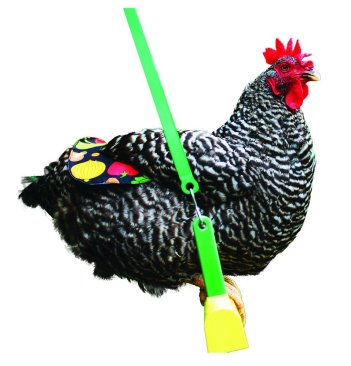
The most unusual toy was the Chicken Swing. The chicken hops on and is able to pump the swing back and forth. Probably not the best gift for a silkie as they may have a hard time jumping on , but other breeds seem to swing just fine on it.

Silkies always like special food treats. There is the Flock Block which lets them peck away and find treats of corn and seed. They are manufactured by many different companies and you should find it at your local feed store.

The treat my flock loves the best are meal worms.  Real or freeze dried, they go crazy for them. I have, in the past, kept a meal worm farm going in my house. The live worms are a great source of protein and a wonderful way for you to bond with your bird. They will come running every time they see you if they think that you have worms for them in your apron pockets.  You can also purchase freeze dried worms from Happy Hen Treats .

There has been a craze of late for putting chickens in sweaters and other kinds of outfits. You are not doing your chickens any favors by doing this. It will compromise their ability to self – regulate their body temperature. Best to leave the clothes off the birds unless it is Chicken Diapers for inside of the house. You can give them a little jewelry by giving them leg bands that have charms on them.  If you are looking for a gift for a guy, check out Gifts For Guys Who Like Chickens.  We also have Gifts For Silkie Chicken Lovers for anyone who likes silkies.

If you are interested in gifts for the Chicken Lady or for chicken loving kids or gifts for the home for chicken lovers check out our weekly silkie blog at VJPPoultry.com. We also have silkie basics at Silkie Supplies.

So, do chickens play? I think so. All animals play. I know that the chest bumping I see among juvenile silkies seems to have a very playful nature to it. Do Chickens get bored? Yes, often this will result in pecking to the extreme. Do they need Christmas gifts? That’s up to you. I know that my little silkies will be getting some nice meal worms come Christmas Eve.

For tips and tricks for raising outstanding silkies check out our Chicken Learning Center at VJPPoultry.com .  VJP Poultry is an NPIP and state inspected hatchery located 30 miles north of St. Paul.  We hatch out silkies all year long so we always have stock available.  Like us on Facebook to get weekly updates on what we currently have for sale.

Victoria J. Peterson

chicken-swing

Silkies For Sale – 12/04/16

Using Plastic on the Silkie Chicken Run – 11/26/16

The first snowstorm is upon us so at VJP Poultry it’s time  to make sure that the plastic is up and covering the chicken runs. We have used plastic on the runs for many years. In the past we have hung cheap plastic from rolls. It looked great at the beginning of winter, but pretty droopy by the end. This year we decided to use something else.

I like using the plastic for several reasons. First of all, it keeps the snow from coming into the run. My silkies do not like walking on snow and will avoid it at all costs. They will not leave the coop if they see snow out their door. The plastic will also keep the rain out of the run keeping the ground dry. The silkies will look nicer for not having mud on their feet and feathers.

The second reason I like hanging plastic around the runs in the winter is that it cuts the wind and makes it warmer the run. It kind of creates a greenhouse effect inside of the run which makes it more inviting for them to come out in colder weather.  I make sure that the plastic is up on the North side and the West side. That is where the cold wind will mostly come from in the winter.  I kind of leave the South side a little more open to help with ventilation. You don’t want the plastic so tight that fresh air is not getting in.

We are trying a new kind of plastic this year Instead of using plastic that comes on a roll, we ordered clear tarps  that have built in grommet holes.  The tarp also has lines running through it to keep the tarp stronger and to keep it from ripping in the wind.

We placed eye hooks in the wood along the bottom of the run.  The grommet holes fit into the hooks and secure the tarp.  We then use ball bungee cords at the top to fasten the tarp down. Hopefully this clear tarp can be easily taken down and put up for many years to come. We also use zip ties where needed to keep the tarps secure.

I don’t usually take the plastic down until it has warmed up in the spring. Even after the snows have stopped it still keeps the spring rains out. It can also keep some predators out of the run as well.

Winterizing the chicken coops and runs is an important task. You want them warm and snug, but really what they need is to be free from cold drafts, to stay dry, to have the air well ventilated and to keep the waterers open and not frozen over. If you can keep those things in mind when winterizing, you will be keeping your silkies healthy and happy this winter.

For tips and tricks for raising outstanding silkies check out our Chicken Learning Center at VJPPoultry.com .  VJP Poultry is an NPIP and state inspected hatchery located 30 miles north of St. Paul.  We hatch out silkies all year long so we always have stock available.  Like us on Facebook to get weekly updates on what we currently have for sale.

Victoria J. Peterson