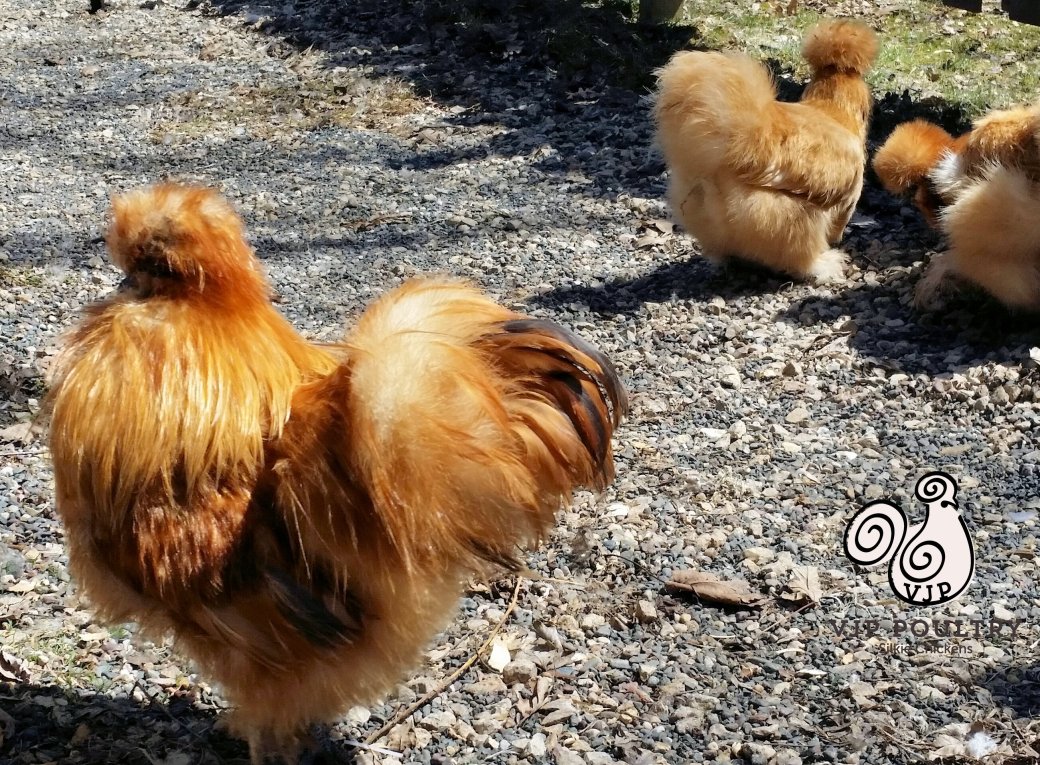
 If someone says that they “rule the roost” at their house you may wonder where that term came from. The top chicken gets the best place on the roosting bar at night as part of a complex hierarchy commonly called “the pecking order.” The pecking order has an influence on feeding, drinking egg laying, roosting, crowing, mating and even dust bathing.
Chickens are a social animal and enjoy the company of their flock mates. Chickens will become lonely for others of their own kind if they are deprived of them. However, the pecking order is anything but gentle and chickens are very aware of their own place in that order.
Everyone knows their place in the pecking order so when a new chicken is introduced, problems arise until the pecking order is reestablished again. Pecking order rank determines the order in which chickens are allowed access to food, water and sleeping spot.
The top chicken is usually the strongest and healthiest. It is their responsibility to protect and take care of the flock, keeping it safe from predators and mitigating disputes between lower members.
The pecking order is a sort of cooperation between members of the flock. It ensures the survival of the flock by giving the best chances to the fittest birds. Unless a member of the flock is removed or added, the pecking order will remain the same for a long time. However, it is a fluid thing and is never permanent. The younger will always challenge the older.
A flock of chickens who were hatched and raised together establishes a pecking order early on. Pullets and cockerels that grow up together will play games of running and bumping chest together. The strongest one is usually chasing a weaker one around the food dish. Serious games of pecking order start at around six weeks.
The most dominant bird will be the rooster if you have one in your flock. The lowest bird will be the meekest and the gentlest. Older birds will be dominant over younger ones until the younger ones start challenging them.
Gender has a lot to do with what the pecking order looks like. If you do not have a rooster in your flock, then the strongest hen will take this spot. It will usually go roosters, hens, cockerels and pullets at the bottom. The order is established by pecking, chasing, blocking from food and water and sometimes violent fighting. If there are several aggressive birds fighting for that top position there can be blood shed.
Pecking order positions are fixed when one flock member confronts another. The weaker will back down and become lower in position than the stronger one. Do not try and interfere unless bleeding is occurring. They need to work it out themselves.
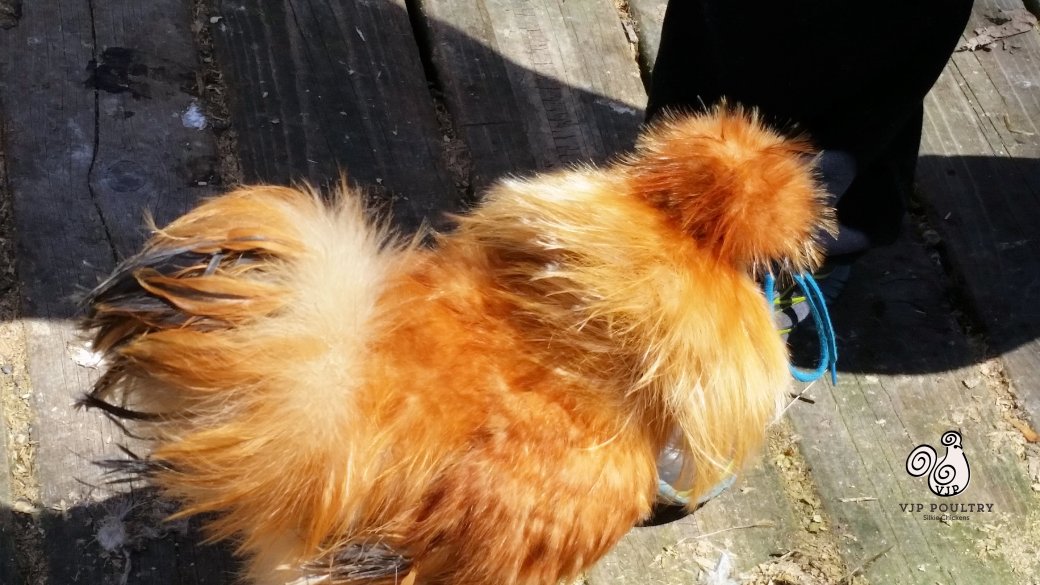
Flaring hackle feathers with a lowered head is one form of intimidation. Loud wing flapping with the head held high and the chest puffed out is another form of letting everyone know who is the boss. They may also use the wing dance to challenge one another. The dominant bird will come up sideways to the other bird. Then he will lower his outer wing and dance in a half circle around the other chicken. If the other chicken walks away, the dancer is now higher than the other bird in the pecking order.
Roosters who copulate with hens throughout the day are asserting their dominance over the other roosters who are not allowed to. Roosters who are lower in the flock crow less and rarely mate. They only get a chance to when the other rooster is not around.
Alpha roosters will crow to signal their dominance to the other chickens. Roosters who are the flock leaders will look out for the hens by watching for predators, finding them treats, mating and chasing other roosters away from their group of hens.
Hens who are at the top tend to be fearless and boisterous. Hens high in the pecking order will chase other hens out of the nesting boxes. Chickens high in the order get to eat more and have a better spot in choosing where they will roost. Weaker hens have to wait to drink or eat and will often be pushed away by others. If one of the low ranked chickens tries to feed before their leaders, they may get a nasty jab or peck to teach them a lesson. If a bird tries to go out of turn, she will earn glares, pecks and feather pulling from higher ranked hens.
Establishing a pecking order can take anywhere from two days or up to two weeks. Once everyone knows their position, the stress will go down and disputes will be settled very quickly.
The less space chickens have, the more violent they are in establishing and maintaining the pecking order. They need around four square feet of space per bird inside the coop and eight square feet outside in the chicken run.
Use hanging feeders and waterers in the middle of an open area rather than in a corner if you are having problems. There should be three inches of feeder and waterer space per chicken. If you have more than six birds, use multiple feeders and waterers. One inside the coop and one outside the coop if smaller birds are being pushed away.
There should be one nesting box for four hens and eight inches of roosting bar per bird.
Problems can occur when a new chicken is introduced to an existing flock. This upsets the pecking order and an new one must be reestablished. If the new chickens are younger and outnumbered this can create additional problems. Chickens have a habit of ganging up on any chicken that is bleeding and pecking at the red wound. They are very attracted to the color red. Remove and bleeding chickens and apply an antiseptic wound spray. Silkies can be very territorial.
When introducing new flock member, fence off an area inside the chicken run for the new chickens. After a couple of days remove the fencing and let them mingle. For more ideas on how to introduce new flock members, check out “How to Integrate New Members Into Your Flock.”
Humans are also part of the pecking order. Roosters see you as part of their flock and will seek to overthrow your top position. Aggressive roosters can be dangerous especially if you have small children. Never leave them unattended with a rooster who has shown past aggression towards humans.
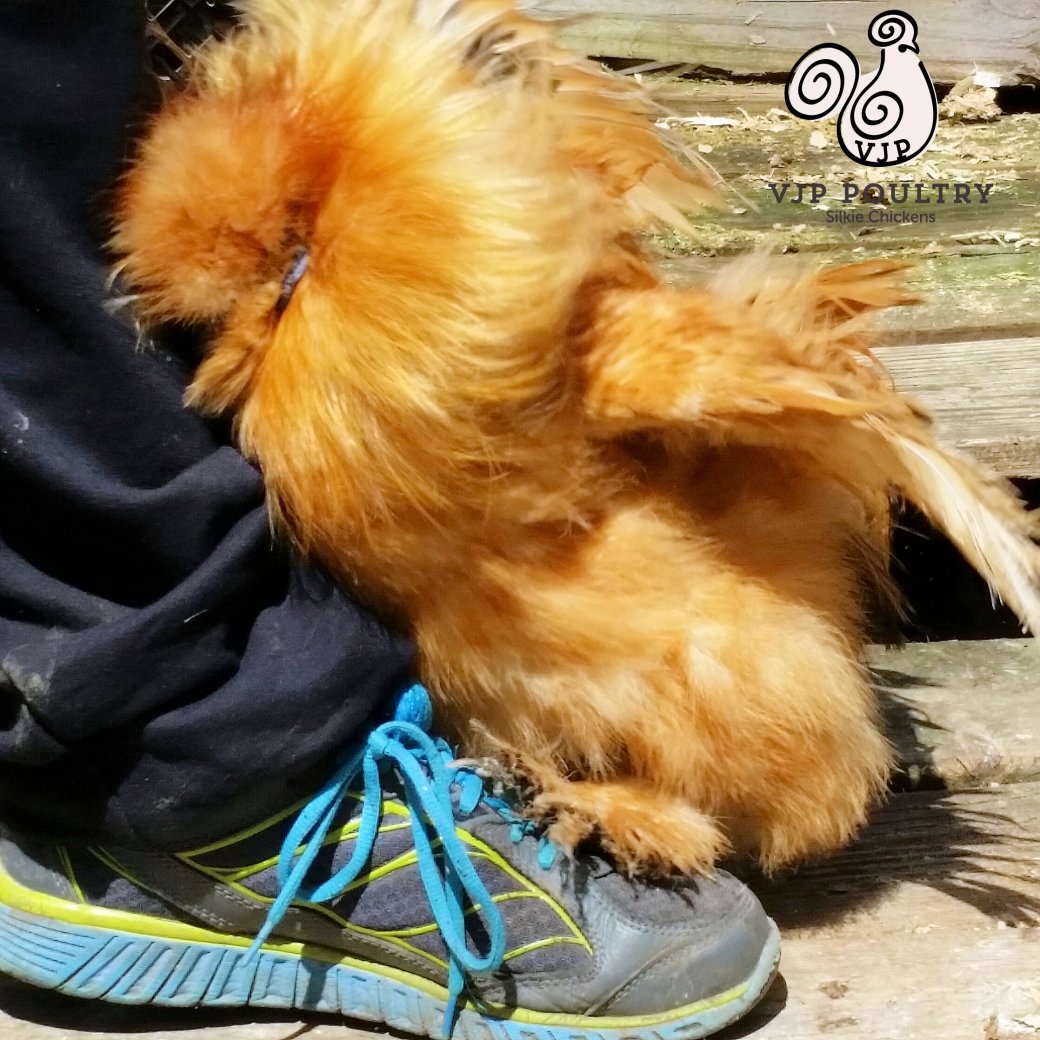
Doing the chicken wing dance around you and charging towards you are some clear signs that a rooster is challenging you for top spot. Pecking and jumping at you to claw or spur you should not be allowed. Never run from a rooster. Stand your ground or run and chase after him. Grab him and hold him down to the ground. Put your hand over his head and back. Hold him until he calms down and then let up on him.
Segregate any bully birds that you might have. Place them in a crate for a few days. The pecking order will change while she is in isolation and when she is reintroduced, she will be the “new bird.”
In order to avoid problems in your coop make sure that there is always enough space for your birds and enough hiding places for members of the lower ranks. The “hen pecked” chicken is always your most submissive and is often a silkie in a mixed flock. Try to keep to one rooster per pen. A happy, stress free flock will give you more eggs.
For tips and tricks for raising outstanding silkies check out our Chicken Learning Center at VJPPoultry.com . VJP Poultry is an NPIP and state inspected hatchery located 30 miles north of St. Paul. We hatch out silkies all year long so we always have stock available. Like us on Facebook to get weekly updates on what we currently have for sale.
Victoria J. Peterson
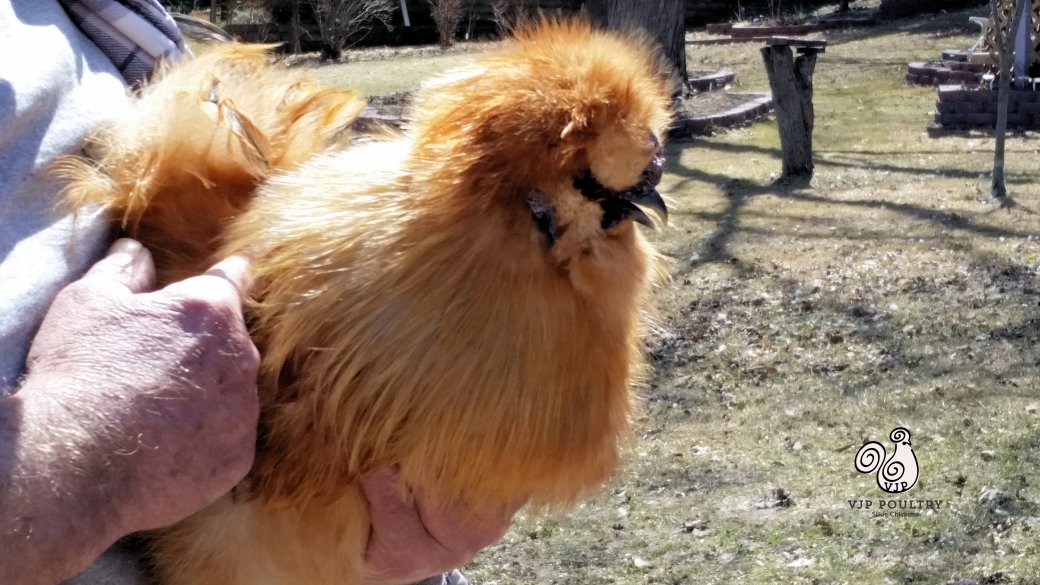
 Most birds perform some kind of courtship dance as a prelude to actual mating. There are many magnificent displays in the avian world. Think about what peacocks do in their foreplay to get the lady bird in the mood with their beautiful tails.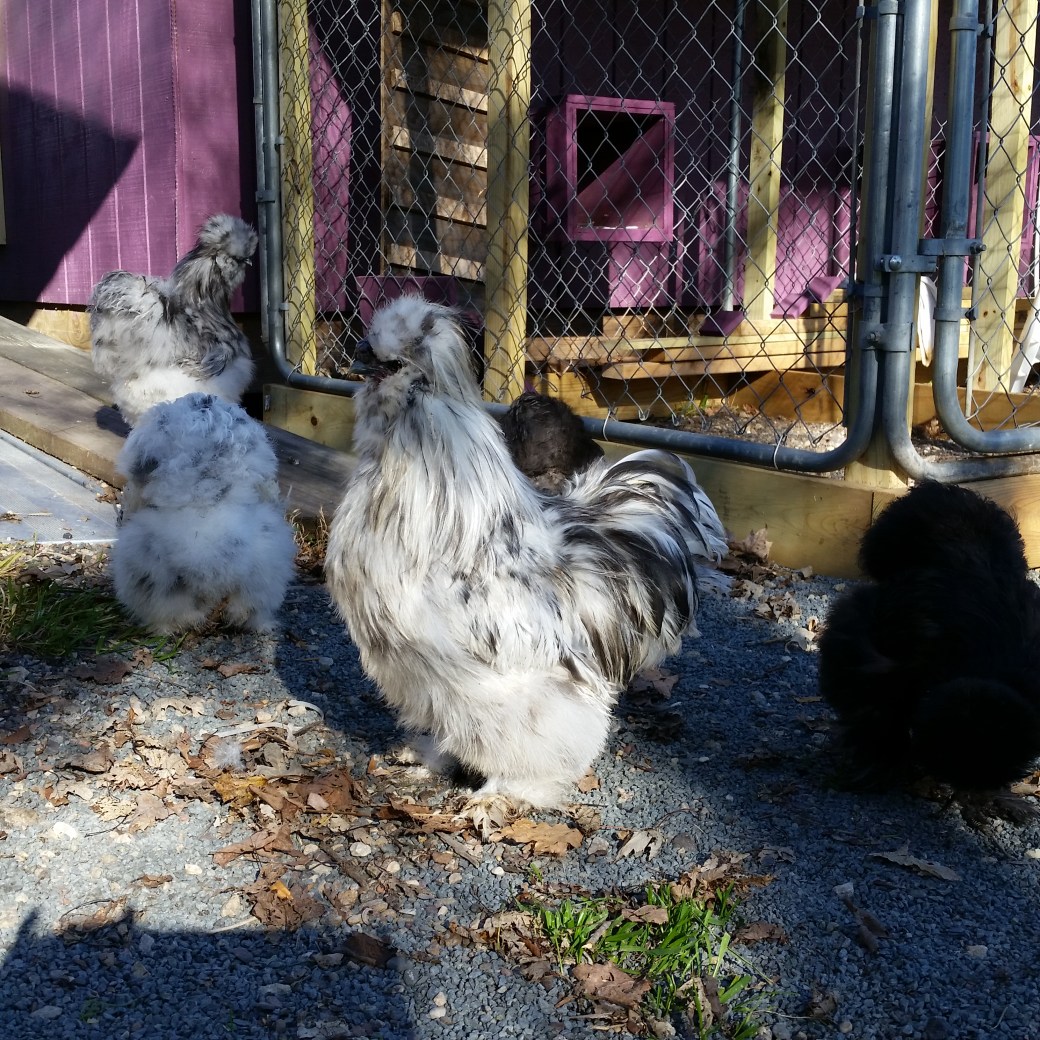
 VJP Poultry