My Experience With VJP Poultry from Cage-Free Mom

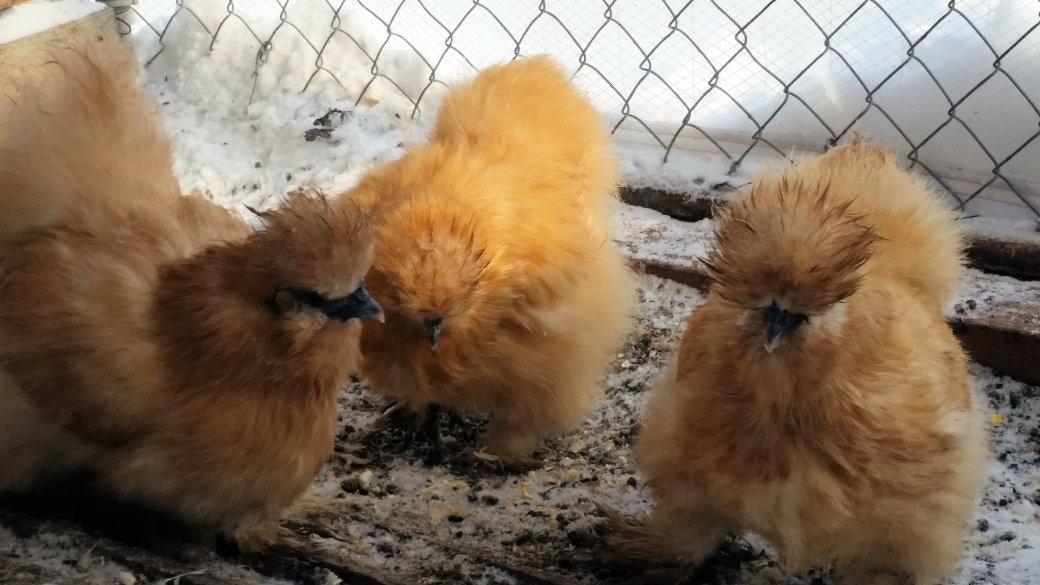
20180206_141456-1When we decided to get chickens, we knew we wanted them as pets and not for meat production. That led us down a rabbit hole of research and getting opinions from people we trusted. We decided that we were going to get some Silkie chickens. They are known for being friendly , beautiful, small and easy as well as having fairly good egg production (3 per week). Everything we wanted in our first batch of chickens.

A friend of mine referred us to VJP Poultry in Forest Lake, Minnesota. One of her friends had some show chickens from VJP that had done very well in the 4-H program. We were relieved to find someone near us that had quality chickens. They are NPIP tested and hold a State of Minnesota Hatchery Permit. We felt confident that we could get some great chicks from here.

At that point I still wanted to do some more research on how to care for our new chickens and how to sex them so we wouldn’t end up with all roosters! The internet gave me a bunch of mixed information (turns out it is nearly impossible to sex Silkie chicks) so I decided to reach out to VJP Poultry and see if they could give me any nuggets of information! The response time was very fast and they were very patient with all of my questions. I was relieved that they have a rooster return program. I was really nervous about this because in our area, we are not allowed to have roosters. If we do end up with any roosters we can return them to VJP and they will re-home them. Every question was answered and we were welcomed to come out and see their options.They do post weekly on their Facebook Page VJP Poultry Facebook which is very helpful. You can see what colors and ages are available as well as the pricing of them.

Not only do they have great customer service but they also run blog posts on their website. They have links to items you can purchase for your chicks/chickens , articles on ventilation and how to keep your Silkies safe and happy during the winter.

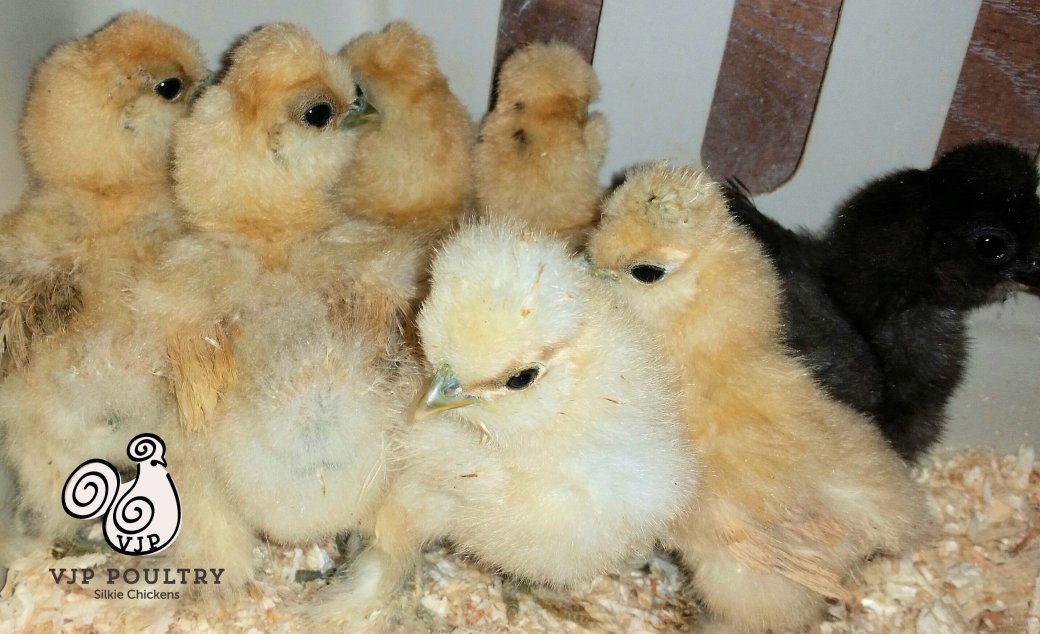
We set a date and went out to see the chicks. Victoria (owner) met us and gave us some time in the chick room. It was nice to have some time to check all the chicks out and discuss our options without feeling the pressure of picking right away. When she came in, she was able to guide us in the right direction. We really wanted a few splash chicks so she went upstairs and brought down some 4 day old babies. We fell in love and decided to take them.

Along with the chicks, she provided us with some bedding and a little sheet giving us tips on how to care for young chicks as well as a copy of their certification.  We were very pleased with our experience and will be returning for all of our future Silkie purchases! I highly recommend them and if you are anywhere in MN or surrounding states, go check them out as they do not ship. Tell them Ashley with Cage-Free Mom sent you!

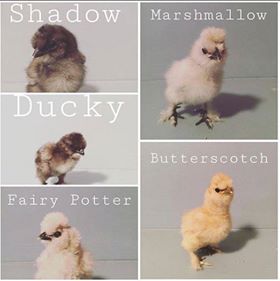
Stay tuned for pictures of our new chicks! (Shadow, Ducky, Butterscotch, Marshmallow & Fairy Potter)

You can find more blogs from Cage-Free Mom here.   Text and lower picture by Ashley Molin – The Cage-Free Mom

For tips and tricks for raising outstanding silkies check out our Chicken Learning Center at VJPPoultry.com .  VJP Poultry is an NPIP and state inspected hatchery located 30 miles north of St. Paul.  We hatch out silkies all year long so we always have stock available.  Like us on Facebook to get weekly updates on what we currently have for sale.

Victoria J. Peterson
27849186_860120317525318_1757353654_n

Silkies For Sale – 1/31/18

Managing Laying Hens in the Winter

20180123_121042-1     For most chickens, winter is a time of rest and repair.  They have just finished a long summer of laying and their bodies are depleted of energy.  Most people will see a decrease in egg production from their flock as the days grow shorter.  It is discouraging to think that one might have to start buying eggs from the grocery store again. We miss those beautiful golden yolked eggs.

Chickens will stop laying during the year for many different weather related reasons. Hot spells, storms, steady rain can all have an effect on how the girls are laying but almost all hens dramatically slow down in winter for the entire season.  All breeds reduce egg production but the silkie never has had a steady egg production to begin with.  You might see nary an egg until spring.

First of all it isn’t natural for hens to lay at all in the winter, but selective breeding has made it possible to continue to get eggs all year long.  Hens instinctively know that winter is not a good time to be raising a brood of chicks but they can be tricked into thinking that spring is on the way.

Reduction in egg laying is caused by two factors. The first is the molt.   A molt causes the replacement of feather on the chickens body by shedding all of the old feathers and growing new ones.

Feathers are made out of protein.  Replacing all these feathers is very hard on the hen.  After the fall molt she needs a rest and a break from laying.  Increasing the amount of protein in the diet will decrease the time it takes for the hen to regrow her feathers and return to laying.

Make sure that you have a good Gamebird feed that is high in protein.   Feather Fixer is also a feed that many people use during a molt.  In addition there are high protein treats available to help with new feathers growing in. Mealworm Frenzy is a dried mealworm supplement but you can also serve the live mealworms to your birds.  Omega Fields has a high protein chicken supplement that can help with new feather growing and cat fish pellets or fish choware high protein treats.  Remember that these supplements are for treats only. They should not replace a good Gamebird feed which also includes needed vitamins and minerals.

During a molt reduce their stress level. Don’t move them to new quarters or introduce new flock members. Increase their regular feed so that it is around 20-22% protein.

The second reason for a decline in laying has to do with the length of daylight.  Shorter days are telling the hen to suspend laying because it is not a good time to hatch out a family of baby chicks.  For more information on the effects of shortened days check out “Changes to Silkies as the Days Grow Shorter.

One way to increase the rate of lay is to manipulate the length of day using artificial lights in the coop.  You don’t need much light to fool the hens into thinking that the days are getting longer. A 25-40 watt bulb is sufficient to do the trick.

I use 40 watt Led bulbs on a manual on/off night light fixture.  You plug the entire assembly into a timer and plug it into an outlet.  You could even use a string of Christmas lights on a timer.

Have the lights on a set schedule with the timer, not just whenever you think about turning the lights one. Erratic lighting will encourage chickens to molt which you do not want in the winter.  They need their feathers in order to keep them warm in the winter.

The combined artificial and natural light should total around 14 hours.  Make sure that the supplemental light is coming on during the morning hours.  If you do it in the evening it will confuse the birds to have the lights suddenly go off and them may not make it to their usual night time spot.  This will cause them stress.

Set the timers so the light comes on between 4 am and 8 am.  Remember to check periodically to make sure that the bulb is still working.  Make sure you have a back up plan in case there is a power outage. Battery powered camping lanterns work well.

If your birds are getting up at 4 am they probably are not getting outside until sunrise.  Your chickens may get bored during this time.  This can result in them pecking at each other.  Food and water should be inside the coop so they have something to do.  Chicken toys such as Treat Balls and Peck and Play balls relieve boredom.   If you are a late sleeper you could install an Automatic Coop Door where you could decide when you wanted them let out.

One other thing that can influence egg laying is the temperature outside.  The colder it is, the less eggs seem to be laid.  Heat lamps, which create warmth, can stimulate laying.  250 watt red bulbs give the feeling of night time.  For  more information on heat lamps check out “Heat Lamp Use.”  Sweeter Heaters also create warmth in the coop.

Silkies are very hardy in winter temperatures far below freezing.  If their eggs remain at these temps for too long they will crack.  It takes temperatures below the freezing point for eggs to crack.  That means they need to be 28 degrees or lower for there to be a problem.  Hopefully a silkie will cover the eggs until you can pick them up or that a soft bed of pine shavings can act as an insulator.

Make sure that your hens have plenty of water in the winter.  If their water is frozen most of the time this will lead a huge drop in egg productivity.  Hens need a great deal of water to create an egg.  Use a heated water base to make sure that the water is always open.  For more information on using heated water bases check out “ Using Heated Water Bases. ” at the VJP Poultry blog.

In addition, offer supplemental oyster shell so that the hens have plenty of calcium for eggshell formation.

For tips and tricks for raising outstanding silkies check out our Chicken Learning Center at VJPPoultry.com .  VJP Poultry is an NPIP and state inspected hatchery located 30 miles north of St. Paul.  We hatch out silkies all year long so we always have stock available.  Like us on Facebook to get weekly updates on what we currently have for sale.

Victoria J. Peterson
20180123_121258


Silkies For Sale – 1/24/18

Respiratory Health in the Silkie Chicken Flock

20180119_124720-1     During this cold snap you may hear some strange sounds coming from your flock.  All of a sudden you may hear a high pitched squeak which begins to sound like a sneeze. That is a red flag that one of your birds may becoming down with some kind of respiratory issue.  Upon closer examination you may see that your bird has a runny nose or watery eyes.  This is the time to take action and isolate that bird from the rest of the flock.
Respiratory issues in poultry can be either a minor problem or a major problem depending on the severity of it.  Most of the time it can be easily dealt with. However, there are some deadly respiratory diseases that can effect your entire flock and medicine will need to be given.

One cause of sneezing and cold- like symptoms in poultry can be all of the dust that can collect in a coop.  Chickens can cough, splutter and get watery eyes if they breath too much dust in. Dust can come from the pine shaving you use as bedding or just from the dander on the birds themselves. You may want to switch to a dust free bedding or use sand or straw.  Use an air hose to blow out the dust in the coop periodically. Install fans to blow air out or the coop so that dust can’t collect.  Let your birds free range when they can or be out in their runs all year.

When cleaning the coop and changing bedding it would be a good idea for you, too, to wear some kind of face or mask protection.  Dust, dirt and chicken feces particles and not good for your lungs. People that work in the poultry industry routinely wear masks when cleaning.

Any kind of stress can also cause your chicken to start to display respiratory distress.  Extreme temperatures , being transported and crowded conditions all add to a lowering of the immune system and coughing and sneezing can result.  Make sure that your coop is not too crowded and that the coop is well ventilated.  You need fresh air freely flowing through the coop.

The introduction of a new bird to the flock can cause stress as a new pecking order needs to be established.  Chickens love routine and anything that is new or different can stress them out.  That new bird could also be a carrier and be bringing in new viruses.  Quarantine is very important when adding new birds. A minimum of three weeks is needed to protect the rest of your flock from incoming diseases.  Buy chickens from trustworthy sources who you know have healthy birds.

Check your birds daily for signs of respiratory illness. Symptoms include sneezing or sniffling, runny nose or mucus coming out of the nose, watery eyes or swollen sinuses.  Isolate the bird if you see these symptoms in a crate and if possible keep it where you can observe it.  Your bird is contagious.  Change the bedding in the coop to try and keep germs from spreading to the rest of your flock.  Treat with some Vetrx around the nostrils or even in the water.  Use some Terramycin or Vetericyn in the eyes if they are watery or are closing shut.

You can bolster your bird’s immune system by giving them probiotics and plain yogurt. Chopped garlic added to the water is good for the immune system.  So is adding dill, oregano and thyme to the feed. I always add apple cider vinegar to my chicken’s water water to help with digestion and to improve health.  Vitamins and electrolytes also work well for overall health.

There are some serious respiratory diseases:


Causes of Respiratory Illness in Adult Chickens
Disease Occurrence in Backyard Flocks Distinctive Signs of Illness Average Mortality Rate
Mycoplasmosis Common Foamy eye discharge, more common in winter, roosters usually
show more severe signs
Usually none
Infectious coryza Common Swollen face or wattles, gunky eyes, foul odor, more common
summer and fall
5–20 percent
Infectious bronchitis Common Decreased egg production Usually none
Newcastle disease Mild strains are common. Highly deadly strains are absent from
chickens in the United States.
May also cause diarrhea, staggering, paralysis, sudden
death
5–99 percent
Fowl cholera (chronic form) Not so common Swollen face, gunky eyes, rattling or difficulty breathing,
more common in late summer
0–20 percent
Infectious laryngotracheitis (ILT) Not so common Gasping, coughing up bloody mucous, dried blood around nostrils
and lower beak
10–20 percent
Avian influenza Rare (Deadly strains are absent from chickens in the United
States)
Droopy birds, rattling breathing sounds, diarrhea, sudden
death
5–99 percent

*taken from Chicken Health For Dummies

If you feel that your chickens have one of these diseases, you should probably call a vet.  They will give you antibiotic for their water or antibiotics given with injections.

The problem with these more serious diseases is that the symptoms are the same as lesser illnesses.  Unless you do a blood test you will never know for sure what you have.  Treatment is the same for any respiratory disease.  Complete recovery may take 2-4 weeks.  Your bird may recover but become a long term carrier of the infection.  A healthy looking hen could be contagious to others because she carries the disease.

Vibatra is an all natural antibiotic alternative.  Homeopathic sprays are another natural alternative to antibiotics.

Amoxfin is an antibiotic used for tropical fish that you can get over the internet and put in their water.  Tylan is an antibiotic injection that you can find at places that sell chicken supplies.

It is important to know whether your bird is contagious if you are planning on selling birds or if you take them to shows.

Silkies have a hard time seeing with their large crests and muffs.  Many times I will see eye issues because feathers had lodged themselves into their eyes and are acting as a irritant.  Keep their crests and muffs trimmed if this is an issue.

Some people think that silkies need more vitamins than other breeds of chickens. You may want to feed them a better quality feed or give them vitamins in their water to help their immune system. Check out “When Something Is Wrong With My Silkie”

For tips and tricks for raising outstanding silkies check out our Chicken Learning Center at VJPPoultry.com .  VJP Poultry is an NPIP and state inspected hatchery located 30 miles north of St. Paul.  We hatch out silkies all year long so we always have stock available.  Like us on Facebook to get weekly updates on what we currently have for sale.

Victoria J. Peterson


20180119_124846-1