Tag: raising silkie chickens
The Perfect Chick Brooder
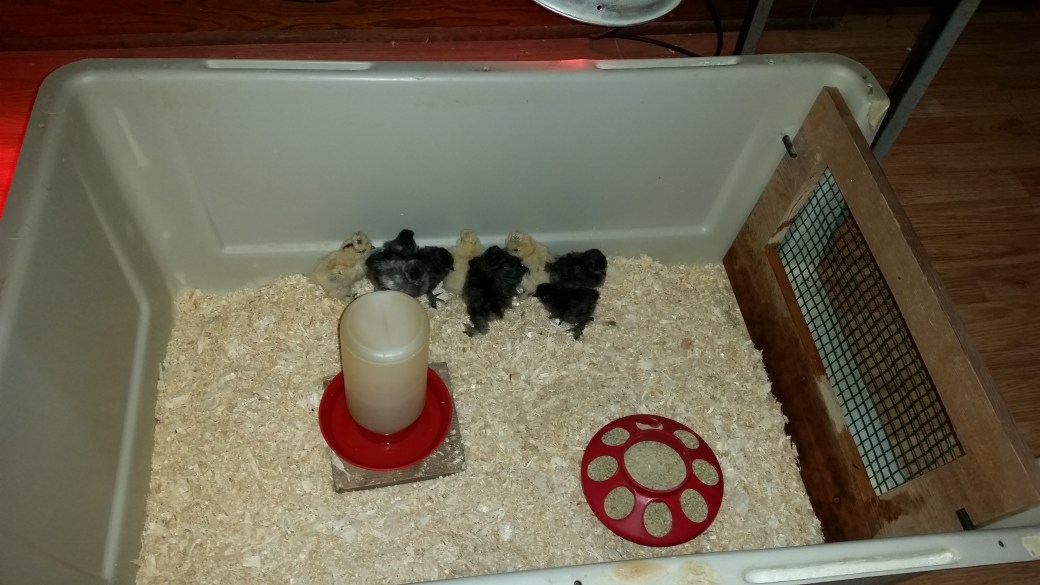 A brood is a group of chicks that are hatched or cared for at one time such as a hen with her brood of chicks. A brooder is a place where a young chick can be kept safe and warm. It takes the place of the mother hen but still can provide warmth and protection. Even if you always use a broody hen for your hatches, it is good idea to have one available for emergencies.
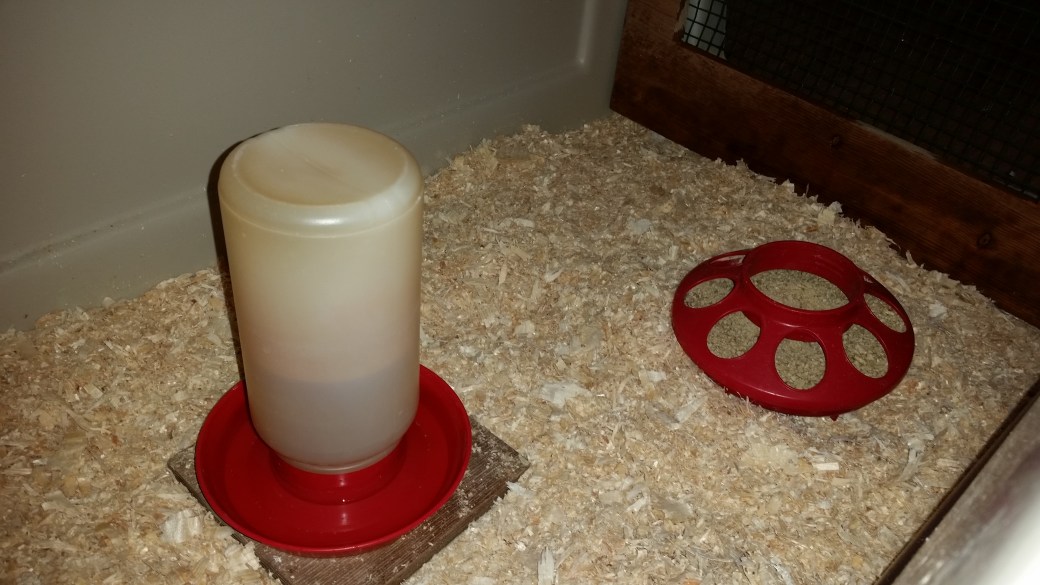
This article is going to concentrate on the brooder box itself. The box is an important starting point. The dishes, food, bedding and heat lamp are all added after the box is chosen. There is an abundance of options out there for brooders.
The basic brooder can be made out of many different kinds of materials such as plastic, metal, wood or cardboard. You can buy a ready made brooder or you can make one yourself out of a cardboard box or plastic tote. I prefer plastic because it is easy to clean and you can use it for multiple hatches. Cardboard falls apart when it gets wet and damp conditions are not healthy for the chicks. Heat lamp use with cardboard and pine shavings can be a fire hazard unless you are extremely careful with mounting the heat lamp.
There are some wonderful brooders available. A brooder box or a rabbit hutchcan make a very sturdy brooder. Some people use a wading pool or even a dog carrier. Whatever works for you. Your choice will have to do with what time of year it is and whether the chicks will be inside or outside. If outside, you will need to protect both the brooder and the chicks from the elements.
Folding play pens also can make great brooders. Remember that protection from the outside world is very important. The sides should be high enough so that the chicks do not jump out and that other pets cannot get in. Twelve inches high is a nice height. You will also need some kind of a top. I just place a window screen on top that can be easily removed and can allow for maximum ventilation. A larger screen can be used with larger brooders.
The size of your brooder will depend on how many chicks you are brooding. Newborns up to 4 weeks old need around 1/4 square foot per chick. Five weeks and up will need around 1/2 square foot per chick. Bantam breeds will not need as much space as they are smaller. It is better to buy a larger brooder and then use dividers to make it smaller for newborns. A smaller space allows for a warmer area for newborns.
There are several home brooder kits that allow you to change the size of your area. Some brooders come with stands for the heat lamp and other kits have even more extra equipment included.
Chicks stay in their brooder until they are feathered out (have lost their baby down and now have actual feathers). I brood mine until they are ready to move outside at about 10 weeks. Ten week old birds will not fit into their baby chick brooders. As your chicks grow, you will need to find larger brooders or set up a brooder situation inside of their outdoor coop.
If you plan on brooding chicks every year then I would suggest something that is going to last and is easy to clean. I have had the most success with plastic tote brooders or brooders made from large plastic dog carriers. I use the plastic totes for the newborns and the dog carriers for larger chicks. The clean up very easily. Ventilation is important but brooders should not be drafty especially for newborns. If you need advice about how to heat your brooder check out “How to choose a heat source for your Brooder“. For information on taking care of newborn chicks check out “Silkie Chick Management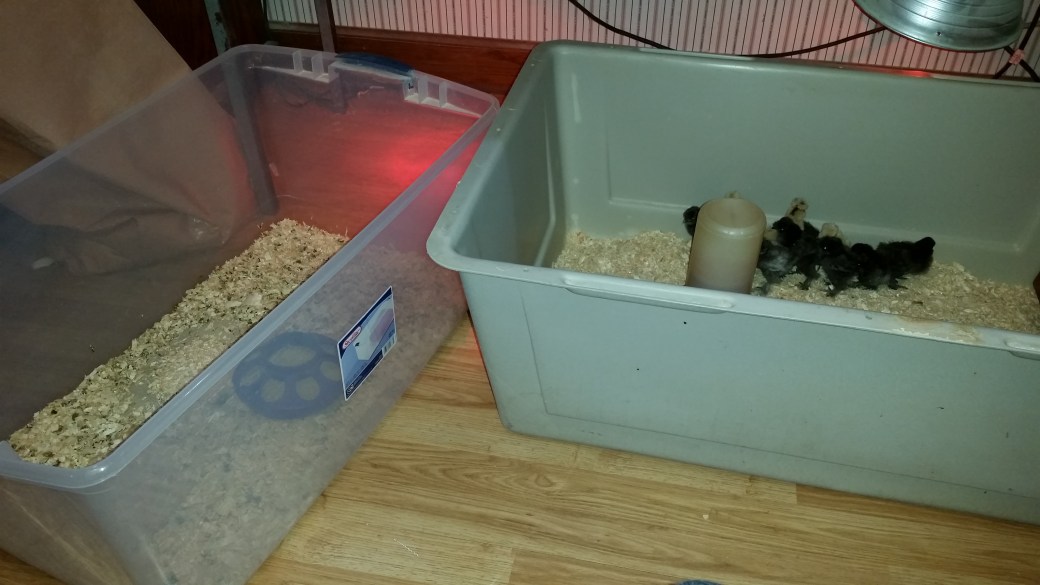 “.
“.
For tips and tricks for raising outstanding silkies check out our Chicken Learning Center at VJPPoultry.com . VJP Poultry is an NPIP and state inspected hatchery located 30 miles north of St. Paul. We hatch out silkies all year long so we always have stock available. Like us on Facebook to get weekly updates on what we currently have for sale.
Victoria J. Peterson
Silkies For Sale – 2/21/18
Silkies For Sale – 2/15/2018
The Mysterious Courtship Dance of Chickens
 Most birds perform some kind of courtship dance as a prelude to actual mating. There are many magnificent displays in the avian world. Think about what peacocks do in their foreplay to get the lady bird in the mood with their beautiful tails.
Roosters will try to lure and entice their mates by displaying their beauty as well. They attempt to attract their mates as they fan their wings in a romantic manner. This is called a wing drag or wing flicking. He will begin to make some croaking sounds as he gets closer to the hen.
The rooster performs a dance, circling the hen with his wing dropped stiffly towards the ground and quivering. As he circles around her making his croaking noise, she will either encourage him or try to come up with an escape plan. In a perfect situation the hen will daintily squat down and raise her shoulders to flatten out, welcoming him in every way.
The rooster then leaps onto her back and balances precariously with one foot on either side of her shoulders. This is called Threading. He grabs the female’s neck with his beak and pulls back her head. He then lowers his vent opening (cloaca) by sliding his tail under the hen and she pushes her vent opening to meet with his. There is no penetration. The sperm released from the male is taken into the vent by the female. From there the sperm travels up the oviduct where it awaits the release of an ovum. The sperm can be actively alive in the hen for more than two weeks. This whole sexual act takes about two seconds. When mating is done, the hen will rise, shake her feathers and go on with whatever she was doing beforehand.
The female chicken does not have a separate vaginal structure. The vent or cloaca is used for both defecation and reproduction. The males also have a vent or cloaca but they do not have a penis to actually penetrate the hen. The rooster’s sexual organ is called the papilla. It is located inside of the bird, just inside of the vent. It looks like a small bump. Semen exits through it. Ducks have a penis but chickens do not.
A hen lays an egg every day or so regardless if there is a rooster around or not. In order for it to be a fertile egg, you will need the rooster to do his part. Each time a yolk ripens, the sperm will fertilize it provided it is in the hen’s oviduct. The white is created and then lastly the shell will form around the egg. A fertilized egg will have a dot surrounded by a ring around it which looks like a bullseye on the yolk. In an infertile egg there will only be a white dot. You can check this out by cracking open an egg and looking at it.
Chickens also engage in a little dance called “tid-bitting.” If a rooster finds a choice bit of food that looks really tasty, he bobs his head up and down and makes his “tid-bitting” call. He picks up the food and drops it repeatedly in order to attract the hen. He may even offer the morsel in his beak. It all looks very romantic and sweet but he is also establishing his role among the hens as a provider and leader.
There are many different recommendations as to how many hens per rooster to give you adequate fertility in your eggs. Most say eight to twelve hens per rooster. If you have a heavier breed, the ratio would be lower. If you have a smaller breed the ratio would be higher. If you would like more information on how to improve fertility in roosters check out this article.
You may want to isolate breeders to make sure that you know who the father is. Wait at least two weeks if your hen has been exposed to other roosters to make sure that all of the sperm inside the hen is no longer active. If you are interested in showing poultry or are just interested in improving your flock you can set up breeding pens where you can isolate certain pairings in order to get certain types of chicks.
As winter ends and spring begins the testosterone in the roosters starts to rise. Roosters will begin to mount challenges to each other as they fight for the rights to the hens. You may want to separate the roosters, but remember, once you separate them it will be very hard to put them back together again.
Crowing is both an invitation to hens and a warning to other roosters in the area. Serious fights can happen between roosters. They can use their sharp spurs as weapons. Aggression when establishing dominance is normal behavior in the chicken world. If you give them plenty of space, they will usually work the dominance hierarchy out themselves. Chickens have strict pecking orders. The alpha rooster is at the top, then the hens and lastly the younger pullets and cockerels.
A rooster can mate up to thirty times a day depending on how many hens are available to him. Not all roosters are interested in mating or are built for it. You should have a similar sized rooster matched with a similar sized hen for best chance of fertilization. If you want to try and improve the virility of your rooster, you may want to add some vitamins and electrolytes to his water or some Rooster Booster Poultry Cell. A little B-12 would perk him up a little too.
Most roosters are very interested in mating with the hens. They will chase hens causing them to lose feathers. Constant harassment on the part of the rooster can cause bald spots on the hen’s back. The roosters do have favorite hens which they will mate repeatedly. You may want to invest in hen saddles. They protect the hen’s back and sides. They can also be worn to prevent self-picking or feather picking from other hens. Pick no more and Blu-Kote are also products that can help prevent the picking and aid in treatment . Vetericyn Spray will help to treat wounded birds as well.
If you want to aid in feather grow back, Feather Fixer feed can help increase protein in their diet. You may also want to trim the spurs and toenails on your rooster using a diagonal wire cutter. Information on how to do this is Here. This can help to prevent any wounds occurring on your hens.
A well mannered rooster who dances for his ladies and waits for them to accept him is a joy to behold. Your pens will be much calmer if you keep and breed roosters with this special ability.
For tips and tricks for raising outstanding silkies check out our Chicken Learning Center at VJPPoultry.com . VJP Poultry is an NPIP and state inspected hatchery located 30 miles north of St. Paul. We hatch out silkies all year long so we always have stock available. Like us on Facebook to get weekly updates on what we currently have for sale.
Victoria J. Peterson
 VJP Poultry