Tag: splash silkies for sale in minnesota
Worming Your Silkies in the Fall and Spring
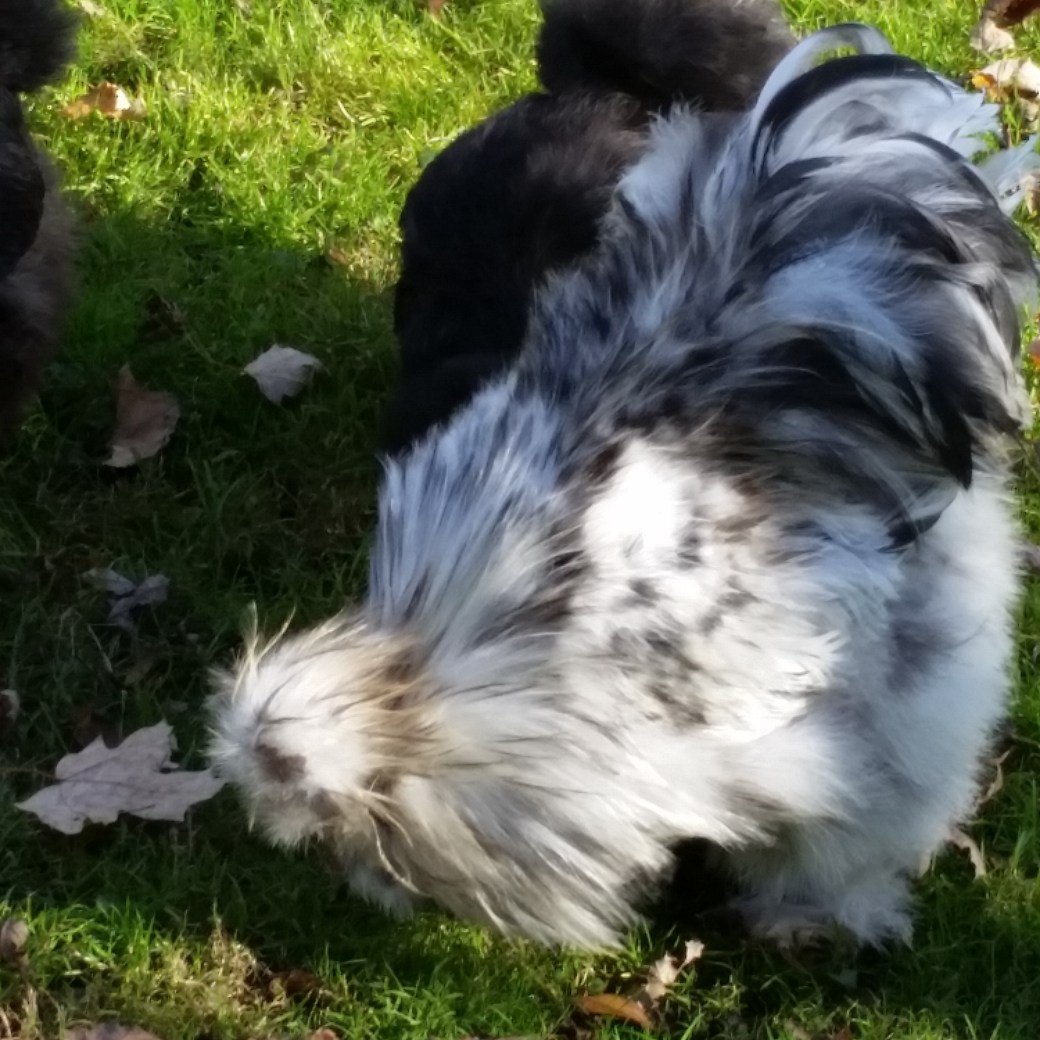 You may not believe it but a normal silkie is probably harboring some worms in their body at all times. A healthy chicken can tolerate a small amount of worms in their system, but it is when a bird is sick or stressed that this can become a problem. If the bird’s immune system is down this can lead to an over population of worms.
Chickens should be wormed regularly to prevent this buildup of worms in the digestive system and elsewhere in their bodies. If you keep your birds in an enclosed run or in a fixed grazing area this can lead to an increased number of worms. The poo from the chicken will contain worms and worm eggs will then be on the ground as well.
Infected silkies can shed thousands of eggs in the feces onto the ground. Worm eggs are so tiny that you will not be able to see them.
Symptoms to look for if you think that your bird has worms would be : worms in the chicken’s egg, abnormal droppings, diarrhea, foamy looking poo, weight loss, pale comb and wattles, listlessness, dirty vent feathers, worms in droppings, gasping and head stretching, head shaking, reduced egg production and sudden death of the bird.
Worming can be hard on the chicken’s body and should not be done without some thought. If you choose to worm, avoid worming during the winter in freezing temperatures. Do not worm if your bird is molting or under six weeks of age. Most people that worm do it in the spring and in the fall.
There are several different types of worms that may be found in poultry. Hairworms/threadworms are found in the crop, esophagus and intestine. Round worms are common and found in the digestive tract. Tapeworms are found in the intestine. Gapeworms can be found in the trachea and lungs. Cecal worms live in the ceca where poo is made. These different worms enter a chicken when the bird eats worm infected droppings or if it eats a slug or insect carrying worm eggs.
When choosing a wormer, be sure that the wormer you select is recommended for the type of worms you are treating. Not all de-worming medications are capable of treating all kinds of worms.
You may want to order an at-home Fecal Worm Test Kit which is available on-line. This will let you know whether or not your chicken has any worms.
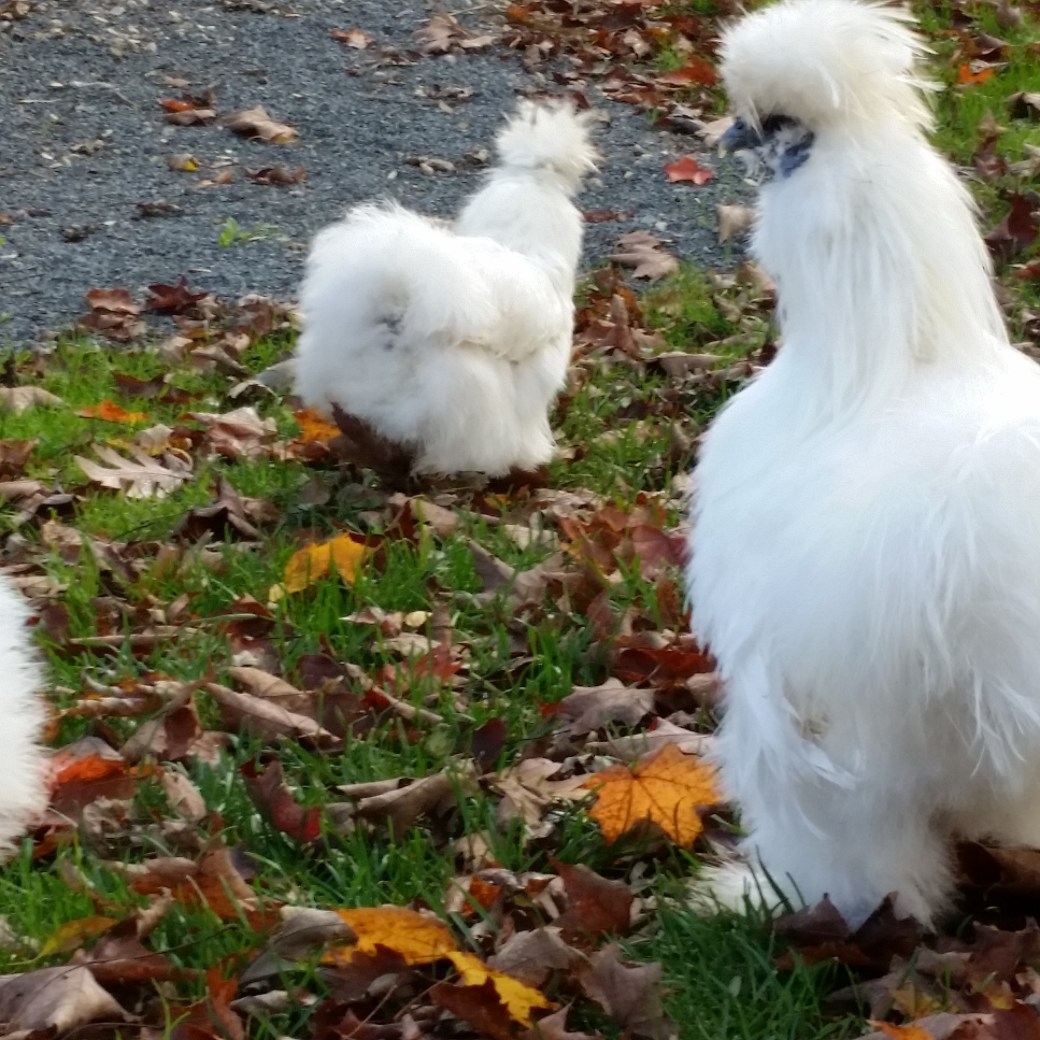 Even if you suspect that one chicken has worms, you should treat the entire flock. It is best to do it twice a year, in the fall and in the spring. You will need to treat the birds twice. Once to get rid of the adult worms and the second time to get rid of the worms that have hatched from eggs since the first treatment.
Wazine ( piperazine) is used to worm round worms. Check the directions on the bottle for treatment and egg withdrawal time. That would be the amount of time you will not be able to eat eggs that are laid. Wazine is added to the birds drinking water.
Safe-guard or Panacur (Fenbendazile) treats threadworms, roundworms, cecal worms and gapeworms.
Invermectin pour-on treats roundworms, threadworms, gapeworms as well as mites and lice.
These three done in a rotation (one in the spring, a different one in the fall, and the third one the following spring) will cover all worm infestations.
Durvet Strike III Type B medicatied feed is used as an aid in the control of infections caused by intestinal parasites (worms). It has an antibiotic in it. It helps to heal but not to get rid of worms.
Diatomaceous Earth Food Grade is a more natural type of dewormer. You mix it into your feed. 1/4 cup of DE to 35 oz of feed.
Pumpkin seeds in kernel form or pumpkin seeds in the shell help to make the environment inside the chicken less attractive for the parasite. The seeds are more suited to preventing worms than removing them.
The best worm preventative is to keep your chickens healthy. Give them proper food without too many treats. Do not feed them on the ground but in bowls or feeders. Clean and sanitize feeders and waters every week. Add vitamins to the water to improve their immune system.
Do not crowd birds. Keep the coop clean and change the litter to beak the eggs cycle. Rotate the runs and pasture. Chicken tractors are a great way to move your chickens from one grazing site to another. Keep the grass cut short. Sunlight helps to kill the worm eggs.
In between wormings use Verm-X and Apple cider vinegar to help keep worm numbers down.
For tips and tricks for raising outstanding silkies check out our Chicken Learning Center at VJPPoultry.com . VJP Poultry is an NPIP and state inspected hatchery located 30 miles north of St. Paul. We hatch out silkies all year long so we always have stock available. Like us on Facebook to get weekly updates on what we currently have for sale.
Victoria J. Peterson
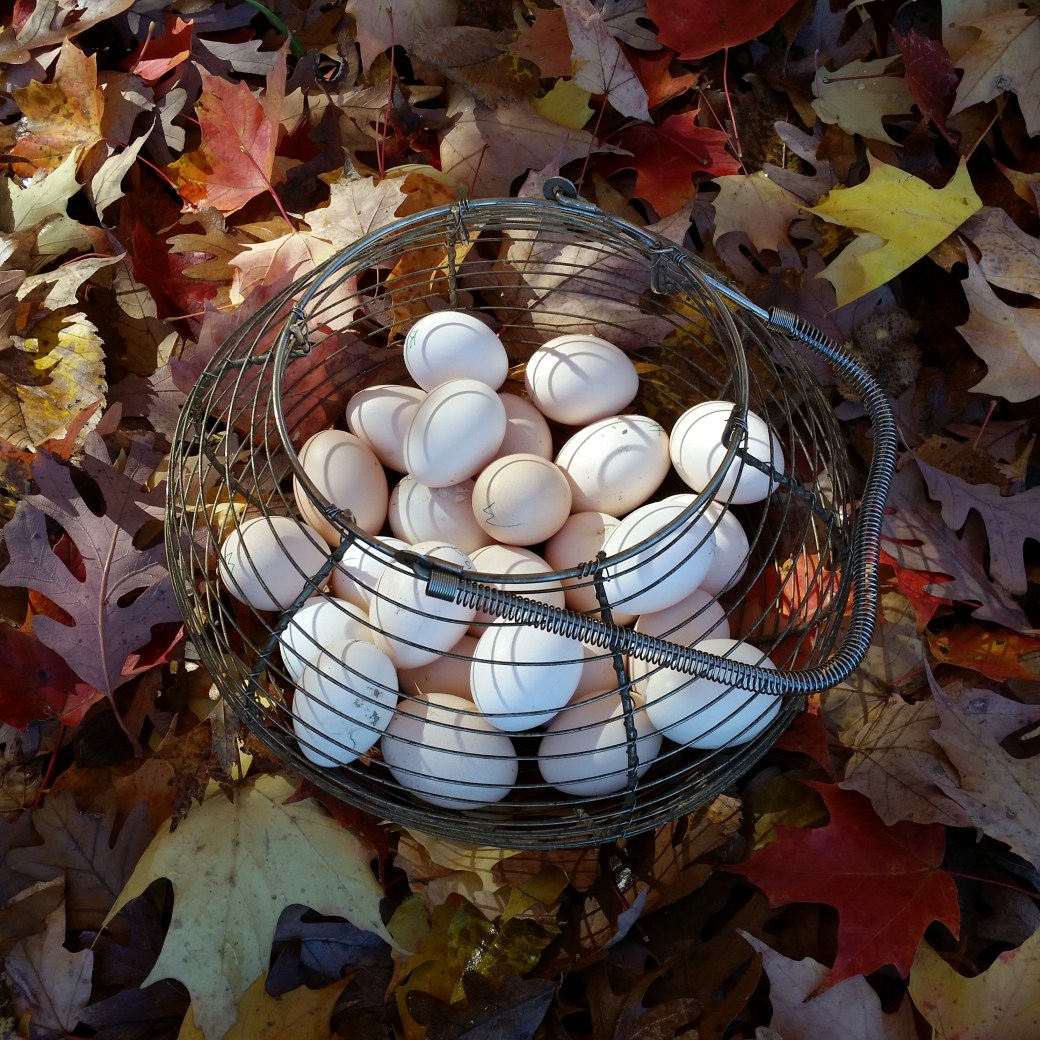
Silkies For Sale – 4/7/17
How To Improve Fertility in Silkie Chickens at VJP Poultry
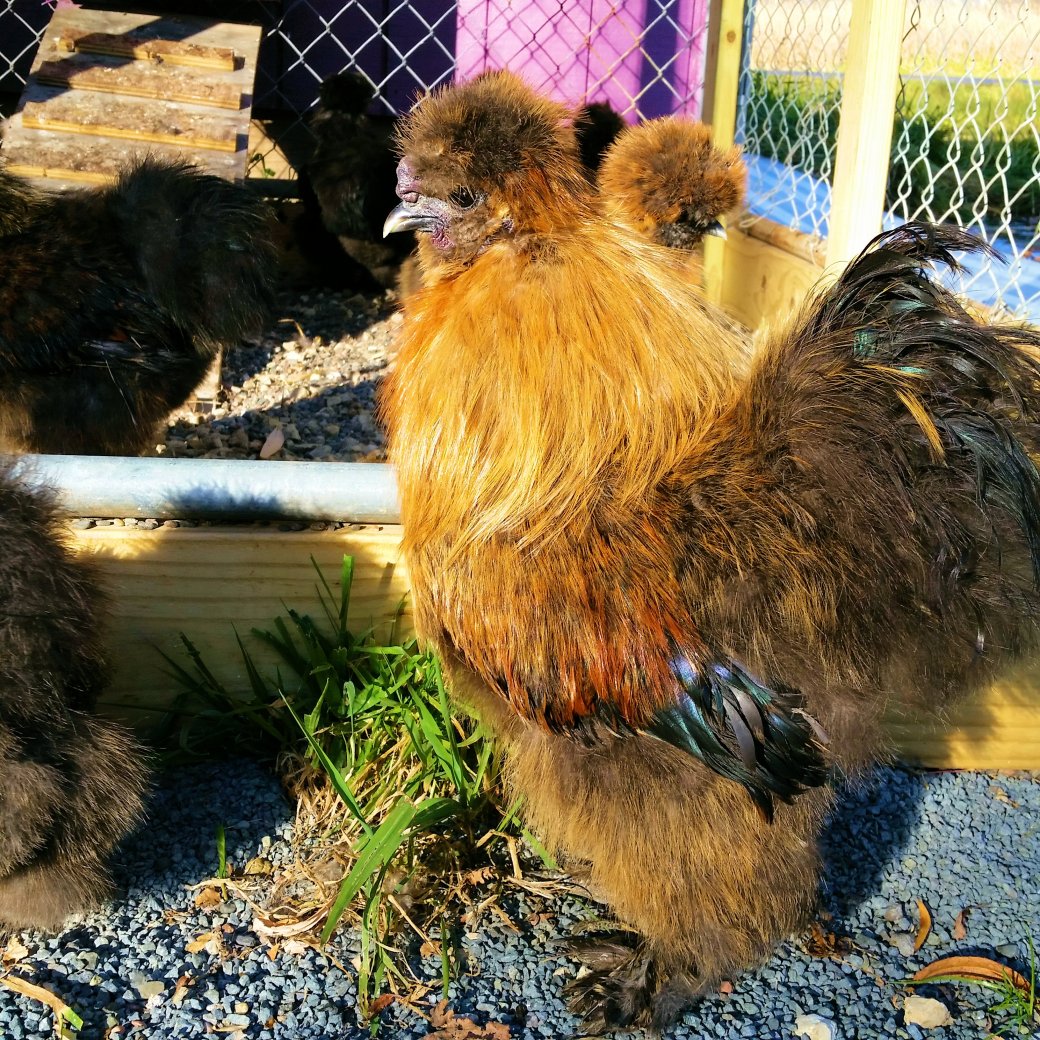 It is very easy to tell if your eggs are fertile. Crack one open in a dish and look for the round, white dot known as the blastodisc. It should have the appearance of a bulls-eye if it is fertile. If it is not fertile, it will look clear in the center and indistinct in its outline.
Roosters must be sexually mature in order to fertilize an egg. This is usually achieved at five to six months of age. Roosters will begin to crow before they are fertile. Roosters fertilize by mounting the hen and depositing semen. The hen stores the semen until an egg begins to form. The egg is fertilized before the shell develops. In normal circumstances, the failure rate is around 15% for eggs being successfully fertilized.
The length of the day will have an effect on fertility. Roosters become more active in their mating as they are exposed to more daylight. Hens will also begin to lay more eggs as the days get longer. Warmer temperatures also will have an effect on how interested your rooster becomes in mating.
If you are having fertility problems you may want to limit the number of roosters in your flock to encourage mating without too much competition . Some roosters will take a secondary roll in the flock when dominated by the other roosters. Old, infertile roosters will dominate fertile roosters and not allow them to mate. A single rooster can manage ten hens. Make sure that your hens and roosters are around the same size. Drastic size differences do not help with mating.
Old roosters will lose fertility. They will continue breeding but their attempts will be unsuccessful. One problem that a lot of older roosters have is that they become overweight. This will lower fertility and also make the act itself harder to do. Roosters tend to drop in fertility after their third year.
A young cockerel can try to mate with a pullet but not succeed in getting the job done. They will need to do a lot of practicing before they start to get it right. Many older hens will also reject the advances of these young cockerels.
Diet is an important variable in fertility. Roosters on a natural diet of feed, table scrapes and foraging for bugs will remain fertile longer than those eating a calcium rich diet of layer food. The addition of vitamins such as A and E can help boost fertility. There are products such as “Rooster Booster” that may help. I would advise eliminating low nutrition food such as corn or bread which can cause roosters to become overweight. I supplement with ground up winter wheat, calf manna and green fodder in the late winter to get ready for spring laying.
Create a comfortable environment to encourage breeding. Flocks that feel threatened by predators are less likely to breed. Keep your coop clean and sanitized. Give them plenty of room to move about. Keep your roosters and hens together at all times so that they can have a set pecking order. Old roosters will need to be rehomed and new roosters can be added.
Silkies have very fluffy bottoms with lots of feathers that get in the way of semen delivery. Trim the area around the vents above and below on both your hens and your roosters. Just use a pair of scissors and cut away enough of the feathers so that contact can more easily be made.
Hopefully these tips can solve your fertility problems and soon you will have all the fluffy, baby chicks your heart desires.
For tips and tricks for raising outstanding silkies check out our Chicken Learning Center at VJPPoultry.com . VJP Poultry is an NPIP and state inspected hatchery located 30 miles north of St. Paul. We hatch out silkies all year long so we always have stock available. Like us on Facebook to get weekly updates on what we currently have for sale.
Victoria J. Peterson
The Secrets of Silkie Vaults at VJP Poultry- 3/21/17
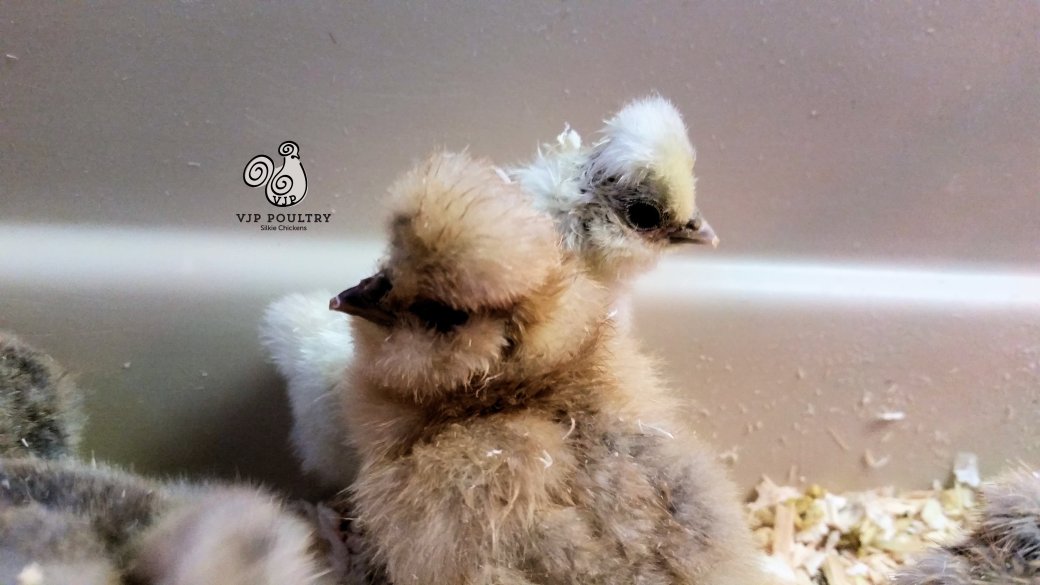
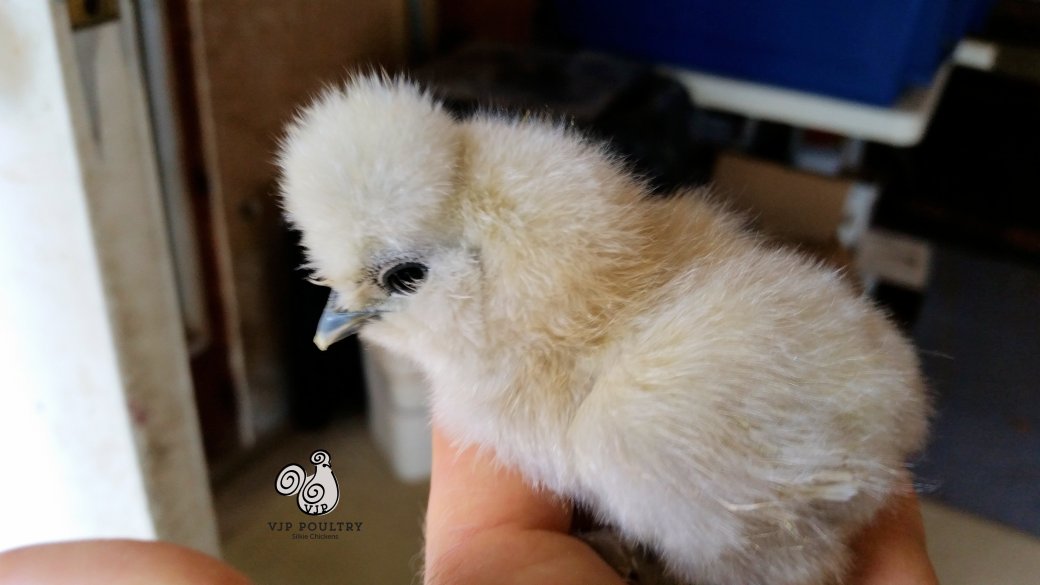 If you have ever wondered what you call that extra bump at the top of a silkie chicken’s head, it is called a Vaulted Skull.. They are very easy to see in newborn silkie chicks but become less noticeable as the chick grows up. Not all silkies have them. About half of my chicks hatch with noticeable vaults. They make the chick appear very cute and that is one reason they are very popular with people purchasing silkies.
Vaulted skulls are common in silkies and in polish chickens. It started out as a mutation. People then selected it because they liked the look of it. They polish had them first. The polish were then bred into silkies to improve and create larger crest sizes. Often chickens are bred together to get new colors, traits and types. Because polish have had this trait longer than silkies, their vaulted skulls are more closed and less susceptible to injury.
A vaulted skull is a skull which has an opening at the top not unlike when a human baby is born. The soft spot on a human skull grows together and become hard. Sometimes a silkies hole will grow over but sometimes it does not. There are pictures online which shows silkie chicken skulls with this opening.
Because of having a vault, a part of the silkies brain is therefore unprotected. A vaulted skull will just have skin and down covering the opening of the skull. Since there is an opening in the silkies skull, it can allow a portion of the brain to protrude through the opening. This is what causes the look of the bump on top of their heads. This can cause the chicks to be quite delicate. Once they are a month old, the bones in the vaulted area usually grow thicker and closer together.
A vault on a silkie looks like the crest has a rubber band around it. The skull vault gives more stability to the crest as as well as shape. Birds with large crests often have crests that flop over to one side or the other. Something about the fact that the skull is open stimulates feathers to grow that way which can look very attractive. Silkies born with vaults are more apt to have larger crests as adults and are said to win more poultry shows.
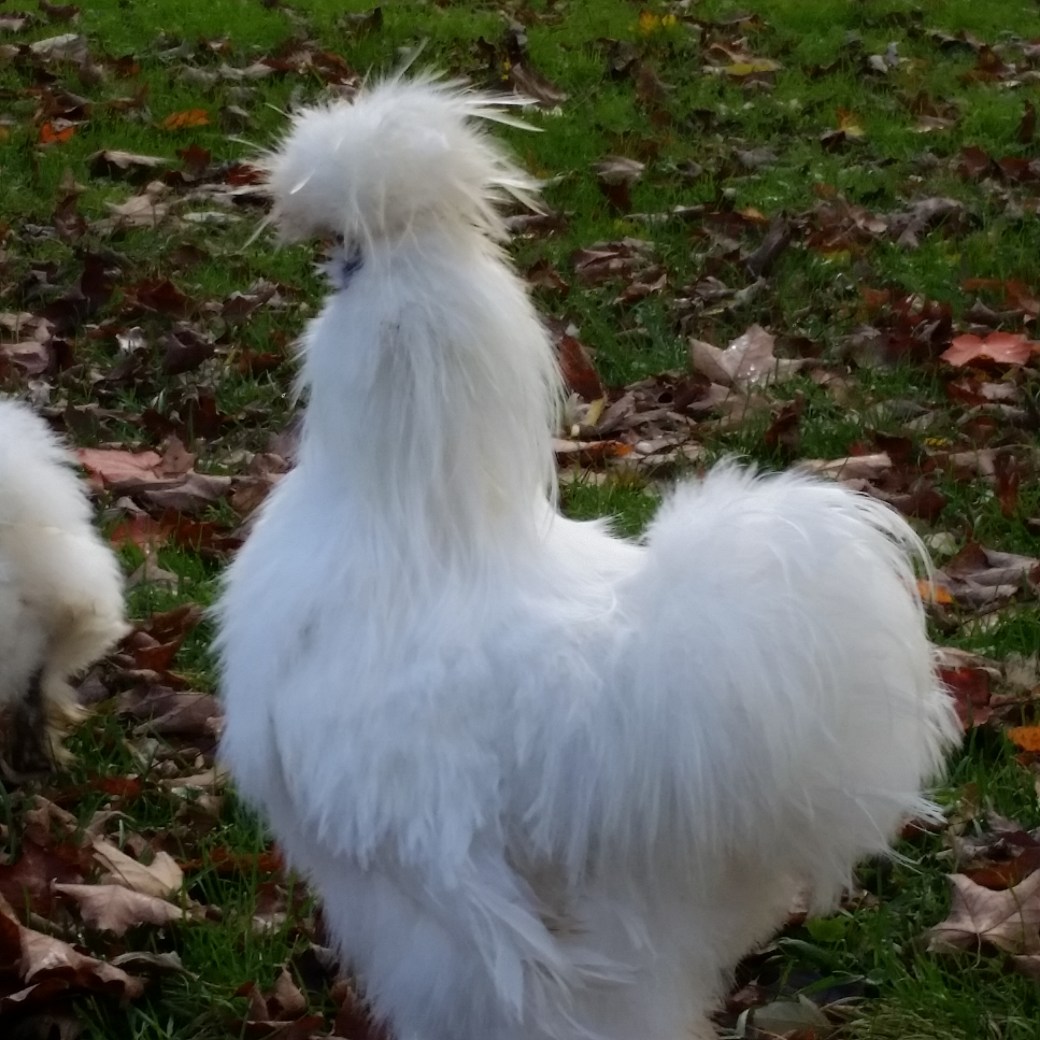
Silkie chicks with or without vaults can have nice top knots. It all depends on the quality of the line. The standard states that a silkie’s crest should be nice and round and even in shape. I like to think of it looking like a cotton ball or powder puff on top of the head.
Extremely vaulted heads should be moved to a separate brooder for added protection. They can be injured if something hits them on top of the head or if they run into something. The chicks with the huge vaults are usually the ones more likely to get stuck in the shells. They have a hard time pipping since they can’t move rotate in the shell very well. They are the ones more likely to need help hatching out.
People wonder if it is worth it to purchase a silkie with a large vault. Understand that you are taking a risk. Some people chose silkie chicks that do not display a vault for that very reason. Vault or not, all silkie chicks will develop nice crests. It is difficult to tell for sure which adult birds were born with vaults if you didn’t keep records. Since vaults are here to stay in most lines it is important to understand how you can protect your bird.
For tips and tricks for raising outstanding silkies check out our Chicken Learning Center at VJPPoultry.com . VJP Poultry is an NPIP and state inspected hatchery located 30 miles north of St. Paul. We hatch out silkies all year long so we always have stock available. Like us on Facebook to get weekly updates on what we currently have for sale.
Victoria J. Peterson
 VJP Poultry