Tag: weekly silkie chicken blog
My Experience With VJP Poultry from Cage-Free Mom
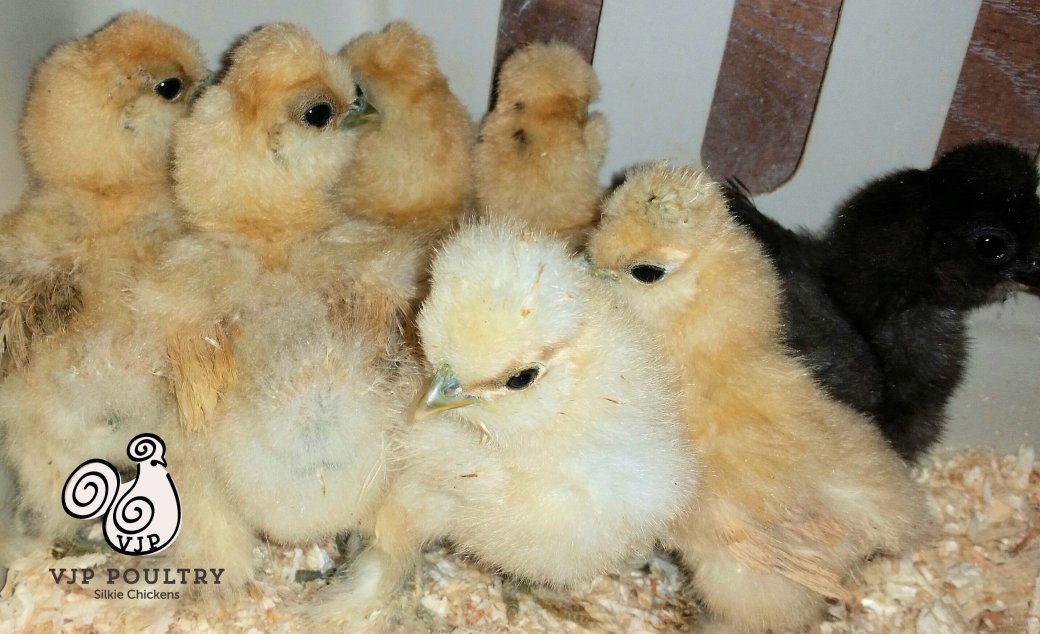 When we decided to get chickens, we knew we wanted them as pets and not for meat production. That led us down a rabbit hole of research and getting opinions from people we trusted. We decided that we were going to get some Silkie chickens. They are known for being friendly , beautiful, small and easy as well as having fairly good egg production (3 per week). Everything we wanted in our first batch of chickens.
A friend of mine referred us to VJP Poultry in Forest Lake, Minnesota. One of her friends had some show chickens from VJP that had done very well in the 4-H program. We were relieved to find someone near us that had quality chickens. They are NPIP tested and hold a State of Minnesota Hatchery Permit. We felt confident that we could get some great chicks from here.
At that point I still wanted to do some more research on how to care for our new chickens and how to sex them so we wouldn’t end up with all roosters! The internet gave me a bunch of mixed information (turns out it is nearly impossible to sex Silkie chicks) so I decided to reach out to VJP Poultry and see if they could give me any nuggets of information! The response time was very fast and they were very patient with all of my questions. I was relieved that they have a rooster return program. I was really nervous about this because in our area, we are not allowed to have roosters. If we do end up with any roosters we can return them to VJP and they will re-home them. Every question was answered and we were welcomed to come out and see their options.They do post weekly on their Facebook Page VJP Poultry Facebook which is very helpful. You can see what colors and ages are available as well as the pricing of them.
Not only do they have great customer service but they also run blog posts on their website. They have links to items you can purchase for your chicks/chickens , articles on ventilation and how to keep your Silkies safe and happy during the winter.
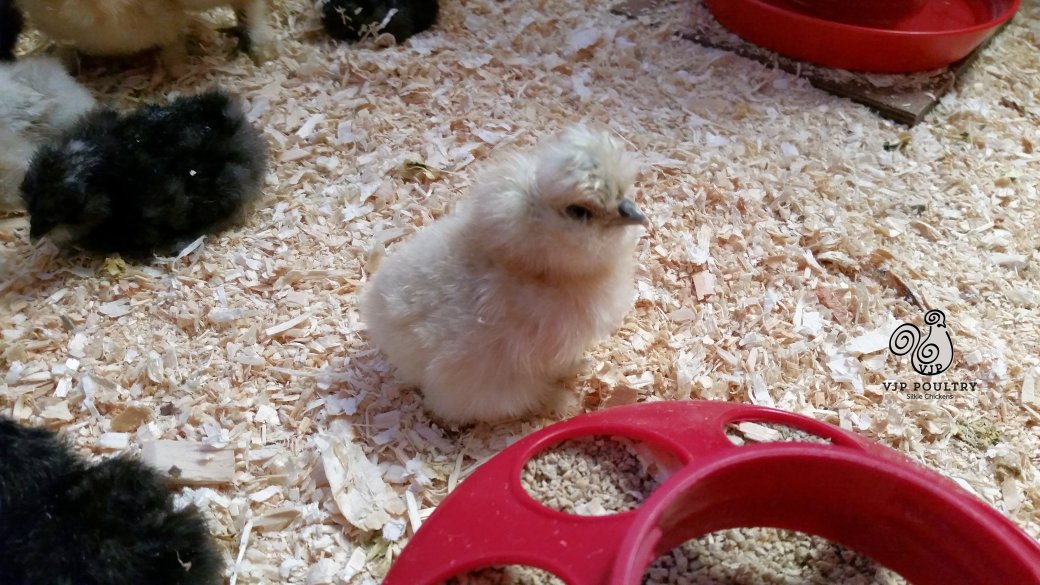
We set a date and went out to see the chicks. Victoria (owner) met us and gave us some time in the chick room. It was nice to have some time to check all the chicks out and discuss our options without feeling the pressure of picking right away. When she came in, she was able to guide us in the right direction. We really wanted a few splash chicks so she went upstairs and brought down some 4 day old babies. We fell in love and decided to take them.
Along with the chicks, she provided us with some bedding and a little sheet giving us tips on how to care for young chicks as well as a copy of their certification. We were very pleased with our experience and will be returning for all of our future Silkie purchases! I highly recommend them and if you are anywhere in MN or surrounding states, go check them out as they do not ship. Tell them Ashley with Cage-Free Mom sent you!
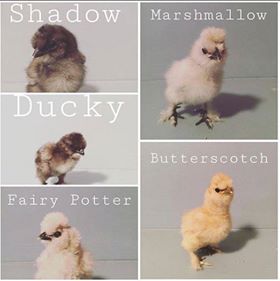
Stay tuned for pictures of our new chicks! (Shadow, Ducky, Butterscotch, Marshmallow & Fairy Potter)
You can find more blogs from Cage-Free Mom here. Text and lower picture by Ashley Molin – The Cage-Free Mom
For tips and tricks for raising outstanding silkies check out our Chicken Learning Center at VJPPoultry.com . VJP Poultry is an NPIP and state inspected hatchery located 30 miles north of St. Paul. We hatch out silkies all year long so we always have stock available. Like us on Facebook to get weekly updates on what we currently have for sale.
Victoria J. Peterson
Feeding Strategies for Silkie Chickens in the Winter
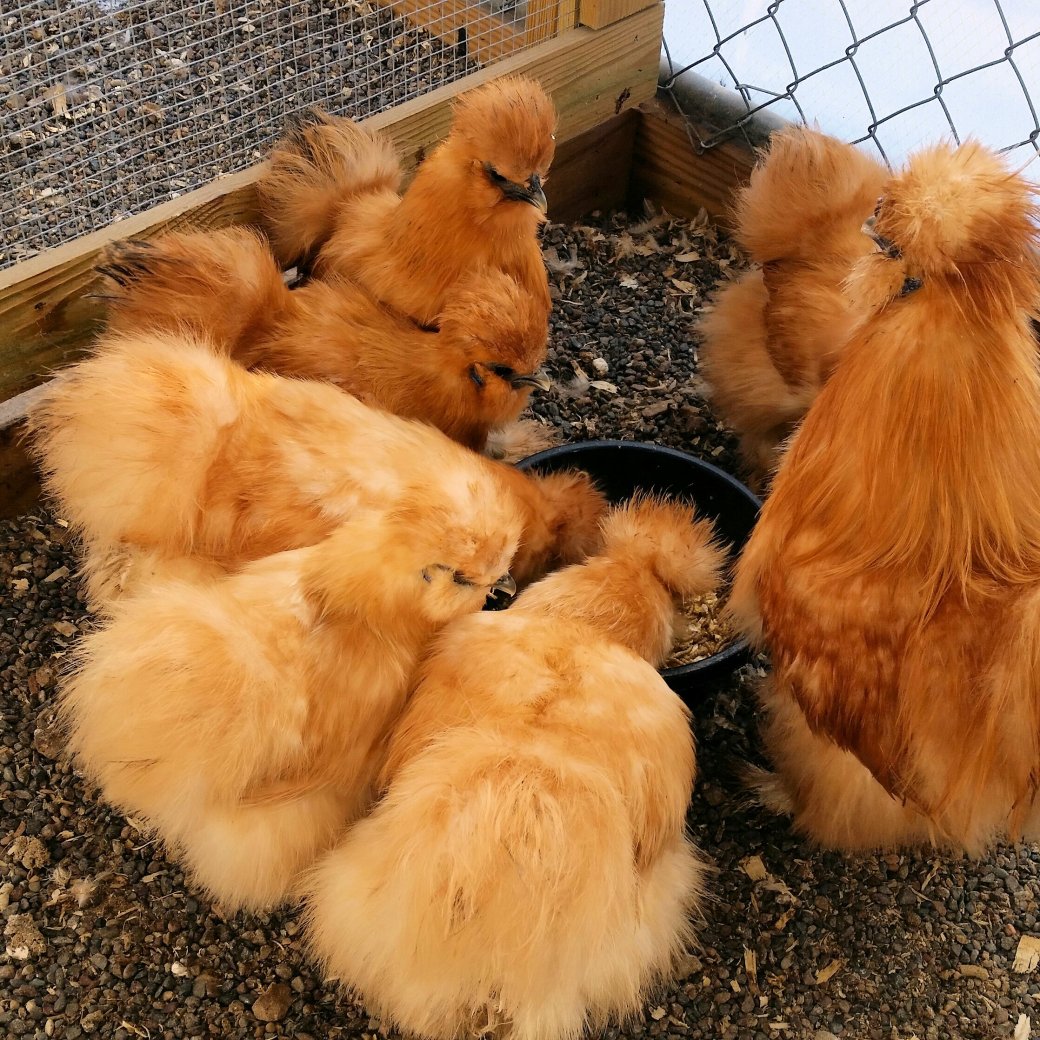 Feeding chickens in the winter is a little different than feeding chickens during the rest of the year. During nice weather, chickens love to forage and free range in the pasture looking for the choicest bits of protein and green roughage. They are so happy and content and their minds are fully occupied. In the winter, however, there are limited opportunities to free range. They do not like snow and in Minnesota their chance of finding bugs is slim to none.
Hens that are laying eggs need extra protein all year round and its not just the right kind of food but the right amount of food that is important as well. As winter approaches , a chicken’s feed consumption will be 1.5 times the amount they eat in the spring and summer. You will notice an increase in your feed bill and you will be filling those feeding dish more often.
This increase in food consumption is due to the fact that they are coming off of their fall molt and need energy to regrow feathers. They are also using more energy in order to keep warm in the winter. They can’t just put on another sweater. They have to generate body heat to keep themselves from freezing. If they were free rangers they no longer have access to free food in the form of bugs and greens. Instead they will be increasing their feed consumption in their feeding bowls.
The most important thing to remember when feeding in the winter is to make sure that they are getting plenty of their regular, nutritious feed. Some people have their hens on layer food which has calcium in it. It is around 16% protein. I like to feed mine a Gamebird feed which has a higher percent of protein. I think that silkies benefit all year round from that higher 24% protein. These basic feeds are created to give your bird the correct amount of vitamins and minerals that they need. This is what they should be eating most of the day. Add Oyster shell to the feed for eggshell development. I also put vitamins in their water because I think that silkies need that extra amount of nutrients.
Carbohydrate treats help to keep your birds warm especially on exceptionally cold days. The best sources are what you would find in chicken scratch. Cracked corn, oats and wheat. Scratch scattered around the coop or run will also give the birds something to do and keep them occupied. Remember to offer grit with the scratch. In the winter the small rocks in your run may be covered in snow not allowing the chickens to find their own grit. They need the grit in their crops in order to grind up these scratch grains.
Some people make a nice bowl of warm oatmeal for their chickens on cold mornings. It is a great treat to warm up their insides. Just use regular breakfast oatmeal but make sure that you are not serving it too hot. Cracked corn is a wonderful winter treat. I give mine to my silkies right before bedtime. They will go to bed with a full crop and be warm all night. Watch out for cracked corn turning white silkie’s feathers a yellow tinge on their necks and crests. I usually feed oatmeal instead of corn to the whites. Also, be aware that too many carbohydrates will make your chickens overweight. A heavy hen is not a good layer so be careful with the amount of treats. Treats should be given later in the day as the birds need the nutrients from their main feed first.
Sprouting grains and fodder is a great way to bring the goodness of the outdoor summer pasture all year round. Sprouting grains can increase the enzyme, vitamin and protein content of any seed. I have sprouted and fed my birds both oats and wheat. If you would like to learn how to sprout check out “Sprouting Grains and Growing Fodder” in our blog archives.
Live mealworms can be grown at home or ordered as a fun protein treat. You can grow them using wheat bran as bedding. If you are not sure that you want to deal with live mealworms, they also have the dried form which the birds also enjoy. You can also order live crickets which your hens will have no trouble gobbling up. There are freeze dried crickets as well.
Boredom is common during the winter in the coop. You don’t want the birds to turn on each other in desperation for something new and interesting to do. Try hanging a cabbage or head of lettuce in one of these treat balls. They will spend hours trying to get at those leafy vegetables. Be sure and feed extra greens such as kale, collard, chard and spinach. Leftovers from your salads are great for them as are any kitchen scraps.
Flock Blocks are popular because they lasts a long time. Chickens have an instinct to peck at things. Better to have them pecking at a flock block than pecking at each other during the winter months.
If you are offering treats to your flock outside in the winter, make sure that you are placing it in some kind of bowl or feeding dish. The ground can be very wet outside in the winter. If you sprinkle food on the ground it will get soggy. Birds do not like soggy food. Make sure you clean up any left over food and pellets. If you don’t it will attract pests such as mice. Store extra food safely in sealable containers so you don’t attract predators.
For tips and tricks for raising outstanding silkies check out our Chicken Learning Center at VJPPoultry.com . VJP Poultry is an NPIP and state inspected hatchery located 30 miles north of St. Paul. We hatch out silkies all year long so we always have stock available. Like us on Facebook to get weekly updates on what we currently have for sale.
Victoria J. Peterson
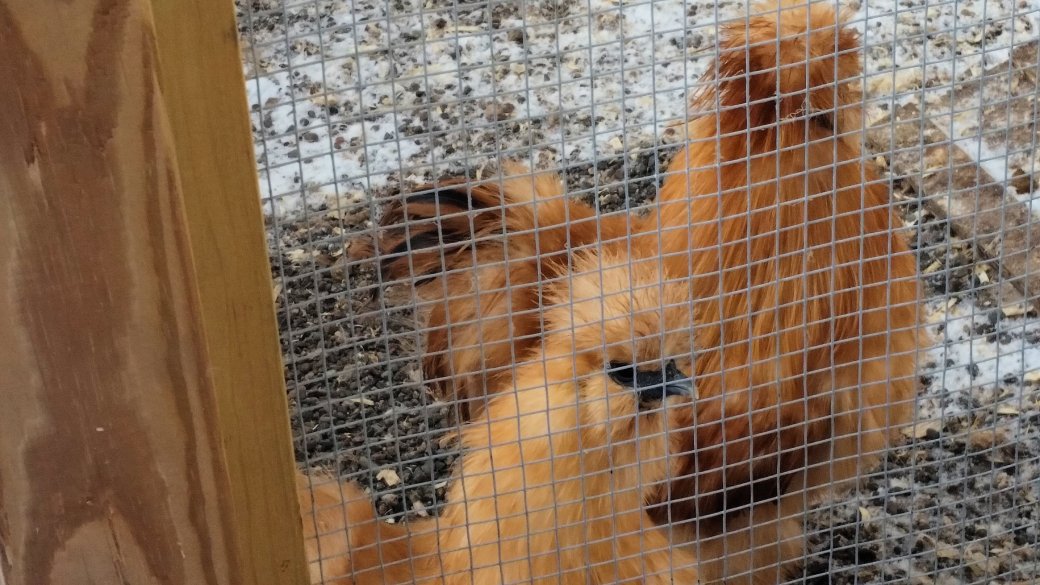
Silkie Starter Kit – What You Need Before the Chicks Arrive
 As with any pet, it is important to plan ahead and purchase any equipment and supplies you will need before you bring home the actual animal. This is especially important with baby chicks.
If you plan on purchasing newborns or one week olds, you will first of all need to have a heat lamp and a heat lamp bulb to go with it. The heat lamp should be up and running before you bring the chicks home so that they can immediately warm to the right temperature after their car ride. When setting the heat lamp up, do not rely on just the clamp that comes with the fixture. Use mechanics wire to hang and secure the lamp over the brooder. The lamp should be able to be raised or lowered as needed to keep the chicks at the right temperature. This temp should be around 85-90 degrees when they are very young. Use their behavior as a guide. If they are too cold they will huddle under the lamp and cry. If they are too warm they will try and get as far away from the bulb as possible. You want them comfortably moving to all parts of the brooder.
I bulb should be a red infrared variety. I think those are the best so that the chicks can experience a night time cycle. It can also keep down the pecking of each other that can occur when there is the stress of constant daylight.
Any type of a tub can become a brooder. You will need to line the brooder with animal bedding to absorb moisture. I use pine shavings. I change the bedding about once a week and throw the used bedding on my garden to act as a mulch and fertilizer.
Your silkie chicks will also need a feeder and a waterer. Quart size is best when they are small chicks. Later you can get the gallon sized. I like to add a couple of things to the water for the silkie chicks. Vitamins with electrolytes can be added to give them a good start. I also add a splash of apple cider vinegar to help with digestion and general health.
Young chicks should be given chick starter until they are at least 10 weeks old. They can eat it longer than that, but you may want to switch to a grower feed. Chick starter is high in protein. Use medicated until they are around six weeks old and then switch to regular chick starter. Medicated can help their developing immune system to fight coccidiosis.
On my website near the top, there is a page called Silkie Supplies. There are some suggested products there to guide you in deciding what you need to start in silkie chickens. Good luck with your new pets!
For tips and tricks for raising outstanding silkies check out our Chicken Learning Center at VJPPoultry.com . VJP Poultry is an NPIP and state inspected hatchery located 30 miles north of St. Paul. We hatch out silkies all year long so we always have stock available. Like us on Facebook to get weekly updates on what we currently have for sale.
Victoria J. Peterson
Mink – A Silkie Chicken Predator
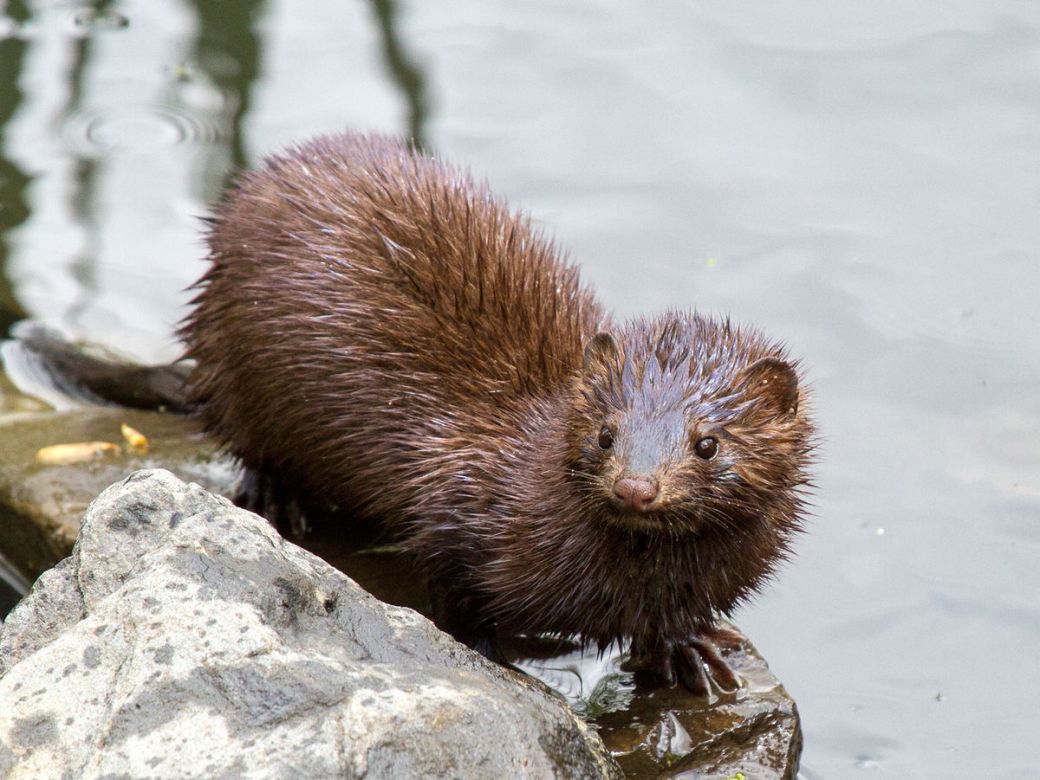
Most of you have heard by now about the more than 30,000 mink that were released in Stearns County, Minnesota this week. Most, sadly, will die of heat and starvation, but I can’t help but wonder if some won’t learn to adapt and survive. Mink are predators to chickens. I have heard many stories already this year about whole flocks being decimated by mink. Because they can get through such tiny spaces, they are difficult to deter. At VJP Poultry we are always on the look out for any predator that could hurt our flock.
Mink are a member of the weasel family. They are native to North America. They have a long slender body and short webbed feet. They are excellent swimmers. They have a long tail which takes up one third of its body length. They have thick, glossy fur, usually brown to black with a patch of white under its chin and throat. Their fur is waterproof.
Mink are found throughout the United States and Canada. They have little fear of humans and have been found in sheds and outbuildings used by man. It spends a lot of its time inside water, hunting for prey. They are solitary animals that mark its territory. They usually live alone. Mink mating season is February to April.
Mink are carnivorous and hunt prey larger than themselves. When mink are threatened, they usually snarl and hiss and release a scent that advertises its territory. They will purr like a cat when happy.
They are usually found in wetland environments near streams, rivers or lakes. They live in burrows of muskrats or in cavities made by streams or trees. They are nocturnal and hunt mostly at night, however, they can also be active during the day. Mink can both swim and climb trees. Since they are good swimmers, they dive and catch fish and feed on muskrats, rabbits, frogs chipmunks and snakes. They kill their prey by biting them in the throat.
Mink are vicious predators of chickens. They will kill every chicken in a run or a coop. They do not eat the chickens they kill. They drink the blood of their prey. This is their motivation, to kill every bird they can find.
Their long bodies allow them to squeeze in any pen. They will continue to return to a pen to strike again and again.
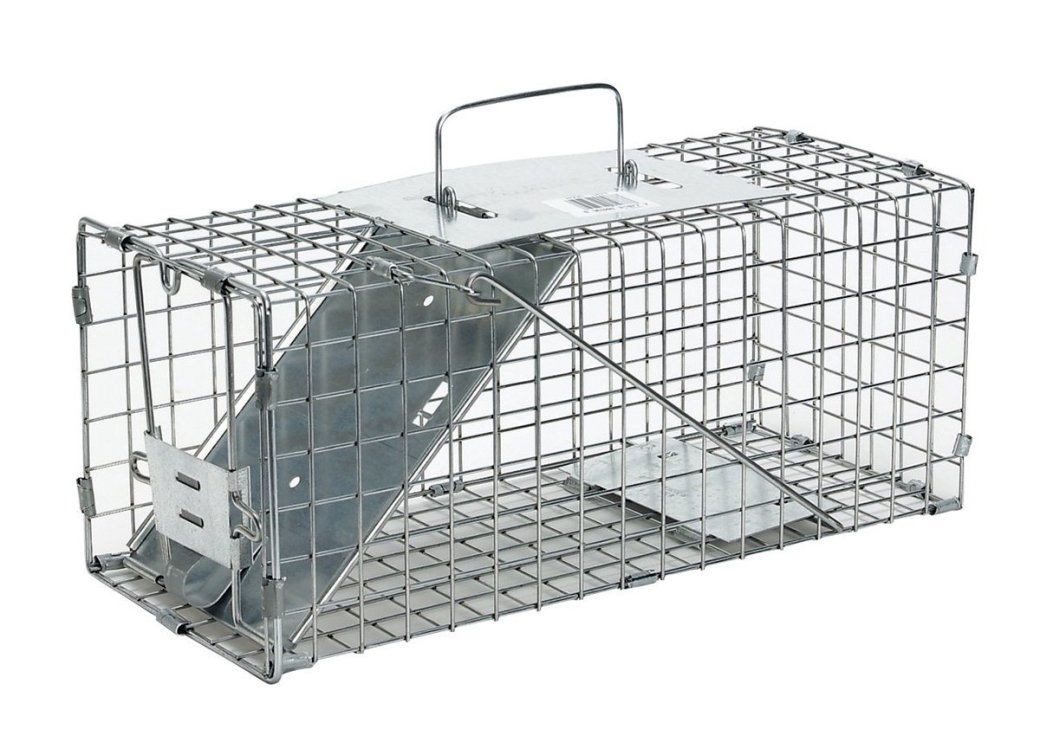
If you think you have a mink problem, try setting a live trap. Bait could be fish or fresh meat. Bloody meat works well. You may be able to rent traps from your local feed store.
 Keep your coop secure with no gaps that they could squeeze through. Mink can crawl through holes as small as one inch diameter. They are also excellent diggers and chewers and can come into your coop from underneath. Concrete floors in the coop are good or use paving slabs to slow them down. You may want to bury some hardware cloth along the bottom of the fence.
Be vigil as always around your chicken coop. The very best advice is to always lock up your birds in their coop every evening. Do not leave them in the run overnight or you are asking for trouble. Good Luck and keep them safe!
For tips and tricks for raising outstanding silkies check out our Chicken Learning Center at VJPPoultry.com . VJP Poultry is an NPIP and state inspected hatchery located 30 miles north of St. Paul. We hatch out silkies all year long so we always have stock available. Like us on Facebook to get weekly updates on what we currently have for sale.
Victoria J. Peterson
 VJP Poultry