Does a Silkie Need a Christmas Gift? 12/05/16

I have always loved this video – VJP Poultry’s- Ballet of the Unhatched Chick- because it shows chicken’s somewhat playful side. Some people refer to this as “Chicken Football” because they are all chasing after the one meal worm that someone has in its beak.   Do chickens play? Do they get bored? Do they require a gift at Christmas? These are all questions people have asked about their birds.

Well, Cyber Monday is over, but there is still time to order your chickens a few treats online before December 25th.  Most of the customers at VJP Poultry consider their chickens to be family pets. They lavish love and attention on their silkies and I would bet      that some of them are planning a few Christmas surprises in their chicken’s stockings.

Most gifts are the kind that silkies can eat or the kind that silkies can play with. Let’s start with the chicken toys. Most of the chicken playthings are balls that can be filled with treats. The chicken pushes the ball around and treats fall out. Some of the balls are more complicated and the chicken needs to work at it to get the treats out. An example would be Lixit Chicken Toy  or Peck and Play Ball .

The toy that I liked the best was the Chicken Veggie Ball .It is described as “an entertaining way to provide nutritious treats to a backyard flock”. You can put a head of lettuce or  cabbage inside it and watch your flock kick it around like a soccer ball. This idea has been around for a long time. Oldsters used to tie a rope around a head of cabbage and hang it on a hook inside of the coop for the same effect. All of these toys are good boredom busters for your birds in the wintertime.

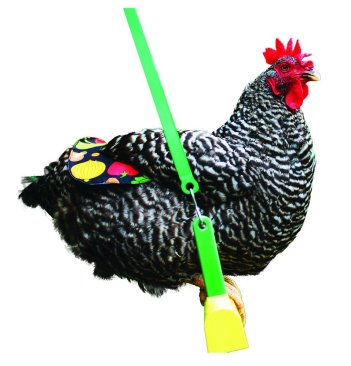
The most unusual toy was the Chicken Swing. The chicken hops on and is able to pump the swing back and forth. Probably not the best gift for a silkie as they may have a hard time jumping on , but other breeds seem to swing just fine on it.

Silkies always like special food treats. There is the Flock Block which lets them peck away and find treats of corn and seed. They are manufactured by many different companies and you should find it at your local feed store.

The treat my flock loves the best are meal worms.  Real or freeze dried, they go crazy for them. I have, in the past, kept a meal worm farm going in my house. The live worms are a great source of protein and a wonderful way for you to bond with your bird. They will come running every time they see you if they think that you have worms for them in your apron pockets.  You can also purchase freeze dried worms from Happy Hen Treats .

There has been a craze of late for putting chickens in sweaters and other kinds of outfits. You are not doing your chickens any favors by doing this. It will compromise their ability to self – regulate their body temperature. Best to leave the clothes off the birds unless it is Chicken Diapers for inside of the house. You can give them a little jewelry by giving them leg bands that have charms on them.  If you are looking for a gift for a guy, check out Gifts For Guys Who Like Chickens.  We also have Gifts For Silkie Chicken Lovers for anyone who likes silkies.

If you are interested in gifts for the Chicken Lady or for chicken loving kids or gifts for the home for chicken lovers check out our weekly silkie blog at VJPPoultry.com. We also have silkie basics at Silkie Supplies.

So, do chickens play? I think so. All animals play. I know that the chest bumping I see among juvenile silkies seems to have a very playful nature to it. Do Chickens get bored? Yes, often this will result in pecking to the extreme. Do they need Christmas gifts? That’s up to you. I know that my little silkies will be getting some nice meal worms come Christmas Eve.

For tips and tricks for raising outstanding silkies check out our Chicken Learning Center at VJPPoultry.com .  VJP Poultry is an NPIP and state inspected hatchery located 30 miles north of St. Paul.  We hatch out silkies all year long so we always have stock available.  Like us on Facebook to get weekly updates on what we currently have for sale.

Victoria J. Peterson
chicken-swing

Using Plastic on the Silkie Chicken Run – 11/26/16

The first snowstorm is upon us so at VJP Poultry it’s time  to make sure that the plastic is up and covering the chicken runs. We have used plastic on the runs for many years. In the past we have hung cheap plastic from rolls. It looked great at the beginning of winter, but pretty droopy by the end. This year we decided to use something else.

I like using the plastic for several reasons. First of all, it keeps the snow from coming into the run. My silkies do not like walking on snow and will avoid it at all costs. They will not leave the coop if they see snow out their door. The plastic will also keep the rain out of the run keeping the ground dry. The silkies will look nicer for not having mud on their feet and feathers.

The second reason I like hanging plastic around the runs in the winter is that it cuts the wind and makes it warmer the run. It kind of creates a greenhouse effect inside of the run which makes it more inviting for them to come out in colder weather.  I make sure that the plastic is up on the North side and the West side. That is where the cold wind will mostly come from in the winter.  I kind of leave the South side a little more open to help with ventilation. You don’t want the plastic so tight that fresh air is not getting in.

We are trying a new kind of plastic this year Instead of using plastic that comes on a roll, we ordered clear tarps  that have built in grommet holes.  The tarp also has lines running through it to keep the tarp stronger and to keep it from ripping in the wind.

We placed eye hooks in the wood along the bottom of the run.  The grommet holes fit into the hooks and secure the tarp.  We then use ball bungee cords at the top to fasten the tarp down. Hopefully this clear tarp can be easily taken down and put up for many years to come. We also use zip ties where needed to keep the tarps secure.

I don’t usually take the plastic down until it has warmed up in the spring. Even after the snows have stopped it still keeps the spring rains out. It can also keep some predators out of the run as well.

Winterizing the chicken coops and runs is an important task. You want them warm and snug, but really what they need is to be free from cold drafts, to stay dry, to have the air well ventilated and to keep the waterers open and not frozen over. If you can keep those things in mind when winterizing, you will be keeping your silkies healthy and happy this winter.

For tips and tricks for raising outstanding silkies check out our Chicken Learning Center at VJPPoultry.com .  VJP Poultry is an NPIP and state inspected hatchery located 30 miles north of St. Paul.  We hatch out silkies all year long so we always have stock available.  Like us on Facebook to get weekly updates on what we currently have for sale.

Victoria J. Peterson

How to Keep a Flock History 11/07/16

20161031_180456

A flock history is basically a written record or diary of anything and everything pertaining to your flock. I use school notebooks and my computer to keep records of everything I do with my chickens. If you start it right away, you can keep a very accurate account of facts about your flock.

Start by noting the date of hatch, the source – who you got it from, the breed and anything the seller tells you about the bird’s past history, and any medical certificates that came with the birds.

I have a pedigree file on my computer where I list all of the birds I presently have. It is  a Microsoft Excel spreadsheet. I list the breed, what color it is, what band number it has, date of hatch, where I purchased it, and if it is male or female. If I know for sure who the father was I will include that as well. I can then sort according to the information I need. Usually , that would be sorting by age or by color. If I lose or sell a bird, I simply delete it from the list.

I have a different spreadsheet for managing the business end of things. I found a nice spreadsheet on Backyardchickens.com that someone created specifically for chickens. If you search on that site for “chicken spreadsheet”, you should be able to locate it. It keeps track of everything – customers, how much you sell, what your expenses were that month, etc and you have a summary page for the end of the year where you can compare each month. It is nice to know if your chickens are paying for their upkeep.

I keep medical records in a paper notebook. If any birds are sick, I will note symptoms and remedies tried. You could also document your feeding a management practices and any changes you make. Sometimes I need to keep track of a new breeding program. Who was mated with who.

It is important to write things down as you go along. It may seem like extra work at the time, but later it will be easier to look back than just relying on your memory, especially if you are trying to trace a health problem. When you experience a problem, it is hard to remember all the little details you thought you’d never forget.

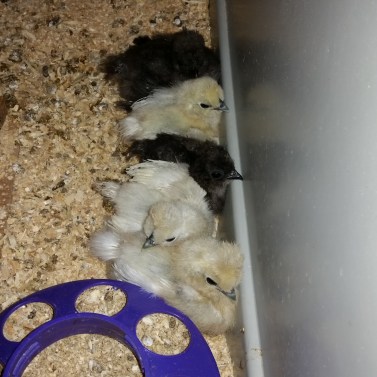
Each week I keep track in my Chick Notebook how many chicks I have in each pen and what color. I use markers in different colors to make it easy to see what color birds I have at a glance. As chicks are sold, I adjust the numbers so I always have an accurate account of what I have for sale. If I notice any abnormalities in the pens, I will mark those down. Sometimes I will guess on ages. I will record those guesses as well. Then the next week, I will check back and see if I still feel the same way about its gender. I keep track of the ages in the pens so I always know how old the chicks are. Sometimes colors can look very similar. A black and a dark blue can almost look the same. I will keep those colors separate and write down which is in each pen.

One other system I have tried is to keep a notebook with a page for each bird. This is an easy way to keep track of the age, what problems it experienced, when it was sold or died. You can look back over the years and see if there are any patterns developing with your flock.

Keeping an up to date flock history is an important part of my job at VJP Poultry. In the long run it makes for a valuable document that can improve your chick’s health and well-being.

For tips and tricks for raising outstanding silkies check out our Chicken Learning Center at VJPPoultry.com .  VJP Poultry is an NPIP and state inspected hatchery located 30 miles north of St. Paul.  We hatch out silkies all year long so we always have stock available.  Like us on Facebook to get weekly updates on what we currently have for sale.

Victoria J. Peterson

20161105_140206.jpg

Why Roosters Are Important To Your Silkie Backyard Flock 11/01/16

20161018_133335Hens don’t need a rooster in order to lay eggs. Without a rooster, the eggs are infertile. They won’t develop into young chicks. If you are interested in breeding your own hens, then you will need a rooster. Hens, however, will lay eggs without having a rooster around.

A virile rooster will mate  frequently with most or all of the hens in its coop, no matter what the breed. A good minimum ratio is 8 to 10 hens per rooster.

A rooster will serve as a guard and defender against perceived and actual danger. He’ll scan the sky and ground looking for potential predators. He will warn the hens if he senses danger. Some roosters will defend their flock with their life. They will normally position themselves between the flock and the outside unknown.

He’ll seek out food for the flock and alert the other backyard chickens that he’s found something tasty. Usually he’ll stand back and let the hens get started before he begins to partake himself. It is fun to see them “tidbit” call the girls. He will sing to them and court them by dipping his wing and dancing around them. All the girls are more relaxed since they know that he is on guard.

Roosters do crow and some people really like that sound. Some people think that silkies have a quieter crow than other breeds. I think that it really depends on the individual rooster. They all sound slightly different and I can tell which rooster is crowing by his individual sound.

A rooster is a handsome bird. It is fun to watch him strutting around the yard and being in charge. Generally, the more a cockerel is handled as a chick, the less likely he is to become an aggressive rooster. Again, some people think that silkie roosters are less aggressive than other breeds. It depends on the individual rooster.

Within each flock there is a social order, or pecking order, that exists among  the hens. A rooster will help maintain order by breaking up fights in the hen house. The rooster will keep them focused on him.

Many people like to watch the interaction between the rooster and the hens. Each has his own personality and can be quite entertaining. If a flock consists of only hens, typically one hen will take over the running of the flock. This can lead to aggression. Some hens take it so seriously that they can begin to crow.

I’ve had flocks of just hens before, and I can say that my hen’s truly seem happier with one or two good, responsible roosters around. Roosters will look after the hens, alert them to food and even help them find good spots to lay their eggs.

For tips and tricks for raising outstanding silkies check out our Chicken Learning Center at VJPPoultry.com .  VJP Poultry is an NPIP and state inspected hatchery located 30 miles north of St. Paul.  We hatch out silkies all year long so we always have stock available.  Like us on Facebook to get weekly updates on what we currently have for sale.

Victoria J. Peterson

20161019_115944silkys

October Fall Chores at VJP Poultry 10/29/16

20161028_113851October is the time of year for finishing what didn’t get done this summer and planning for what will be happening this winter. One big project that needs finishing up is our new coop and run. We started it last fall and we still need to put the last finishing touches on it.

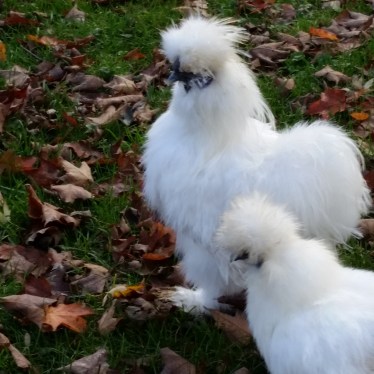
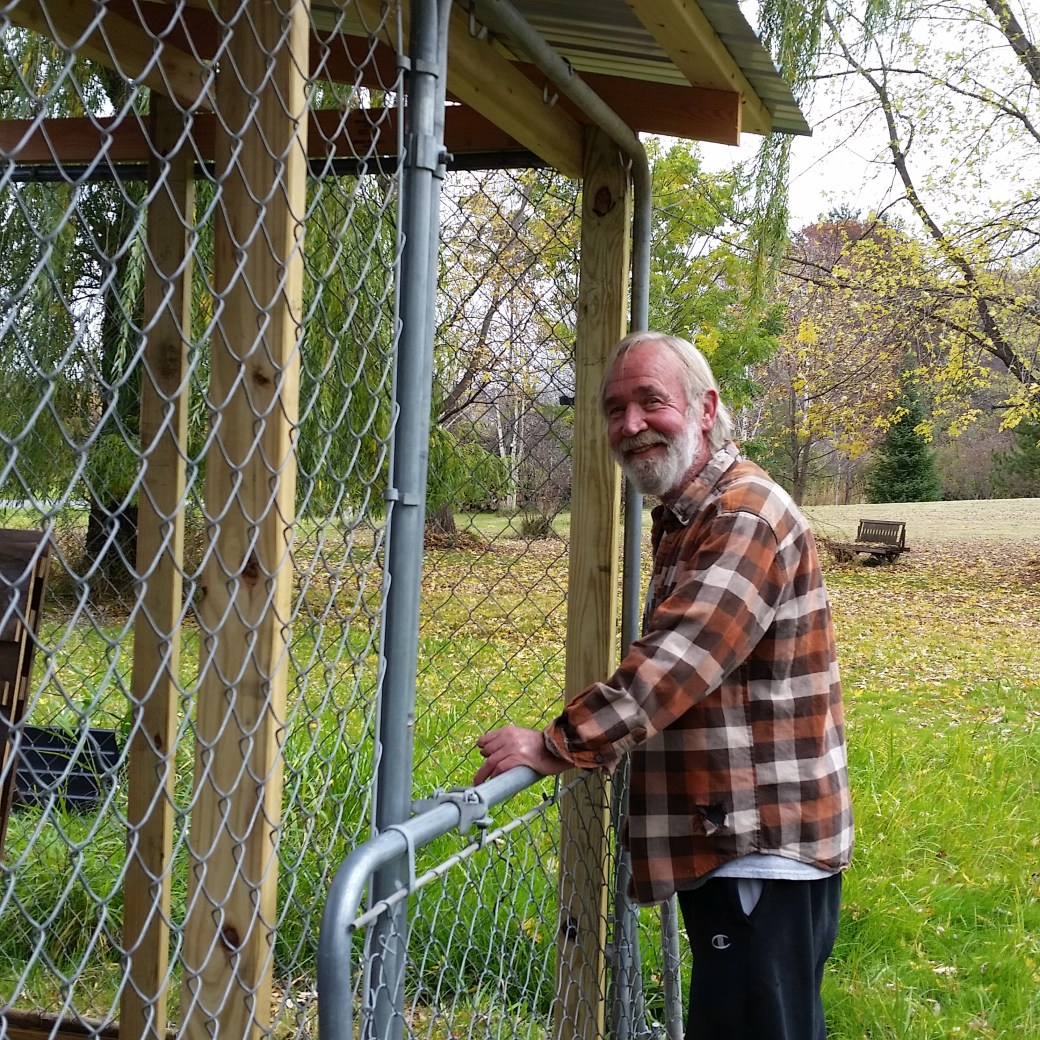
My husband, Dennis, is the handy man in our family. He has been busy this month finishing ramps and doors for the four pop door openings in the new pens. We painted today (purple) and hoped that the white silkies stayed white and did not turn into purple Paints!  We also finished up the fencing in the run and closed up any holes that are left.

Since October is the month for planning, we measured all of the runs for the plastic sheeting we wrap around. In past years, we used clear plastic that came on a roll. We measured, cut and zip tied it but by spring it looked pretty beat up.

This year we are going to order clear tarps that have grommet holes. They will cost more than the roll of plastic , but we will be able to use them for possibly three years. Again, we will use zip ties and bungee cords to hang them. They keep snow out of the run and create a kind of greenhouse effect inside it. The plastic cuts the wind and lets the silkies come out of the coop when it is well below freezing.

While ordering the tarp, I decided to also stock up on heat lamp bulbs. I ordered six 125 watt bulbs to be used in the chicks room. Better to have some on hand than to have a crisis occur and be out of them.

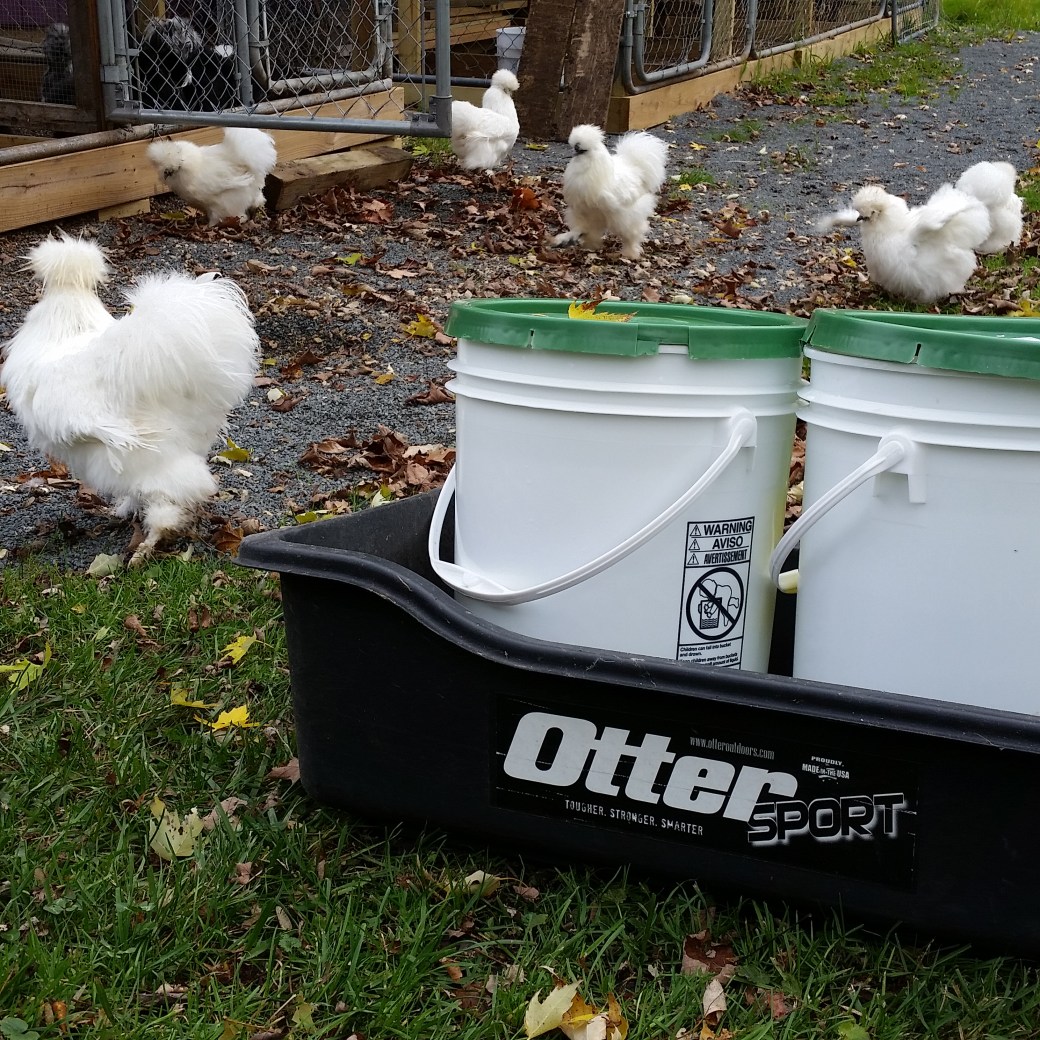
Another chore to plan for is water transporting. By the end of October the hoses are put away and I need to start carrying water out to the coops. In previous years, I carried the water in two, 5 gallon buckets. Not my favorite chore. This year I will need twice as much water since we added another coop. I found a few 5 gallon buckets with lids which will work nicely. I plan on using the  otter sled to bring the water down to the coops. Always trying to improve the way we do things around here.

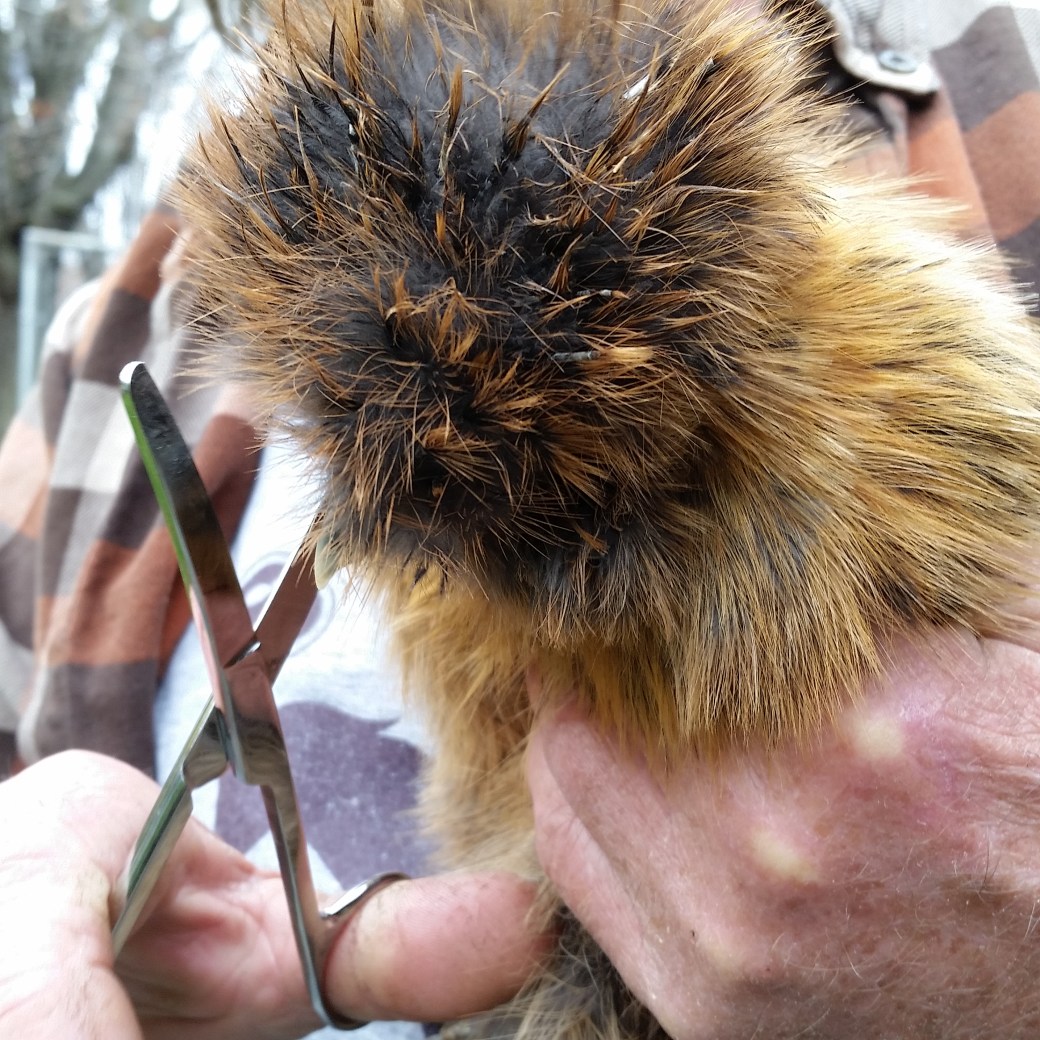
One last chore is to go through all of the birds individually. We check to see whether it can see. If not , we trim the feathers around the eyes and underneath the eye with curved scissors. We trim the beak and trim away any long toenails with diagonal wire cutters.  We are now set for winter. The birds will be snug in their coops. All it takes is a little October pre-planning.

For tips and tricks for raising outstanding silkies check out our Chicken Learning Center at VJPPoultry.com .  VJP Poultry is an NPIP and state inspected hatchery located 30 miles north of St. Paul.  We hatch out silkies all year long so we always have stock available.  Like us on Facebook to get weekly updates on what we currently have for sale.

Victoria J. Peterson

20161028_122410

20161028_121929