Heat Lamp Use at VJP Poultry – 12/20/16

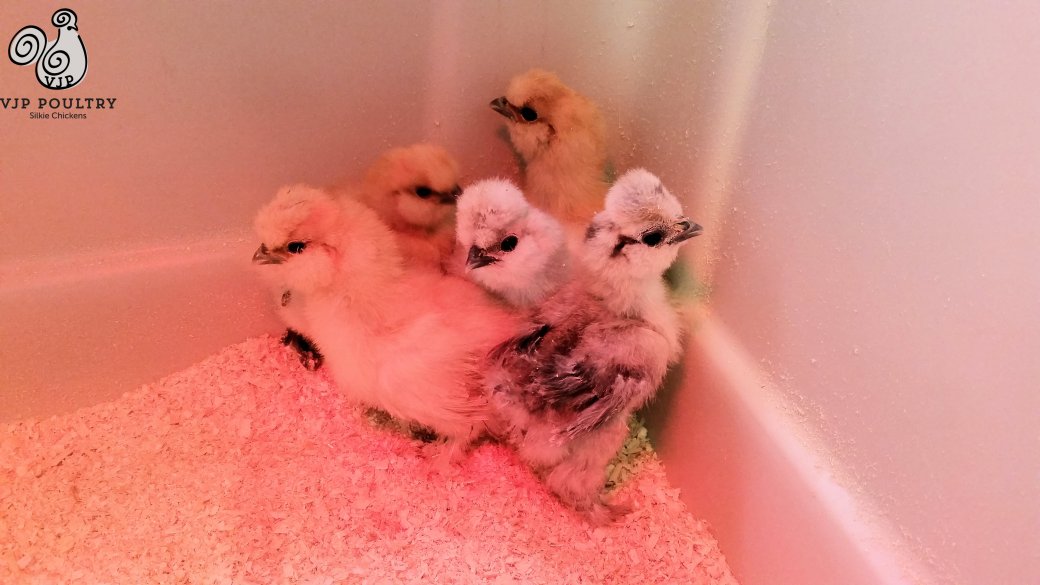
20161123_120428    Now that the weather is getting colder, I have a lot of VJP Poultry customers asking me about using heat lamps in their coops. People are concerned that their silkies will not be able to stand the cold of a Minnesota winter.

My use of heat lamps has changed dramatically since I started raising silkies seven years ago.  I used to worry that my silkies would die from exposure. I had 250 Watt heat lamp bulbs hanging in every color pen the entire winter. Some even had two hanging in them.  My electric bill was crazy. I kept the windows open only a crack and tried to raise the temps as high as I could inside.

After seven years of experience , I now rarely turn on the heat lamps in my outside coops. The silkies are fine. They actually are very winter hardy. They have a small comb so you don’t need to deal with frostbite issues. They aren’t fond of snow but they do love to go out into their runs no matter what the temperature. What is cold for a human is not cold for them. Think about all of the woodland birds. They do just fine in the cold Minnesota winter.

I have one 250 Watt heat lamp above each waterer just in case it gets really cold. I did have them all on during the spell of -40 windchill. They shouldn’t be thought of as a way to heat an entire room. They only heat what is directly below them. If it gets to be around -10 I will flip the heat lamps on. My waterers are heated a different way (from below) so I don’t need the heat lamps unless it is super cold and the water is staying frozen.

I do use heat lamps in my baby chick room. I like to use the lower 125 watt bulbs. They are not as hot and not as expensive to run. I will use a heat lamp over the newborns and the one week olds  I don’t always use it over the two week old, but I could if I needed to. The chicks are in a small room off of my garage. The room is not heated with central air, so I also use a standing space heater to keep the entire room warm during January.

I am very aware that heat lamps must be hung securely. I use chains and wire so I can adjust the distance down to the brooder. I do not rely on the clamps that come with them. Heat lamps that are not secure and fall can easily start a fire. Make sure that the hoods are wiped clean of dust and that you also blow out the outlets with an air hose.

Heat lamp bulbs gradually become less strong the longer you have used them.  You are still paying for the same amount of electricity from the 250 Watt  bulb, but you are not receiving the same amount of heat the longer you continue to use it. When I feel that its not as strong anymore, I generally switch it out for a new bulb.  I don’t want the surprise of it burning out when I really need it over newborn chicks. The 125 Watt bulbs are harder to find so we order ours online.

Remember, it is not the lack of heat that can cause issues with silkies in the winter. It is the moisture present in the coop. If you are seeing frost on your doors or walls, it is a sign that there is too much moisture and not enough ventilation.  Open the windows, but keep the drafts off of the sleeping birds. I use pillow cases stuffed with old T-shirts and place them in front of the pop holes to block the drafts on the floor.

Electricity from heat lamps can be costly. One 250 Watt heat lamp costs about 90 cents a day to run. Add a space heater and that would be an additional $1.80 a day to run.

At VJP Poultry, we use heat lamps as sparingly as possible. They are necessary for young chicks in the first few weeks of life. Make sure they are hanging securely and change out the bulbs when they start losing their heat. They can be a useful part of your breeding program.

An alternative to heat lamps brooder heat plates. There is less of a chance of fire with these.  You can also use the sweeter heaters that are hung from a chain above the chicks. This would be a more secure way of doing it.

For tips and tricks for raising outstanding silkies check out our Chicken Learning Center at VJPPoultry.com .  VJP Poultry is an NPIP and state inspected hatchery located 30 miles north of St. Paul.  We hatch out silkies all year long so we always have stock available.  Like us on Facebook to get weekly updates on what we currently have for sale.

Victoria J. Peterson
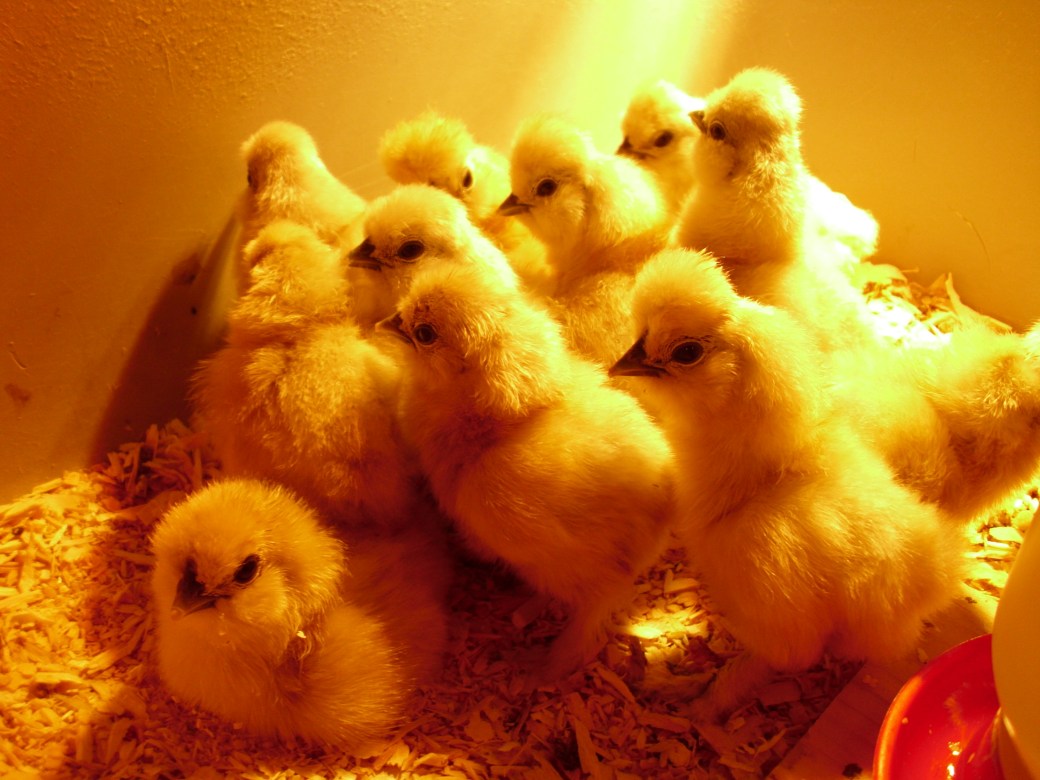
VJP Poultry newborns 4

Does a Silkie Need a Christmas Gift? 12/05/16

I have always loved this video – VJP Poultry’s- Ballet of the Unhatched Chick- because it shows chicken’s somewhat playful side. Some people refer to this as “Chicken Football” because they are all chasing after the one meal worm that someone has in its beak.   Do chickens play? Do they get bored? Do they require a gift at Christmas? These are all questions people have asked about their birds.

Well, Cyber Monday is over, but there is still time to order your chickens a few treats online before December 25th.  Most of the customers at VJP Poultry consider their chickens to be family pets. They lavish love and attention on their silkies and I would bet      that some of them are planning a few Christmas surprises in their chicken’s stockings.

Most gifts are the kind that silkies can eat or the kind that silkies can play with. Let’s start with the chicken toys. Most of the chicken playthings are balls that can be filled with treats. The chicken pushes the ball around and treats fall out. Some of the balls are more complicated and the chicken needs to work at it to get the treats out. An example would be Lixit Chicken Toy  or Peck and Play Ball .

The toy that I liked the best was the Chicken Veggie Ball .It is described as “an entertaining way to provide nutritious treats to a backyard flock”. You can put a head of lettuce or  cabbage inside it and watch your flock kick it around like a soccer ball. This idea has been around for a long time. Oldsters used to tie a rope around a head of cabbage and hang it on a hook inside of the coop for the same effect. All of these toys are good boredom busters for your birds in the wintertime.

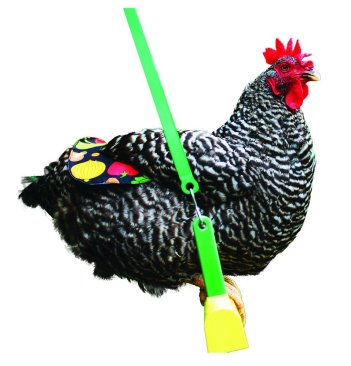
The most unusual toy was the Chicken Swing. The chicken hops on and is able to pump the swing back and forth. Probably not the best gift for a silkie as they may have a hard time jumping on , but other breeds seem to swing just fine on it.

Silkies always like special food treats. There is the Flock Block which lets them peck away and find treats of corn and seed. They are manufactured by many different companies and you should find it at your local feed store.

The treat my flock loves the best are meal worms.  Real or freeze dried, they go crazy for them. I have, in the past, kept a meal worm farm going in my house. The live worms are a great source of protein and a wonderful way for you to bond with your bird. They will come running every time they see you if they think that you have worms for them in your apron pockets.  You can also purchase freeze dried worms from Happy Hen Treats .

There has been a craze of late for putting chickens in sweaters and other kinds of outfits. You are not doing your chickens any favors by doing this. It will compromise their ability to self – regulate their body temperature. Best to leave the clothes off the birds unless it is Chicken Diapers for inside of the house. You can give them a little jewelry by giving them leg bands that have charms on them.  If you are looking for a gift for a guy, check out Gifts For Guys Who Like Chickens.  We also have Gifts For Silkie Chicken Lovers for anyone who likes silkies.

If you are interested in gifts for the Chicken Lady or for chicken loving kids or gifts for the home for chicken lovers check out our weekly silkie blog at VJPPoultry.com. We also have silkie basics at Silkie Supplies.

So, do chickens play? I think so. All animals play. I know that the chest bumping I see among juvenile silkies seems to have a very playful nature to it. Do Chickens get bored? Yes, often this will result in pecking to the extreme. Do they need Christmas gifts? That’s up to you. I know that my little silkies will be getting some nice meal worms come Christmas Eve.

For tips and tricks for raising outstanding silkies check out our Chicken Learning Center at VJPPoultry.com .  VJP Poultry is an NPIP and state inspected hatchery located 30 miles north of St. Paul.  We hatch out silkies all year long so we always have stock available.  Like us on Facebook to get weekly updates on what we currently have for sale.

Victoria J. Peterson

chicken-swing

Using Plastic on the Silkie Chicken Run – 11/26/16

The first snowstorm is upon us so at VJP Poultry it’s time  to make sure that the plastic is up and covering the chicken runs. We have used plastic on the runs for many years. In the past we have hung cheap plastic from rolls. It looked great at the beginning of winter, but pretty droopy by the end. This year we decided to use something else.

I like using the plastic for several reasons. First of all, it keeps the snow from coming into the run. My silkies do not like walking on snow and will avoid it at all costs. They will not leave the coop if they see snow out their door. The plastic will also keep the rain out of the run keeping the ground dry. The silkies will look nicer for not having mud on their feet and feathers.

The second reason I like hanging plastic around the runs in the winter is that it cuts the wind and makes it warmer the run. It kind of creates a greenhouse effect inside of the run which makes it more inviting for them to come out in colder weather.  I make sure that the plastic is up on the North side and the West side. That is where the cold wind will mostly come from in the winter.  I kind of leave the South side a little more open to help with ventilation. You don’t want the plastic so tight that fresh air is not getting in.

We are trying a new kind of plastic this year Instead of using plastic that comes on a roll, we ordered clear tarps  that have built in grommet holes.  The tarp also has lines running through it to keep the tarp stronger and to keep it from ripping in the wind.

We placed eye hooks in the wood along the bottom of the run.  The grommet holes fit into the hooks and secure the tarp.  We then use ball bungee cords at the top to fasten the tarp down. Hopefully this clear tarp can be easily taken down and put up for many years to come. We also use zip ties where needed to keep the tarps secure.

I don’t usually take the plastic down until it has warmed up in the spring. Even after the snows have stopped it still keeps the spring rains out. It can also keep some predators out of the run as well.

Winterizing the chicken coops and runs is an important task. You want them warm and snug, but really what they need is to be free from cold drafts, to stay dry, to have the air well ventilated and to keep the waterers open and not frozen over. If you can keep those things in mind when winterizing, you will be keeping your silkies healthy and happy this winter.

For tips and tricks for raising outstanding silkies check out our Chicken Learning Center at VJPPoultry.com .  VJP Poultry is an NPIP and state inspected hatchery located 30 miles north of St. Paul.  We hatch out silkies all year long so we always have stock available.  Like us on Facebook to get weekly updates on what we currently have for sale.

Victoria J. Peterson

Pea Rock in the Silkie Chicken Run – 11/19/16

One job we tackled at VJP Poultry this November was removing the pea rock in the outside run for both the buff and the black pens and replacing it with fresh pea rock. Both pens really needed it as the pea rock had gotten so high that it was spilling over the wooden frame around the pens and falling out to the outside. This pushes on the chain link and causes it to bend outwards at the bottom. The pea rock packs down on both sides , but has the extra bonus of keeping predators from digging under the fencing.

We have always had pea rock or pea gravel in  our chicken runs. It can be purchased in bags at a Big Box store or it can be bought by the truck load and delivered to your house by a landscaping company. Buying it by the truck load is much cheaper than buying individual bags of it. We, actually, load our own truck and then shovel it ourselves back at our driveway.

One thing I like about pea rock is that it is very clean looking. You can keep it looking that way by raking it every couple of days with a steel rake.  I rake up all of the feathers and chicken poo and place it in a bucket to throw on the compost pile. By keeping this raking up you can make a huge difference in how your run looks and it will keep your neighbors happy by having something beautiful to look at.

I add more pea rock to the run whenever it starts to look skimpy or muddy. I feel like I always want to add more to it in the springtime when the run is wet from melting snow or heavy rains. I usually will just buy bags of it for cosmetic touch ups and save the truck loads for when we are digging the run out.

I feel that pea rock is a good size for silkies. Bigger rock such as regular gravel is harder on their feet and even larger rock can make for an uneven surface to walk on. Uneven surfaces can lead to injuries such as bumble foot.

Since silkies have heavy feather footing, we want those feathers to stay nice. Clean pea rock can keep the feathers clean. The small rock can keep the foot feathers from breaking off as they might with sharper surfaces.

Once a year we dig out the pea rock and the chicken poo dirt that surrounds it. We dig down to the depth of one shovel head. We use a wheel barrow to move the used rock and dirt to a holding pile. Here we use a sieve to separate out the rock from the dirt. The rock can then be added back to the run and the dirt is placed on the garden as compost.

Other people use sand, shavings or straw in their runs. What works in some runs doesn’t work in others. Pea rock is what works best at VJP Poultry. I think that it always looks clean and it can be a good source of grit for birds that do not free range.

November has been lovely and warm this year in Minnesota. This has given us a chance to extend our outdoor chores before the cold weather comes. There is nothing I like better than fresh pea rock to make for one gorgeous looking run.

For tips and tricks for raising outstanding silkies check out our Chicken Learning Center at VJPPoultry.com .  VJP Poultry is an NPIP and state inspected hatchery located 30 miles north of St. Paul.  We hatch out silkies all year long so we always have stock available.  Like us on Facebook to get weekly updates on what we currently have for sale.

Victoria J. Peterson

Why Fall is an Excellent Time To Buy Chicks – 11/11/16

You may have heard people say that they would never buy chicks in the fall because they don’t want chicks spending the entire winter in the house. But, fall chick brooding has some important advantages over spring.

If you purchase in the fall, your chicks will be the right age to begin laying in the spring. They will lay wonderfully once they begin since its typical for them to lay more eggs in the springtime as the days are growing longer. Even breeds such as silkies will be laying at their best and you will be getting plenty of eggs before those who purchase later in the spring.

Another important advantage is that if you start them early in the fall, their laying is delayed until your birds reach a larger size. They will lay generally larger eggs throughout their lives and they will lay with more consistency.

If you do decide to raise chicks in the fall remember to be prepared to provide adequate heat to help your young birds transition to cold outside weather. The goal for them is to be fully feathered and able to deal with temps down to 32 degrees at 5 weeks and down to zero degrees at eight weeks.  Whether they can handle lower temps depends on how well they have feathered and how much they are used to being in cooler temperatures.

The garage is a great place to get them acclimated to lower temps. Start taking them down in temperature as soon as they appear able to handle it. Playtime outside can help with this. More chicks will generate more warmth as they huddle together. You might try increasing the number of chicks in your brooder. If you need more space, you could move them out to the coop with a heat lamp at night.

One way to think of it, is to image how the chick would be doing if it were being raised by a mother hen. At four weeks the chick would not be under its mama hardly at all. They would be out and about looking for tidbits of food.

Exposure to the cold encourages  them to feather out faster. Broody hen chicks are much faster at feathering out than brooder raised chicks.

Staggering the ages in your flock by purchasing chicks at different times in the year, works well. It is not always a good idea to have all of your birds at the same age. If you buy some in the fall and more in the spring, you can escape the issue of them all molting at the same time or all going out of lay at the same time. You will have a steadier amount of eggs if you include different ages in your flock.

If you are interested in open class poultry showing, fall chicks will be more fully grown than springtime chicks. They will show better in competition . These shows are usually held in the late summer and fall, right when the fall chicks would be at the one year old mark. Silkies are a slow maturing breed, so buying in the fall would be a real advantage.

Chicks are truly resilient and you can easily raise them anytime of the year. At VJP Poultry we hatch out all year long. What is nice for you, as a customer, is that you have more availability in the fall months. There is more choice because there is less demand. You have a better chance of buying a splash or other fancy color when everyone else isn’t trying to buy one. You will probably get a better price for it too.

Baby chicks are tougher than than most people give them credit for. Our garage and chick room are not heated and the doors are opened and shut many times a day. They stay under heat lamps until around 2 weeks old. I use 130 watt red heat lamp bulbs. The red helps with them not pecking at each other and lets them have a sense of night time. The chicks stay in the brooder room until they are around six weeks old. Then they are moved to the garage. At seven to eight weeks old, they move out to a coop with a room just for them. If a chick is too cold, it will let you know by crying and huddling up together. If it’s too extreme for them, I just move them back to the garage.

Fall is a time of year that I raise and keep back some for myself. I know that by June these birds will be laying, productive members of my backyard silkie flock.

For tips and tricks for raising outstanding silkies check out our Chicken Learning Center at VJPPoultry.com .  VJP Poultry is an NPIP and state inspected hatchery located 30 miles north of St. Paul.  We hatch out silkies all year long so we always have stock available.  Like us on Facebook to get weekly updates on what we currently have for sale.

Victoria J. Peterson


VJP Poultry